





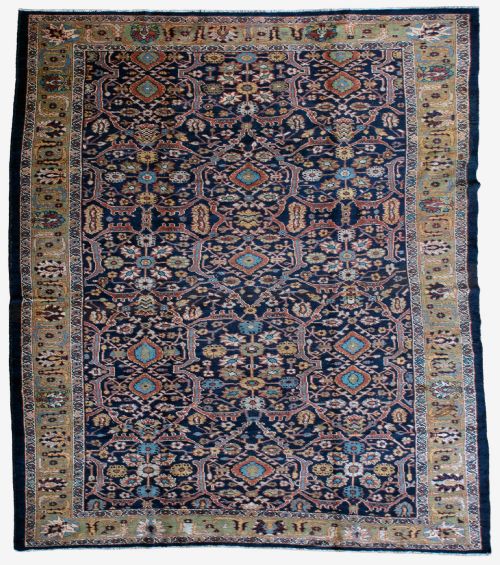
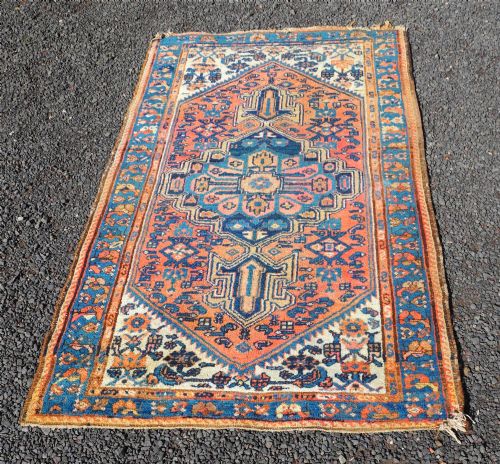
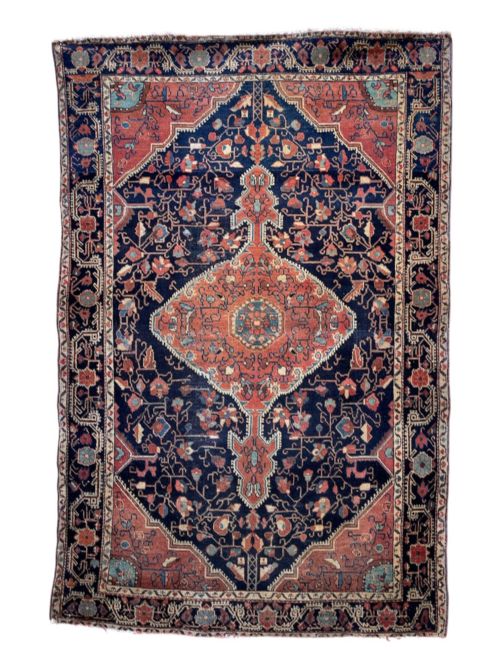
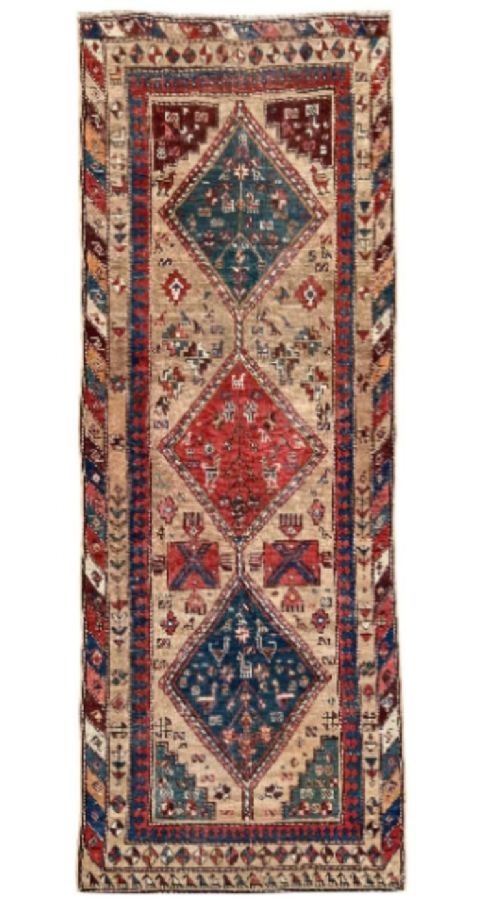
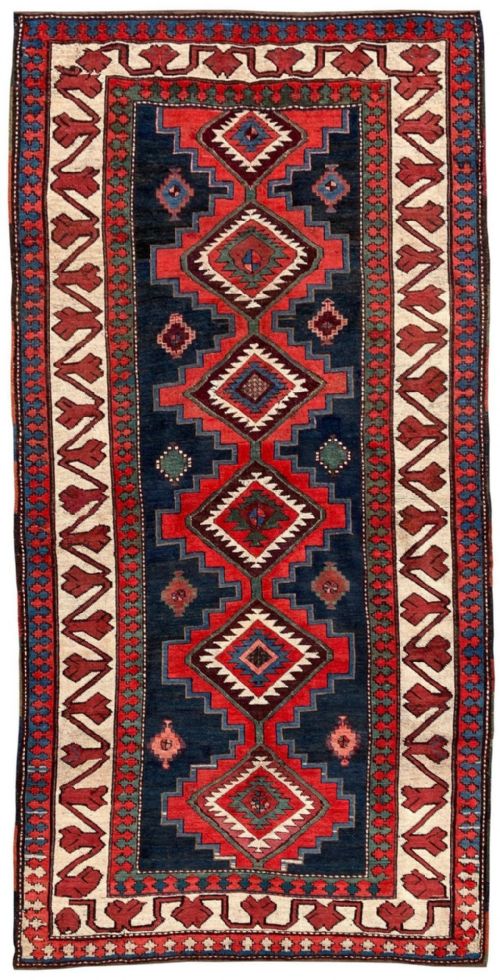
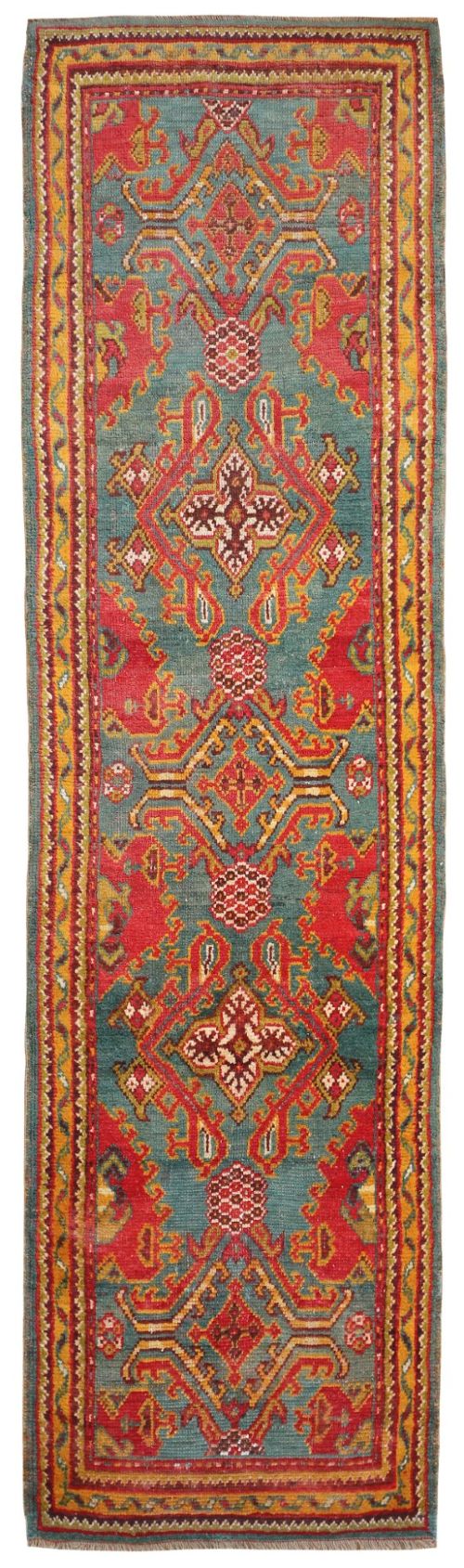
Blue Wool Oriental Rug
A blue wool oriental rug brings centuries of weaving traditions into a room, offering durability and deep indigo tones.
Blue Wool Oriental Rug
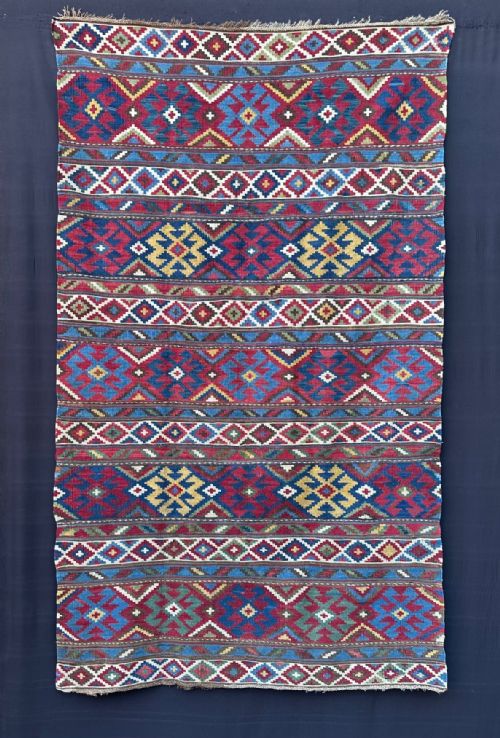
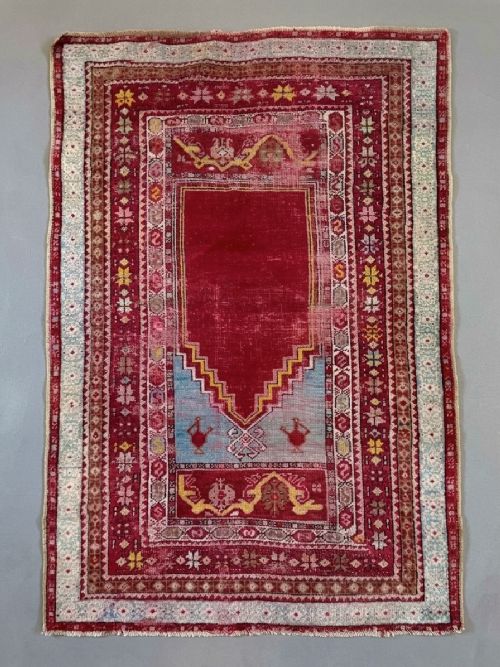
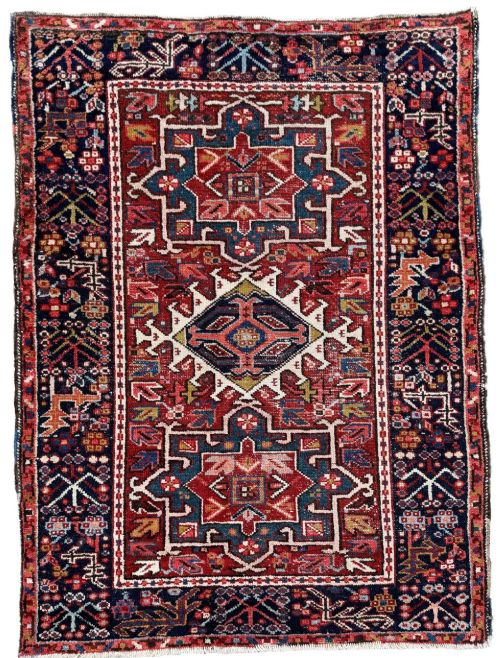
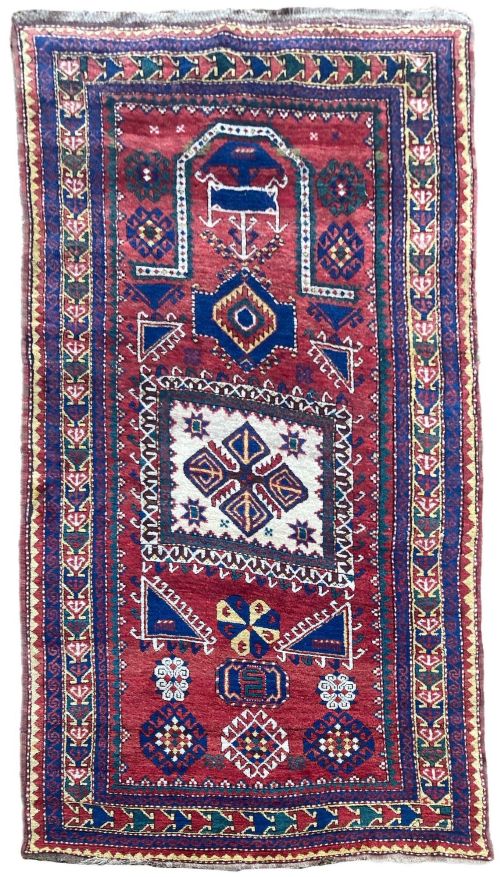
A blue wool oriental rug groups together floor coverings originating from Persia, the Caucasus, Anatolia, and Tibet, spanning periods from the nineteenth century into the early twentieth century. Buyers seeking this phrase encounter formats ranging from small hearth rugs and prayer rugs to long runners and large carpets.
The listings show regional styles such as Heriz, Kazak, Khamseh, Bakhtiar, and Ushak, demonstrating diverse tribal and village traditions. These pieces reflect specific geographic origins including Shirvan, Kerman, and Fars.
The selection encompasses both room-sized carpets and narrow runners suited to hallways, executed in wool, cotton, and occasionally silk highlights.
How they were made
The construction relies predominantly on wool pile knotted onto foundations of cotton or wool, ensuring resilience under foot traffic. Certain pieces incorporate silk highlights to define specific motifs within the design.
Weaving techniques involve hand-knotting methods traditional to specific tribal confederacies and regional workshops, utilising natural dyes derived from plants and minerals to achieve lasting coloration.
Blue Wool Oriental Rug Retail Price Guide 2026
Typical asking prices for blue wool oriental rug among the pieces listed under this phrase on Sellingantiques today, from the lower quarter to the upper quarter. They describe what is for sale here now, not the wider market.
Several nomadic items double as vanity-bags, allowing travellers to carry their possessions across ancient trade routes.
What varies in quality
Knot density and structural tightness determine the crispness of geometric and floral motifs across different regional pieces. Finer knotting permits more intricate delineation of medallions and lattice patterns.
The choice of wool grade and the consistency of the hand-spinning process influence the handle and long-term durability of the pile. The vibrancy and depth achieved through traditional dyeing methods also distinguish finer examples.
The Blue Wool Oriental Rug Glossary
- Prayer rug
- A small format featuring a mihrab design, traditionally used for individual daily prayers. These pieces often display specific regional arch motifs.
- Runner
- A long, narrow carpet format designed primarily for hallways and corridors. They frequently employ repeating geometric or medallion sequences.
- Kelleh
- A large format carpet, longer than it is wide, traditionally produced in Persian weaving centres. These substantial pieces anchor major reception spaces.
- Pile
- The upright yarn surface of the rug formed by knotted loops of wool, cotton, or silk. The height and density of this layer determine the tactile feel.
- Foundation
- The underlying grid of warp and weft threads that supports the knotted pile. Cotton and wool serve as the primary structural materials for these threads.
Blue Wool Oriental Rug: Frequently Asked Questions
Where were these rugs made?
The pieces originate from traditional weaving regions across Persia, the Caucasus, Anatolia, and Tibet. Each area developed distinct regional palettes and structural characteristics.
Production centres and tribal confederacies such as Heriz, Kazak, Ushak, and Bakhtiar imparted unique stylistic signatures to their respective carpets.
How do I care for an antique rug?
Regular gentle vacuuming without a rotating power brush helps remove grit from the wool pile. Professional specialist cleaning ensures the preservation of natural dyes.
Placing a breathable rug underlay prevents slipping and reduces friction between the foundation and the floor surface.
What materials are used?
Wool forms the primary pile material across the majority of these pieces, offering natural resilience and ease of maintenance. Cotton and wool constitute the foundational warp and weft threads.
Selected carpets incorporate small amounts of silk to highlight specific compositional details and create textural contrast.
How are different regional styles told apart?
Caucasian pieces typically display bold geometric medallions, stark primary colours, and rectilinear borders. Persian carpets often feature intricate curvilinear floral motifs, central medallions, and detailed corner spandrels.
Anatolian and Tibetan examples introduce distinct village and monastic aesthetics through alternative border arrangements and symbol usage.