



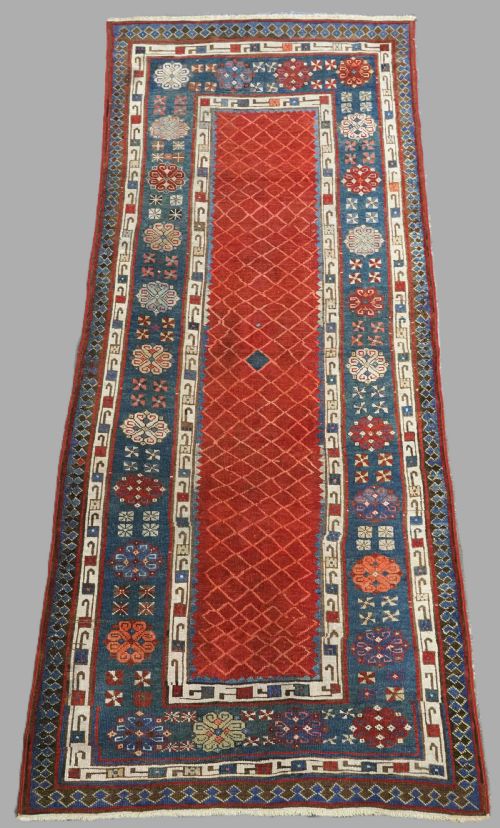
Hand Knotted Caucasian Carpet
When you set out to acquire a hand knotted caucasian carpet, you enter a world of geometric village weaving that brings warmth and distinct tribal character to a room.
Hand Knotted Caucasian Carpet
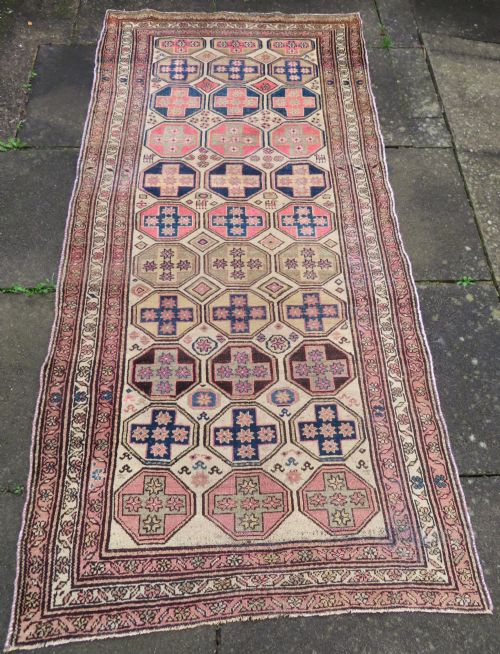
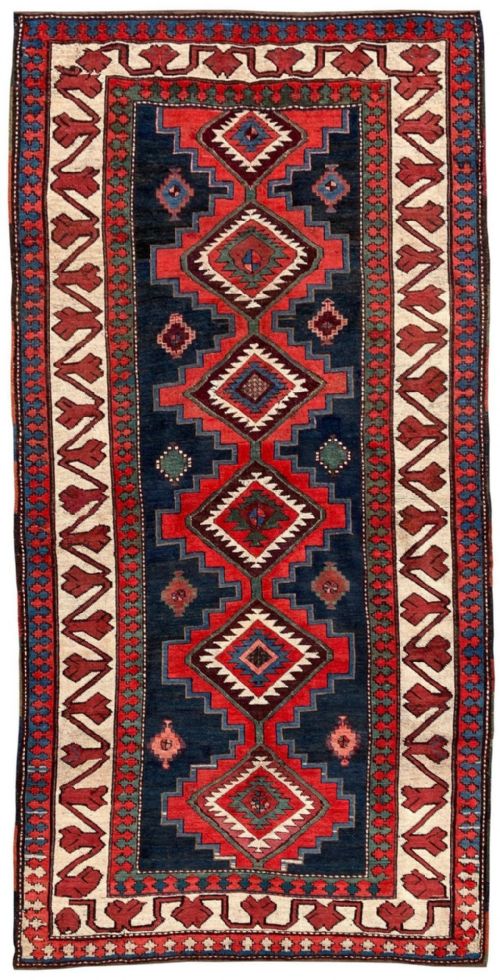
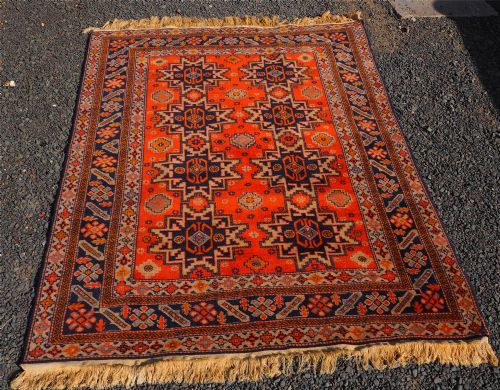
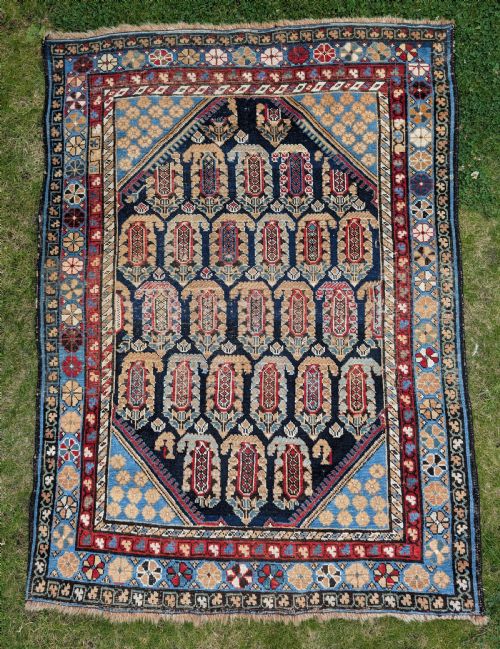
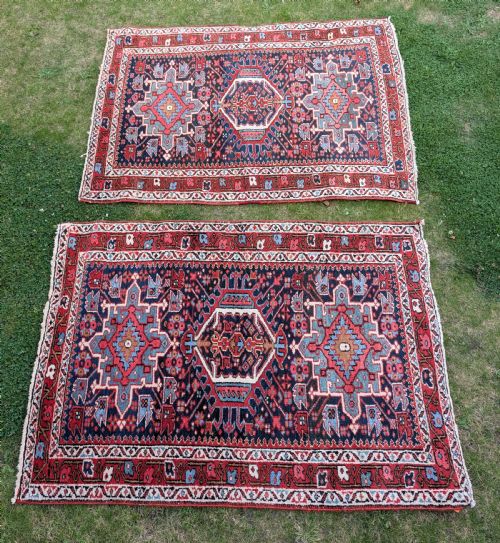
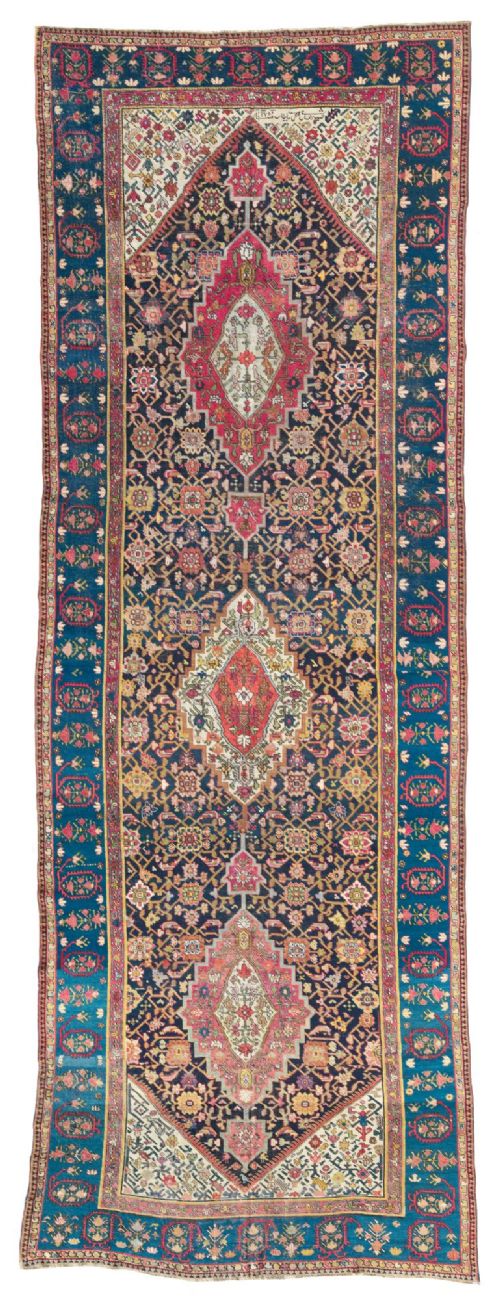
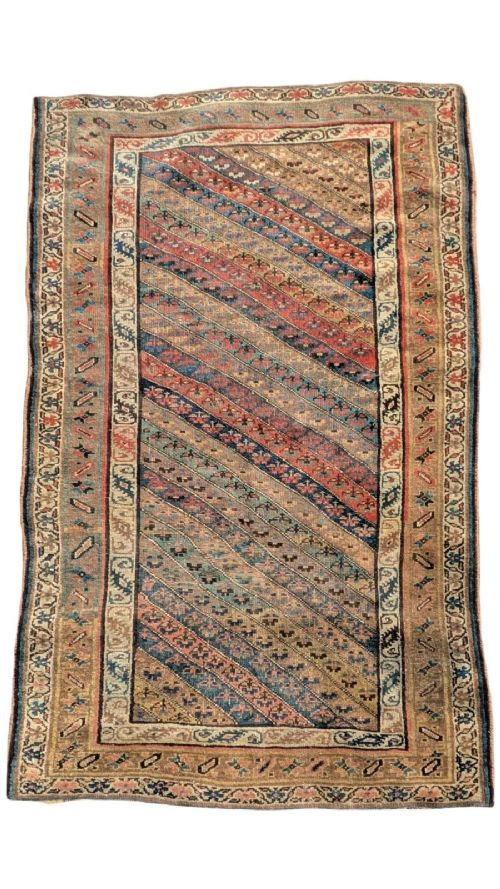
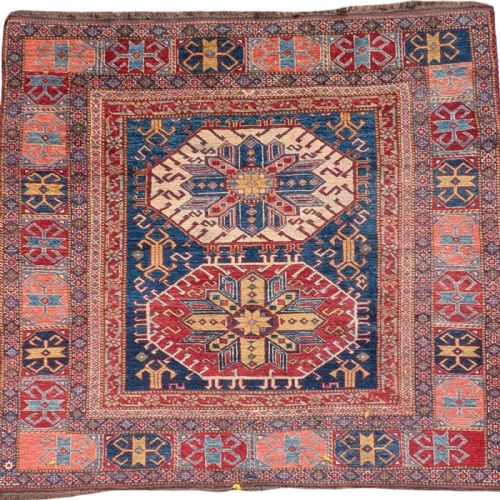
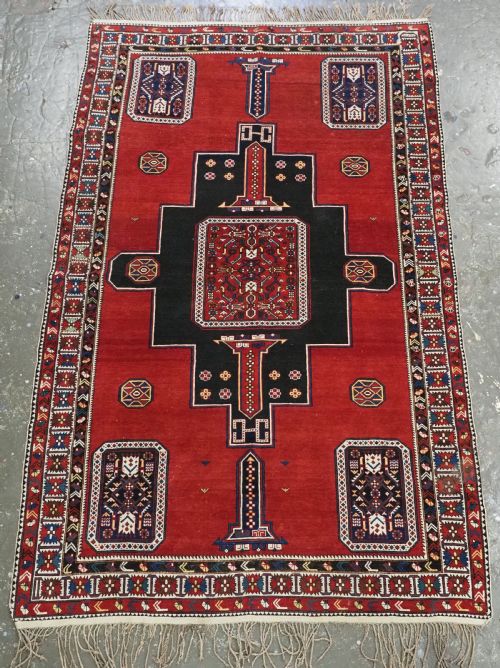
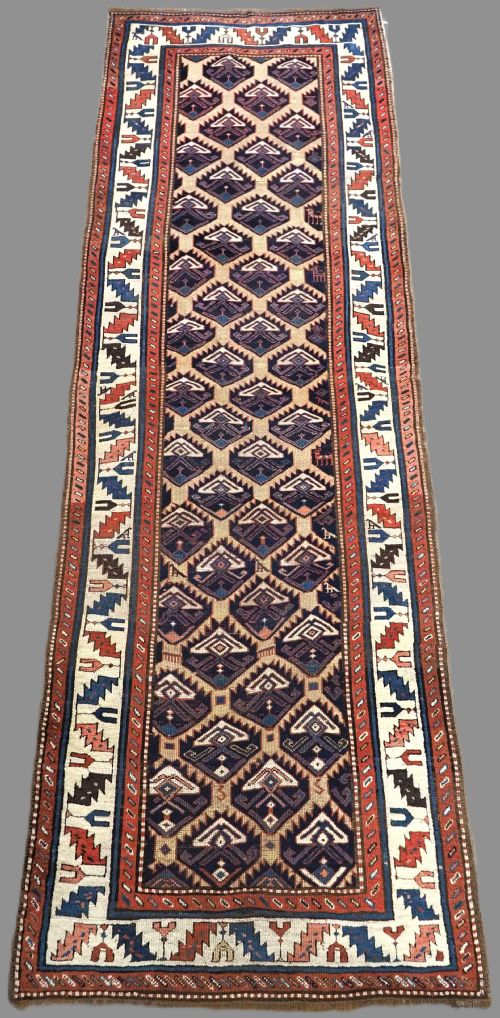
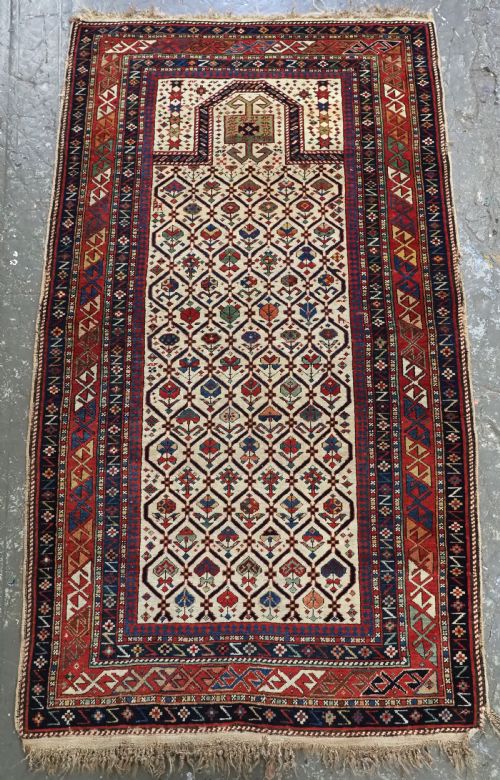
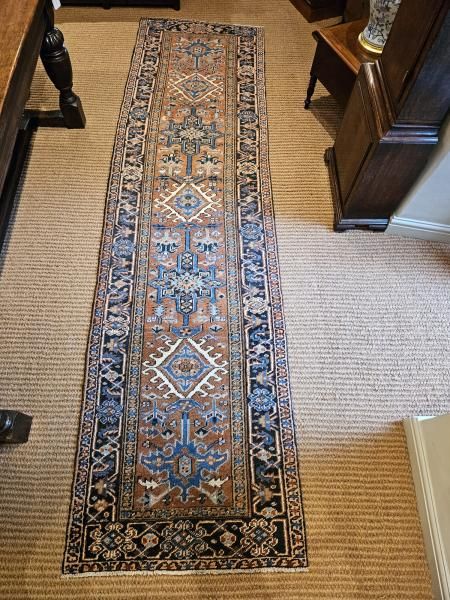
When you search for a hand knotted caucasian carpet, you encounter floor coverings originating from the Caucasus region, alongside related Kurdish and Persian tribal pieces produced during the nineteenth and early twentieth centuries. The selection spans distinct formats, ranging from square room-sized carpets and long hallway runners down to compact prayer rugs and kellets.
You are most likely to meet village and tribal formats such as Kazak, Daghestan, Shirvan, Kuba, and Karabagh weaves. These items often display characteristic geometric medallions, cruciform motifs, animal figures, and diagonal lattice patterns executed in traditional regional palettes.
Materials and technique
Makers constructed these textiles utilising durable wool for the pile and foundation yarns, frequently incorporating hand-spun wool alongside cotton for structural warps and wefts. The traditional knotting technique secures the pile firmly to the foundation structure, creating a dense textile designed for heavy domestic use.
Weavers employed natural dyes derived from local plants and minerals to colour the fleece, producing rich tones that mellow gracefully over decades of exposure and use. This reliance on natural colourants accounts for the harmonious variation found across individual carpets and runners.
Listings feature periods spanning from the mid-nineteenth century through the 1930s, utilising hand-spun wool and natural dyes.
What separates the grades
The degree of fineness in the knot density and the precision of the geometric drawing dictate the higher tiers of quality. Finer examples display crisp delineation of intricate lattice work and medallions, whereas simpler village pieces exhibit bolder, more rustic tribal interpretations.
The purity and depth of the natural dyes significantly influence the standing of a textile, with well-preserved colour saturation commanding greater appreciation. Additionally, the original integrity of the outer borders and edge selvedges preserves the intended proportions and structural balance of the weaving.
The Hand Knotted Caucasian Carpet Glossary
- Medallion
- A central decorative motif placed in the field of a carpet. These geometric shapes often define the specific regional style of the weaving.
- Prayer rug
- A compact textile featuring a mihrab or niche design at one end. Historically utilised for individual devotional placement.
- Runner
- A long, narrow carpet format designed specifically for hallways and corridors. They accommodate confined spatial layouts while displaying continuous pattern repeats.
- Kelleh
- A large format rectangular carpet proportioned longer than it is wide. This grand scale served traditional room dimensions in country houses.
- Selvedge
- The bound outer edge of a carpet running parallel to the warp threads. Proper preservation of this border prevents the pile from unravelling.
Hand Knotted Caucasian Carpet: Frequently Asked Questions
What is a caucasian carpet?
A caucasian carpet is a hand-knotted textile woven in the mountainous regions of the Caucasus by various tribal groups and village communities. These pieces are celebrated for their bold geometric designs and rich use of saturated natural dyes.
Production primarily spans the nineteenth and early twentieth centuries, encompassing diverse regional styles such as Kazak, Shirvan, and Daghestan. Each area developed distinct motifs, including cruciforms, animal figures, and diagonal lattice patterns.
How do I identify regional carpet types?
Identifying regional types relies on examining the specific geometry, border arrangements, and colour combinations employed in the weaving. Kazak pieces generally display larger, bolder geometric medallions with heavier wool, while Daghestan and Shirvan rugs often feature finer, more intricate floral lattices.
Structural details such as the handling of the fringe, the materials utilised for foundation yarns, and the specific shades of natural dyes also assist in narrowing down the geographic origin.
Where were runners used?
Runners and long rugs were traditionally placed in narrow transitional spaces such as hallways, corridors, and gallery landings. Their elongated proportions accommodated high-traffic floor areas while introducing warmth and colour to otherwise plain architectural zones.
In period interiors, these narrow formats also lined the sides of larger rooms or filled spaces between heavy furniture groupings, providing both decorative impact and underfoot comfort.
How do I care for antique wool rugs?
Care for antique wool textiles involves regular, gentle vacuuming without a rotating power brush to protect the delicate hand-knotted pile. Keeping the rug out of direct, prolonged sunlight prevents the natural dyes from fading unevenly over time.
Professional specialist cleaning is recommended when dirt accumulates deep within the foundation. Placing a breathable underlay beneath the carpet prevents slipping and reduces friction between the floor and the antique structure.