


Hand Knotted Luri Rug
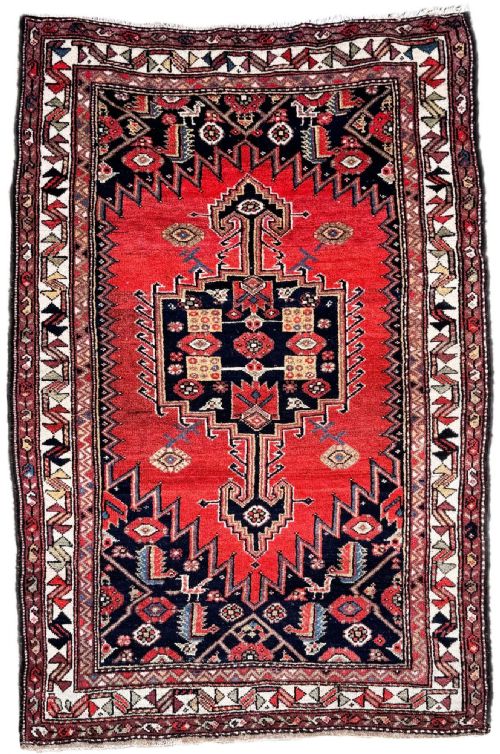
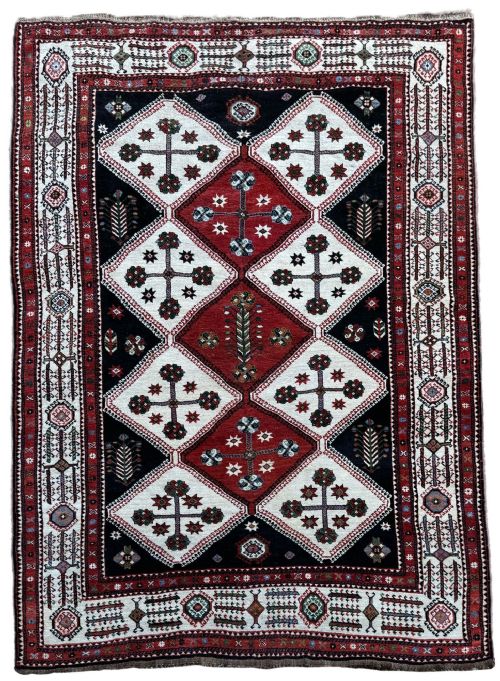
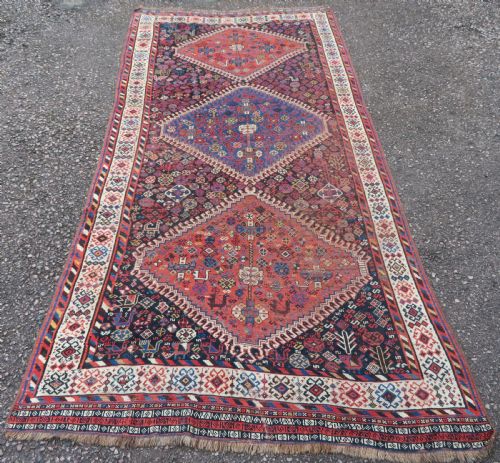
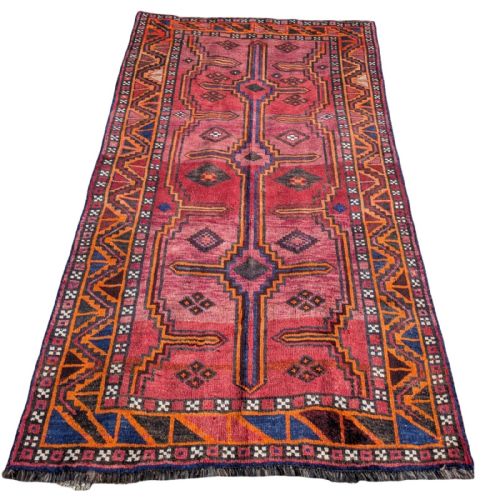
These hand knotted luri rug pieces are genuine nomadic tribal weaves from Western Persia that bring robust rustic character into any interior.
Hand Knotted Luri Rug
A hand knotted luri rug is a traditional textile created by the Luri tribes of Luristan in Western Persia. These pieces include floor coverings, large carpets, long runners, and functional bag faces intended for nomadic life.
The selection here spans from the nineteenth century into the early decades of the twentieth century. Buyers encounter formats ranging from intimate saddle bags to substantial tribal carpets exceeding three metres in length.
Designs frequently reflect Persian tribal traditions, occasionally sharing visual motifs with neighbouring Qashqai and Khamseh groups. Tree of life patterns, floral elements, and bird depictions appear across these nomadic works.
How they were made
Weavers constructed each hand knotted luri rug using wool and hand-spun wool on traditional vertical or horizontal looms. The employment of hand-spun yarn introduces natural variations in texture and thickness across the surface of the textile.
Natural dyes provide the foundational palette for these tribal carpets and runners. The interaction of these plant and mineral colorants yields deep, earthy tones that age gracefully over decades of use.
Some carpets preserve ancient bird and flower motifs woven directly from memory by nomadic makers traversing Western Persia.
What varies in quality
The fineness of the knotting and the density of the wool foundation separate standard tribal pieces from exceptional works. Tighter construction secures the pile more firmly, enhancing the longevity of the rug under foot traffic.
Design clarity and the preservation of natural dye variation dictate the visual appeal of each textile. Pieces demonstrating deliberate pictorial elements, such as birds, flowers, or tree of life motifs, command distinct artistic interest.
The Hand Knotted Luri Rug Glossary
- Kelleh
- A long, rectangular format of Persian carpet traditionally suited to specific room proportions. It typically displays a narrower width relative to its length.
- Saddle bag face
- The decorative front panel of a nomadic utility bag preserved after the backing has worn away. These sections often contain concentrated tribal motifs.
- Nomadic tribal
- A descriptor for textiles produced by mobile pastoralist communities rather than settled urban workshops. This origin explains the rustic character and spontaneous design choices.
- Natural dyes
- Colourants derived from plants, insects, and minerals rather than synthetic chemical processes. They produce rich, saturated hues that develop a soft patina over time.
Hand Knotted Luri Rug: Frequently Asked Questions
How do I care for a tribal rug?
Protect the wool pile by placing the rug in areas with moderate foot traffic and rotating it periodically. Regular gentle vacuuming without a rotating brush roll helps maintain the clean condition of the fibres.
Professional cleaning tailored to antique wool textiles ensures the natural dyes remain stable and protected.
What is a bag face?
A bag face is the surviving decorative front panel of a utilitarian nomadic storage sack. Tribes used these woven containers for transporting belongings during seasonal migrations.
Collectors prize these panels because weavers often concentrated their finest work and most intricate designs into these smaller formats.
How old are these carpets?
The pieces available date from the nineteenth century up to the 1930s. Stylistic traits and structural materials help establish this historical timeframe.
Hand-spun wool and traditional natural dye palettes are characteristic markers of these earlier periods.