




Tribal Textile Throw
A tribal textile throw brings rich Central Asian and Anatolian history into a room, offering tactile warmth and complex traditional patterns for daily living.
Tribal Textile Throw
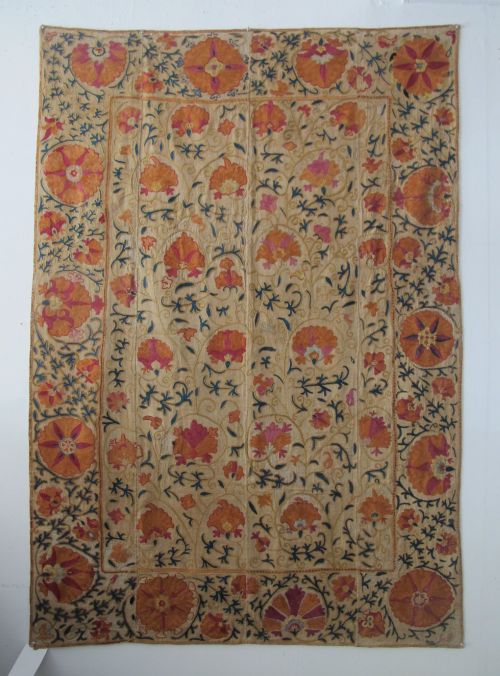
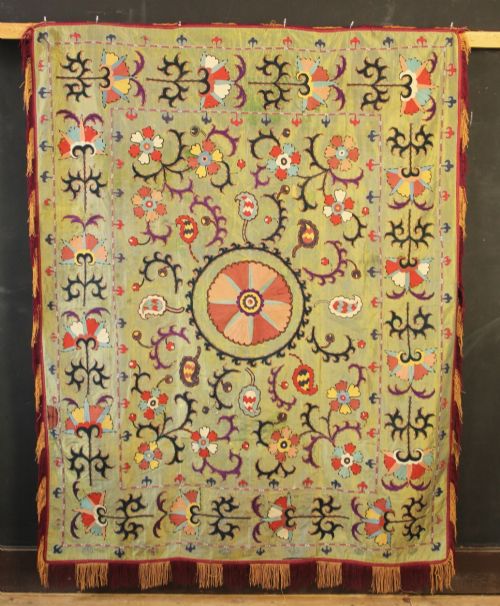
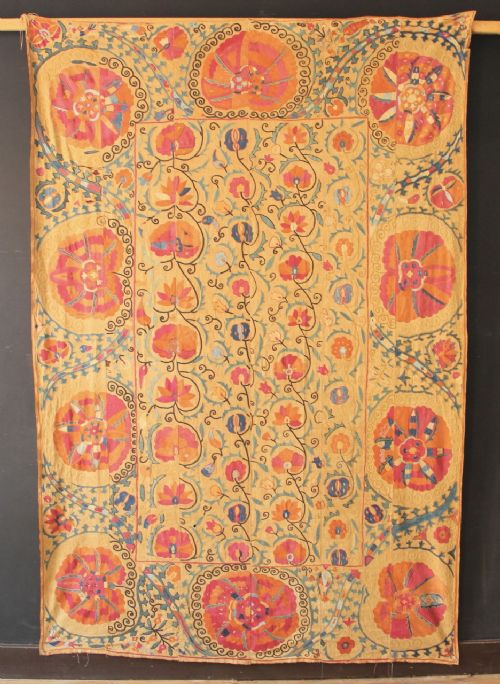
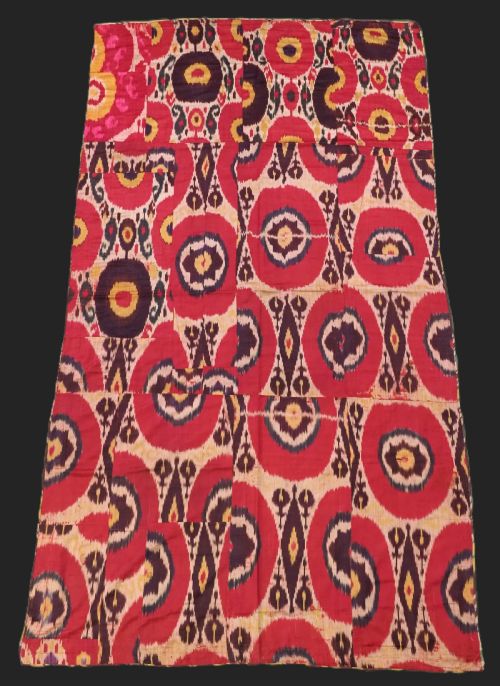
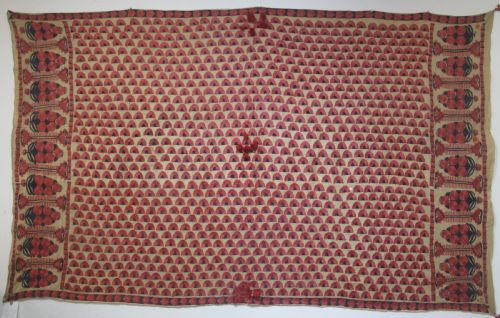
When a buyer searches for a tribal textile throw, they encounter hand-embroidered panels, suzanis, shawls, and cushions originating from regions such as Uzbekistan, Pakistan, and Afghanistan. These items serve as decorative covers and wall hangings, bringing historical textile traditions into domestic spaces.
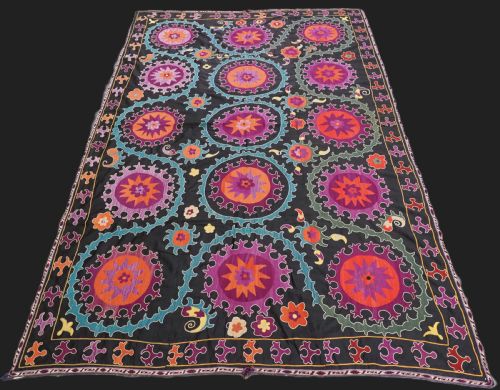
The pieces on this page are most frequently Uzbek suzanis, including nimble variations, full work Tashkent palaks, and Lakai tribal examples. Alongside these hangings, the selection includes embroidered kilim covers, cushions, and traditional shawls from South Asian origins.
Originating across the nineteenth and early twentieth centuries, these textiles reflect distinct regional styles from Bokhara, Tashkent, Shahrisabz, and Bukhara. Each object demonstrates the enduring domestic crafts of Central Asian and traditional South Asian makers.
How they were made
Makers utilised natural fibres, predominantly working silk thread onto grounds of cotton, wool, or hand-spun wool. Coloured grounds in red, black, and green provide a strong visual base for dense needlework.
Needlework techniques range from partial embroidery to full work coverage where the backing cloth is nearly obscured by silk stitches. Central medallions, stars, and traditional folk art motifs are built up through meticulous hand embroidery.
Lakai makers frequently tucked secret amulets and protective stitch symbols into their embroidery to guard families against the evil eye.
What varies in quality
The density of the silk embroidery defines the visual weight and richness of a piece, moving from lighter nim suzanis to fully worked palaks that demand immense time from the maker. Ground fabrics also differ in substance, utilising sturdy cottons, wools, or hand-spun wools.
Design execution separates regional variants, with certain pieces displaying complex medallion layouts and vibrant local palettes. The survival of the original ground fabric and the crispness of the silk threadwork determine the overall visual impact.
The Tribal Textile Throw Glossary
- Suzani
- An embroidered tribal textile originating from Central Asia, traditionally worked in silk on a cotton or wool foundation. These large decorative covers often feature floral medallions and geometric motifs.
- Palak
- A fully embroidered Tashkent suzani type characterised by dense needlework that covers almost the entire ground fabric. The design typically centres on a large star or medallion.
- Nim Suzani
- A smaller or half-scale embroidered cover variant, utilising the traditional silk-on-ground technique of larger suzanis. These pieces offer a more compact format for interior display.
- Kilim
- A flatwoven textile or cover produced across Central Asian and Anatolian traditions. Certain examples incorporate embroidered elements or serve as decorative cushions.
Tribal Textile Throw: Frequently Asked Questions
How were tribal textile throws used originally?
These textiles served primarily as ceremonial covers, wall hangings, and domestic furnishings within traditional Central Asian households. Families utilised them as dowry items or decorative layers inside nomadic and settled homes.
Over time, these embroidered cloths became central to interior decoration, marking important life events and showcasing the needlework skills of regional makers.
How do I care for an antique textile throw?
Protect antique silk embroidery and cotton or wool grounds from direct sunlight to prevent colour fading. Gentle vacuuming through a mesh screen helps remove dust without disturbing the delicate fibres.
Avoid hanging these heavy panels by a single point to prevent fabric distortion. Professional textile conservation cleaning is recommended if washing becomes necessary.
Can I use these textiles as daily floor cushions?
While cushion formats like bag cushions and kilim cushions were made for functional domestic use, larger suzani throws and embroidered panels are better suited for walls or light cover use. The delicate silk threadwork on historical suzanis is vulnerable to heavy friction from daily seating.
Placing them in low-traffic areas or utilising them as wall hangings preserves the integrity of the antique embroidery.
How can I identify a Lakai tribal piece?
Lakai tribal textiles often feature distinctive geometric elements, hooked motifs, and energetic arrangements embroidered in silk onto red wool or dark cotton grounds. Their design vocabulary differs from the grand floral sprays seen in urban Tashkent or Bokhara suzanis.
These pieces reflect the specific folk art traditions of the Lakai people working in Central Asia during the late nineteenth and early twentieth centuries.