

Antique Central Asian Tapestry
When choosing an antique central asian tapestry, collectors look for tribal textiles that bring bold geometric motifs and rich embroidery from nomadic traditions.
Antique Central Asian Tapestry
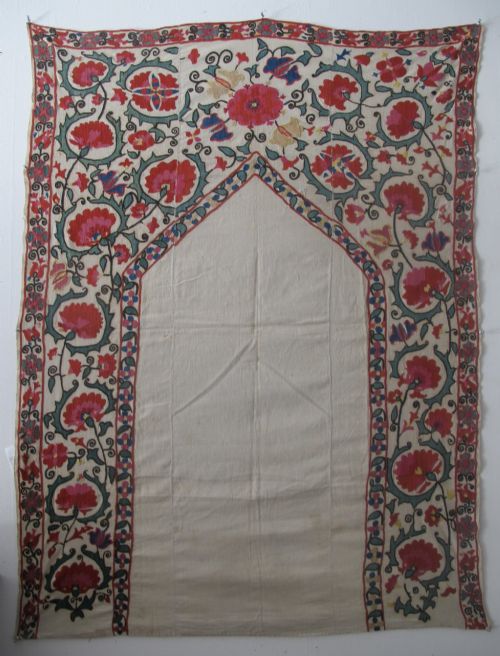
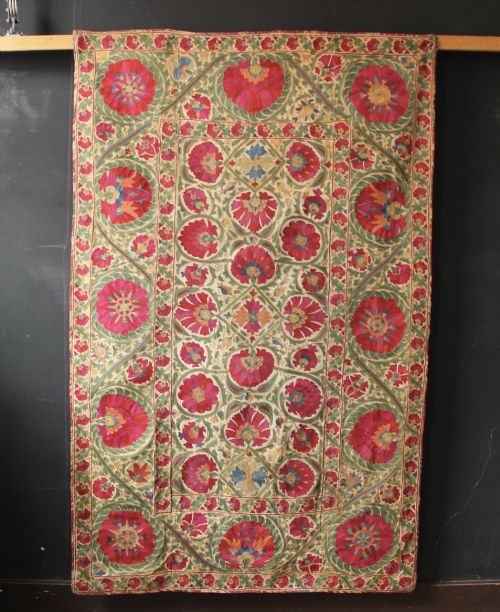
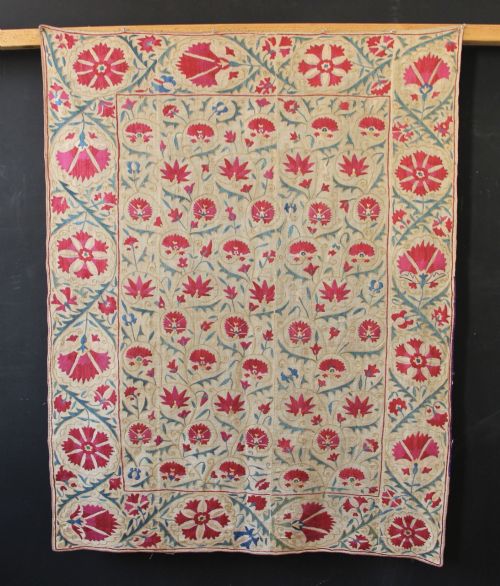
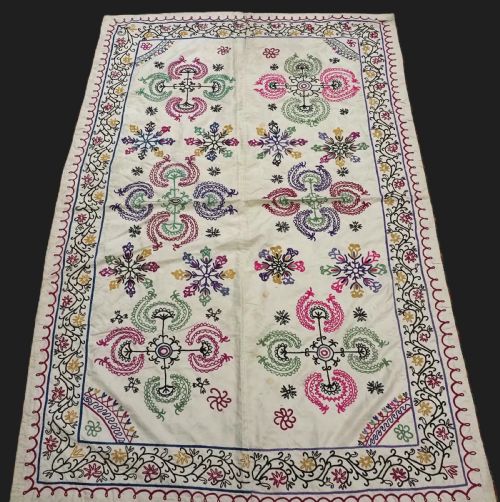
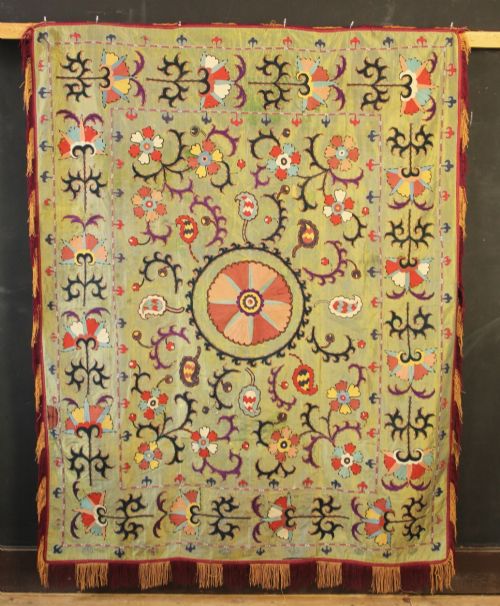
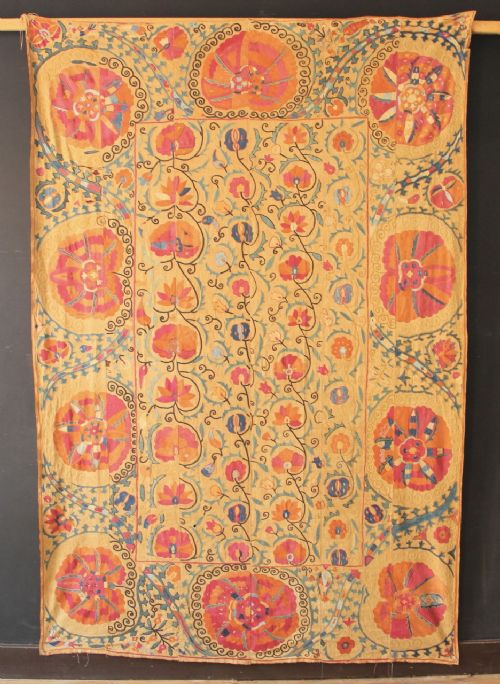
An antique central asian tapestry encompasses a variety of traditional textiles, including embroidered suzanis, dowry pieces, and nomadic hangings created across Uzbekistan, Turkmenistan, and surrounding regions.
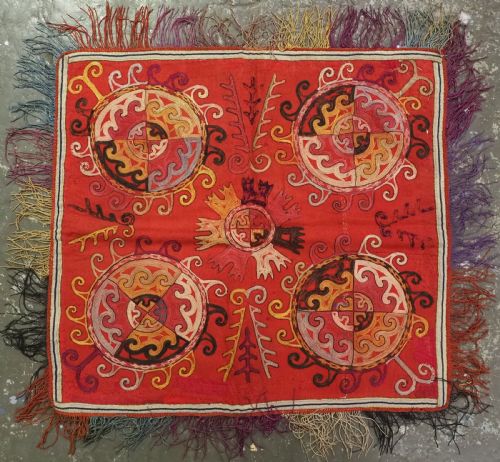
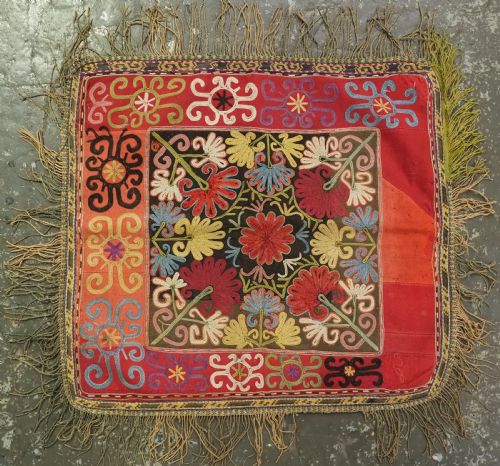
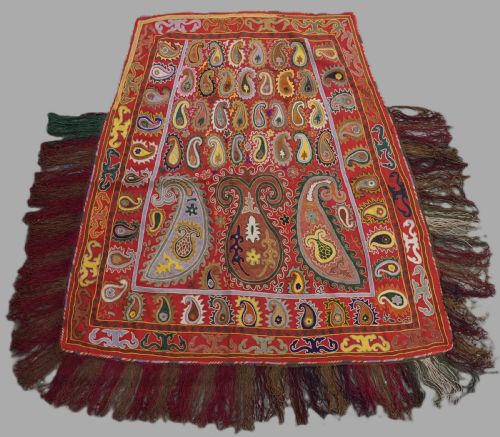
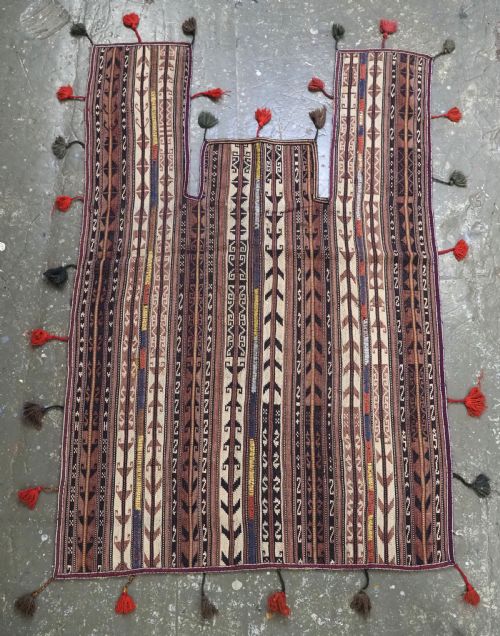
The selections on this page frequently include pieces from the nineteenth and early twentieth centuries, spanning ceremonial horse covers, yurt wall hangings, and intricate silk panels.
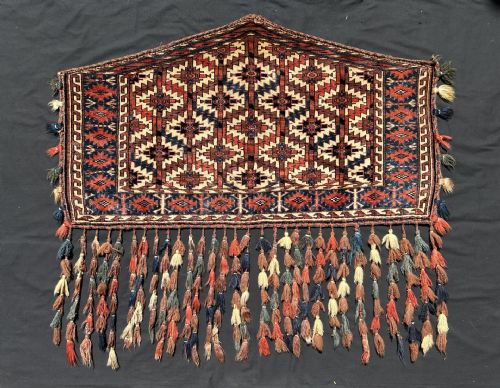
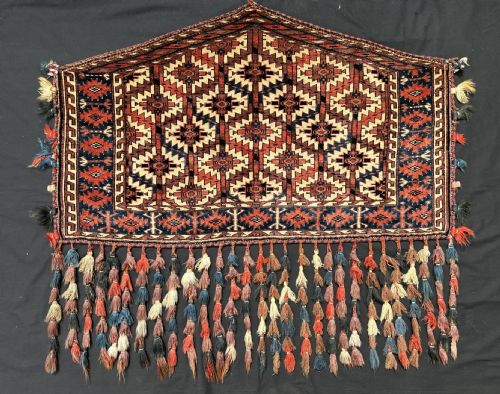
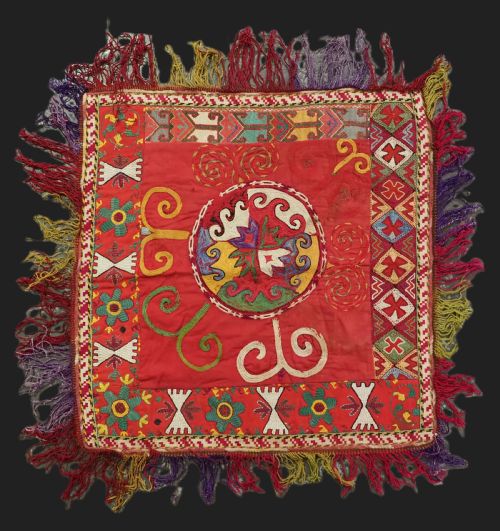
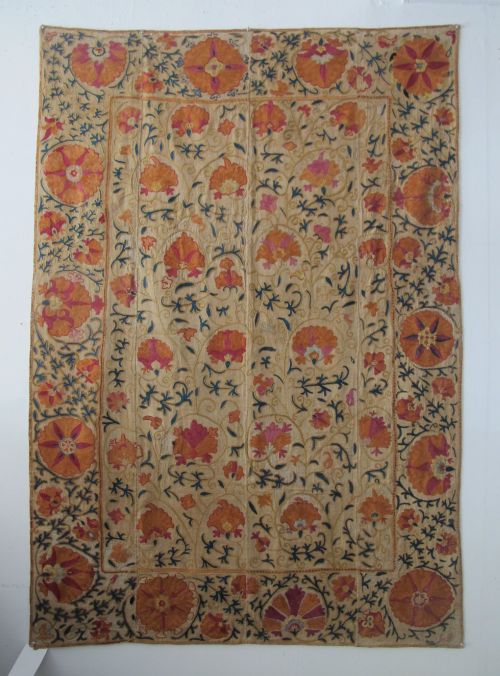
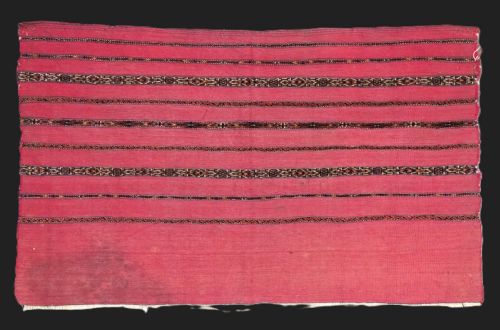
Buyers will encounter specific tribal formats such as Lakaiilgiches, Yomut asmalyks, and Bokhara suzanis, each reflecting the distinct cultural heritage of Central Asian makers.
Materials and construction
Artisans relied on hand-spun wool, cotton, and silk thread, often applying natural dyes to achieve deep and enduring colour palettes.
Many textiles combine detailed embroidery on cotton or wool foundations, while others utilise felt or flatweave techniques characteristic of nomadic craftsmanship.
Materials recorded across these textile pieces include camel hair, felt, silk thread, and hand-spun wool.
Assessing quality in textile art
Quality rests upon the fineness of the weave, the intricacy of the needlework, and the preservation of the original ground materials.
Examples featuring complex botanical or architectural layouts display superior artistry compared to standard regional variations.
The Antique Central Asian Tapestry Glossary
- Suzani
- An embroidered tribal textile originating from Uzbekistan, traditionally stitched in silk on a cotton or linen ground.
- Ilgich
- A specific form of dowry embroidery produced by the Lakai tribe.
- Asmalyk
- A ceremonial camel trapping produced by Turkmen groups, often pentagonal in shape.
- Gul
- A medallion or repeating gabled motif found in tribal rugs and hangings.
Antique Central Asian Tapestry: Frequently Asked Questions
What is a suzani?
A suzani is a traditional embroidered panel from Central Asia, stitched by hand with silk threads on cotton or wool foundations.
These textiles were historically created by brides as part of their dowries and used for wall decoration or bedding covers.
How were tribal wall hangings used?
Nomadic families utilised these textiles to adorn the interiors of yurts and permanent homes, displaying wealth and clan identity.
Many pieces served specific ceremonial functions, such as horse covers for weddings or festive processions.
How do I care for antique textiles?
Keep embroidered panels away from direct sunlight to protect natural dyes from fading over time.
Mount pieces gently with breathable backing materials and avoid heavy cleaning agents that might damage delicate silk threads.
How are different tribal origins distinguished?
Distinctions rely on characteristic colour combinations, embroidery stitches, and specific geometric or floral motifs unique to groups like the Lakai, Yomut, or Tekke.
Regional layouts often provide clear clues to the exact community of origin.