




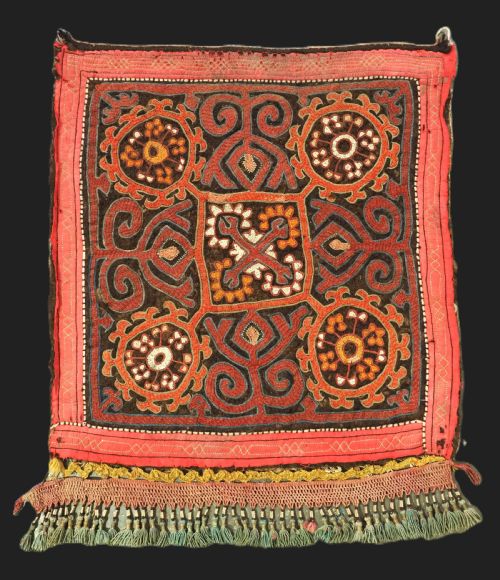
Wool Embroidered Textile Panel
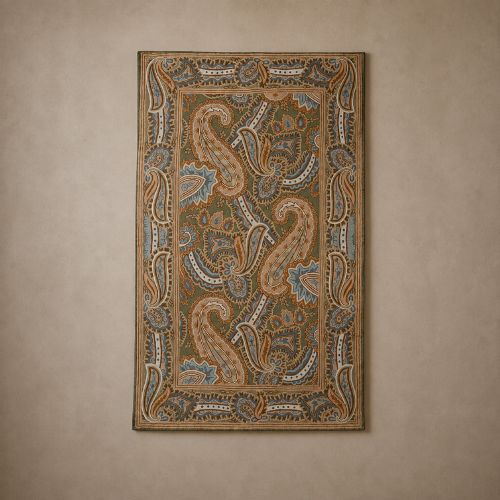
A wool embroidered textile panel brings centuries of tactile storytelling into a room, offering rich surfaces stitched in crewelwork, silk and felt.
Wool Embroidered Textile Panel
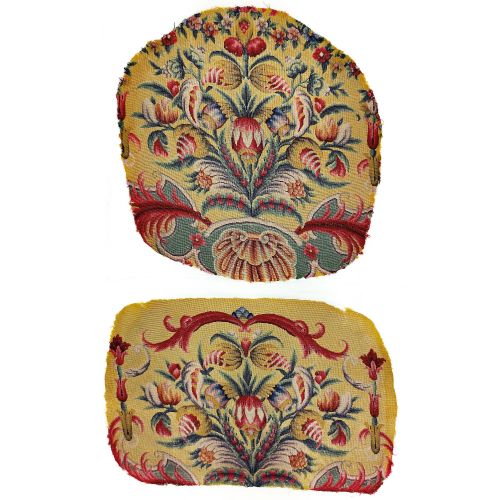
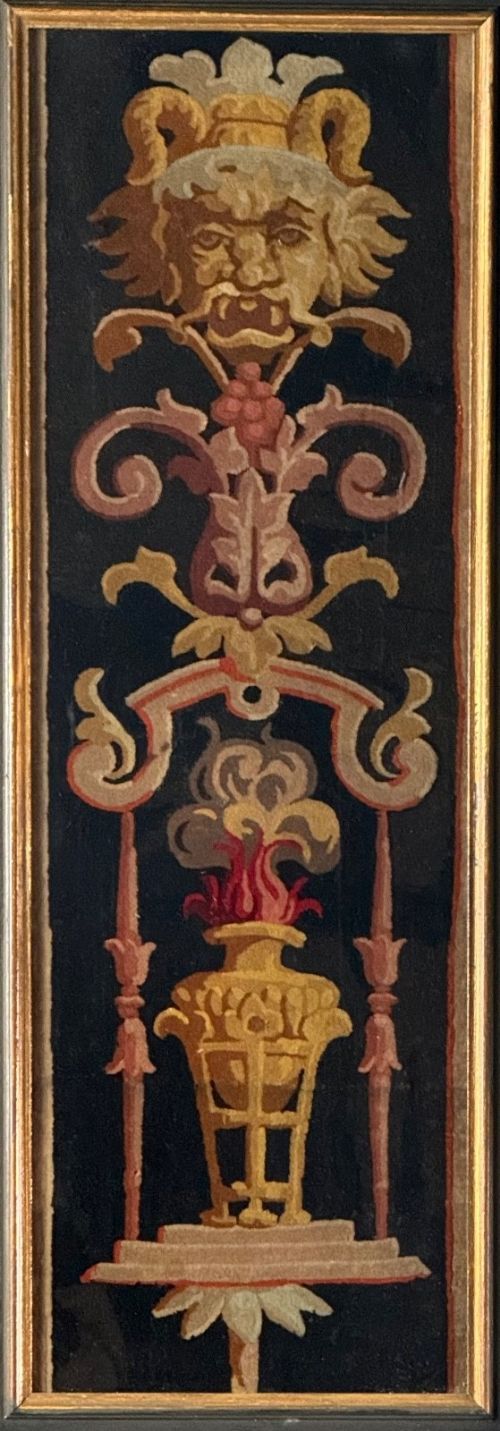
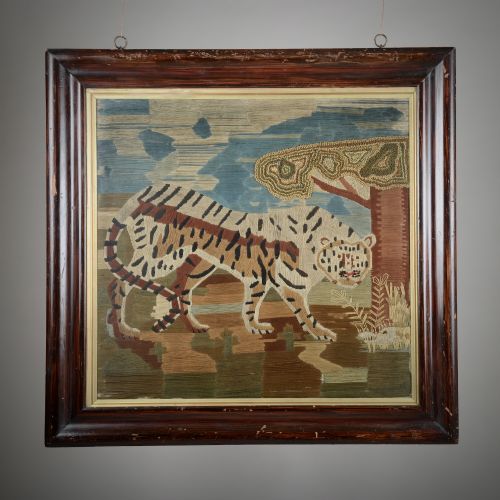
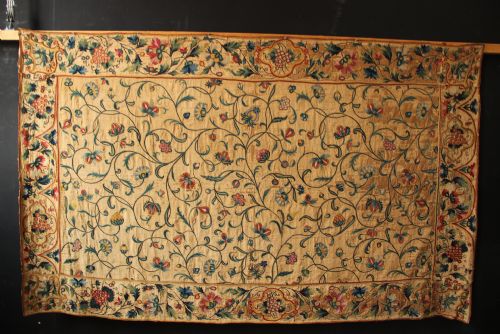
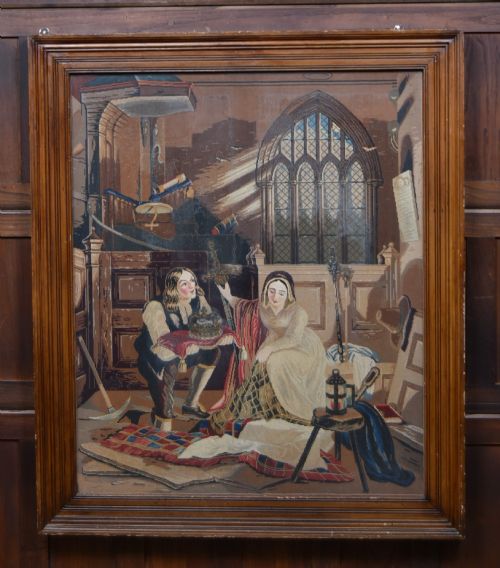
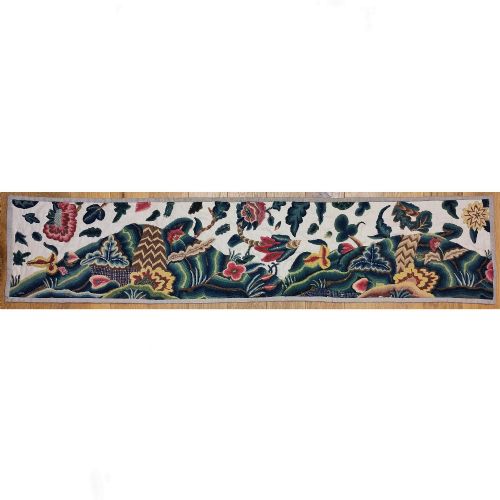
When searching for a wool embroidered textile panel, buyers encounter an eclectic mix of wall hangings, framed needlework pictures and tribal dowry embroideries spanning multiple centuries. These pieces originate from diverse traditions, ranging from seventeenth-century English crewelwork and eighteenth-century pastoral pictures to Central Asian nomadic and tribal works.
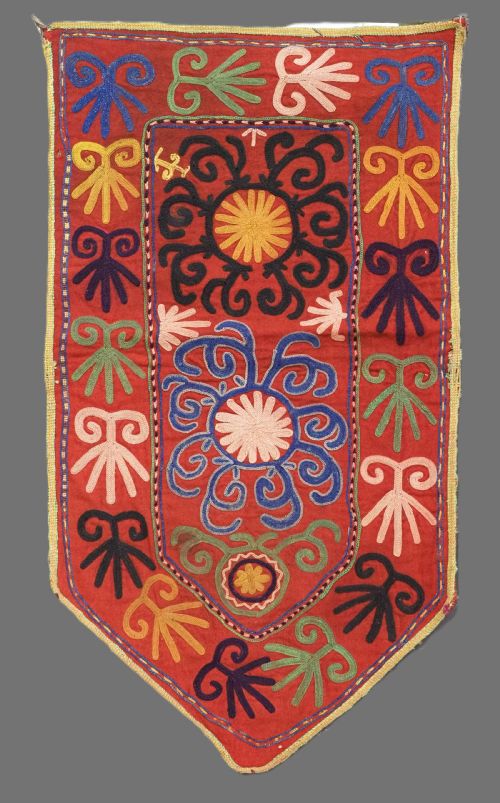
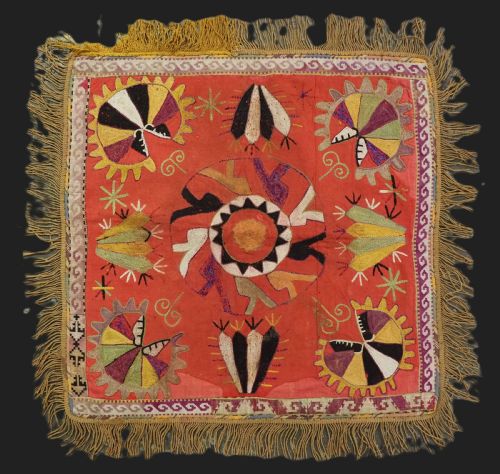
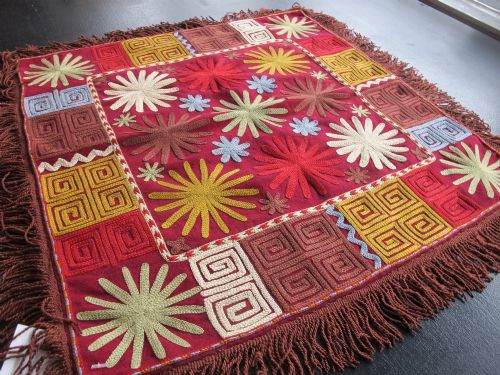
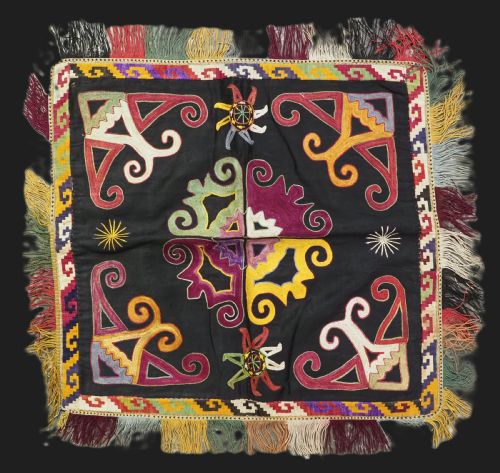
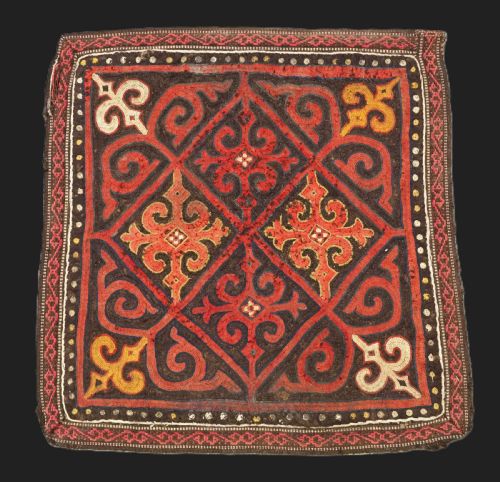
The selections on this page heavily feature Central Asian tribal pieces, such as Uzbek Lakai ilgiches and Kyrgyz felt wall hangings, alongside European needlework panels and tapestries. Such works function primarily as wall art and textile art, designed to introduce texture and historical depth to domestic interiors.
How they were made
Maker utilises grounds of wool, felt, cotton, linen and canvas, providing sturdy foundations for intricate needlework. Silk and wool threads dominate the surface stitching, applied through techniques such as crewelwork, gros-point and needlepoint.
Nomadic and tribal pieces frequently incorporate applied fringes and felt appliques on vibrant red or neutral wool grounds. European panels rely on dense needlework pictures and tapestry weaves executed on canvas or linen supports.
Wool Embroidered Textile Panel Retail Price Guide 2026
Typical asking prices for wool embroidered textile panel among the pieces listed under this phrase on Sellingantiques today, from the lower quarter to the upper quarter. They describe what is for sale here now, not the wider market.
Materials recorded across the selection include wool, silk, cotton, linen, wood, glass, canvas and felt.
What varies in quality
Quality rests in the precision and density of the stitchwork, where fine, uniform tension distinguishes master execution from simpler folk efforts. The complexity of the pictorial composition, whether depicting classical grotesques, pastoral farming scenes or geometric tribal medallions, dictates the visual impact.
The survival of vibrant colour in the wool and silk threads, alongside the structural integrity of the ground fabric and any applied felt or fringe, separates superior examples from heavily degraded survivors.
The Wool Embroidered Textile Panel Glossary
- Crewelwork
- Embroidery executed with wool yarn on a linen or cotton twill ground. It often employs a variety of stitches to create flowing floral and foliate designs.
- Ilgich
- A Central Asian embroidered wall hanging or dowry piece created by tribal groups such as the Lakai Uzbeks. These panels feature bold geometric and figurative motifs.
- Gros-point
- A type of needlepoint stitched on coarse canvas using wool yarn. It creates a durable, textured surface frequently utilised for pictorial wall panels and cushions.
- Sampler
- A piece of needlework produced as a demonstration or test of skill, often displaying alphabets, numerals and various decorative stitches. Eighteenth and twentieth-century examples appear in the listings.
- Tush kyiz
- Large, elaborately embroidered Kyrgyz yurt wall hangings traditionally made by women to celebrate the marriage of a son or daughter.
Wool Embroidered Textile Panel: Frequently Asked Questions
How were wool embroidered textile panels used?
These textiles served varied domestic and cultural functions depending on their origin. European panels and crewelwork were framed as pictures or mounted as wall hangings to display wealth and skill.
In Central Asia, pieces like Lakai ilgiches and Kyrgyz tush kyiz functioned as dowry items and vibrant interior decorations for tents and homes.
How do I care for an antique textile panel?
Protect antique wool and silk embroidery by keeping panels away from direct sunlight, which fades natural dyes over time. Hang them in stable environmental conditions with minimal humidity fluctuation.
Dust gently with a soft brush or vacuum at low suction through a protective mesh screen. Avoid harsh chemical cleaning entirely.
How can I tell seventeenth-century crewelwork apart from later revivals?
Seventeenth-century crewelwork exhibits specific linen twill grounds and natural dye palettes typical of the period, often showing authentic age-related wear in the wool threads. Jacobean revival pieces from later eras mimic these traditional styles but utilise cleaner, more uniform modern materials and processing methods.
Examining the reverse side reveals the handspun character of early yarns versus the more consistent consistency of later manufacture.
What is the difference between European and Central Asian panels?
European panels typically present refined pastoral scenes, classical motifs or floral crewelwork pictures designed for formal domestic display. They reflect academic artistic traditions and structured needlepoint techniques.
Central Asian tribal pieces utilise bold geometric shapes, felt appliques and energetic silk embroidery on red grounds, reflecting nomadic visual culture and specific tribal customs.