
Central Asian Textile Hanging
When you encounter a central asian textile hanging, you step into a world of tribal embroidery, ceremonial horse covers, and domestic dowry pieces.
Central Asian Textile Hanging
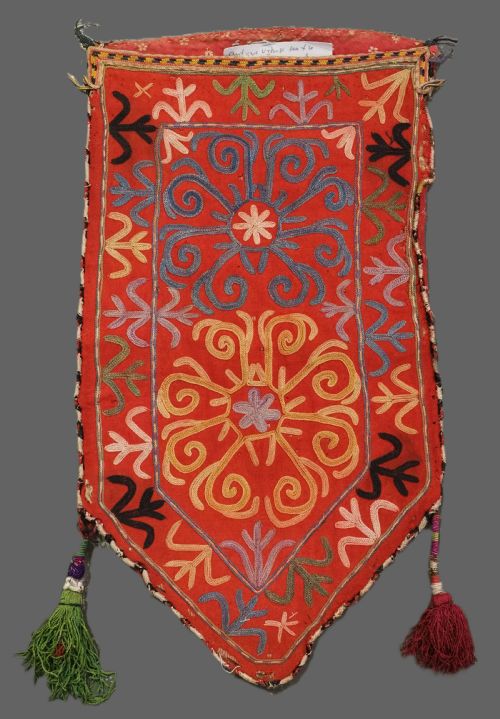
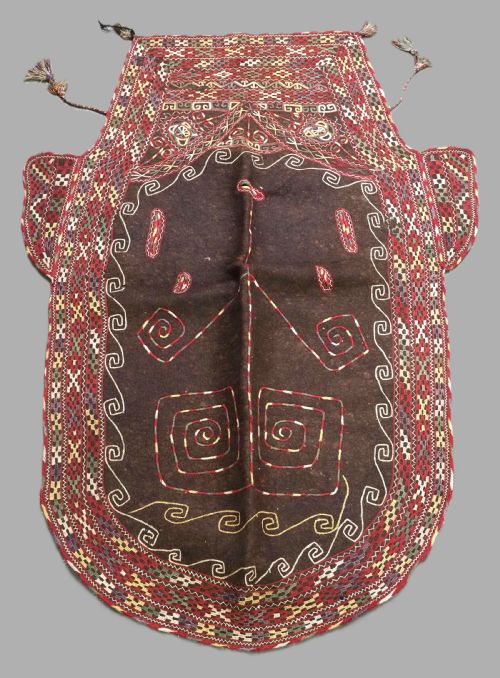
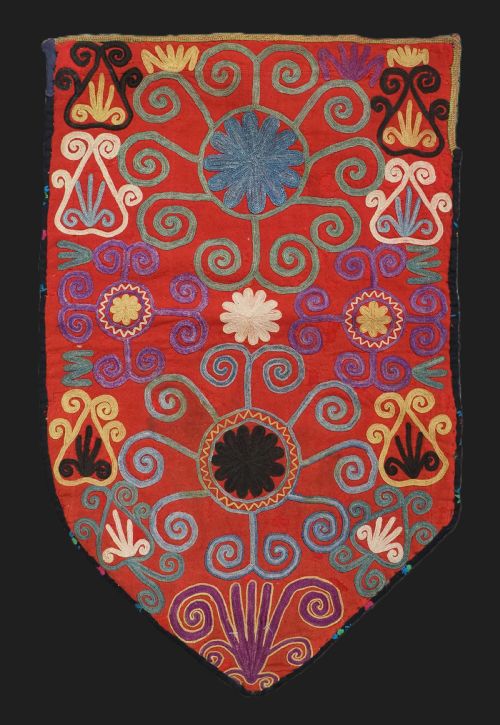
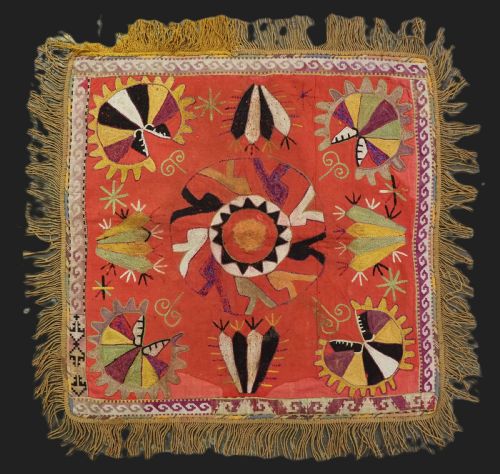
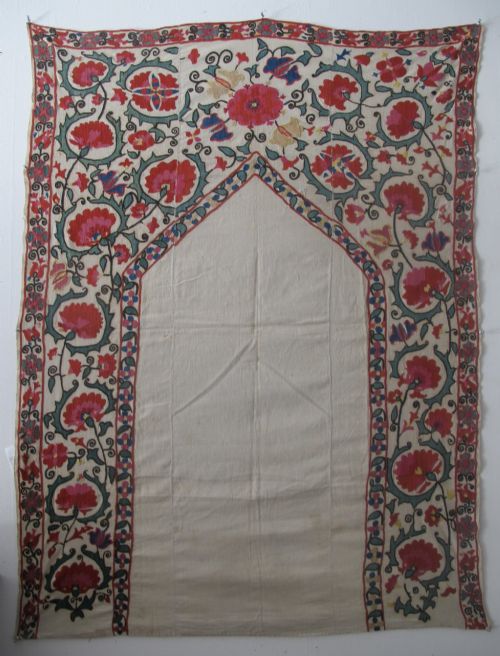
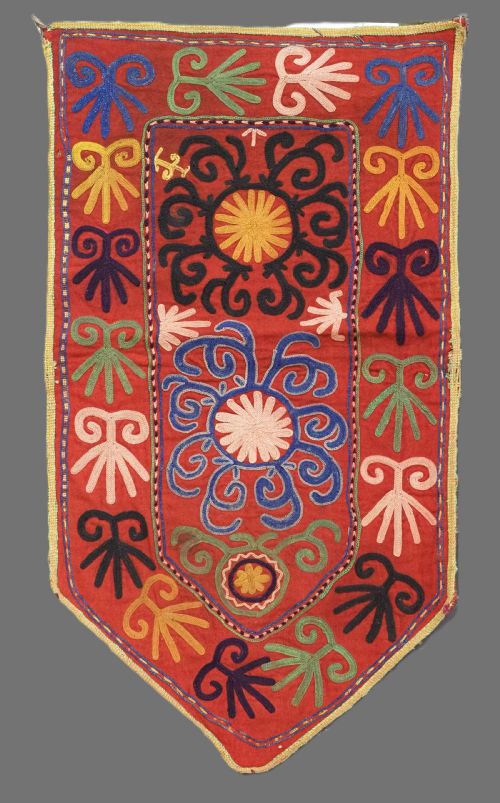
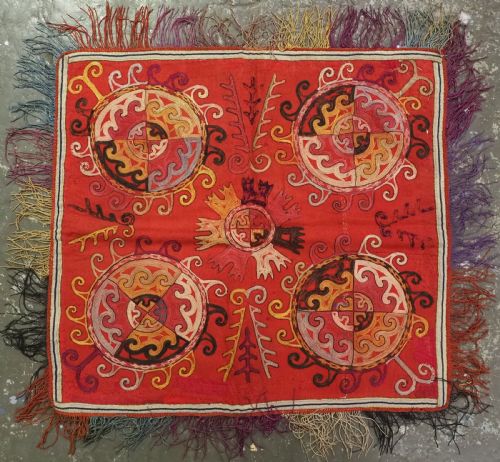
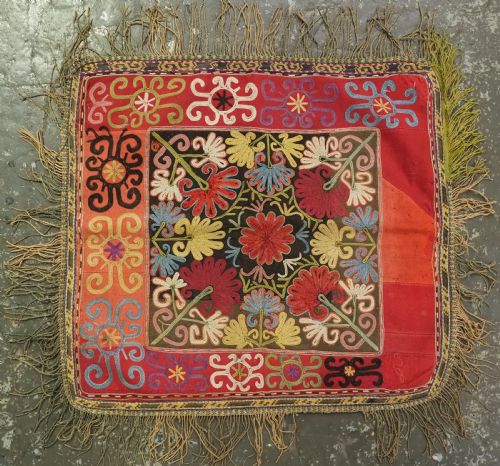
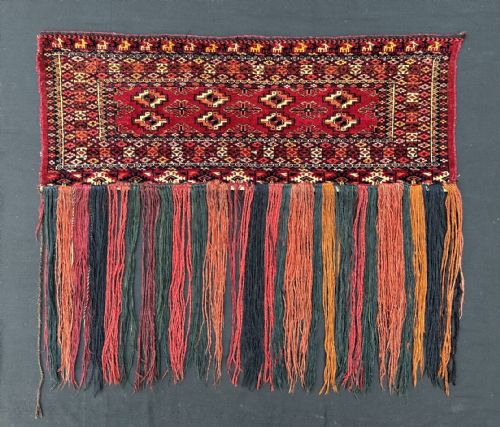
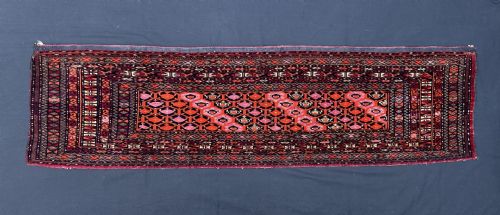
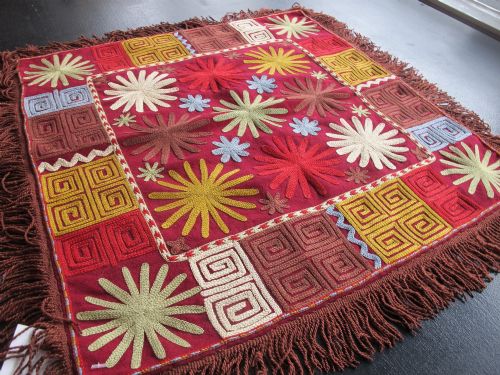
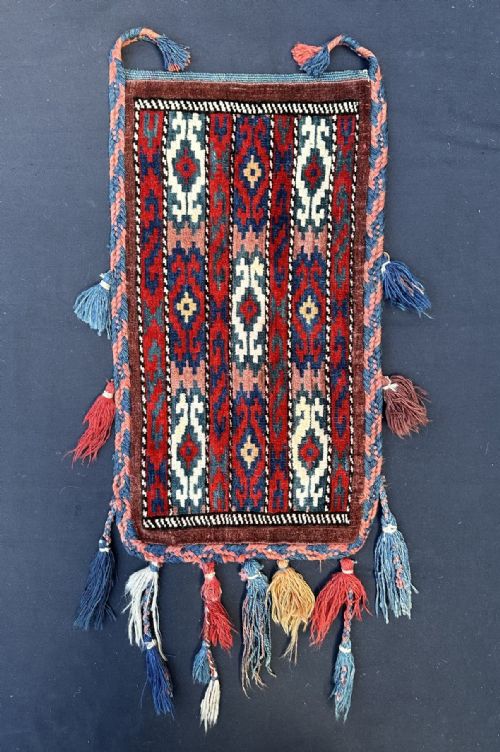
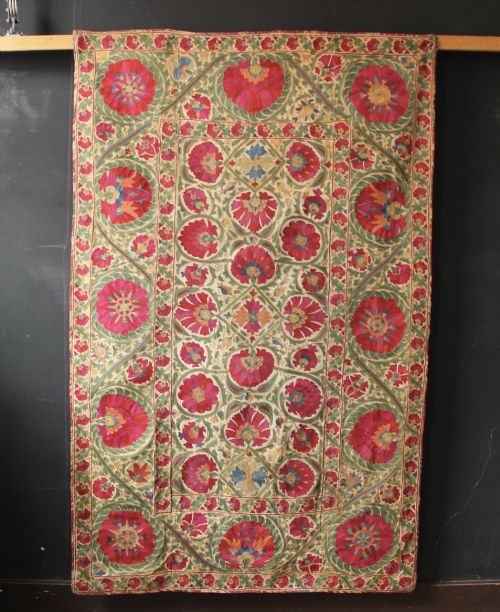
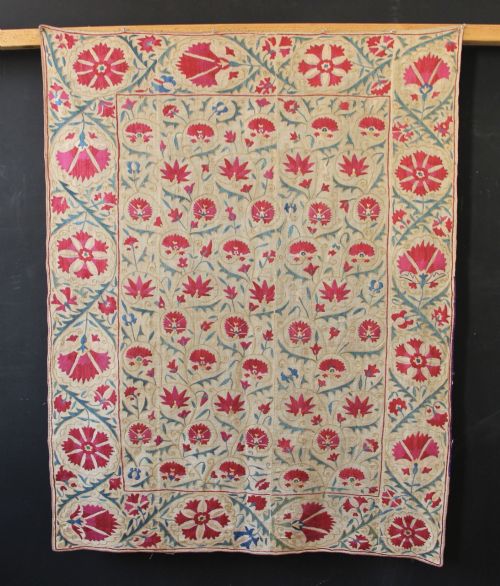
A central asian textile hanging encompasses a diverse group of woven and embroidered works originating from nomadic and settled communities across the region. Collectors encounter forms such as suzani wall hangings, asmalyks, torbas, and ilgich dowry embroideries created by Uzbek, Lakai, and Turkmen tribal groups. These items served functional roles in nomadic tents and urban homes, functioning as bed covers, saddle rugs, mirror covers, and architectural hangings.
The material expression ranges from finely stitched silk embroideries on cotton or silk foundations to heavy wool and felt tribal weavings. Pieces frequently display distinct regional traits, from the architectural patterns of Bokhara to the dynamic, energetic needlework of the Lakai tribe. Dating predominantly from the mid nineteenth century to the early twentieth century, these textiles reflect the rich visual traditions of Central Asia.
How they were made
Artisans constructed these textiles utilising hand-spun wool, silk, and cotton, relying on natural dyes to achieve deep and enduring palettes. Silk thread was frequently employed for intricate surface embroidery on cotton or silk foundations, creating dense pictorial and geometric designs.
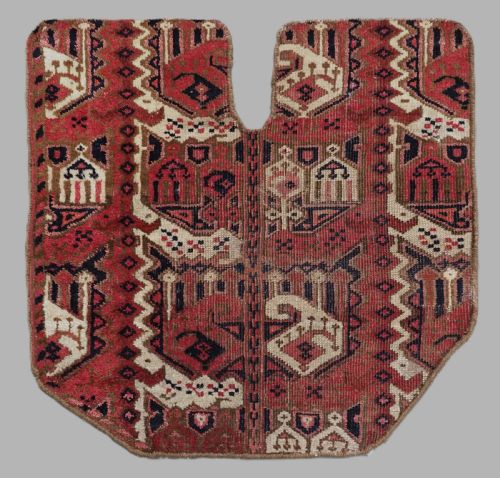
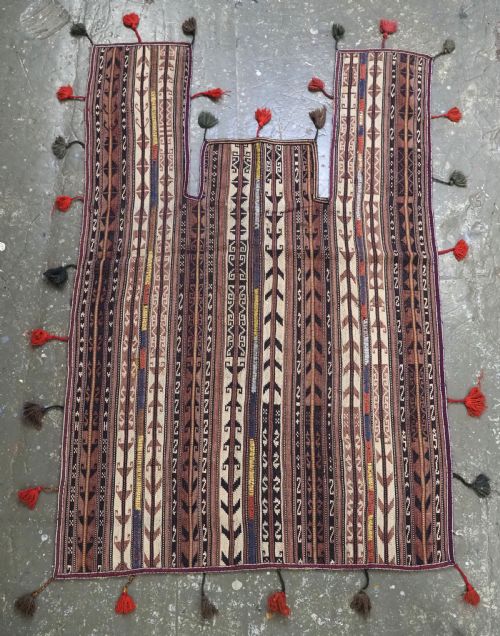
Nomadic groups also utilised felted wool for durable functional items like ceremonial horse blankets and tent bags. Weavers incorporated cotton thread alongside wool and silk to build structured pile rugs and flat-woven covers.
Nomadic horses once wore elaborate embroidered felt blankets and covers to look magnificent during wedding processions across the steppes.
What varies in quality
Quality rests upon the fineness of the weave, the precision and density of the needlework, and the complexity of the design. Master artisans achieved exceptional clarity in motifs through tight stitching and harmonious colour placement.
The condition of the natural dyes and the preservation of original elements, such as tassels or backing materials, further distinguish superior examples within the range.
The Central Asian Textile Hanging Glossary
- Ilgich
- A specific type of embroidered wall hanging or dowry piece associated with the Lakai tribe of Uzbekistan. They are characterised by bold, energetic geometric and figurative needlework.
- Asmalyk
- A pentagonal or polygon-shaped ceremonial trapping produced by Turkmen tribes, traditionally hung on the flanks of a bride's wedding camel. They showcase intricate geometric weaving and symbolism.
- Torba
- A small storage bag produced by Turkmen tribes, often utilised inside the nomadic tent for household possessions. These faces display traditional tribal gul motifs.
- Uut Kap
- A small embroidered bag used within nomadic dwellings for storing belongings, frequently created by Lakai and Uzbek makers with double-faced or highly decorative surfaces.
Central Asian Textile Hanging: Frequently Asked Questions
What is a suzani?
A suzani is a large embroidered textile panel traditionally produced in Uzbekistan and Tajikistan as part of a bride's dowry. Families hung these panels on interior walls or used them as bed covers.
They feature elaborate botanical and geometric silk embroidery stitched onto cotton or silk foundations. The designs often incorporate symbolic motifs meant to bring health, longevity, and prosperity to the newlyweds.
How were tribal trappings used?
Nomadic groups utilised woven and embroidered trappings for daily camp life, transport, and ceremonial occasions. Items like horse blankets and saddle covers adorned animals during wedding processions and tribal gatherings.
Smaller bags and covers functioned as storage containers inside yurt tents, holding bedding, personal items, or household goods while adding warmth and decoration to the living space.
How do I care for an antique textile hanging?
Display these textiles away from direct sunlight to protect the natural dyes and silk threads from fading and degradation over time. Gentle, professional dusting or specialist textile conservation is recommended for maintenance.
When mounting a hanging for display, avoid direct tension on the fabric by using a professional sleeve or support system that distributes the weight evenly across the entire piece.