





Hand Embroidered Wool Hanging
These hand embroidered wool hanging examples range from English crewelwork to Central Asian nomadic felt panels, bringing centuries of textile artistry straight to your wall.
Hand Embroidered Wool Hanging
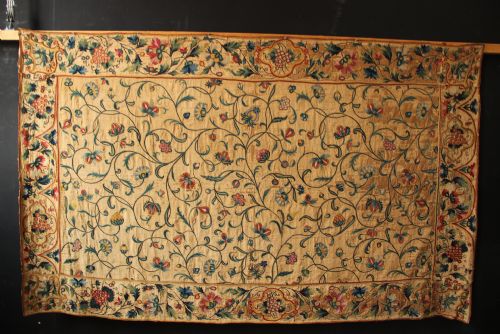
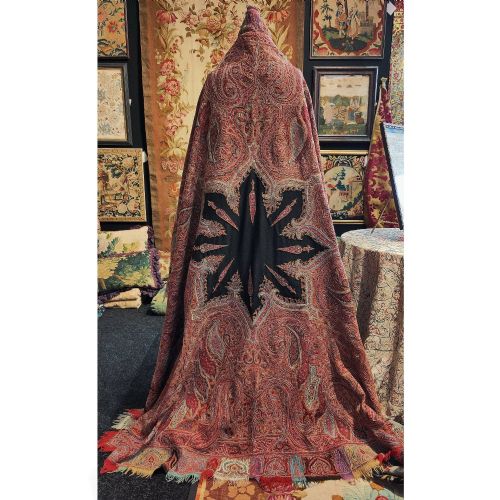
When you search for a hand embroidered wool hanging, you encounter a diverse group of textiles spanning English panels and Central Asian tribal works. The selection encompasses seventeenth-century English crewelwork, nineteenth-century Kashmiri shawls, and nomadic pieces from Uzbekistan and Kyrgyzstan.
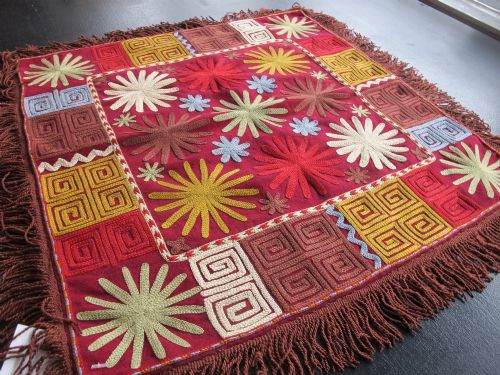
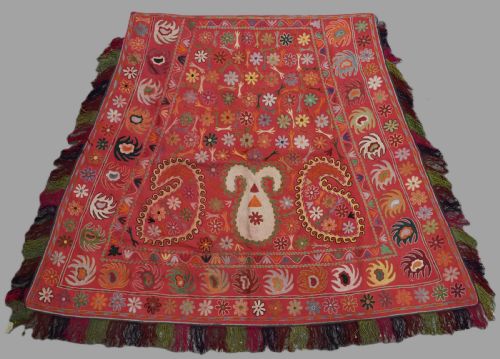
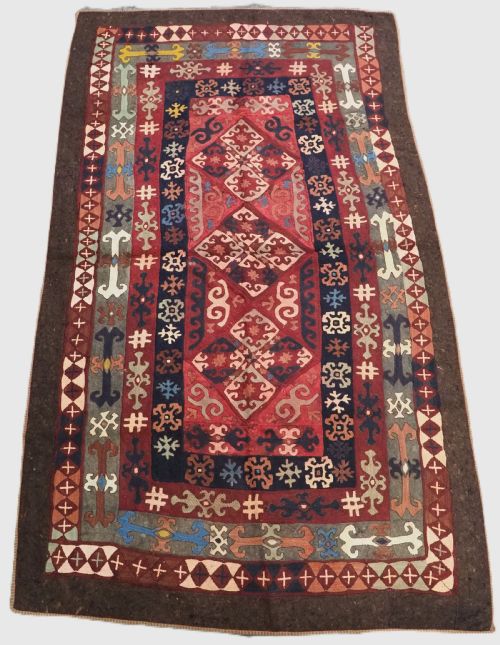
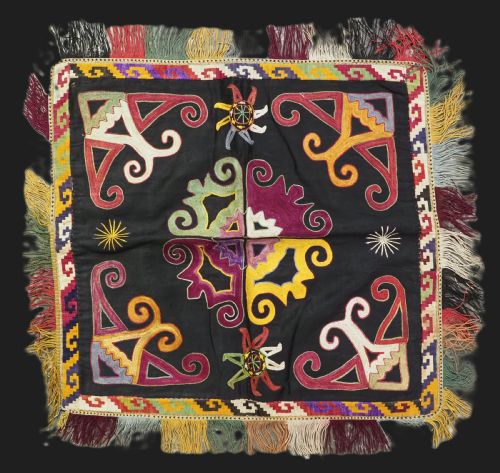
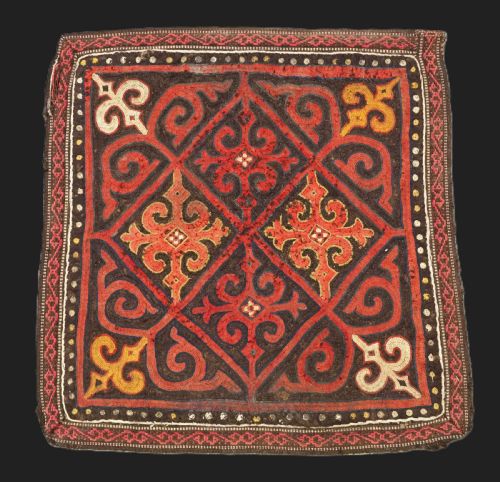
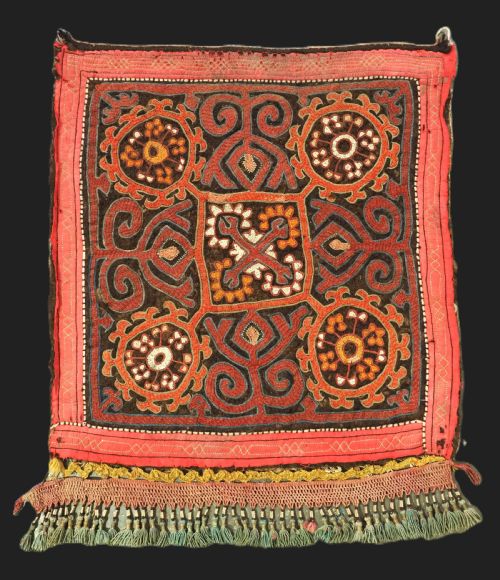
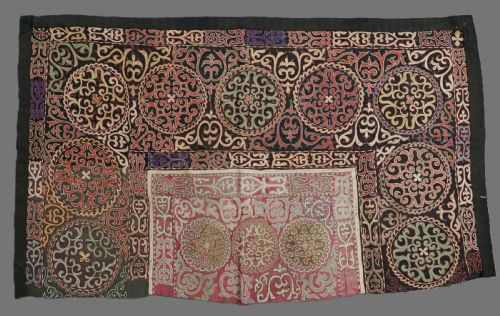
The most frequent examples on this page are Central Asian tribal and nomadic pieces, including Lakai embroideries, Ilgich dowry panels, felt rugs, and Kyrgyz Tush Kyiz yurt wall hangings. These items reflect the domestic and nomadic traditions of their makers, often utilising wool grounds decorated with diverse stitching.
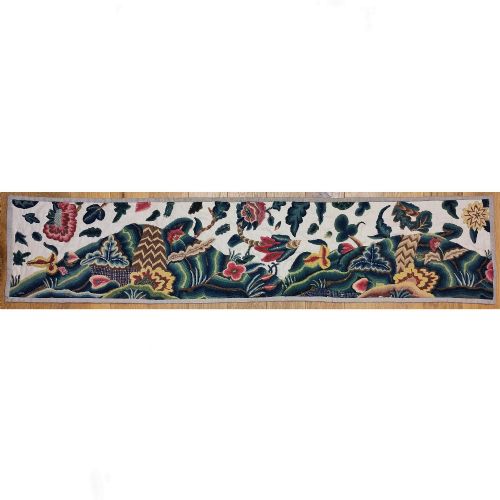
English examples appear in the form of crewelwork wall hangings, carpets, and bell pulls incorporating silk and glass beads on linen or wool. Alongside these sit Kashmiri chain stitch rugs and square shawls, offering a different botanical and geometric vocabulary.
How they were made
The construction relies heavily on wool, cotton, silk, and felt substrates, often worked with fine wool or silk threads using various stitch techniques. Central Asian pieces frequently feature dense embroidery on wool or felt grounds, sometimes augmented with applied fringe or brass elements.
English crewelwork utilises wool embroidery on linen or wool grounds, creating textured patterns of foliage and figures. Kashmiri and Central Asian works employ chain stitch and surface embroidery traditions executed by hand across carpets, wall hangings, and horse covers.
Hand Embroidered Wool Hanging Retail Price Guide 2026
Typical asking prices for hand embroidered wool hanging among the pieces listed under this phrase on Sellingantiques today, from the lower quarter to the upper quarter. They describe what is for sale here now, not the wider market.
Several nomadic horse covers and saddle rugs now find themselves peacefully retired as vibrant wall art.
What varies in quality
The distinction between standard and superior pieces rests on the fineness of the needlework and the complexity of the design. Early English crewelwork displays meticulous control of wool threads, while finer Central Asian Suzanis and Lakai pieces demonstrate dense, precise embroidery execution.
Material selection also dictates standing, with some works incorporating silk on wool grounds, glass beads, or brass details that elevate the piece. The integrity of the ground fabric and the preservation of the original fringe or borders further distinguish finer examples.
The Hand Embroidered Wool Hanging Glossary
- Crewelwork
- A traditional form of embroidery utilising wool yarn on linen or wool twill grounds. It typically depicts scrolling floral and botanical motifs.
- Suzani
- A type of embroidered tribal textile from Central Asia, usually worked in silk or wool on a cotton or wool ground. They were traditionally made by brides as part of their dowry.
- Ilgich
- A specific form of Central Asian dowry embroidery used for wall hanging. These pieces originate primarily from Lakai Uzbek communities.
- Chain Stitch
- An embroidery technique where loops of thread are chained together in a series. It forms the primary method for Kashmiri rugs and certain Central Asian panels.
Hand Embroidered Wool Hanging: Frequently Asked Questions
What is a hand embroidered wool hanging?
A hand embroidered wool hanging is a textile wall decoration created using wool yarn or wool ground fabrics. These items range from historic English crewelwork panels to nomadic Central Asian tribal rugs and yurt decorations.
They serve primarily as decorative wall art, though some examples originated as horse covers, dowry items, or bell pulls before finding new life in domestic interiors.
How do I hang a textile panel?
Hanging a textile safely requires distributing the weight evenly across the piece without damaging the historic fibres. Methods often involve creating a custom fabric sleeve or mounting the textile onto a padded, fabric-covered board.
Direct pinning or nailing should be avoided, as this places undue stress on the wool ground and the surrounding embroidery stitches.
Where did Lakai embroideries originate?
Lakai embroideries originate from the Lakai Uzbek tribes of Central Asia, particularly regions such as Uzbekistan and Shakrisabz. These nomadic and semi-nomadic groups produced distinct tribal rugs, horse covers, and dowry hangings.
Their work is characterised by bold geometric forms, vibrant wool threads, and specific tribal motifs distinct from urban Suzanis.
How do I date an antique wool hanging?
Dating relies on examining the materials, dye types, stitching techniques, and regional styles present in the piece. Historic English crewelwork often exhibits seventeenth or eighteenth-century botanical iconography and specific linen twill grounds.
Central Asian felts and Lakai panels are typically attributed to the late nineteenth or early twentieth centuries based on traditional tribal patterns and material wear.