



Traditional Wool Wall Tapestry
A traditional wool wall tapestry brings warmth and tactile depth to a room, offering centuries of textile artistry from European chateaux to tribal workshops.
Traditional Wool Wall Tapestry
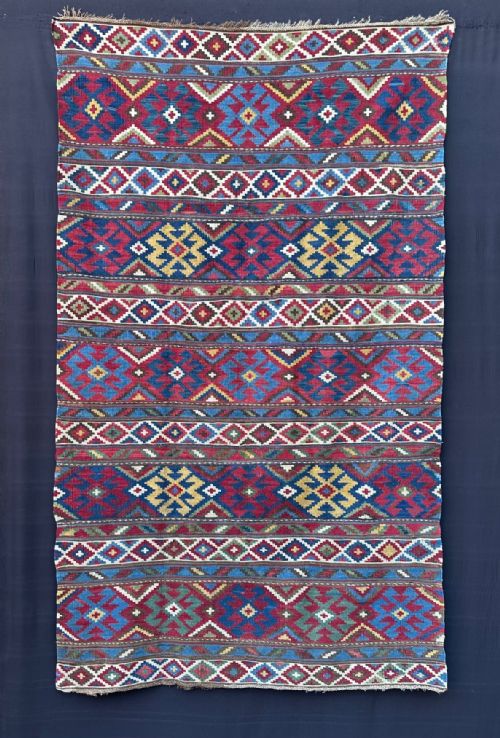
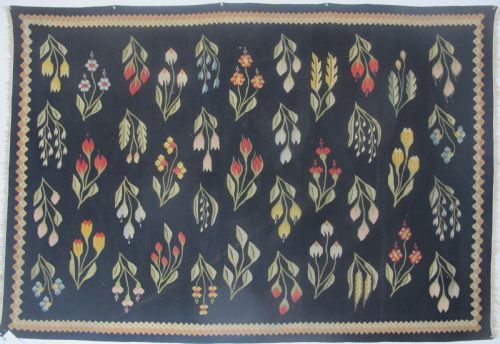
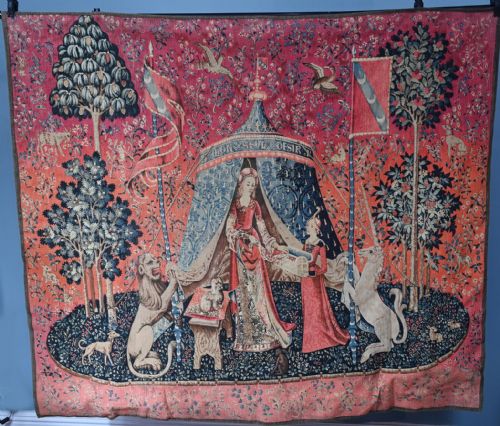
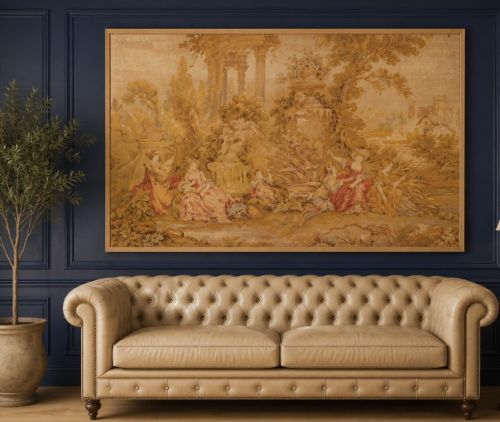
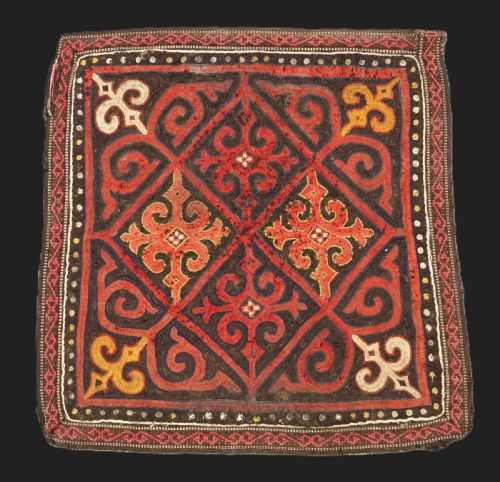
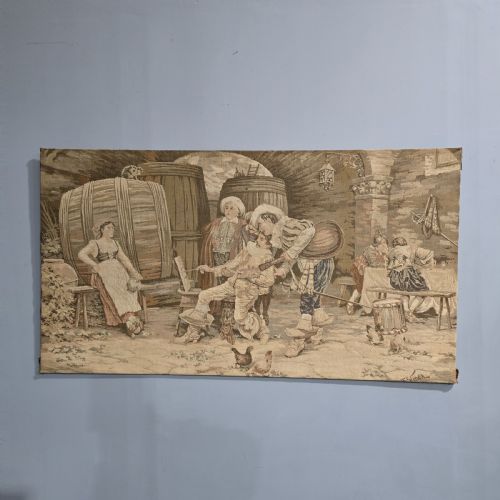
A traditional wool wall tapestry encompasses woven, embroidered, and needleworked textile panels designed specifically for display on interior walls. These pieces range from medieval-style French chateau wall coverings to tribal rugs and embroidered panels originating from the Caucasus, Central Asia, and Scandinavia.
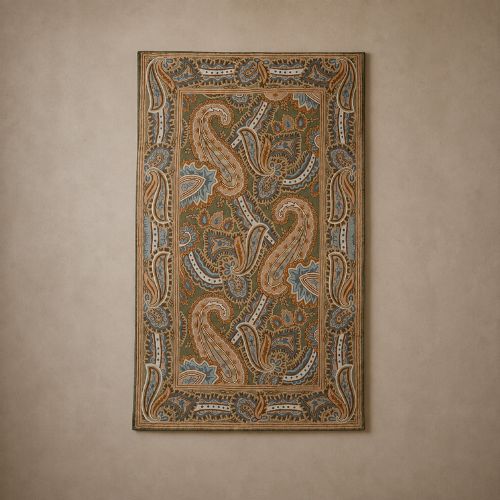
The selections available here lean heavily into historical European needlework, French floral and pictorial compositions, and regional folk art textiles. Pieces vary from framed wall panels and crewelwork hangings to repurposed saddle bags and nomadic fragments adapted for modern display.
Origins span across the sixteenth century up through the early twentieth century, drawing on diverse traditions including French Baroque, Jacobean Revival, and Caucasian tribal motifs. Buyers encounter both large-scale architectural wall coverings and smaller domestic embroideries.
How traditional wool wall tapestries were made
Makers utilised natural animal and plant fibres, predominantly working with wool, cotton, linen, and silk threads. These textiles frequently combine wool surface stitching or pile with supportive linen, cotton, or felt backings.
Construction techniques vary by region and period, encompassing crewelwork embroidery, flatweave sumac, needlepoint, and traditional loom weaving. Selected pieces incorporate timber frames or brass elements for structural support and hanging.
Nomadic and folk textile traditions relied on hand-spun wool and felt, whilst formal European workshops employed sophisticated weaving looms to produce dense pictorial surfaces with complex coloration.
Several panels double as nomadic luggage, proving that historical storage can easily become fine art.
What varies in quality
Quality rests upon the density of the weave or stitchwork and the precision with which the composition is executed. Finer examples display meticulous control over pictorial details, complex colour blending, and structural integrity.
The choice of materials and the complexity of the design dictate the artistic merit of the piece. Master workshops and skilled regional artisans achieved greater textural richness and harmonious palettes compared to standard domestic productions.
The Traditional Wool Wall Tapestry Glossary
- Crewelwork
- Embroidery executed with wool yarn on a linen or cotton ground. This technique creates raised, textured surfaces commonly found on historical wall hangings and floral panels.
- Sumac
- A flatweave technique originating in the Caucasus and Middle East that wraps supplementary decorative weft threads around the warp. It produces a sturdy structure with a textured, ribbed front face.
- Mille-fleurs
- A French term translating to a thousand flowers, describing a background composed of small distinct floral motifs. This style appears frequently in medieval and Renaissance tapestry designs.
- Rya
- A traditional Scandinavian piled textile technique that produces a thick, plush surface. These pieces were originally utilised for warmth before transitioning to decorative wall hangings.
- Chuval
- A large nomadic storage bag face produced by Turkmen tribes, often featuring distinctive guls. These panels are frequently preserved and mounted as decorative wall textiles.
Traditional Wool Wall Tapestry: Frequently Asked Questions
How do I hang a heavy wool tapestry?
Heavy textile panels require even weight distribution to prevent distortion along the upper edge. A professional conservator typically attaches a fabric sleeve to the reverse, allowing a timber batten or metal rod to slide through and mount securely to the wall.
Smaller framed panels or mounted needleworks utilise traditional picture hanging hardware fixed directly to timber frames or rigid backing boards. Ensure the mounting method supports the full vertical weight without pinching or pulling individual wool threads.
How should I clean a historic wall textile?
Routine maintenance involves gentle surface dusting using a soft brush or low-suction vacuum applied through a protective mesh screen. Avoid vigorous shaking or beating, which can snap aged wool fibres and weaken structural foundations.
Wet cleaning or chemical treatments require professional textile conservators who understand historical dyes and delicate natural fibres. Improper washing causes shrinkage, dye migration, and irreversible damage to the textile structure.
How do I distinguish regional tribal styles?
Regional attribution relies upon examining characteristic motifs, colour palettes, and structural weaves unique to specific weaving groups. Caucasian and Turkmen pieces often feature geometric guls and tribal symbols, whereas Scandinavian and Eastern European examples display folk floral patterns.
Comparing border designs, knotting density, and fibre preparation helps identify whether a textile originates from Central Asia, the Caucasus, or rural Europe. Reference literature covering specific tribal traditions provides detailed comparative analysis.
Can I display these textiles in direct sunlight?
Direct sunlight causes natural wool and silk dyes to fade significantly over time, altering the intended colour balance of the piece. Position wall hangings away from south-facing windows or install UV-filtering window film to protect the fibres.
Rotating pieces and maintaining stable indoor humidity levels further safeguards ancient textiles from environmental degradation and colour loss.