


Beige Floral Tapestry
These beige floral tapestry pieces bring historic textile richness and botanical patterns into modern rooms.
Beige Floral Tapestry
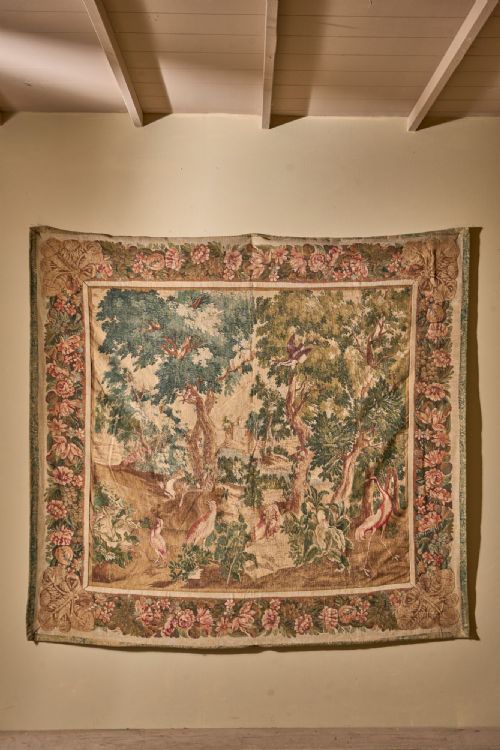
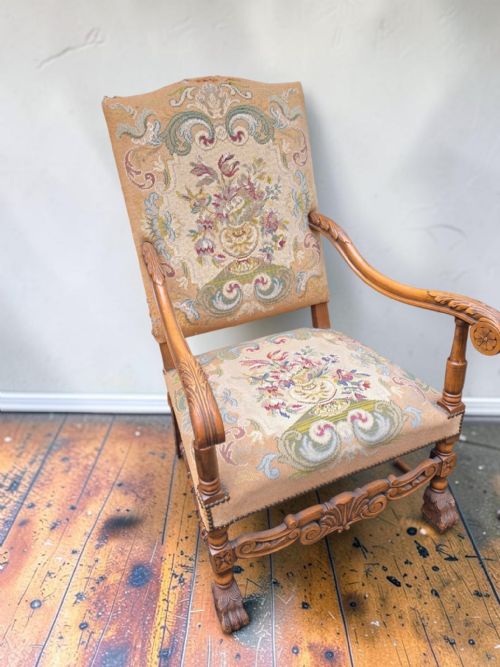
When searching for a beige floral tapestry, buyers encounter a diverse selection of woven textiles, cushions, and upholstered seating spanning the nineteenth and early twentieth centuries. The assortment includes wall-hung panels, French Aubusson weaves, armchairs, and decorative cushions that utilise neutral tones and botanical motifs.
The objects originate from various periods including Victorian, Georgian, and early twentieth century workshops, reflecting French Chateau, English Country House, and Central Asian traditions. Wall tapestries, long panels, and entre-fenêtre pieces dominate the larger textile formats, while seating options range from barrel-backed armchairs to Knowle sofas.
Buyers frequently meet pieces created in France, England, and Central Asia, showcasing distinct regional approaches to floral design. Whether selecting a framed silkwork panel, a large hanging, or smaller decorative cushions, each item brings historical textile artistry into domestic spaces.
Materials and construction
The construction of these items relies heavily on natural textile fibres, with wool, cotton, silk, linen, and traditional needlework featuring prominently across the listings. Artisans worked these materials into complex woven structures and embroidered surfaces, often mounting textiles onto timber frames such as walnut or giltwood for structural support.
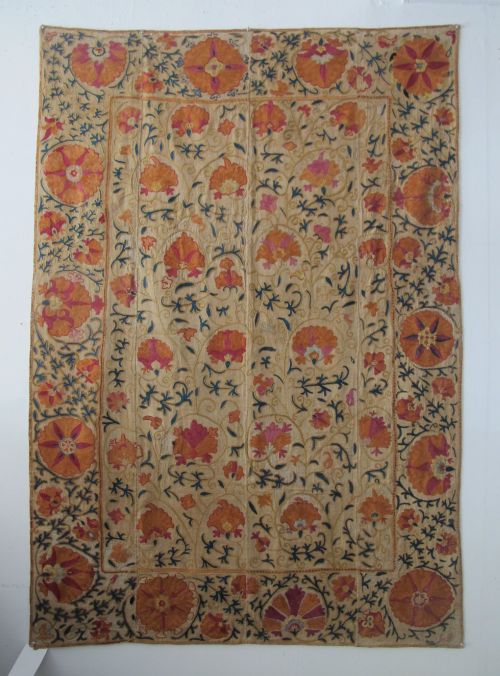
Weaving techniques vary from traditional French Aubusson looms producing pictorial wall panels and cushion covers to intricate silk embroidery seen in Central Asian suzanis. Structural elements utilise timber for chairs and sofas, combining upholstery textiles with solid wood frames to create durable functional furniture.
Several cushions have survived in quadruplets, proving that historic sitting rooms took matching comfort very seriously indeed.
Assessing quality
Quality in these textiles depends on the density of the weave, the complexity of the botanical design, and the integrity of the natural fibres. Finer examples display precise execution in silk or wool, maintaining structural stability across large proportions whether hung as wall art or applied to seating.
The refinement of the wooden frames supporting upholstered pieces, such as walnut armchairs or carved giltwood structures, also separates standard items from superior examples. Preserved detail in needlework and embroidery indicates the skill of the original maker and the longevity of the materials used.
The Beige Floral Tapestry Glossary
- Aubusson
- A traditional style of French tapestry woven without a warp-threads backing, originating from the town of Aubusson. These pieces often depict pastoral or floral scenes.
- Suzani
- A type of embroidered tribal textile originating from Central Asia, typically featuring bold floral patterns worked in silk on a cotton or linen ground.
- Entre-fenêtre
- A tall, narrow tapestry specifically designed to hang on the wall space between two windows. These panels maximise vertical decorative potential in period rooms.
- Prie Dieu
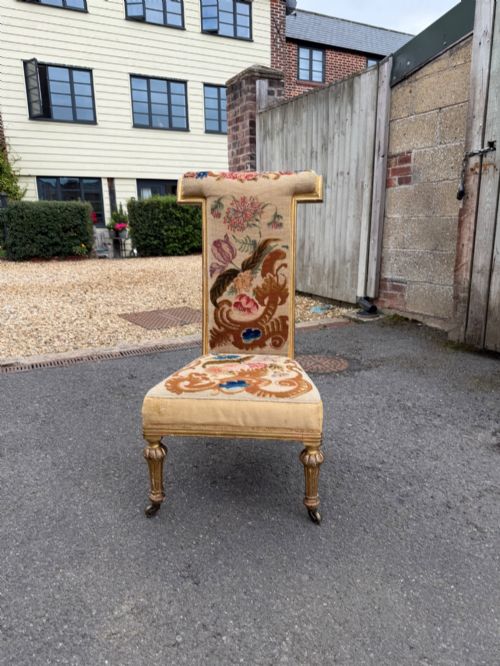
- A small devotional prayer desk, frequently accompanied by upholstered kneeling surfaces and armrests matching the period textile style.
- Needlework
- Hand-stitched textile art created using yarn or thread on a canvas or linen mesh ground, encompassing samplers and large wall hangings.
Beige Floral Tapestry: Frequently Asked Questions
How do I hang a large wall tapestry?
Large wall tapestries require even weight distribution across the top edge to prevent distortion of the woven fabric. A concealed timber batten or specialised Velcro mounting system is commonly utilised by collectors.
Ensure the display wall avoids direct sunlight to protect wool, silk, and cotton fibres from fading over time.
How are antique textile cushions cleaned?
Antique cushions demand gentle surface maintenance rather than immersion washing to preserve delicate wool and silk threads. Professional textile conservators should handle deep cleaning requirements.
Regular light vacuuming through a protective mesh screen helps remove dust without disturbing the historic fibres.
What is the difference between an Aubusson and a suzani?
Aubusson pieces are woven tapestries originating from France, typically depicting classical floral or architectural scenes in muted tones. Suzanis are embroidered textiles from Central Asia created with vibrant silk needlework on cotton grounds.
Both incorporate botanical motifs but employ entirely different creation techniques and regional aesthetics.
Can antique tapestries be used as floor rugs?
Woven panels designated specifically as rugs, such as antique Aubusson examples, endure foot traffic better than delicate wall hangings. Wall tapestries lack the sturdy backing structure required for floor placement.
Using a suitable underlay helps prevent slipping and reduces friction against the historic textile base.