




French Country Wall Hanging
These french country wall hanging pieces bring provincial warmth and rustic texture directly into domestic spaces.
French Country Wall Hanging
A french country wall hanging covers a diverse selection of decorative items designed to be mounted on interior walls, ranging from woven textiles to wooden storage fixtures. The pieces span periods from the eighteenth century through to the nineteenth century, reflecting regional domestic traditions across France.
Buyers will most frequently encounter textile panels, tapestries, and wooden shelving units on this page. These objects capture distinct stylistic influences including French Provincial, French Chateau, and French Baroque.
Common forms include fabric wall hangings, needlework panels, open display shelves, corner cupboards, and hanging cabinets. Each object offers a functional or decorative addition to domestic wall spaces using traditional materials.
How they were made
Makers utilised a variety of natural timbers such as oak, fruitwood, pine, cherry wood, and walnut to construct sturdy wall shelves, cabinets, and bread cages. These wooden frames often feature carved details, turned finials, or fret cut designs.
Textile pieces rely on skilled needlework, wool, cotton, silk, and linen to create detailed tapestries and wall panels. Artisans also incorporated materials like brass, glass, and painted finishes to complete mirrors and decorative chargers.
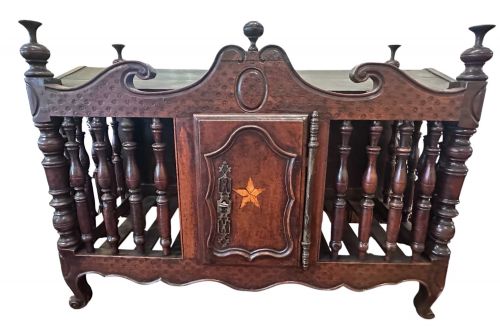
Several pieces feature carved wooden bread cages designed to keep loaves away from hungry household animals.
What varies in quality
The standard of a french country wall hanging depends on the fineness of the materials and the complexity of the execution. Hand-carved wooden details and intricate needlework in wool or silk represent superior craftsmanship compared to simpler, plain constructions.
Preservation of original surfaces also distinguishes individual pieces. Items retaining their early patinated timber, original paintwork, or well-preserved textile dyes command greater appreciation among collectors.
The French Country Wall Hanging Glossary
- Panetiere
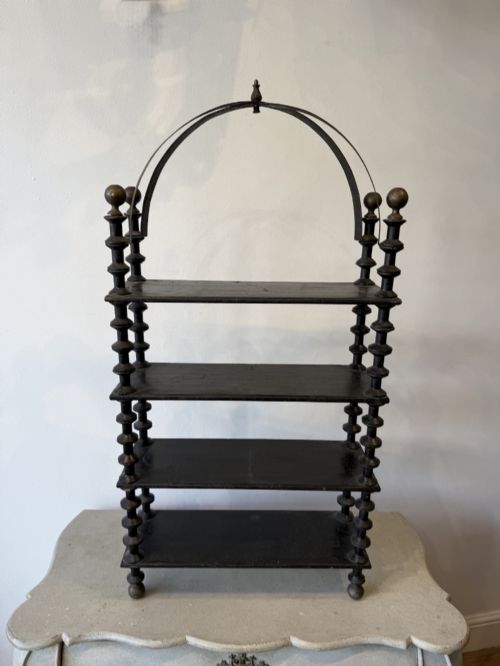
- A traditional wooden bread cage or wall hanging cabinet designed to store bread securely away from household pests. These pieces often feature turned spindles and carved wooden details.
- Aubusson
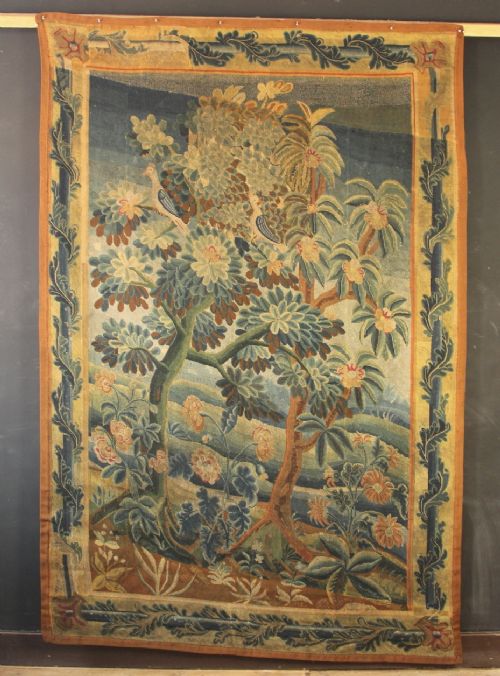
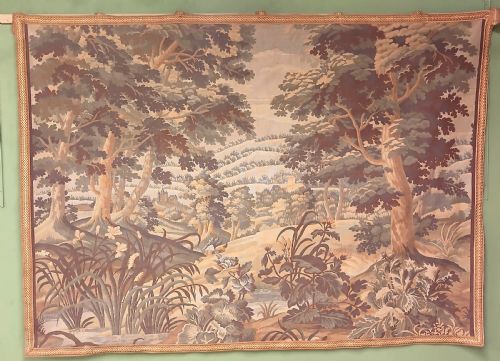
- A style of tapestry woven in the French town of Aubusson, known for pastoral scenes and floral designs. These textiles frequently utilise wool and silk yarns.
- Faience
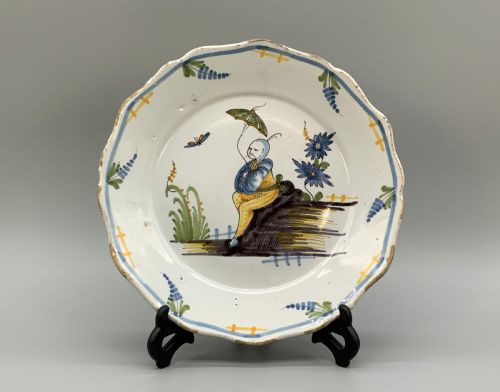
- Tinned-glazed earthenware produced in France, often featuring hand-painted decorations in manganese, yellow, or blue. These ceramic items appear in decorative plates and charger dishes.
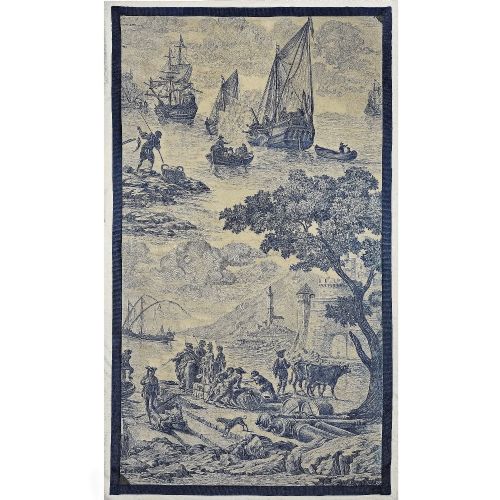
- Toile
- A woven cotton or linen fabric featuring printed pastoral or floral scenes in a single colour. Panels of this textile are frequently mounted as wall hangings.
- Bobbin
- A style of turned furniture decoration utilising rounded, spool-like shapes along the upright supports. This technique appears on specific wooden wall shelves.
French Country Wall Hanging: Frequently Asked Questions
How do I hang a heavy wooden cabinet?
Wall-mounted wooden cabinets and panetieres require secure fixing directly into solid masonry or substantial wall studs using appropriate load-bearing brackets. The weight of dense timbers like oak and walnut demands professional installation.
Ensure the mounting hardware matches the specific weight distribution of the cabinet or shelf to prevent structural strain on the antique timber over time.
How should I clean an antique textile panel?
Antique tapestries and needlework panels require gentle care to protect fragile wool, silk, and linen fibres. Professional textile conservation cleaning is recommended for accumulated dust or staining.
Avoid direct sunlight when displaying fabric panels to prevent fading of the natural dyes used in eighteenth-century and nineteenth-century pieces.
What is the difference between a panetiere and a wall shelf?
A panetiere is a specialised enclosed wooden cage specifically designed for storing bread, traditionally featuring ventilated spindle sides and a door. Wall shelves are open or glazed structures intended for displaying ceramics, books, or decorative objects.
Both serve as functional wall-mounted storage but fulfil different domestic purposes within French provincial interiors.
Are these pieces from the eighteenth century?
The selection includes items originating from various periods, with specific examples dated to the eighteenth century alongside nineteenth-century productions. Examining construction techniques, timber types, and textile weaves helps identify the era.
Styles such as French Baroque, Rococo, and Provincial provide further clues regarding the historical context of each piece.
Can I use these mirrors in a bathroom?
Antique mirrors, including those with faux bamboo or carved wooden frames, require protection from excessive moisture and humidity. Placing them in damp environments like bathrooms can damage the wooden structure and the original mirror glass.
Displaying these mirrors in dry living areas, hallways, or bedrooms preserves their nineteenth-century materials.