
Antique Style Tapestry
These antique style tapestry pieces bring historic woven texture and revived revival frames into domestic rooms.
Antique Style Tapestry
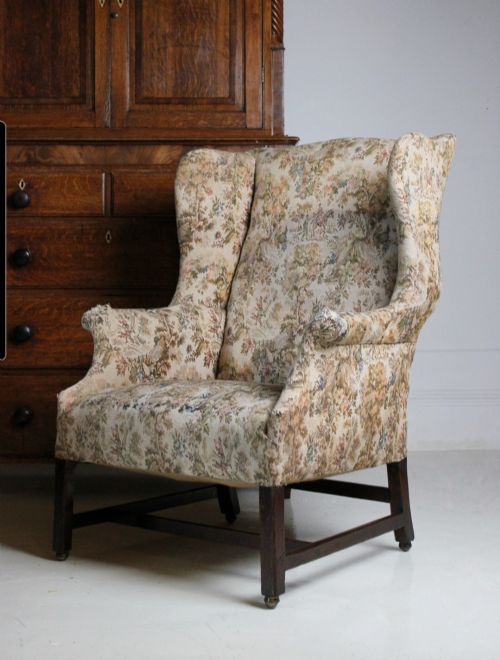
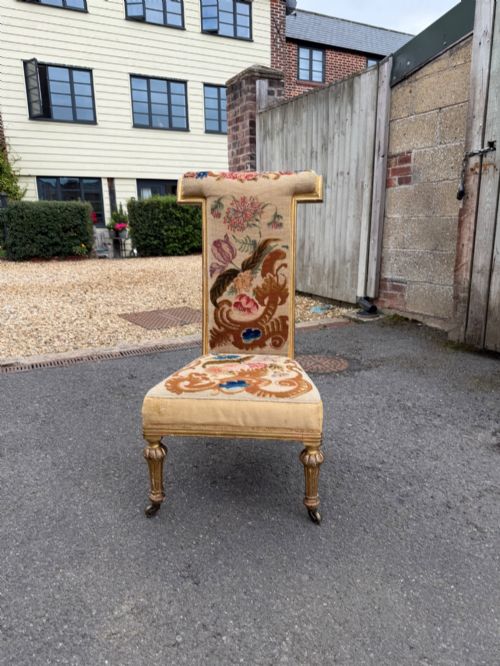
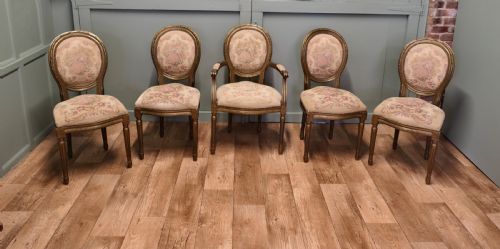
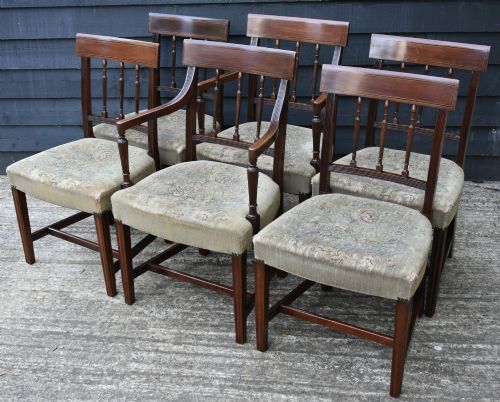
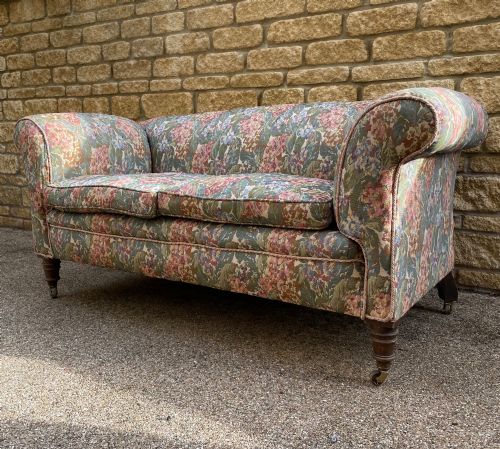
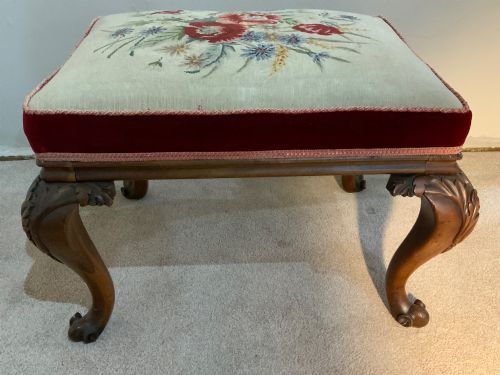
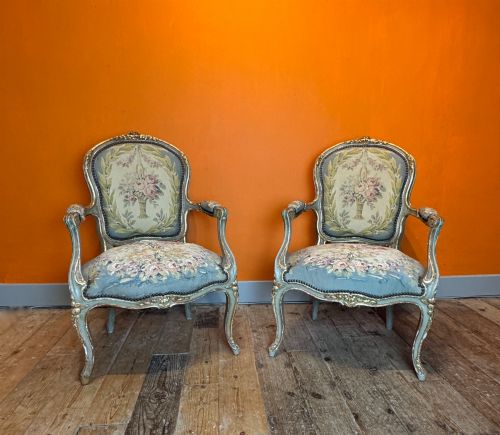
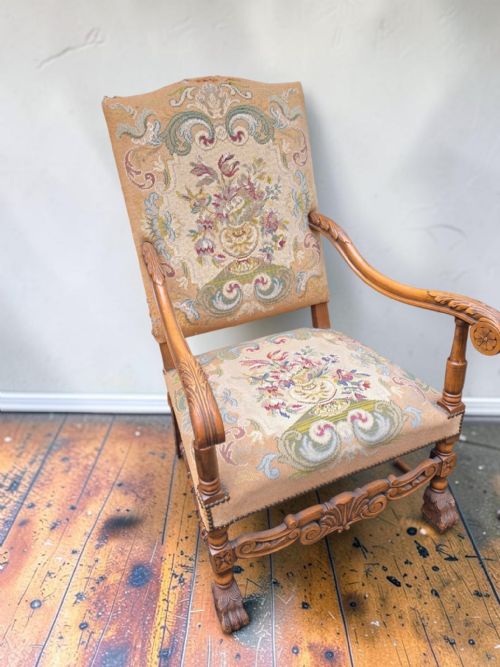
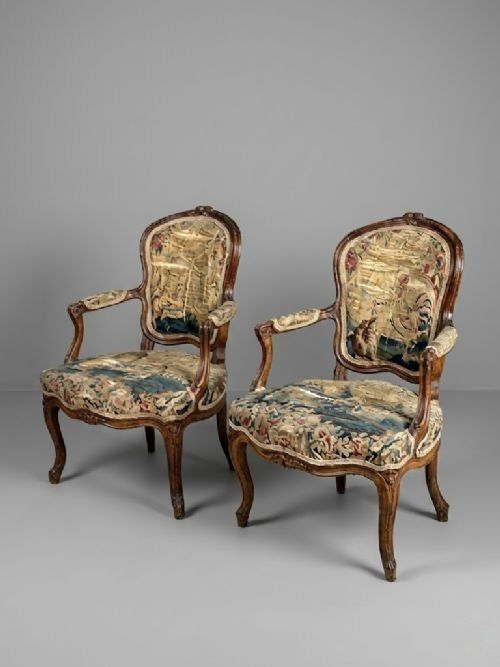
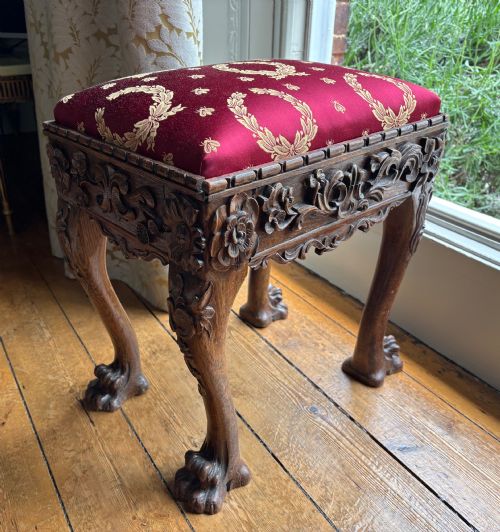
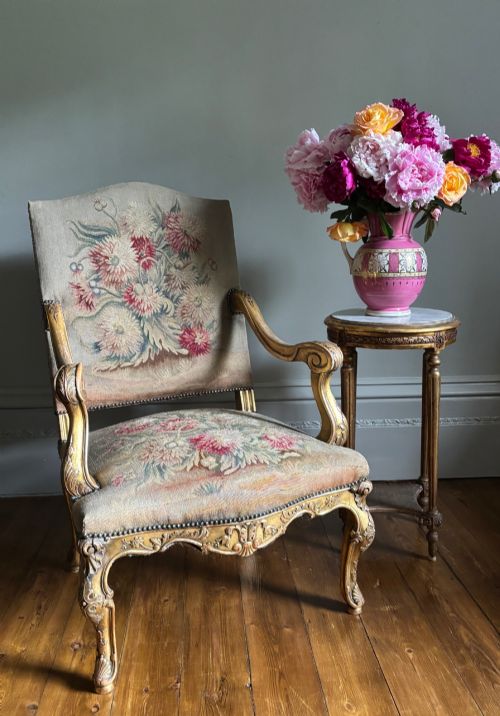
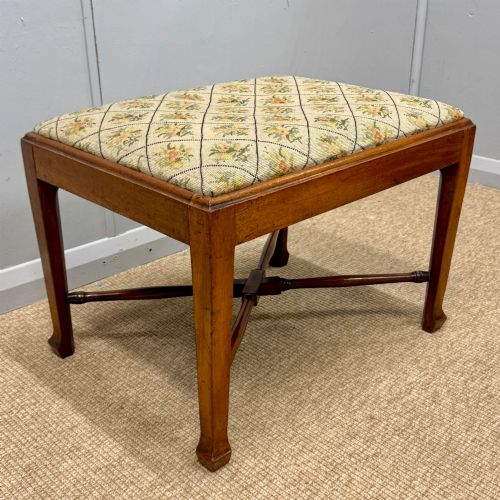
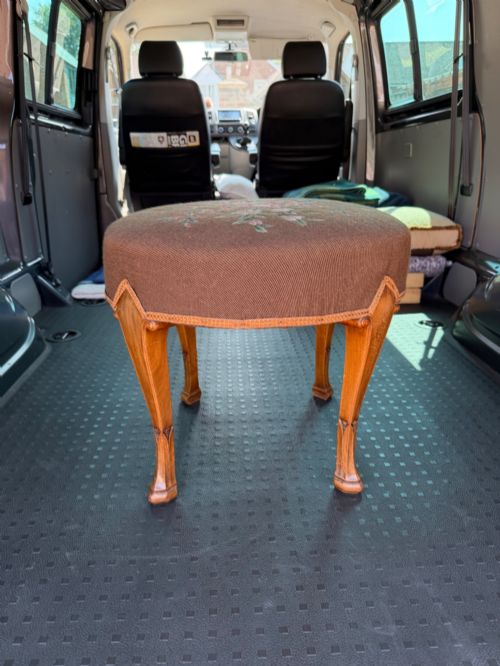
When searching for antique style tapestry, buyers encounter upholstered seating and wall textiles originating from periods spanning the eighteenth, nineteenth, and early twentieth centuries. Armchairs, dining chairs, and footstools frequently carry woven or needlework textile coverings across various revival styles.
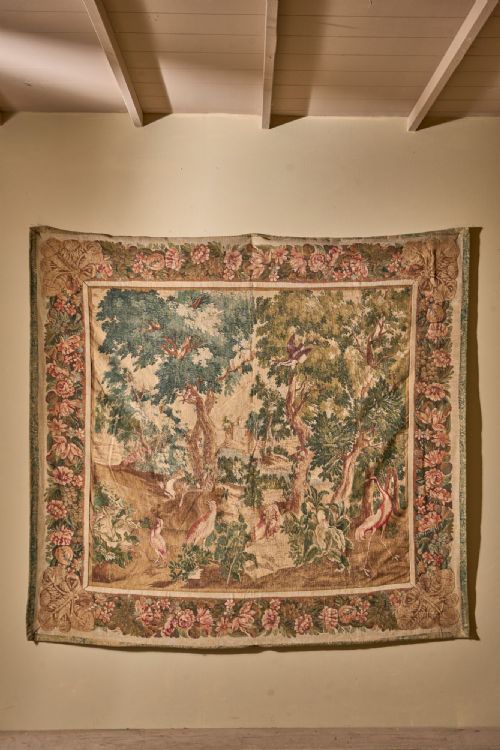
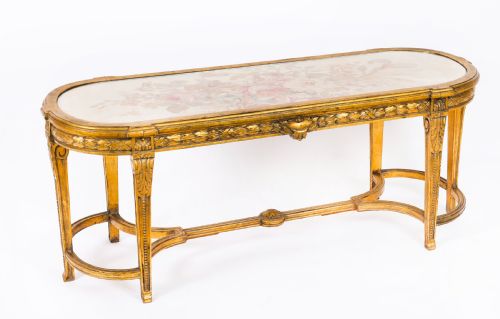
Wall hangings, fire screens, and framed panels also appear, often echoing medieval, Flemish, or French chateau designs. The selection brings together substantial wooden frames in walnut, mahogany, and giltwood with patterned textile upholstery.
How they were made
Makers utilised solid timbers such as walnut, mahogany, rosewood, and beech to construct structural frames, applying carving, painting, or parcel gilding. These wooden skeletons support textile components woven or embroidered from wool, silk, cotton, and fabric.
Upholstered seating incorporates woven tapestry panels or crewelwork embroidery fixed to frames shaped in revival styles like Louis XV, Chippendale, and Jacobean. Wall coverings employ dense weaving techniques reminiscent of historical Flemish and Aubusson workshops.
Unicorns and medieval ladies gaze steadily from centuries-old woven wool walls.
What varies in quality
The degree of refinement in the carved woodwork distinguishes different examples, ranging from simple turned legs to elaborately carved giltwood frames. Denser timber selection and robust joinery indicate superior craftsmanship in chairs, stools, and tables.
Textile quality depends on the intricacy of the weave and the variety of fibres employed, such as silk or fine wool. Hand-worked needlework and well-preserved woven panels retain sharper detail and superior visual depth than simpler fabrics.
The Antique Style Tapestry Glossary
- Aubusson
- A style of woven tapestry or carpet originating from the French town of Aubusson, frequently featuring pastoral or floral scenes.
- Crewelwork
- A type of surface embroidery using wool yarn on a fabric ground, seen on wall hangings and decorative panels.
- Giltwood
- Wood that has been coated with a thin layer of gold leaf, often found on decorative frames and revival armchairs.
- Needlework
- Hand-stitched textile work using yarn or thread on an open-weave canvas, commonly utilised for chair seat upholstery.
Antique Style Tapestry: Frequently Asked Questions
How do I clean antique tapestry upholstery?
Gentle surface vacuuming through a protective mesh helps remove dust without disturbing delicate wool or silk threads.
Professional textile conservators should handle deeper cleaning to prevent moisture damage or shrinkage in older fibres.
Where were these tapestries made?
Many examples originate from French workshops following historical Aubusson or Louis XVI styles.
Other pieces reflect British revival designs rooted in Georgian, Chippendale, and Victorian furniture traditions.
Can I use these chairs daily?
Sturdy walnut and mahogany frames support regular seating provided the internal joints remain solid.
Fragile or historical textile covers benefit from careful use to preserve the woven surface over time.
How do I date an antique tapestry piece?
Examining the timber species, frame construction methods, and tool marks reveals the likely period of manufacture.
Stylistic cues such as revival motifs and needlework characteristics help narrow down the decade or century.