





Wool Aubusson Tapestry
Wool aubusson tapestry brings rich French pastoral and verdure scenes into a room through woven textiles.
Wool Aubusson Tapestry
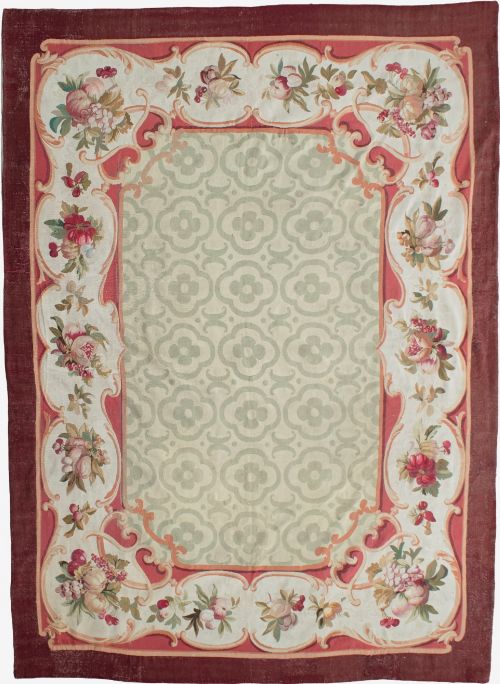
When you search for a wool aubusson tapestry, you encounter woven wall panels, cushions, and rugs originating from France. These pieces range from large framed panels and entre-fenêtre hangings to floor carpets and decorative cushions.
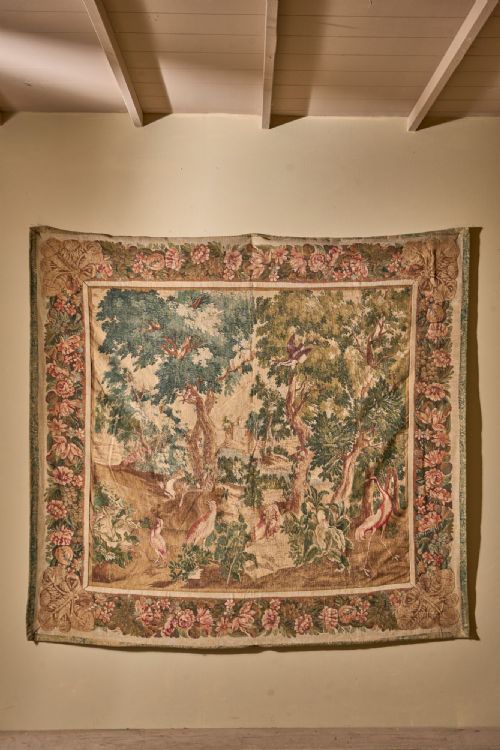
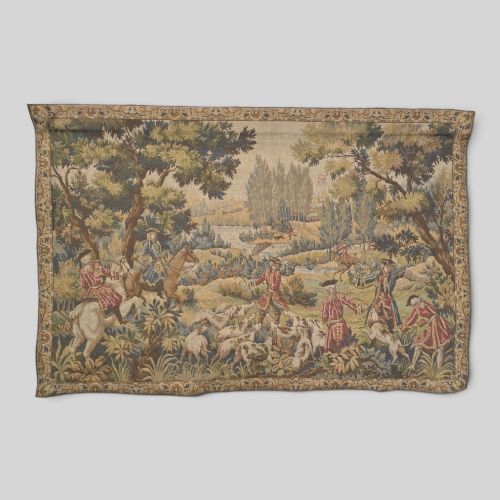
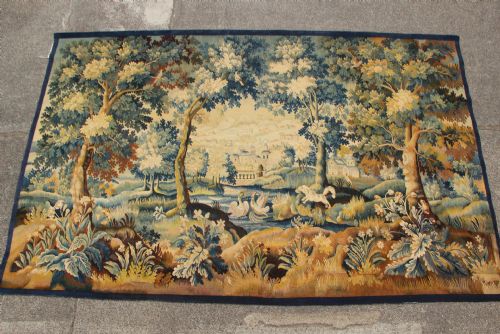
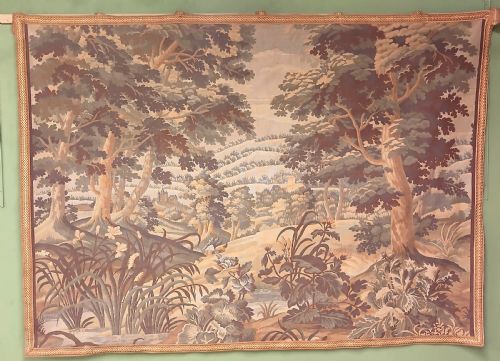
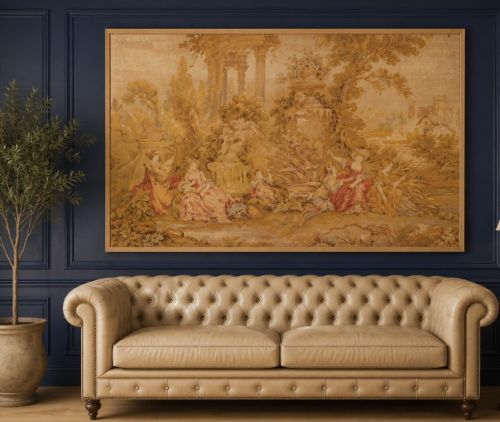
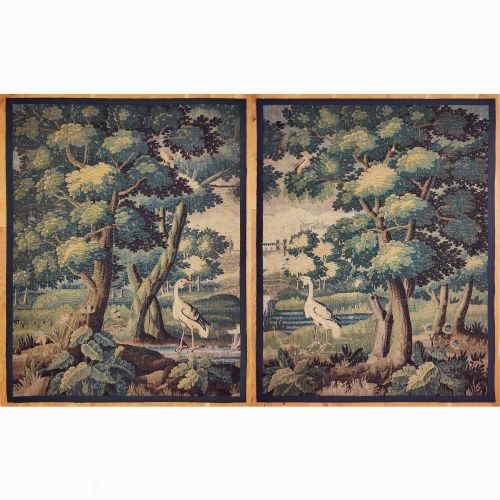
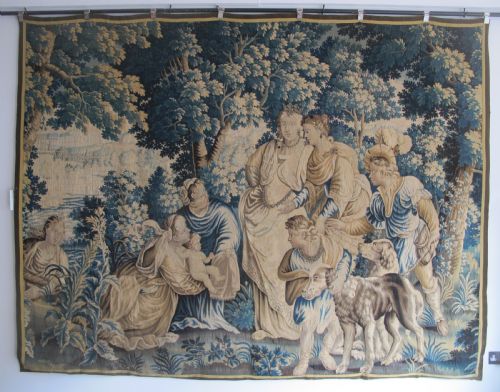
The pieces on this page appear in various forms, including pastoral scenes, biblical subjects, and verdure designs featuring foliage and trees. You are most likely to meet 19th-century examples alongside earlier 17th- and 18th-century compositions.
Makers and weavers produced these textiles to ornament French chateaux and fine interiors in styles spanning French Baroque, Rococo, and Victorian. The surviving formats include both wall-mounted hangings and functional floor coverings.
Materials and Construction
These textiles rely principally on wool, often combined with silk, cotton, and linen threads to build intricate pictorial detail. Weavers constructed the panels using traditional looms before mounting many examples onto timber or wood frames, occasionally finishing edges with pasementerie.
The palette and texture derive from the interplay of dyed wool and supplementary fibres. Structural support comes from sturdy backing materials and wooden frameworks on framed panels.
Listings span periods from the 17th century through to 1920, incorporating wool, silk, cotton, and timber frames.
Assessing Quality
The visual strength of a wool aubusson tapestry depends on the complexity of its design, whether a dense verdure forest, a figural pastoral narrative, or a balanced floral arrangement. Finer examples display subtle tonal gradations in the wool and silk threads that give depth to foliage and figures.
The integrity of the weave and the preservation of the original textile fibres determine the overall standard of the piece. Framed panels maintained within timber structures often show different preservation levels compared to floor rugs or cushions subjected to daily wear.
The Wool Aubusson Tapestry Glossary
- Verdure tapestry
- A wall hanging or panel depicting a stylized forest, foliage, and woodland landscape. These scenes frequently include trees, plants, and occasional animals.
- Entre-fenetre
- A narrow vertical tapestry designed to hang on the wall space between windows. These panels match the proportions of tall architectural gaps.
- Pasementerie
- Decorative trimmings such as gimp, fringe, or braided cord applied to the edges of cushions and textile panels. This finishing element conceals seams and frames the textile.
- Aubusson
- A town in France renowned for its tradition of tapestry and carpet weaving. Pieces originating from this centre follow specific regional designs and weaving techniques.
- Pastoral tapestry
- A woven textile illustrating rural life, shepherds, and idyllic country scenes. These compositions reflect popular French decorative themes from the eighteenth century and later.
Wool Aubusson Tapestry: Frequently Asked Questions
How were wool aubusson tapestries used?
These textiles served primarily as wall hangings to insulate stone rooms and decorate French interiors. Smaller pieces functioned as floor rugs, carpets, or decorative cushion covers.
Larger panels hung in formal reception rooms and halls, while narrow entre-fenetre pieces decorated specific wall spaces between windows.
What is a verdure tapestry?
A verdure tapestry depicts a lush landscape dominated by trees, leaves, foliage, and plants. These designs often create a dense woodland atmosphere across the surface of the textile.
They appear frequently in 17th- and 18th-century French weaving traditions, bringing natural outdoor scenes into domestic interiors.
How do I care for a framed tapestry?
Framed wool panels require protection from direct sunlight to prevent the dyed wool and silk threads from fading. Keep them away from damp environments to protect the natural fibres and timber frames.
Dust the surface gently with a soft brush rather than using liquid cleaners or rigorous scrubbing.
Are these tapestries from France?
The pieces originate from Aubusson and other French workshops associated with traditional textile production. The designs reflect French aesthetic movements including Baroque, Rococo, and pastoral styles.
Production spans multiple centuries, with surviving examples recorded from the seventeenth century through to the early twentieth century.