
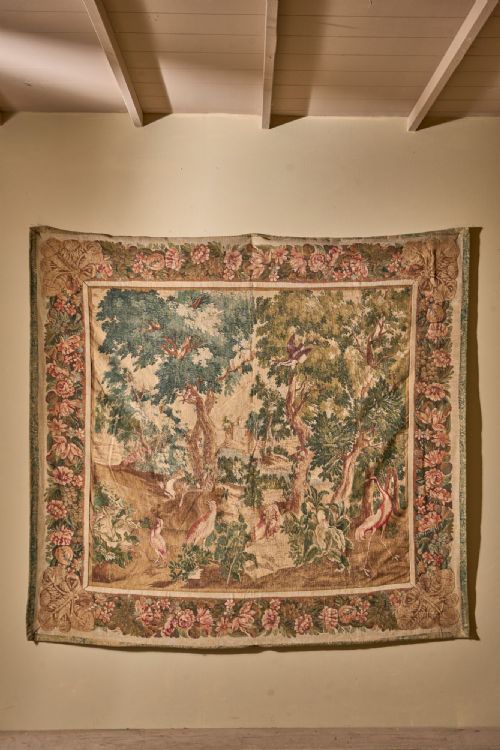
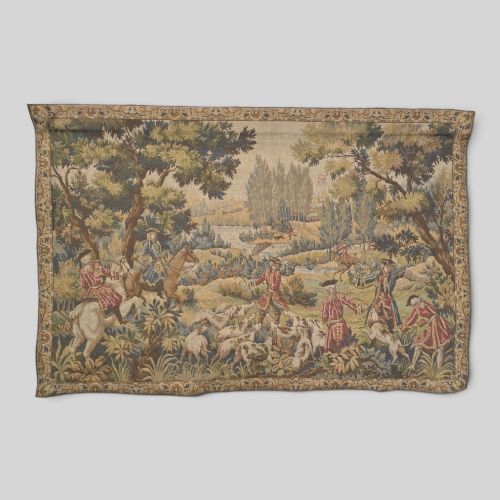
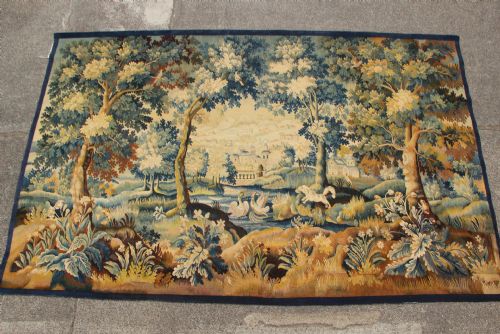
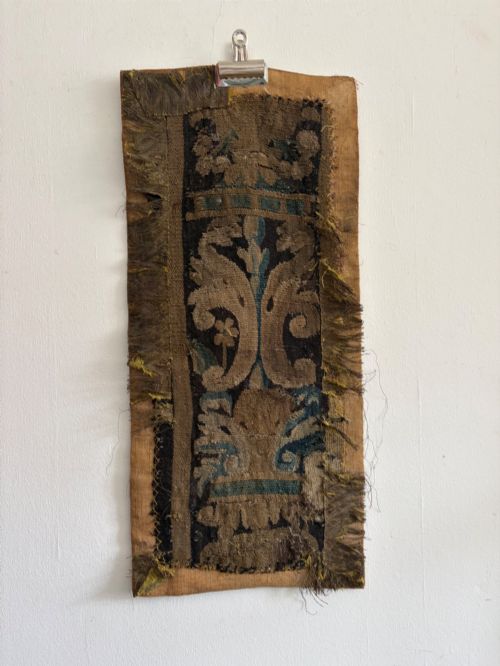


Vintage French Woven Tapestry
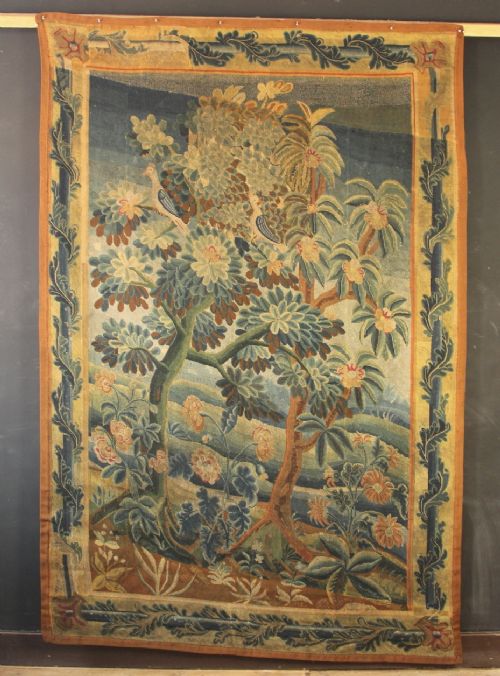
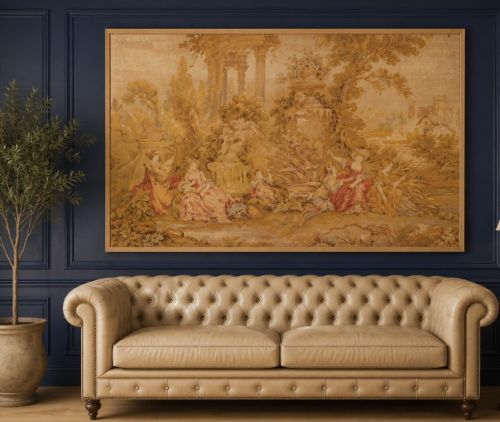
These vintage french woven tapestry pieces bring rich textile artistry into a room, offering historic scenes and verdure landscapes woven in wool, cotton, and silk.
Vintage French Woven Tapestry
When someone searches for a vintage french woven tapestry, they are looking at large wall hangings, framed panels, and floor coverings that reflect centuries of European textile traditions. The examples available here span from the seventeenth century through to the early twentieth century, capturing distinct periods of design.
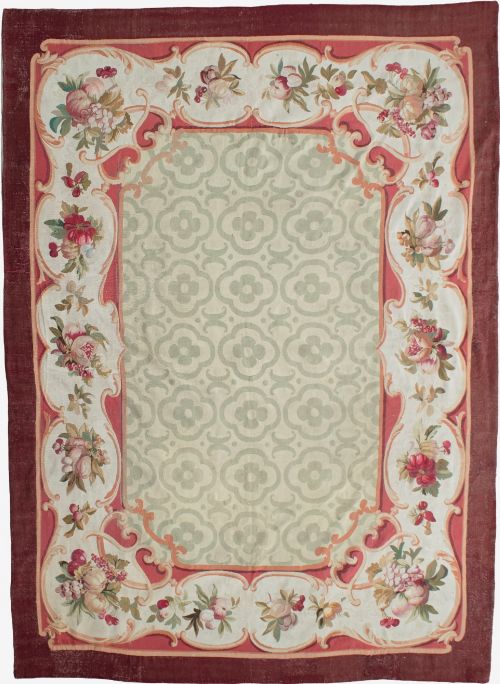
The most common forms you will encounter are grand wall hangings and Aubusson style rugs or carpets. These pieces range from substantial room-sized works down to smaller cushion covers and border fragments mounted on linen.
Origins heavily lean towards traditional French workshops, particularly Aubusson, alongside broader European interpretations. Buyers choose these textiles to introduce texture, heritage, and intricate pictorial depth into domestic interiors.
How they were made
These textiles rely principally on natural fibres including wool, cotton, silk, and linen thread. Weavers interlaced these materials to build up complex pictorial scenes, foliage, and geometric borders.
Many structural examples incorporate timber frames, wood backings, or brass mounts to support the weight of the fabric. Needlework techniques and specialised weaving methods define the construction of both large wall panels and smaller floor rugs.
Listings feature periods spanning from the seventeenth century through to 1940, utilising wool, cotton, silk, and linen.
What varies in quality
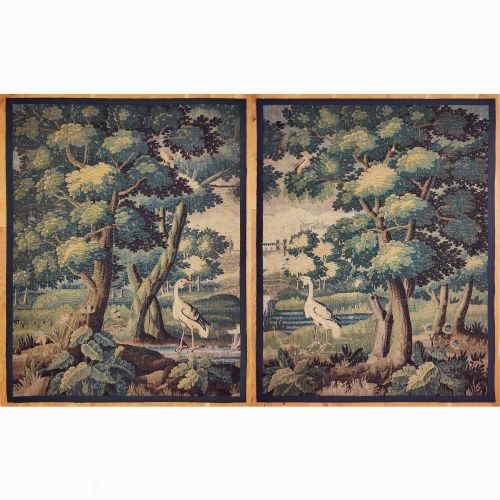
The distinction between ordinary and exceptional pieces rests on the fineness of the thread work and the complexity of the pictorial composition. Verdure landscapes with dense foliage and nuanced colour gradation demand greater skill from the weaver than repetitive geometric patterns.
Preservation of the original textile fibres significantly influences the standing of a piece. Intact borders, minimal intervention, and secure mounting to linen or wood frameworks preserve the integrity of these historic wall hangings.
The Vintage French Woven Tapestry Glossary
- Aubusson
- A traditional style of carpet and tapestry originating from the town of Aubusson in France. These works are renowned for their verdure designs and floral motifs.
- Verdure
- A style of tapestry featuring lush botanical landscapes, foliage, and trees, often populated by birds or distant chateaus. It represents a major category within historical French weaving.
- Needlework
- Hand-stitched textile art created using a needle and thread rather than a traditional loom. Many smaller panels and cushions utilise this method.
- Border Fragment
- A surviving section cut from a larger historical tapestry, frequently mounted to linen for display. These pieces isolate specific decorative motifs from grander compositions.
- Wall Hanging
- A large textile designed to be suspended from a wall for decoration and insulation. They serve as primary focal points in traditional interiors.
Vintage French Woven Tapestry: Frequently Asked Questions
How do I hang a heavy tapestry safely?
Large wall hangings require even weight distribution across a sturdy timber or brass support. Fastening the mounting system directly into wall studs ensures the textile remains secure without straining individual threads.
Lighter needlework panels and smaller framed pieces can often utilise standard picture hanging hardware rated for their specific weight.
Can I use these tapestries as floor rugs?
Only specific pieces designated as carpets or rugs in the evidence are suitable for floor placement. These heavier woven items withstand light foot traffic while retaining their historic patterns.
Wall tapestries and delicate needlework panels lack the structural backing needed for floors and must remain vertical.
How do I clean an antique French tapestry?
Historic textiles demand gentle maintenance, starting with very careful surface dusting using a soft brush. Professional textile conservators should handle any deeper cleaning to protect fragile silk and wool threads.
Water and standard household detergents cause irreversible shrinkage and dye bleeding in nineteenth-century and older pieces.
What rooms suit a verdure landscape tapestry?
Verdure landscapes with trees and foliage bring depth and natural warmth to living rooms, studies, and hallways. Their muted greens and earthy tones complement traditional timber furniture and architectural moulding.
Placing them away from direct sunlight protects the natural dyes from fading over time.