


Traditional Wooden Seat
A traditional wooden seat brings tangible craft and history into a room, offering enduring utility through centuries of domestic life.
Traditional Wooden Seat
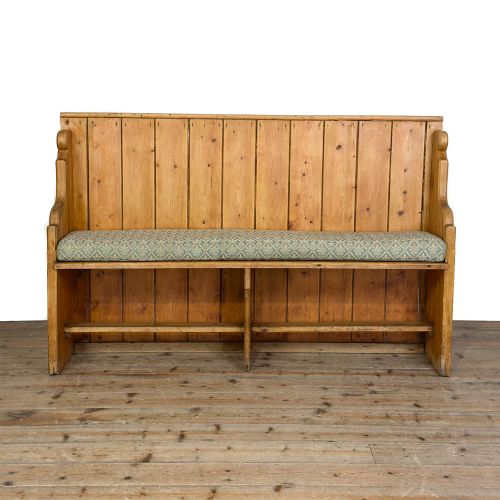
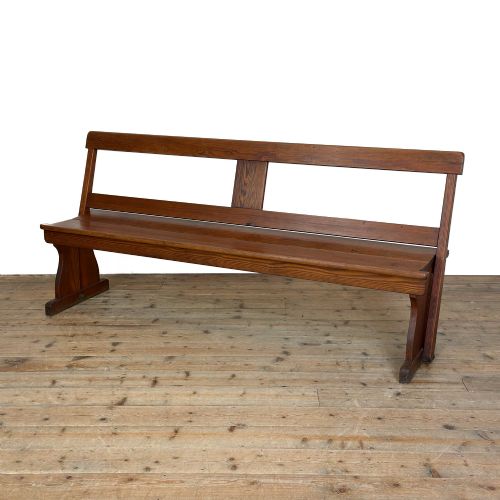
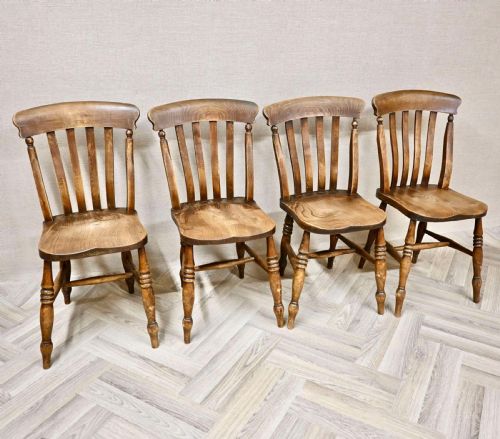
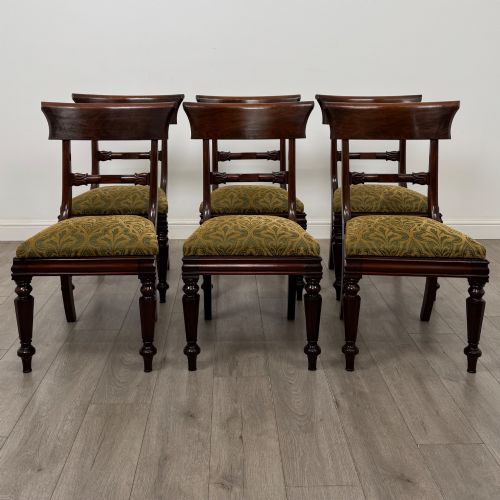
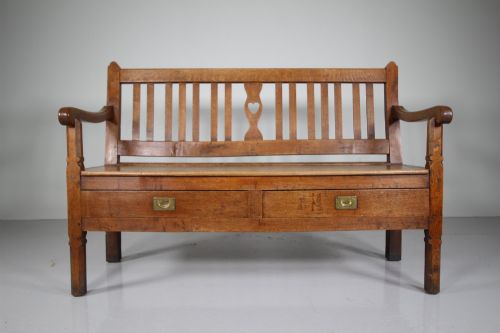
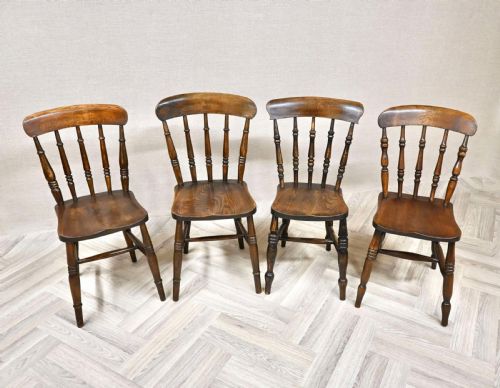
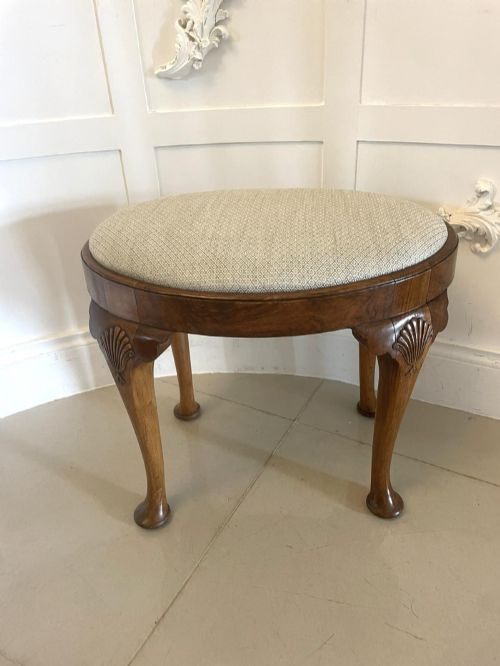
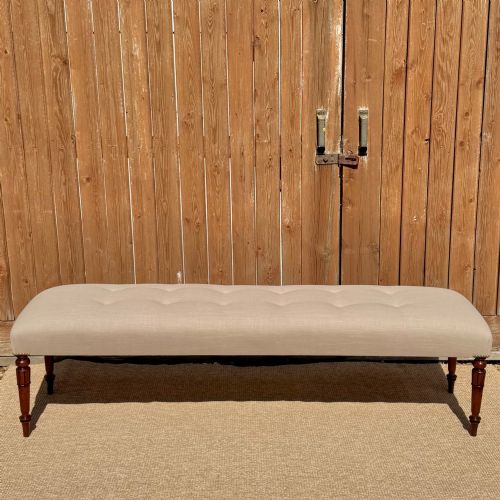
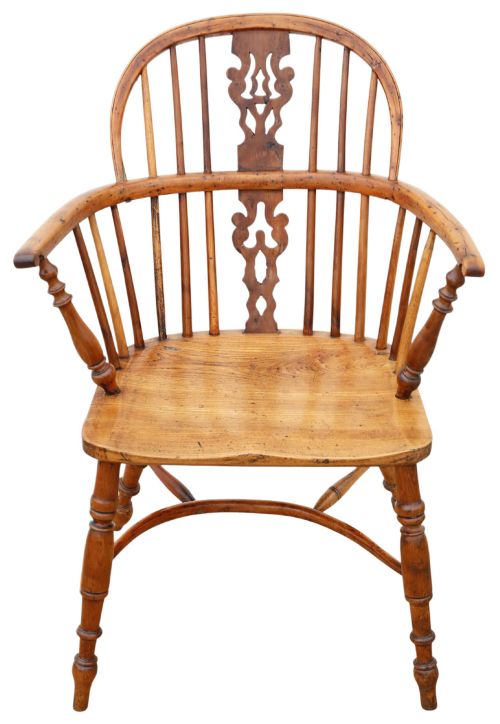
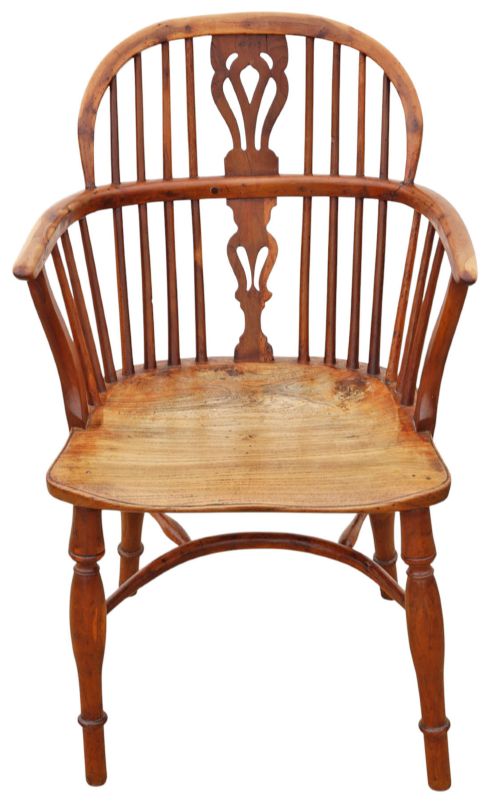
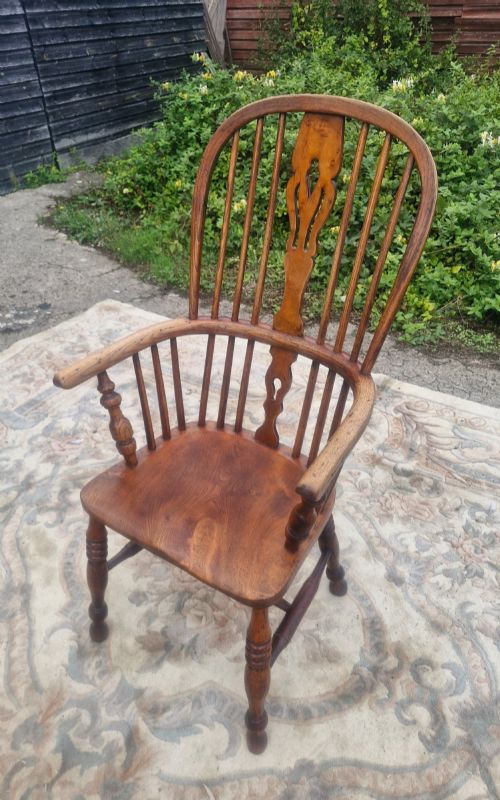
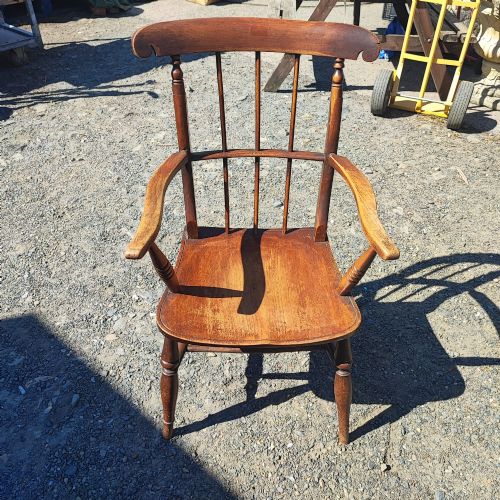
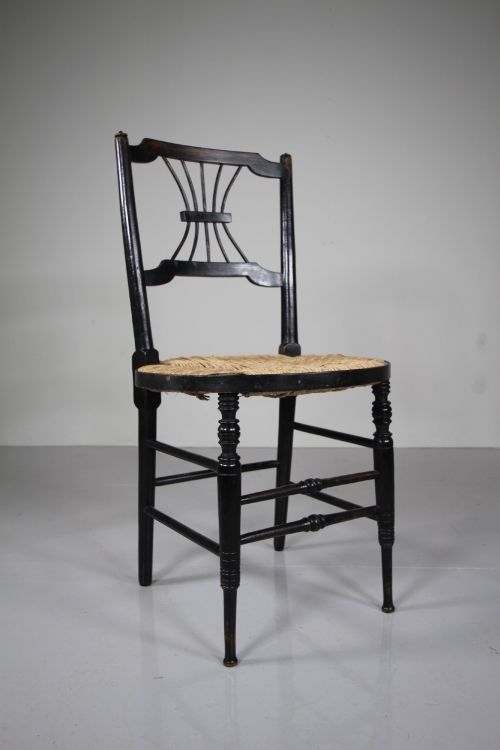
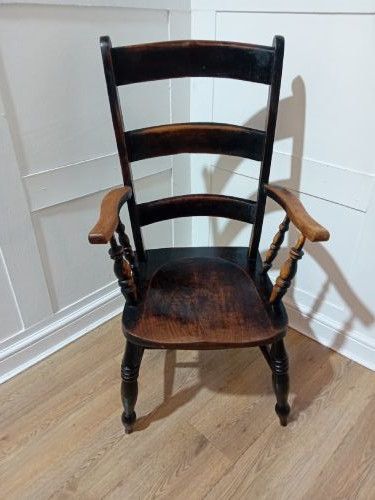
When searching for a traditional wooden seat, collectors encounter a diverse array of forms built for daily use across domestic and public spaces. The selection spans sturdy dining chairs, armchairs, benches, settles, stools, and window seats originating from the eighteenth, nineteenth, and early twentieth centuries.
Beyond standalone seating, the inventory encompasses formal dining sets in mahogany alongside rustic pine and oak benches designed for hallways, kitchens, and gardens. Each piece bears the distinct structural characteristics of its period, ranging from William IV bar backs to Arts and Crafts Windsor designs.
How they were made
Joinery and turning form the structural backbone of these traditional wooden seats, relying on solid timber frames assembled with traditional pegging and mortise and tenon joints. Makers utilised local hardwoods, pairing flexible timbers like ash for spindles with robust elements such as oak or mahogany for main supports.
The combination of woods frequently dictated the construction method, seen clearly in Windsor chairs that pair elm seats with ash or beech framing and yew bows. Surface finishes applied by hand, including original patinated varnish or polish, protect the timber while preserving the grain patterns developed over decades of use.
What varies in quality
The calibre of a traditional wooden seat rests on the integrity of its timber selection and the retention of its original structural components. Pieces retaining untouched surface patination and honest signs of age stand apart from examples altered by aggressive restoration or timber replacement.
Refinement in turning, such as the crispness of spindles and the balanced proportions of a comb-back or bar-back, distinguishes master vernacular work from utilitarian output. Furthermore, the harmonious integration of multiple wood species, like yew and elm in a single armchair, signals superior regional craftsmanship.
William Morris
The Traditional Wooden Seat Glossary
- Windsor chair
- A wooden chair constructed with a solid sculpted timber seat into which the legs and back spindles are directly joined. These chairs often incorporate bentwood bows and elbow supports.
- Settle
- A wooden bench featuring a high back designed to block draughts and enclosed armrests or storage compartments beneath the seat. They served as communal seating near hearths in country houses and taverns.
- Joint stool
- A sturdy, low wooden stool constructed with mortise and tenon joints fastened by wooden pegs rather than glue or metal nails. They date predominantly from the seventeenth and eighteenth centuries.
- Carver
- An armchair designed to match a set of smaller dining chairs, traditionally placed at the head of a dining table. They frequently feature open arms and substantial wooden supports.
- Bar back
- A chair design featuring a horizontal wooden splat shaped like the top rail of a horse harness across the backrest. This style appears frequently in dining chairs from the nineteenth century.
Traditional Wooden Seat: Frequently Asked Questions
What is a Windsor chair?
A Windsor chair is a traditional form defined by a solid wooden seat that directly receives the legs and back spindles. This design provides sturdy, lightweight construction through shaped components.
Craftsmen often combined timbers within a single chair, using elastic woods for bent parts and dense hardwoods for the seat itself.
How were settle benches used?
Settle benches served as heavy, immovable seating placed near fireplaces to shield occupants from cold draughts. Their high wooden backs and enclosed lower sections trapped heat.
Many examples incorporated integrated storage boxes beneath the seat lids, functioning as household chests in addition to seating.
How do I date a wooden chair?
Dating a wooden seat involves examining the tool marks, construction joints, timber species, and overall stylistic vernacular of the period. Hand-sawn components and pegged joinery generally indicate earlier eras.
Comparing turnings, stretcher placements, and wear patterns against documented examples helps narrow down the century of manufacture.
Are these seats suitable for daily dining?
Many traditional wooden seats and dining chairs remain structurally sound for regular modern use. Solid timber construction offers robust durability well suited to active living spaces.
Careful inspection of joints ensures stability before placing antique seating into daily service around a modern table.