
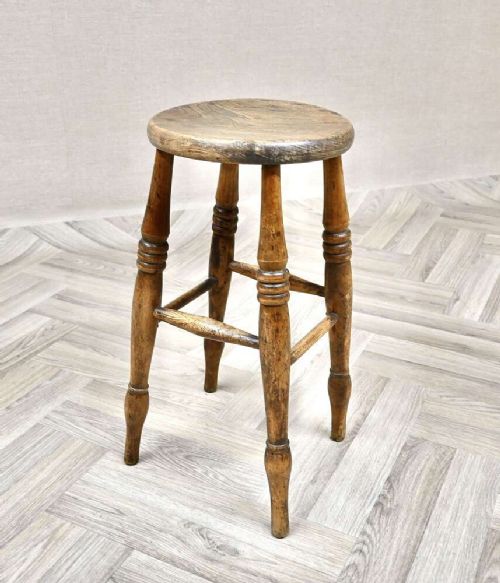
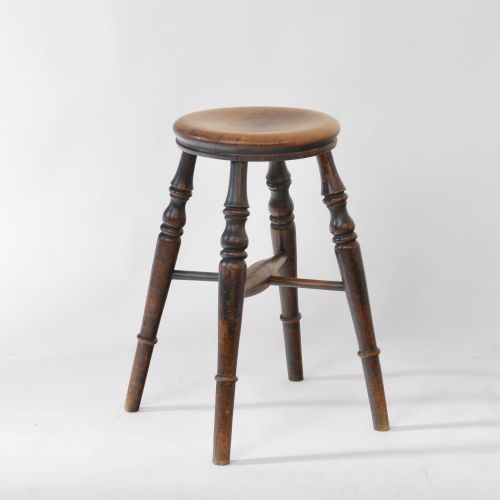
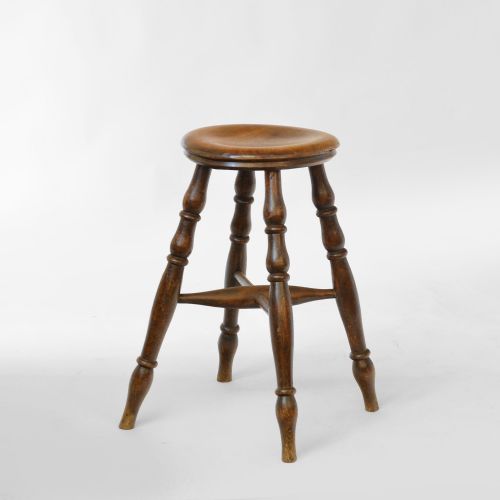
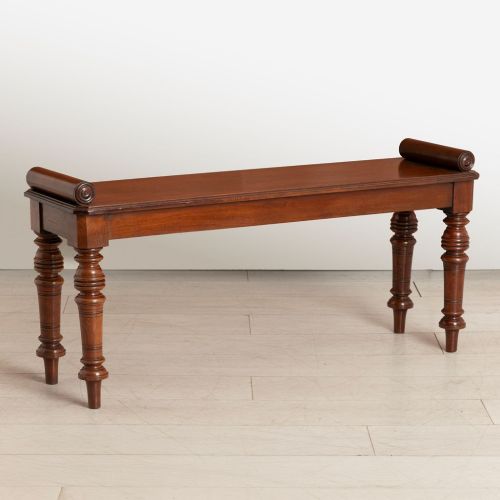
Victorian Turned Stool
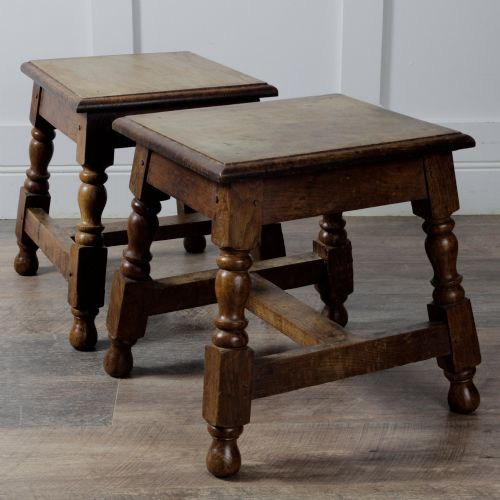
These robust victorian turned stool examples combine utility with honest craftsmanship, offering versatile seating options for traditional interiors.
Victorian Turned Stool
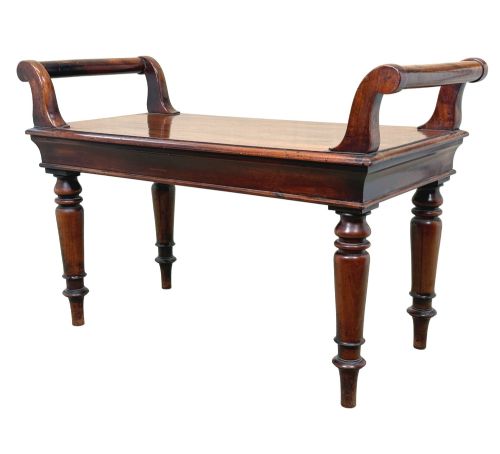
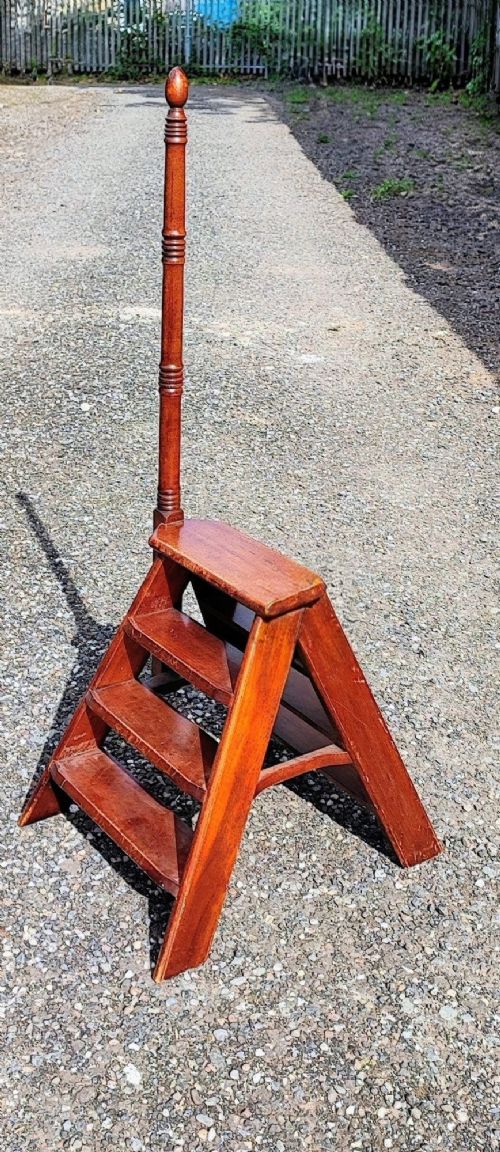
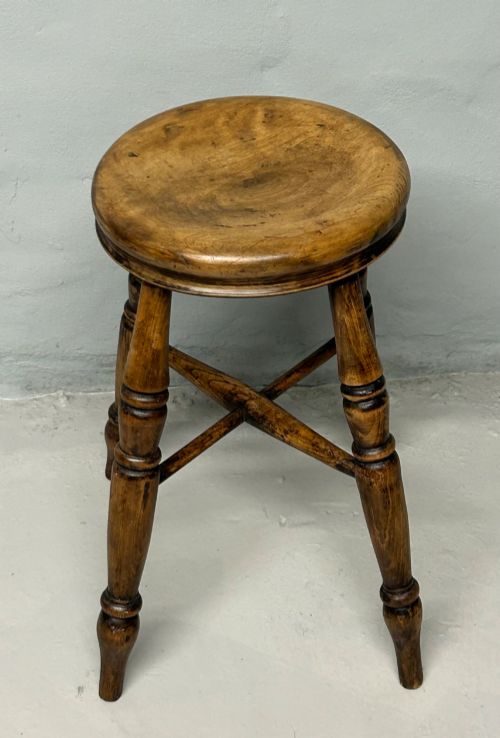
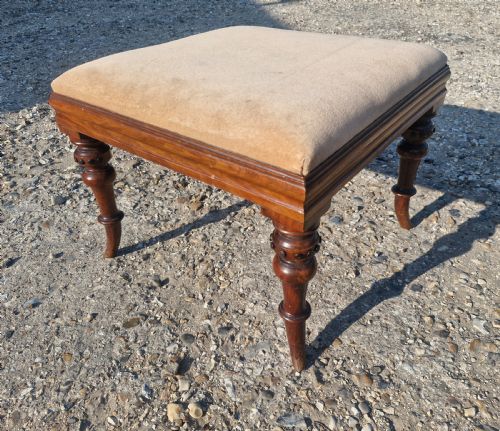
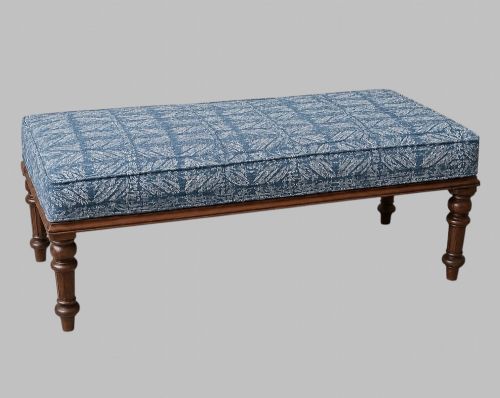
A victorian turned stool encompasses a diverse range of domestic and commercial seating, including piano stools, tavern stools, footstools, and window seats originating from the nineteenth century.
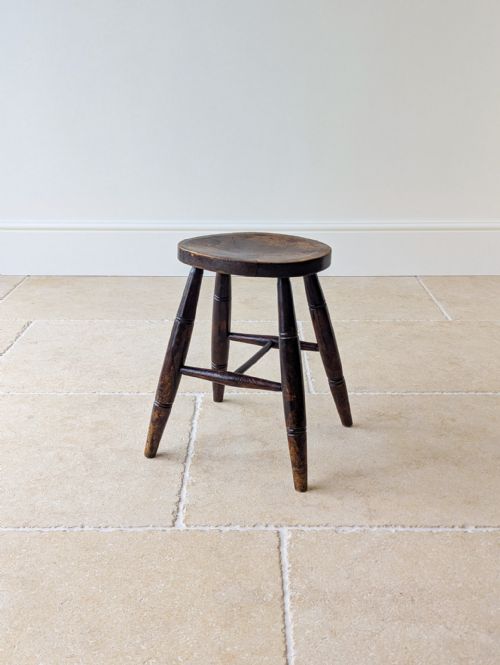
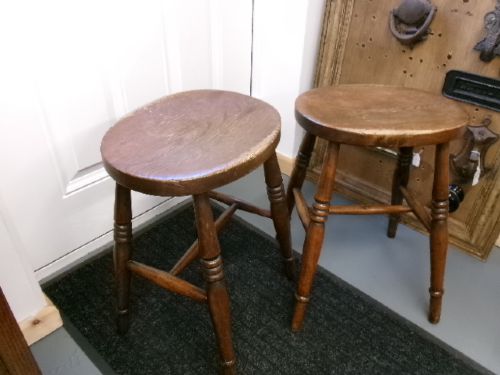
The selections on this page highlight everyday vernacular forms like dairy and Windsor stools alongside more formal mahogany and walnut pieces designed for parlours and drawing rooms.
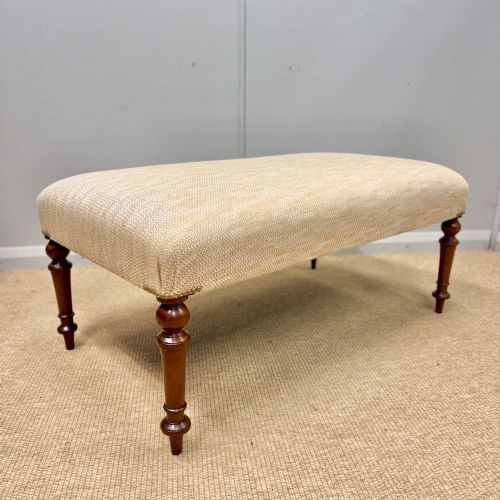
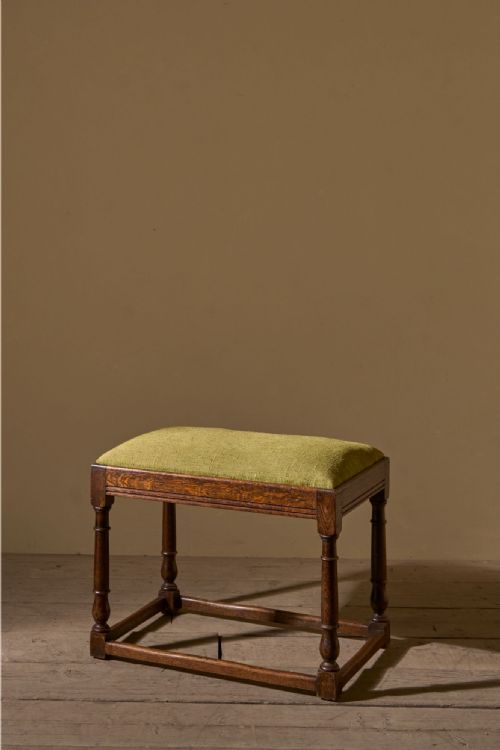
Buyers encounter sturdy oak, beech, and elm country pieces as well as sophisticated walnut and rosewood iterations featuring upholstered tops or turned supports.
Woods and construction methods
Cabinet makers and bodgers utilised local hardwoods such as oak, elm, beech, and mahogany, selecting timbers based on structural demands and regional availability.
Lathe work defines these pieces, employing bobbin, ring, and standard spindle turning to shape legs and stretchers with precision.
Joinery methods range from traditional mortise and tenon joints in joint stools to sturdy pegging and wood turning in rustic country seating.
Listings feature woods spanning mahogany, oak, elm, beech, walnut, and rosewood, alongside styles from rustic farmhouse to Jacobean Revival.
Distinctions in craftsmanship
The standard of a victorian turned stool rests in the crispness of the lathe work and the selection of dense, well-figured timber like mahogany or burr maple.
Finer examples exhibit careful proportion in the splay of the legs and secure joint construction, whereas utilitarian tavern and dairy stools prioritize heavy-duty solidity over decorative refinement.
The Victorian Turned Stool Glossary
- Bobbin turning
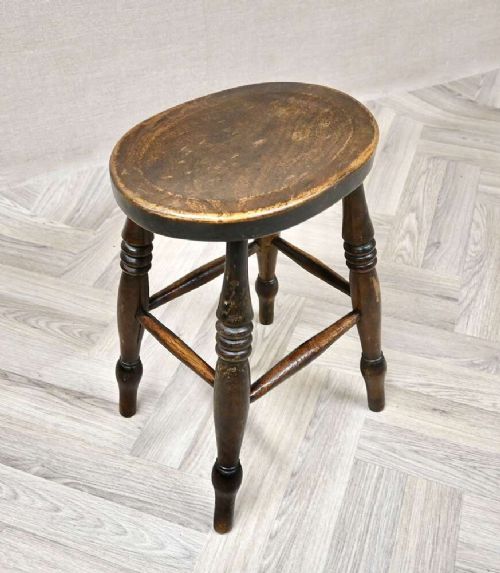
- A type of lathe work producing a series of rounded, spool-like shapes along the length of a leg or stretcher. This decorative technique appears frequently on nineteenth-century seating and small tables.
- Windsor
- A style of wooden seating featuring a solid carved or dished wooden seat into which legs and spindles are wedged directly. These forms provide sturdy domestic utility.
- Joint stool
- A low wooden stool constructed with mortise and tenon joinery using wooden pegs rather than metal fasteners. They date back centuries but saw revival and continued use through the Victorian period.
- Dished top
- A seat surface hollowed out into a shallow concave curve for comfort. This feature is common on tavern and country stools.
- Duet stool
- An elongated seating form designed for two people, often associated with piano practice and featuring upholstered tops.
Victorian Turned Stool: Frequently Asked Questions
What is a victorian turned stool used for?
These versatile items served multiple domestic and commercial functions, ranging from piano seating and footrests in parlours to sturdy perches in public taverns and dairies.
Today, they adapt easily as small side tables, plant stands, or occasional seating in hallways and living spaces.
How do I identify a 19th-century stool?
Examination of the timber, turning patterns, and joinery methods helps determine age, with nineteenth-century pieces showing authentic hand-turned woodwork and period wear.
Hardwoods like oak, mahogany, and beech combined with traditional construction point directly to this era of manufacture.
Are piano stools adjustable?
Many Victorian piano stools feature swivel mechanisms or threaded central screws that allow the seat height to be raised or lowered for the musician.
These mechanical examples often incorporate robust wooden pillars and tripod or four-legged turned bases for stability.
What woods were used for country stools?
Country pieces frequently utilised accessible regional timbers such as elm, beech, oak, and sycamore for their strength and resilience.
Turned beech and solid elm combinations were especially popular for seating subjected to heavy daily wear in rural homes and public houses.