

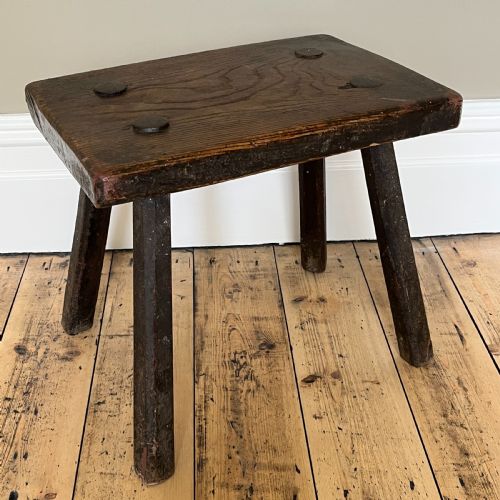
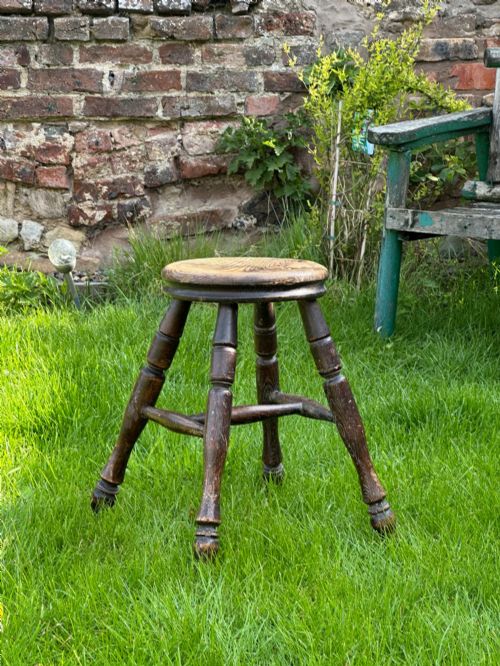


Rustic Wooden Hearth Stool
These rustic wooden hearth stool examples offer honest utility and warmth, built for centuries of fireside service in traditional homes.
Rustic Wooden Hearth Stool
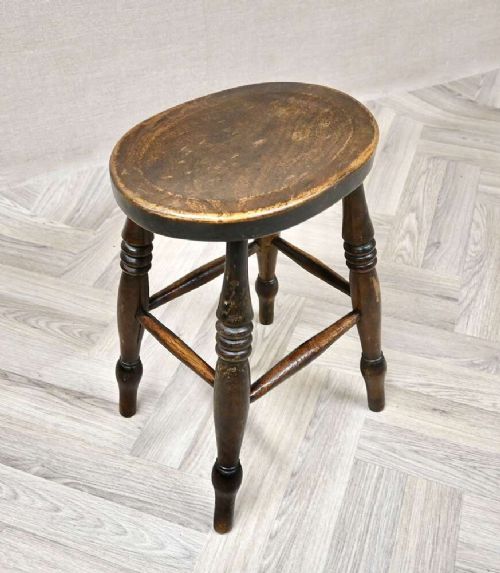
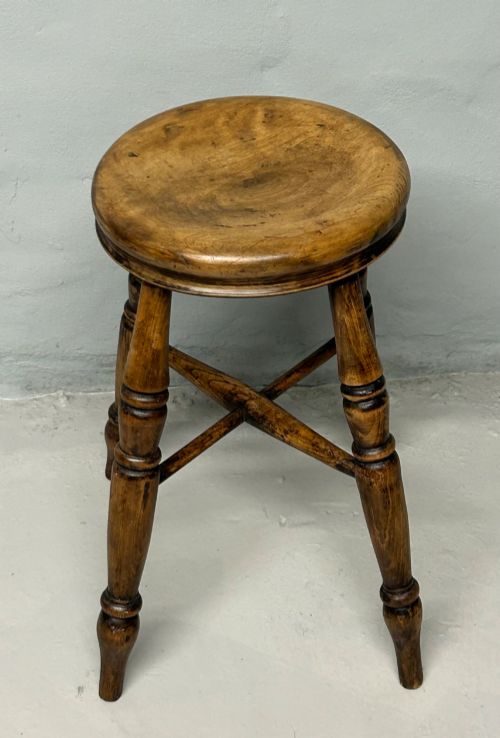
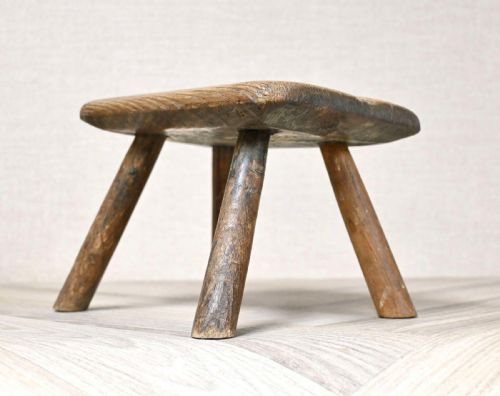
The pieces seen here span centuries of domestic life, drawing on periods from the eighteenth century through the Victorian era up to the early twentieth century. Common formats include low country stools, tavern stools, and oval Windsor seats built for heavy daily use.
Materials reflect the timber available to local makers, with solid woods forming the foundation of each piece. Oak, elm, beech, and pine dominate the construction, frequently paired with woven rush or cane for the seating surface.
How they were made
Construction relies on sturdy timbers like oak and elm for frames and legs, ensuring durability under heavy domestic loads. Turned beech components appear frequently, providing structural support alongside solid hardwood boards.
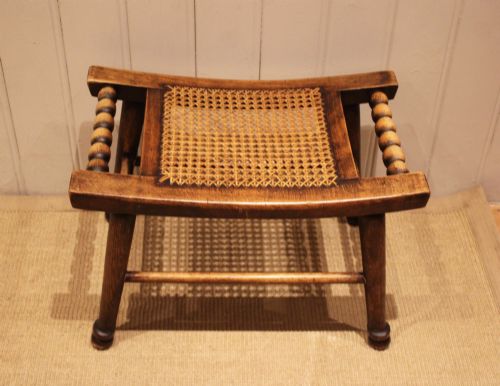
Seating surfaces utilise traditional methods of comfort and utility, combining solid wooden planks with woven rush and cane inserts. Pokerwork decoration occasionally adorns the timber, adding personalized detail to vernacular items.
One Scottish nineteenth-century piece bears the pokerwork motto Touch me wha daur, daring anyone to disturb a peaceful fireside seat.
What varies in quality
Quality rests in the integrity of the timber and the tightness of the joinery rather than surface polish or ornamentation. Pieces built from dense oak or figured elm retain their structural stability better than those fashioned from softer pine.
The hand of the maker dictates the character of each piece, distinguishing utilitarian items from those possessing refined vernacular proportions. Tidy rush weaving and well-turned legs elevate the standing of a stool within its traditional genre.
The Rustic Wooden Hearth Stool Glossary
- Windsor
- A style of wooden seating construction where legs and backs are wedged directly into a solid carved seat. This method creates a rigid and enduring frame typical of country furniture.
- Rush
- A marsh plant woven into cordage for chair and stool seats. It provides a resilient and comfortable surface that gains a dark patina over decades of use.
- Vernacular
- Architecture and objects made by traditional craftsmen to local requirements using local materials. These pieces prioritize function and regional style over high-fashion academic designs.
- Pokerwork
- The art of decorating wood by burning designs into the surface with heated metal points. It appears on domestic items to record mottoes, names, or decorative scenes.
- Primitive
- A descriptive term for early or provincial items made with basic tools and straightforward methods. Such pieces display direct solutions to functional domestic needs.
Rustic Wooden Hearth Stool: Frequently Asked Questions
What is a hearth stool used for?
These low seats were positioned near open fireplaces to provide comfortable proximity to the warmth of the fire. Families utilised them for sitting close to the hearth during colder months or for resting weary feet.
Their compact height made them versatile additions to domestic rooms, easily tucked away when not in active use around the chimney corner.
How old are these rustic stools?
The pieces available span a considerable time frame, beginning in the eighteenth century and extending through the Georgian and Victorian periods into the early twentieth century. Regional makers continued traditional country methods long after urban centres shifted to industrial production.
Examining the tool marks, timber shrinkage, and wear patterns helps determine whether a specific stool originates from an earlier provincial workshop or a later revival period.
What woods were used to build them?
Country joiners relied on accessible native hardwoods and softwoods to construct sturdy seating for daily demands. Oak, elm, and beech provide the rigid frames and turned legs seen across these pieces, while pine appears in secondary roles.
Seating areas often incorporate woven rush or cane alongside solid timber planks, matching material choice directly to the intended function of the stool.
How do I care for antique wood and rush?
Keep wooden surfaces nourished by applying traditional beeswax periodically, avoiding modern silicone polishes that build up over time. Protect woven rush seats from excessive moisture and direct sunlight to prevent the natural fibres from becoming brittle.
Gentle dusting with a soft cloth maintains the natural patina accumulated over generations of household use.