



Vintage Hearth Stool
A vintage hearth stool brings low, sturdy seating and fireside warmth to a room, built to sit comfortably beside a grate or stove.
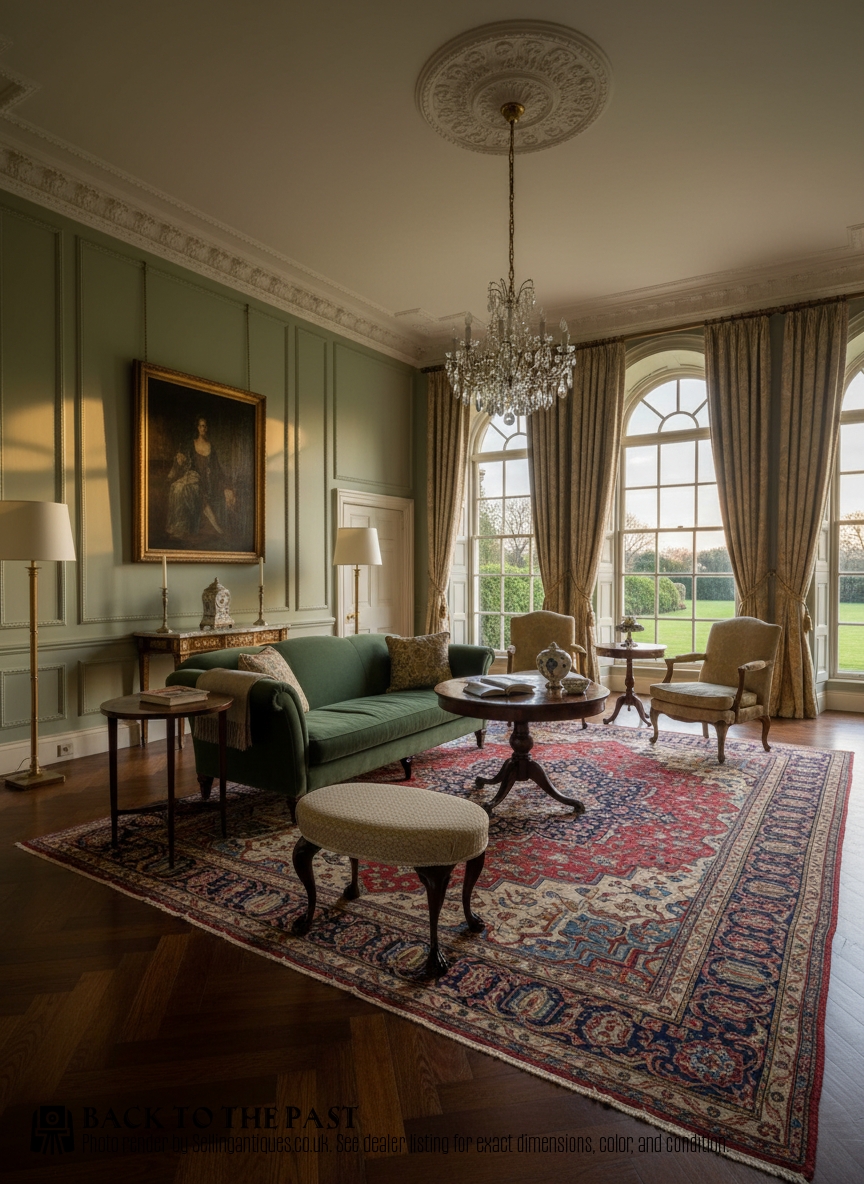
Vintage Hearth Stool
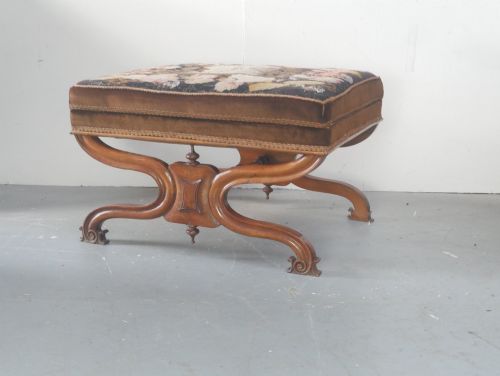
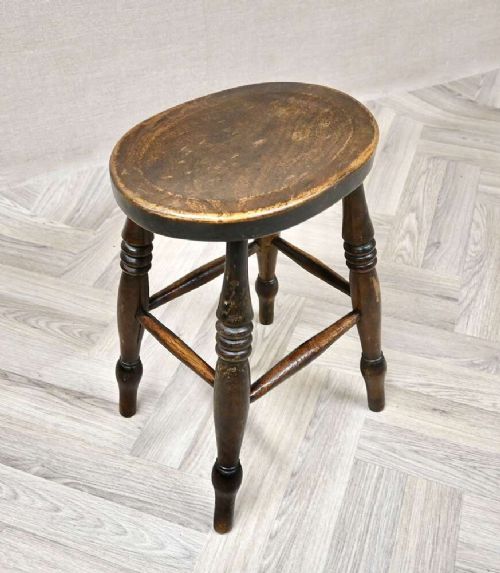
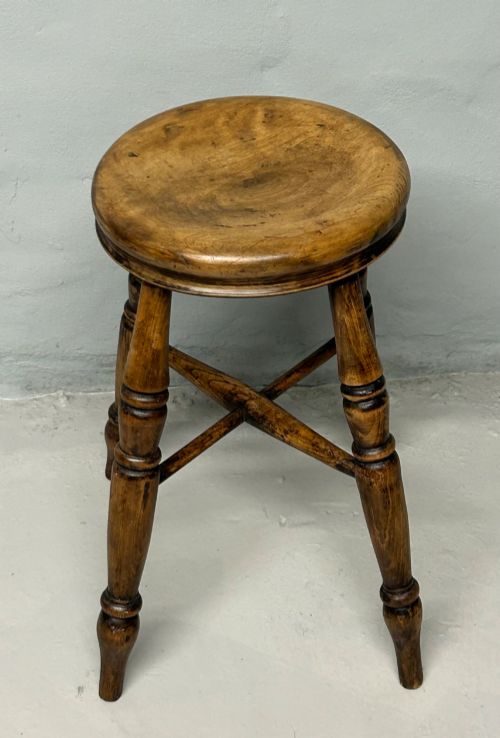
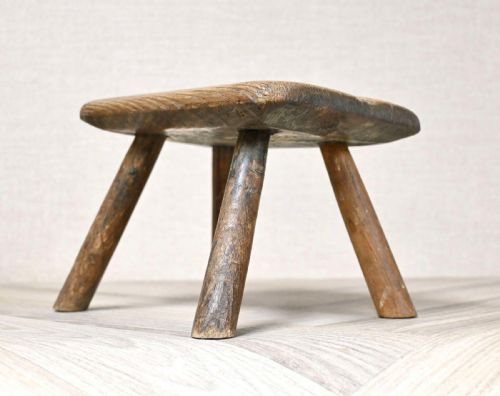
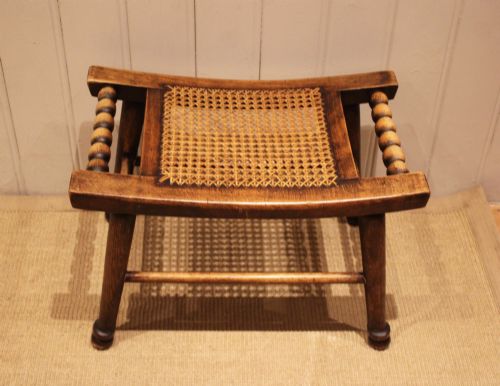
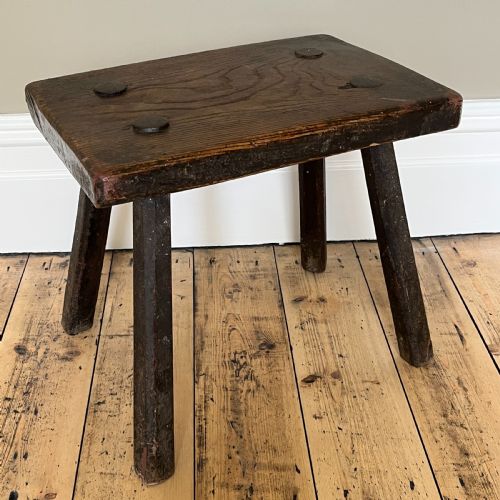
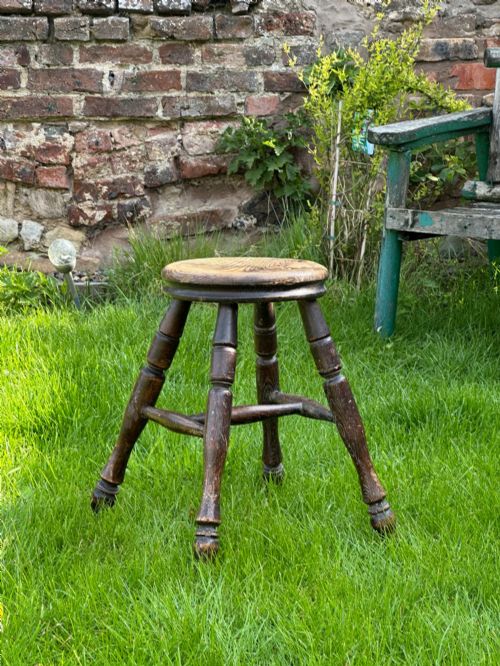
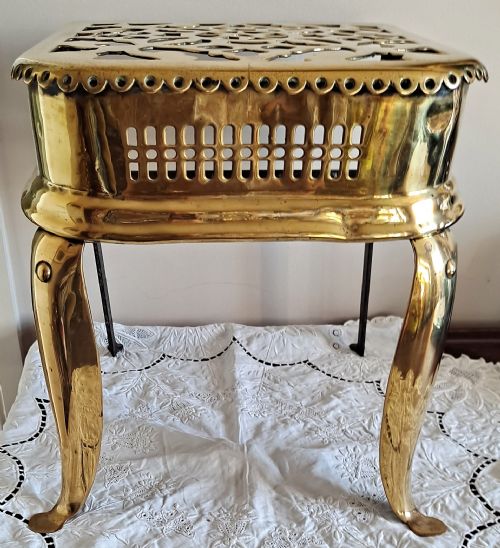
When you search for a vintage hearth stool, you encounter low timber frames, upholstered seats, and metal trivets designed for the fireside. The selection spans the eighteenth century through the early twentieth century, taking the form of rustic country stools, low footstools, and brass footmen.
Wooden examples appear in oak, elm, beech, and mahogany, often paired with rush, cane, tapestry, or needlepoint tops. Heavier iron and brass pieces designed to stand directly on the hearth sit alongside carved wooden frames bearing Gothic, Jacobean, and Victorian styling.
How they were made
Joiners and blacksmiths utilised durable regional timbers and metals to withstand daily proximity to open heat. Oak, elm, and beech frames were turned, carved, or pegged together, while brass and steel footmen combined folded sheet metal with riveted or cast iron legs.
Upholstered versions relied on traditional webbing and stuffing beneath needlepoint, tapestry, or plain fabric coverings. Pokerwork decoration occasionally embellished wooden tops, scorching patterns directly into the grain.
The listings span from the eighteenth century through the early twentieth century, featuring oak, elm, mahogany, walnut, brass, and steel.
What varies in quality
The distinction between ordinary and superior pieces rests on timber selection, structural integrity, and the execution of carved or turned details. Denser hardwoods like mahogany and walnut, or carefully seasoned oak and elm, hold their joints firmer over generations of heavy use.
Refined surface carving, original needlepoint tapestry, and solid brass components lift certain examples above plain utilitarian items. The proportion of the frame and the retention of original surface patination determine the overall appeal.
The Vintage Hearth Stool Glossary
- Hearth stool
- A low seat designed specifically to sit beside a fireplace for warming feet or tending the fire. These items vary from simple turned wooden frames to heavily carved upholstered variants.
- Footman
- A metal stand, usually in brass and steel, placed in front of a hearth to warm plates or kettles. They offer sturdy metal construction with practical carrying handles.
- Pokerwork
- A decorative technique using a heated tool to burn designs into wooden surfaces. This method creates dark, textured folk art motifs across stool tops.
- Needlepoint
- Stitched yarn work stretched over canvas and mounted onto upholstered seat frames. This technique provides durable, colourful patterning on period seating.
- Rush seat
- A woven seating surface made from dried marsh grasses twisted into cords. This traditional method yields a resilient, flexible top for country wooden stools.
Vintage Hearth Stool: Frequently Asked Questions
What is a hearth stool used for?
A hearth stool provides low seating close to an open fire or stove for warmth and comfort. They also serve as footrests or raised platforms near the grate.
Heavier metal variants additionally function as stands for warming plates or keeping hearth accessories close at hand during winter evenings.
How do I clean a wooden hearth stool?
Maintenance involves dusting the timber regularly with a dry cloth to prevent dirt accumulation in carved details. Applying a traditional beeswax polish helps nourish dry wood and maintain the surface sheen.
Harsh chemical cleaners and excessive moisture must be avoided to protect antique finishes and prevent the surrounding timber from warping.
Can I use an antique footman near an active fire?
Brass and steel footmen were originally constructed to withstand intense hearth temperatures during daily domestic use. Their robust metal fabrication allows them to endure direct proximity to heat.
Modern placement near active fires requires caution to protect surrounding flooring and prevent accidental burns from hot metal surfaces.
How do I identify a Victorian hearth stool?
Victorian examples often feature darker hardwoods like walnut or ebonised finishes, alongside revival motifs such as Gothic or Rococo ornamentation. Turned legs and heavy upholstery are typical characteristics.
Construction methods, tool marks beneath the seat, and period-appropriate textiles help separate these pieces from later reproductions.