
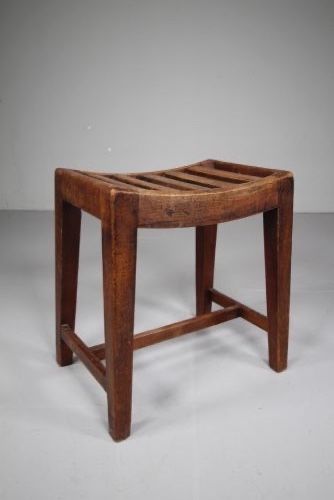


Traditional Vanity Stool
A traditional vanity stool offers a functional seat for a dressing table, bringing period character and practical charm into a bedroom.
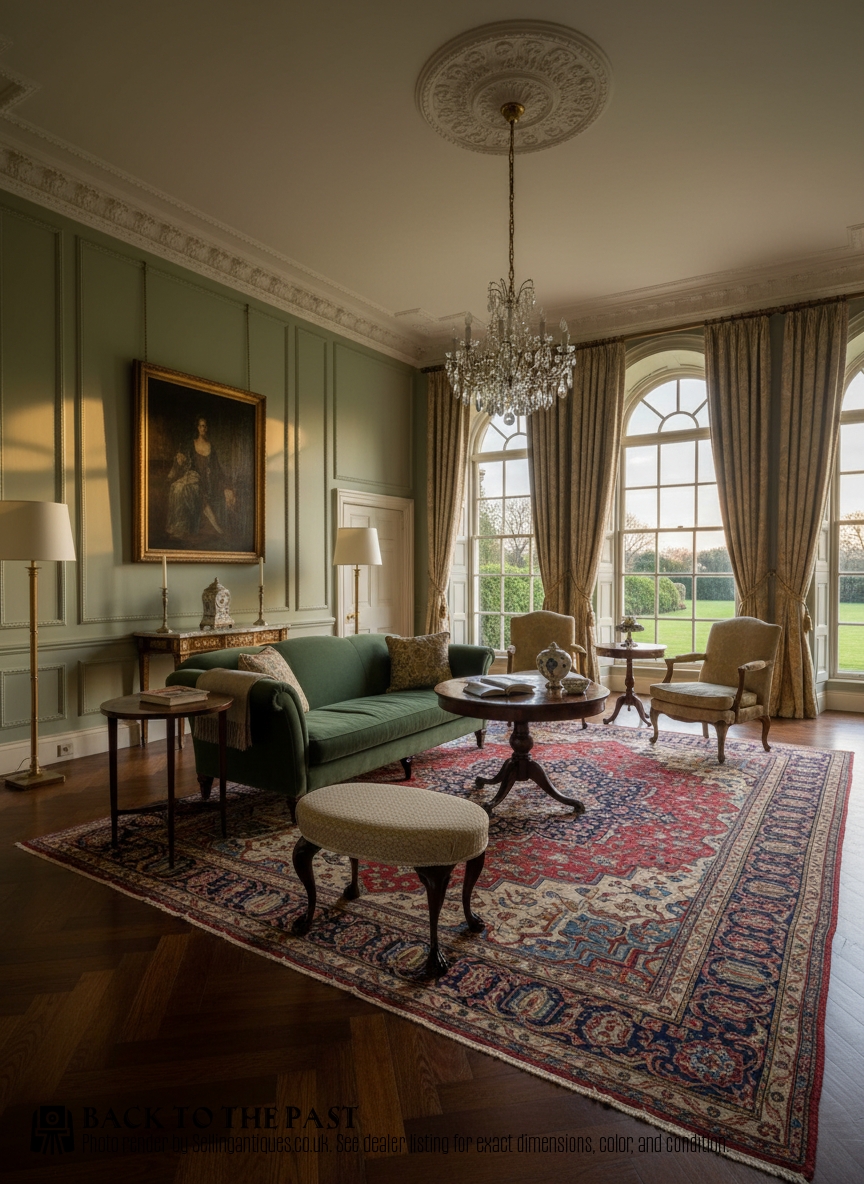
Traditional Vanity Stool
When you search for a traditional vanity stool, you encounter low seating designed for dressing tables, bedrooms, and music rooms across multiple historical periods. The selections span from eighteenth-century Georgian mahogany frames to Edwardian inlaid variations and later twentieth-century interpretations.
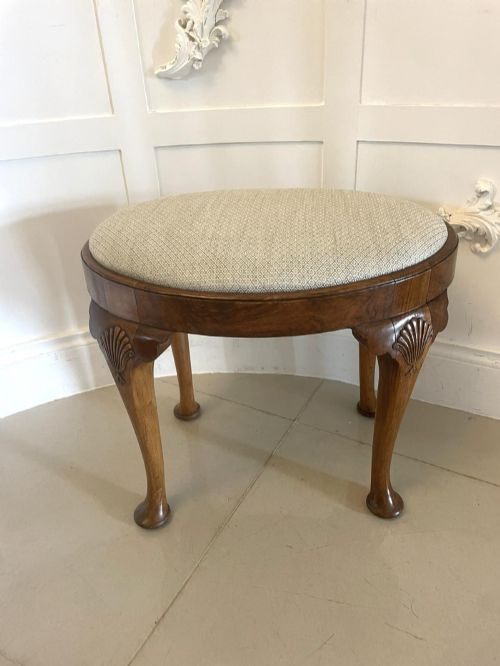
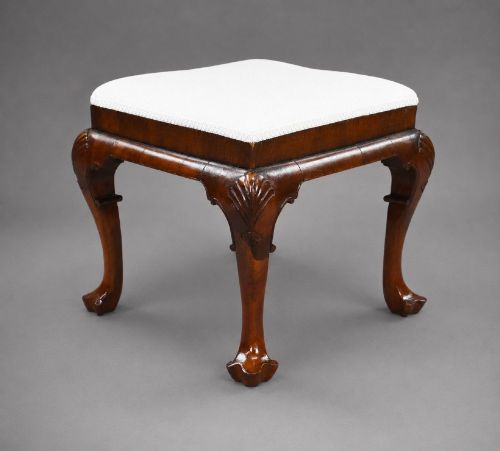
The most common form on this page is the dressing stool or vanity stool, frequently rendered in walnut or mahogany with upholstered seats. These pieces range from simple nineteenth-century designs to revival styles drawing on Queen Anne and Chippendale aesthetics.
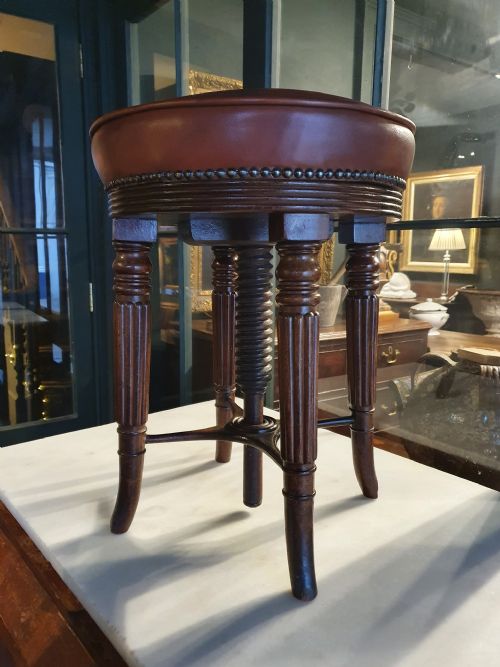
Makers and manufacturers produced these items in various configurations, including piano stools with lift-up seats, revolving mechanisms, and long dressing benches. Their primary purpose remained utilitarian, serving spaces where personal grooming or music practice took place.
Materials and construction
The frames rely heavily on hardwoods such as mahogany, walnut, and oak, occasionally featuring yew wood or teak construction. Joinery and carved details define the structural integrity, particularly on pieces exhibiting cabriole legs or inlaid elements.
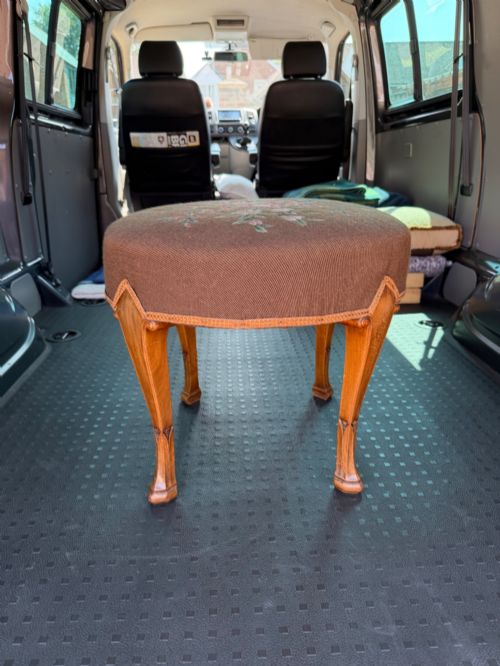
Upholstery forms a vital component of the construction, utilising fabrics, velvet, leather, tapestry, and woven rattan or rush for the seats. Brass hardware appears on mechanisms such as revolving piano stools and adjustable music seats.
The selection encompasses periods from the eighteenth century through Georgian, Victorian, and Edwardian eras, up to the nineteen-thirties.
Distinctions in quality
Quality rests in the crispness of the timber carving and the fidelity of the period style, whether executed in the eighteenth century or during later revival periods. Finer examples display well-proportioned cabriole legs, neat joints, and select cuts of walnut or mahogany.
The integrity of the upholstery materials and the survival of original fabric or appropriate traditional textiles elevate a piece. Construction details, such as stable revolving mechanisms or well-fitted lift-up compartments in music stools, separate standard items from superior examples.
The Traditional Vanity Stool Glossary
- Cabriole leg
- A furniture leg that curves outward at the knee and tapers inward toward the ankle, ending in a pad or foot. This form appears frequently on eighteenth-century and revival stools.
- Chippendale style
- A decorative style drawing on the mid-eighteenth-century designs of Thomas Chippendale, characterised by carved mahogany frames and classical motifs. Stools in this style often feature intricate woodwork.
- Queen Anne style
- A graceful design period known for smooth lines, cabriole legs, and understated walnut construction. Pieces from this tradition avoid excessive ornamentation in favour of balanced curves.
- Piano stool
- A seat specifically constructed for use at a keyboard instrument, frequently incorporating a revolving mechanism or a lift-up compartment for sheet music. Edwardian and Georgian iterations are common.
- Rush seat
- A seating surface woven from dried marsh grasses or rushes, providing a durable and textured finish. This technique appears on simpler oak and country-style frames.
Traditional Vanity Stool: Frequently Asked Questions
What is a traditional vanity stool used for?
These low seats function primarily as dressing table chairs, providing comfortable seating during grooming routines. They also serve smaller seating requirements in bedrooms and hallways.
Historically, similar piano and music stools accommodated musicians at keyboards, featuring specialised mechanisms for height adjustment or storage.
How do I identify a Queen Anne style stool?
Queen Anne style stools are typically constructed from walnut and feature characteristic cabriole legs that curve outward and inward. The overall silhouette emphasises flowing lines rather than heavy geometric carving.
Design elements on these pieces often remain restrained, focusing on the natural grain of the walnut timber and the graceful sweep of the legs.
Are these stools comfortable to sit on?
Most pieces feature padded upholstery covered in fabric, velvet, leather, or tapestry to ensure a comfortable surface. The cushioning varies depending on whether the padding is original or has been historically restored.
Music and piano stools often provide broader or adjustable seats designed for prolonged sitting during practice sessions.
What woods were used for these stools?
Mahogany and walnut predominate among the listed items, serving as the primary hardwoods for Georgian, Victorian, and revival frames. Oak, yew wood, and teak also appear in specific regional or period examples.
These durable timbers allowed makers to fashion slender legs and sturdy frames capable of withstanding regular domestic use.
Can I use a piano stool at a dressing table?
Many piano stools share identical dimensions and aesthetic qualities with dedicated dressing stools, making them interchangeable in a bedroom setting. Adjustable or revolving mechanisms can offer additional convenience at a vanity.
Lift-up seats on music stools also provide hidden storage for small vanity items and cosmetics.