
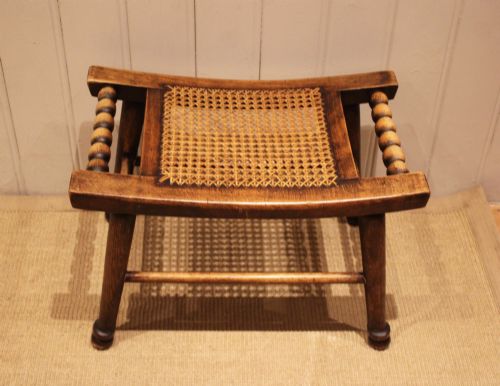
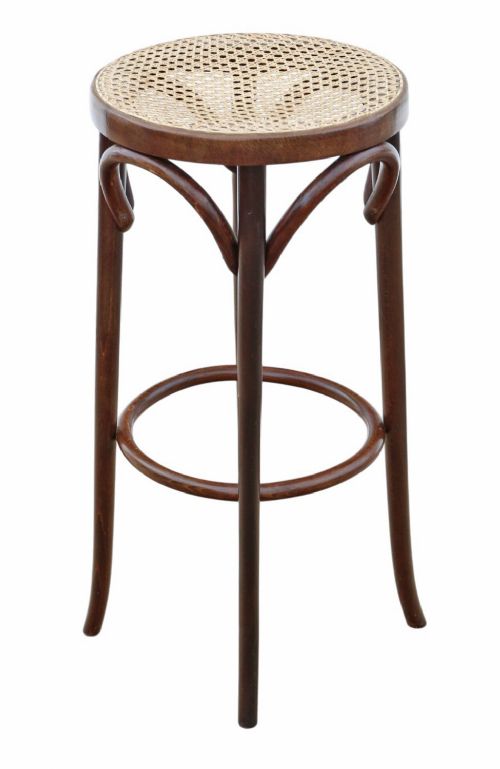


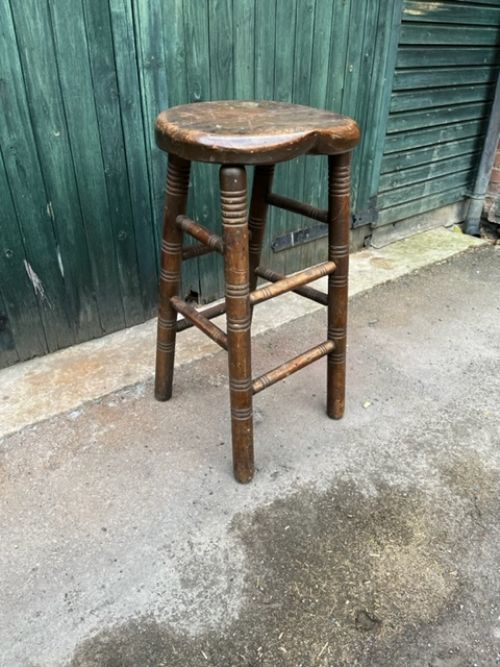

Beech Wood Stool
These beech wood stool options offer honest utility and timeless design, serving practical seating needs while bringing warm rustic character into any interior.
Beech Wood Stool
A beech wood stool is a practical seating or resting form shaped from resilient timber, frequently featuring in kitchens, workshops, and parlours across domestic and commercial settings alike. When you search for this phrase, you encounter everything from simple rustic farmhouse seating to specialised laboratory and industrial utility stools.
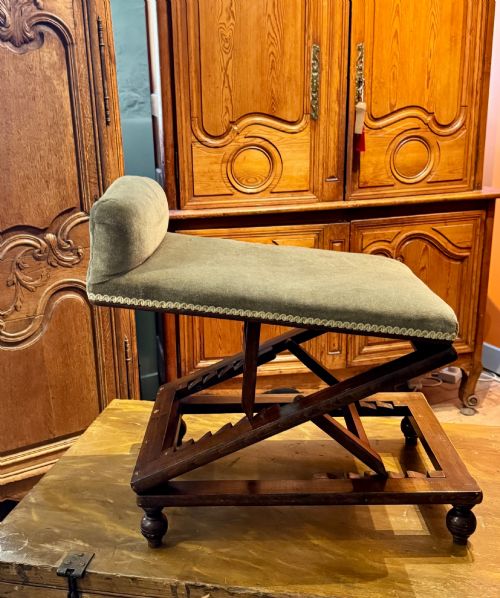
The selections span from nineteenth-century vernacular pieces to early twentieth-century designs, encompassing both low footstools and high bar stools. Common iterations include cane seat stools, upholstered dressing stools, and adjustable gout stools designed for comfort.
Origins vary from English country workshops to French provincial makers and industrial settings, showing how adaptable this timber has been for everyday seating. Buyers frequently meet turned legs, cane inserts, and sturdy wooden tops that reflect practical historical use.
How they were made
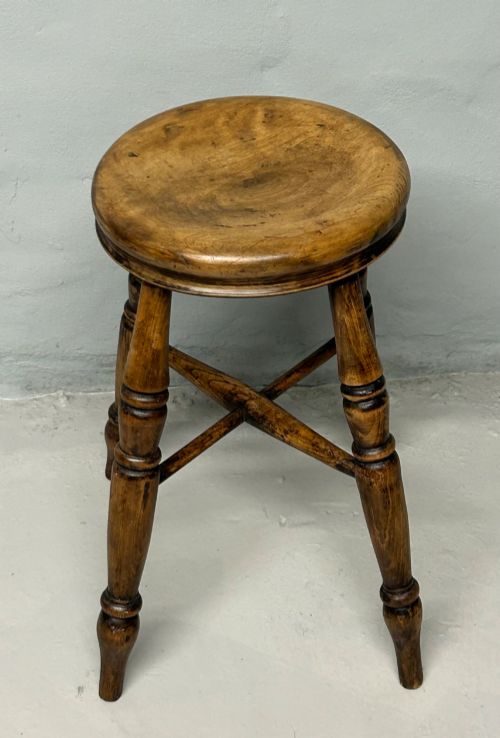
Makers utilised solid beech wood for its strength and fine grain, frequently pairing it with elm for seats or framing it with cane panels and velvet or fabric upholstery. Turning lathes shaped the legs and spindles of many examples, while steam bending created the curved frames seen in bistro and bentwood designs.
Joinery methods relied on traditional pegging and mortise and tenon construction to withstand daily weight and movement in kitchens and workrooms. Staining or polishing protected the timber surfaces, while retaining the natural figuring of the wood across domestic and industrial forms.
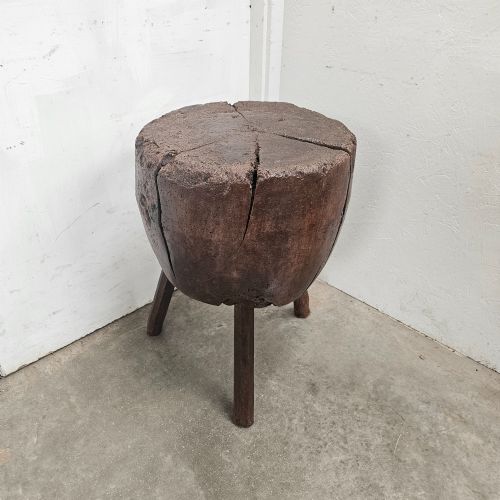
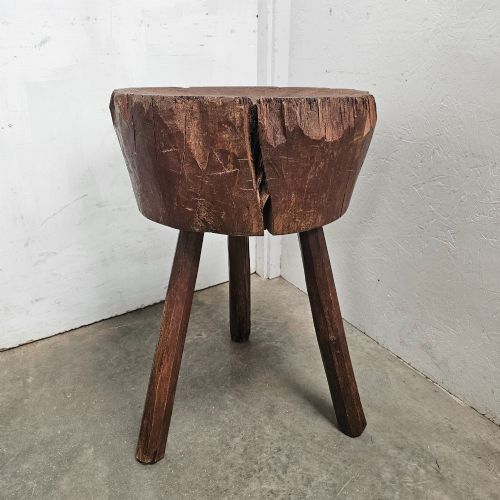
The documented forms span domestic footstools, French game blocks, clerk seats, and industrial laboratory perches.
What varies in quality
Quality separates through the integrity of the timber framing, the precision of the wood turning, and the original condition of materials like cane or upholstery. Examples featuring maker attribution or complex mechanisms such as adjustable gout rests demonstrate finer workshop execution.
Simpler vernacular pieces rely on the honesty of their primitive construction, whereas pieces from established makers exhibit refined proportions, careful steam bending, and well-preserved natural surfaces.
The Beech Wood Stool Glossary
- Beech
- A hard, pale timber with a tight grain that accepts turning and bending exceptionally well. It forms the primary structural material for a vast range of historical seating.
- Gout stool
- An adjustable footstool designed to elevate and support the foot or leg at a comfortable angle. Many nineteenth-century examples incorporate mechanical adjustments and upholstered platforms.
- Bentwood
- Wood softened through steam and pressed into curved forms using specialised moulds. This technique creates lightweight yet robust frames for chairs and high stools.
- Bergere
- A woven cane panel inset into a wooden frame, providing a resilient and breathable seating surface. It appears frequently on seating from the late nineteenth and early twentieth centuries.
Beech Wood Stool: Frequently Asked Questions
What is a beech wood stool used for?
These versatile seats served diverse roles across homes and workplaces, functioning as kitchen perches, piano seats, and workshop stands. Low variants often supported tired feet, while tall versions accommodated drafting desks and counters.
Domestic spaces utilised upholstered dressing stools in bedrooms, while rustic chopping blocks and game blocks assisted with kitchen and pantry tasks.
How do I care for a vintage stool?
Maintain the timber by dusting regularly with a dry cloth and applying occasional beeswax to nourish the dry wood. Keep pieces away from direct heat sources and excessive moisture to prevent joint loosening.
Handle cane seats with care, avoiding heavy kneeling or concentrated pressure that might snap the natural woven fibres over time.
Are these pieces suitable for daily use?
Most historical stools were built for rigorous working environments, meaning solid construction allows them to endure regular domestic seating demands. Checking the firmness of joints and legs ensures stability for everyday sitting.
Softer upholstered tops or delicate cane panels require slightly more mindful placement to preserve their historical fabrics and woven surfaces.
How can I tell the age of a stool?
Dating relies on observing construction marks, turning styles, and the specific materials integrated into the frame, such as early velvet or cane. Nineteenth-century examples often display hand-turned components and pegged joinery.
Early twentieth-century pieces frequently introduce bentwood manufacturing methods or industrial iron fittings associated with laboratory and workshop utility.