



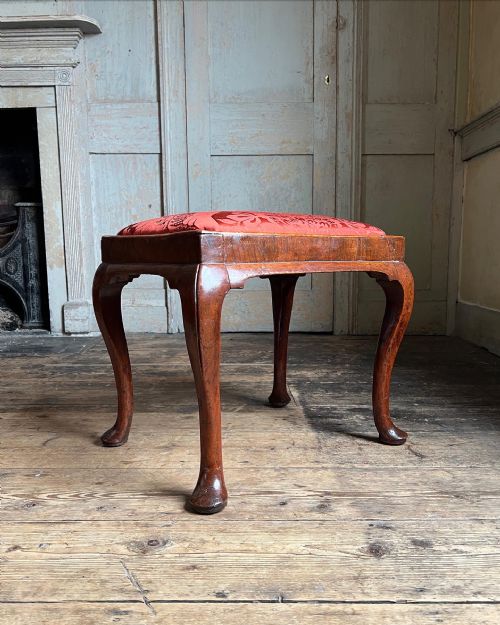

18th Century Low Stool
An 18th century low stool brings compact seating and historic character to a room, offering sturdy oak and rich mahogany frames beneath traditional textile tops.
18th Century Low Stool
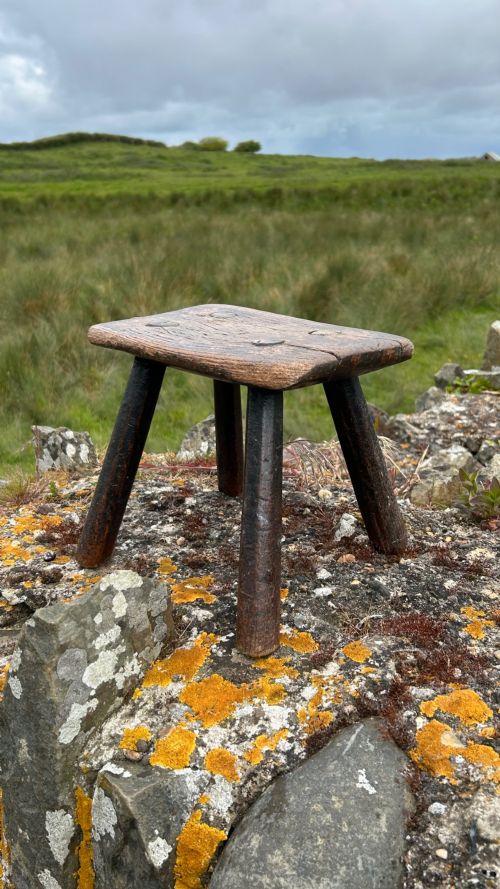
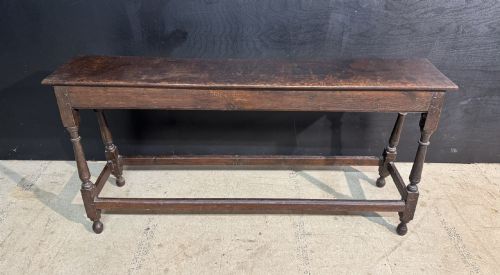
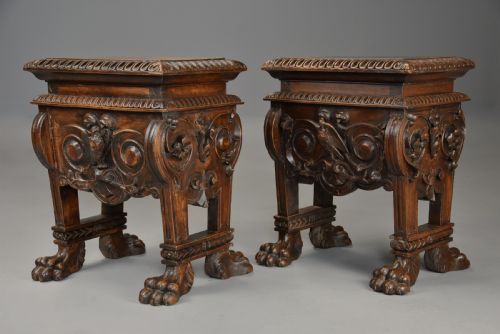
The 18th century low stool encompasses compact seating pieces designed for firesides, dressing rooms, and general household use across British and European interiors. These low forms range from utilitarian oak joint stools to finely carved walnut and mahogany specimens bearing classic period silhouettes.
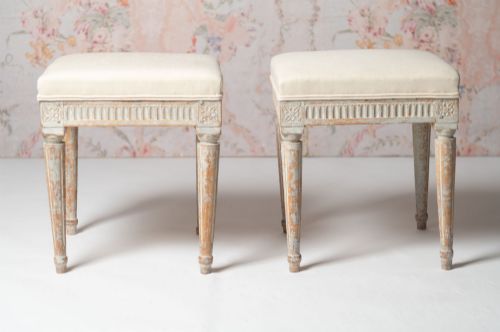
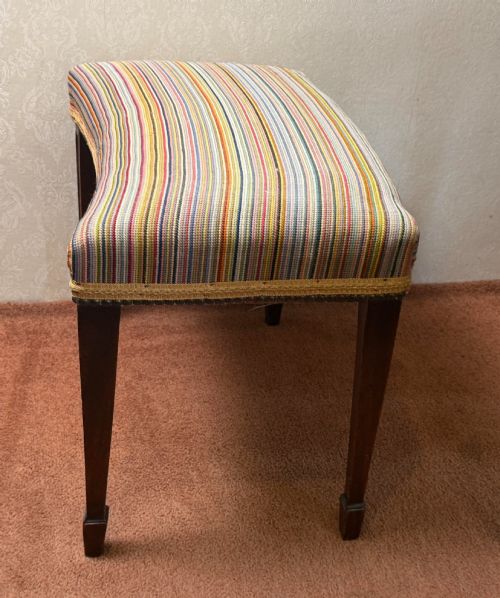
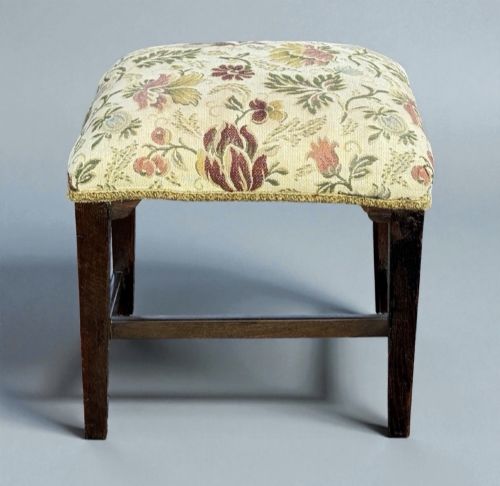
Buyers browsing this selection will frequently encounter mahogany and oak pieces featuring cabriole legs, square tapering supports, or traditional frame structures. Upholstery varies from later tweed and wool replacements to traditional tapestry and woven textile seat pads.
How they were made
Cabinetmakers constructed these frames primarily from solid hardwoods such as oak, walnut, and mahogany, utilising traditional joinery methods to ensure lasting structural integrity. Carved details on walnut and mahogany examples display precise hand-chiselled ornamentation across rails and leg profiles.
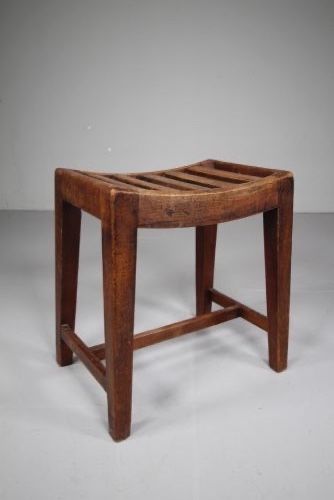
Seat sections integrate wooden slats, shaped wooden rails, or supportive webbing upholstered with wool, tapestry, and various traditional fabrics. Surviving pieces often exhibit a combination of original frame construction paired with later reupholstery.
18th Century Low Stool Retail Price Guide 2026
Typical asking prices for 18th century low stool among the pieces listed under this phrase on Sellingantiques today, from the lower quarter to the upper quarter. They describe what is for sale here now, not the wider market.
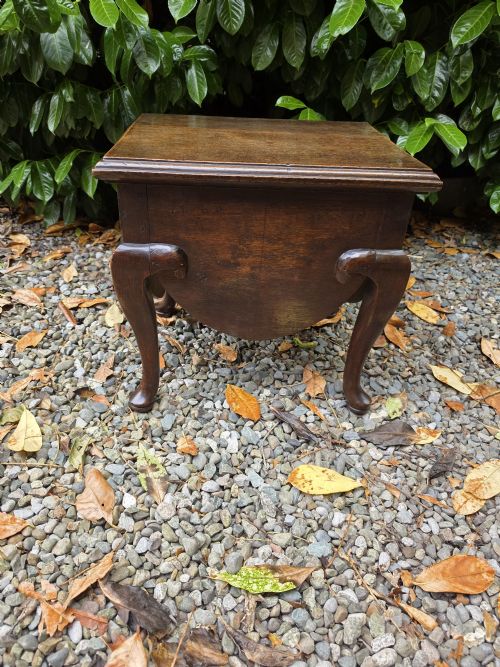
A carriage stool designed for eighteenth-century travel proves that Victorians and Georgians took their fireside comfort on the road.
What varies in quality
Quality rests primarily in the crispness of hand-carved woodwork, the integrity of the primary timber, and the harmony of proportions within the frame. Pieces displaying fluid cabriole legs or detailed edge moulding demonstrate superior craftsmanship compared to plainer utility examples.
The longevity of a piece depends on the tightness of its historical joinery and the survival of its original timber surfaces without excessive alteration. Subtle differences in turning, leg taper, and timber figure separate standard domestic seating from high-style workshop productions.
The 18th Century Low Stool Glossary
- Joint stool
- A timber stool constructed with pegged mortise and tenon joints rather than turned and glued legs. These sturdy seats served various household functions from the seventeenth century onward.
- Cabriole leg
- A furniture leg that curves outward at the knee and tapers inward toward the ankle, typically ending in a pad or scroll foot. This shape draws inspiration from animal limbs.
- X frame stool
- A seating form featuring intersecting diagonal supports forming an X shape when viewed from the side. This regal architectural format dates back to ancient times and resurfaced in luxurious European revivals.
- Tapestry
- A form of heavy textile woven with pictorial or decorative designs on a vertical loom. These durable fabrics frequently cover the seats of formal period stools.
- Square tapering leg
- A straight furniture leg that diminishes in thickness toward the floor. This clean geometric form became standard during the later eighteenth century.
18th Century Low Stool: Frequently Asked Questions
Where were low stools placed?
These compact seats found placement beside fireplaces, near dressing tables, or at the foot of beds within period homes.
Their modest height allowed them to slide neatly out of the way when not in active daily service.
Are the upholstery fabrics original?
Most surviving stools feature later replacement upholstery fabrics such as tweed, wool, or modern textiles chosen for durability.
Original eighteenth-century fabric coverings rarely survive intact due to centuries of wear and insect damage.
How do I identify a Georgian stool?
Georgian stools are characterised by period timber selections like mahogany and oak, alongside traditional forms such as cabriole or square tapering legs.
Construction details like hand-cut joinery help separate genuine period examples from later revival pieces.
Can I use an antique stool daily?
Solid hardwood frames provide remarkable stability, making these historic pieces suitable for gentle everyday seating around the home.
Placing them on level floors prevents undue stress on the ancient joints and structural timbers.