


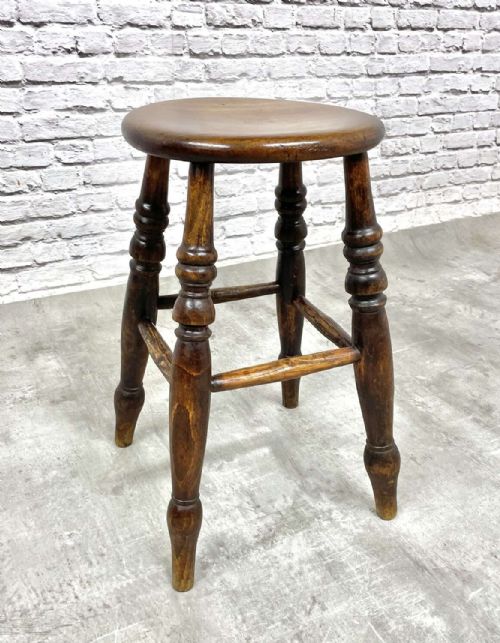


Brown Wood Milking Stool
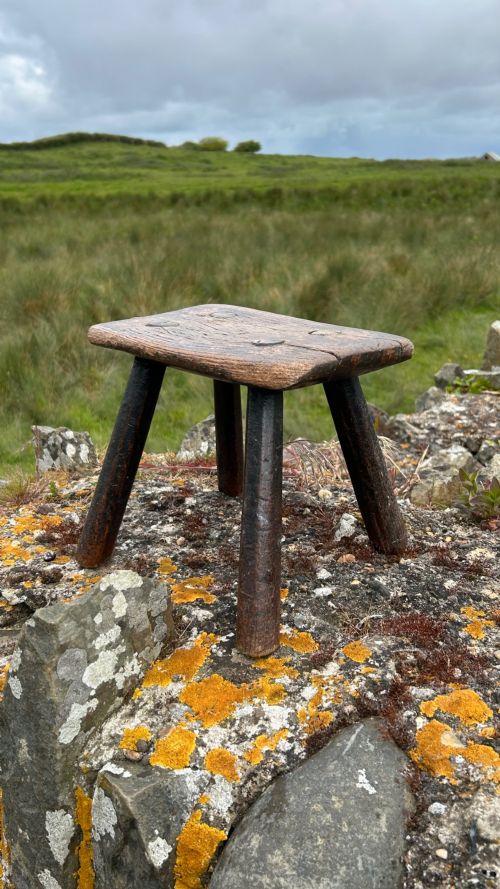
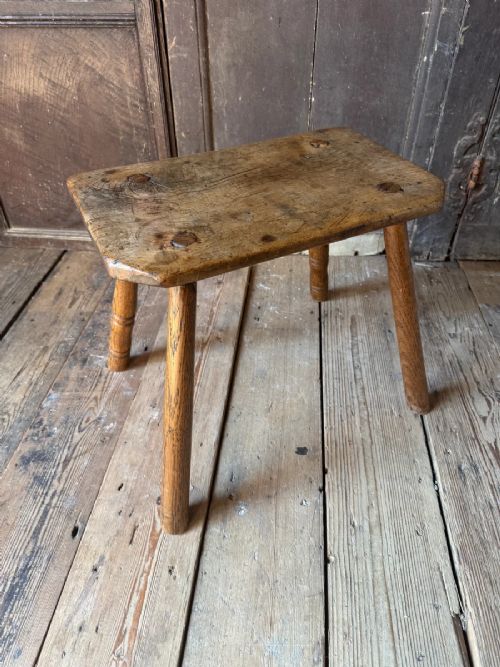
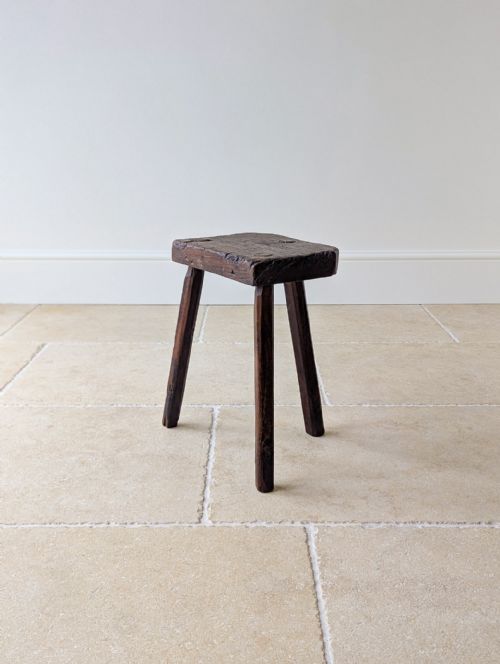
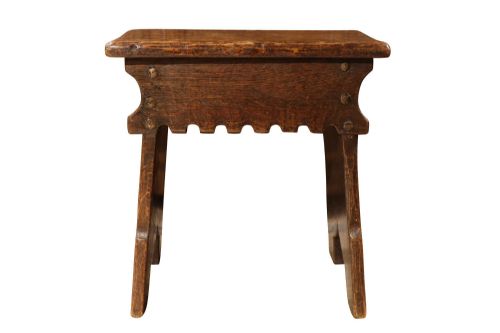
These brown wood milking stool examples are honest vernacular seats shaped by country makers using native timbers.
Brown Wood Milking Stool
When you search for a brown wood milking stool, you find utilitarian vernacular seating designed for domestic and trade tasks rather than formal parlour use. The examples listed span from the eighteenth century through the early twentieth century, taking forms such as hearth stools, jeweller's stools, and simple round seats.
You are most likely to meet nineteenth century pieces on this page, often showing the straightforward construction typical of country workshops. These sturdy seats reflect practical working lives in kitchens, workshops, and alehouses.
The styles range from Victorian country and rustic farmhouse to vernacular English country designs. Each piece carries the marks of its original purpose, whether used beside a hearth or at a tradesman's bench.
How they were made
Makers utilised solid native timbers such as oak, ash, elm, sycamore, burr yew, and hardwood to build these utilitarian seats. These woods were chosen for their local availability and toughness, ensuring the furniture could withstand heavy daily use.
Construction methods rely on traditional techniques like pegged joints and sturdy turned or shaped legs wedged into solid seats. Surfaces often display the natural grain of the timber alongside simple carved details or pokerwork decoration.
Brown Wood Milking Stool Retail Price Guide 2026
Typical asking prices for brown wood milking stool among the pieces listed under this phrase on Sellingantiques today, from the lower quarter to the upper quarter. They describe what is for sale here now, not the wider market.
The styles recorded range from rustic farmhouse and vernacular country to specific trade forms like cutler's and alehouse stools.
What varies in quality
The distinction between standard utility items and finer examples lies in the choice of timber and the character of the grain. Burr yew or figured oak elevates a simple form, while plain elm or ash represents the more workaday end of the spectrum.
Proportion and the integrity of the original construction separate the better pieces from later alterations. A well-balanced stance and minimal structural replacement preserve the authentic presence of these country items.
The Brown Wood Milking Stool Glossary
- Vernacular country
- Domestic or working furniture made by local craftsmen without the influence of high-style London design. It prioritises function and local materials above all else.
- Pegged construction
- A traditional joining method where wooden pins secure mortise and tenon joints instead of metal fasteners. This allows the wood to move naturally with changes in humidity.
- Elm seat
- A thick wooden sitting surface prized for its interlocking grain, which prevents splitting under heavy loads. It is frequently paired with ash legs in country seating.
- Pokerwork
- A decorative technique using heated metal tools to burn designs into the wooden surface. It appears on nineteenth-century pieces to add inscriptions or pictorial motifs.
Brown Wood Milking Stool: Frequently Asked Questions
What were these stools used for?
These pieces served practical roles in domestic settings, workshops, and trade environments. They provided low seating for hearthside tasks, workbench operations, or tavern use.
Their sturdy build allowed them to endure the rigours of daily labour rather than serving as decorative ornaments.
How do I live with one?
These small seats fit easily into modern rooms as side tables, plant stands, or occasional seating. Their modest scale means they occupy very little floor space.
Keep them away from direct heat sources to protect the historic timber and dry joints from shrinking.
How do I tell periods apart?
Eighteenth-century examples often display simpler, heavier plank construction and thicker tool marks. Nineteenth-century pieces frequently show more refined turning on the legs and greater variety in timber selection.
Twentieth-century items may reflect revival styles or cleaner machine-sawn elements.
Are these seats comfortable?
Most of these forms were designed for short tasks rather than long lounging. The sculpted wooden saddles and circular tops offer sturdy support for working postures.
Adding a small cushion can make them more suitable for extended sitting in a living space.