




Traditional Striped Woven Rug
These traditional striped woven rug pieces bring genuine tribal character and enduring pattern into a room through honest handiwork.
Traditional Striped Woven Rug
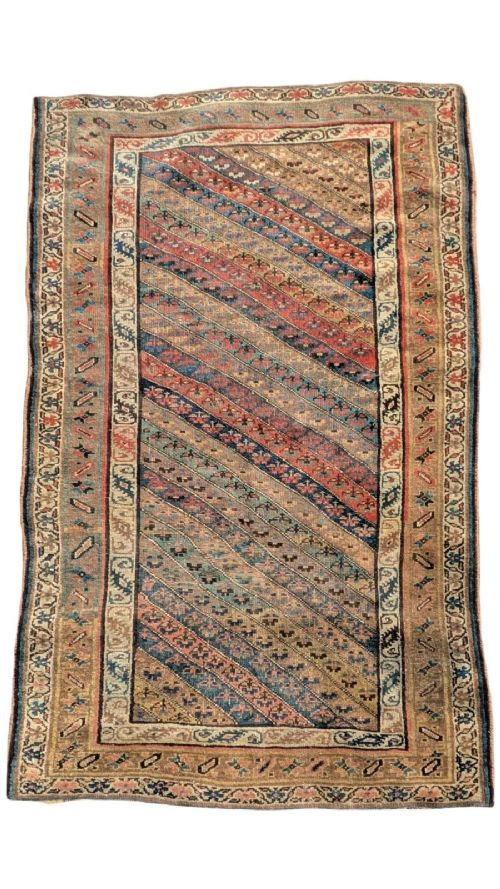
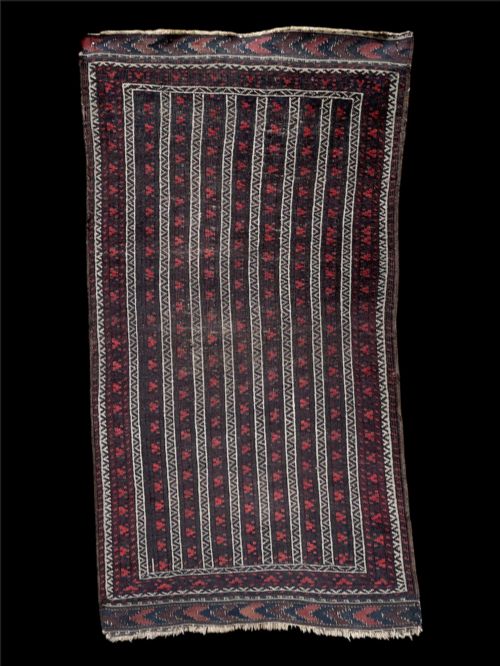
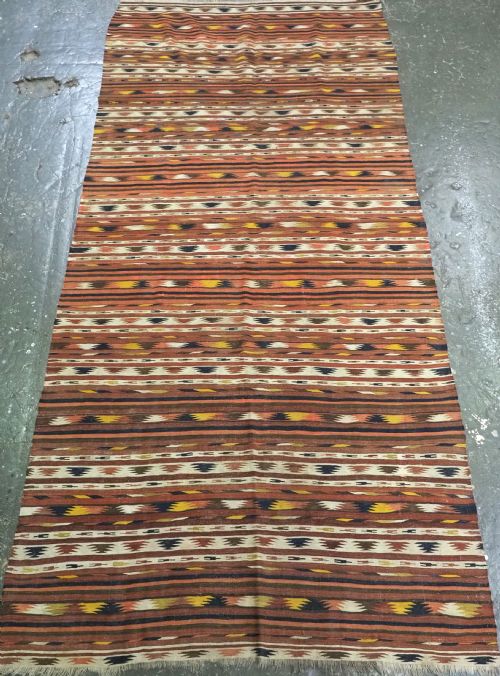
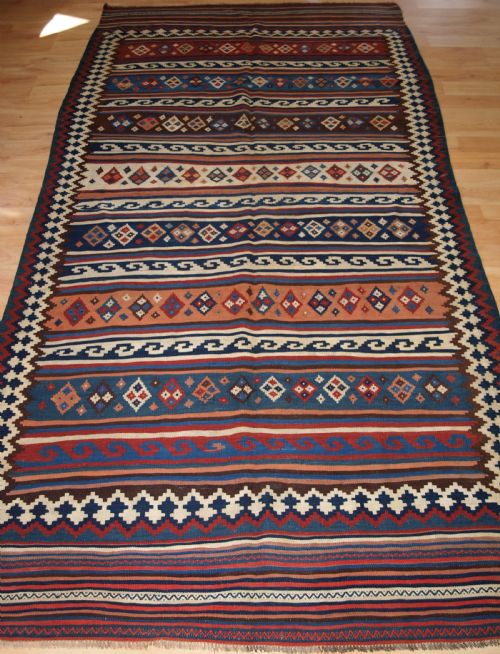
A traditional striped woven rug brings together geometric tribal patterns and flatweave construction from Central Asian, Caucasian, and nomadic traditions. When you search for a traditional striped woven rug, you encounter kilims, runners, and chuval faces dating from the late nineteenth and early twentieth centuries.
The most common examples on this page are Central Asian Uzbek gajeri and tartari kilims, alongside Turkmen and Baluch tribal textiles. These pieces feature banded designs, chevron patterns, and fine flatweaves produced by nomadic and village weavers around eighteen-eighty to nineteen-twenty.
What varies in quality
Quality in these textiles rests upon the precision of the weave and the complexity of the banded or graphic design. Pieces with finer weaves and well-preserved natural dyes occupy the upper tier of the range.
The integrity of the wool and cotton materials, alongside the crispness of the tribal motifs, distinguishes an ordinary domestic textile from a finer regional example. Surviving elements such as original backs on chuval faces also elevate the standing of a piece.
The listings span from eighteen-eighty to nineteen-twenty, featuring wool, cotton, and natural dyes across Central Asian, Baluch, and Caucasian tribal styles.
The Traditional Striped Woven Rug Glossary
- Kilim
- A flatwoven carpet or rug produced without a pile across various regions of the Caucasus and Central Asia. These textiles rely on interlocking weft threads to form sharp geometric patterns.
- Chuval
- A large tent bag face made by Turkmen tribes, often featuring traditional guls and banded designs. Collectors prize them for their dense weaving and rich regional iconography.
- Gajeri
- A specific style of Uzbek flatweave characterised by bold bands of colour and crisp geometric arrangements. These textiles display the graphic sensibilities of Central Asian makers.
- Safid
- A descriptor applied to certain Uzbek tartari kilims denoting specific colour arrangements or regional weaving traits. They form part of the broader spectrum of early twentieth-century Central Asian flatweaves.
- Natural Dyes
- Colourants derived from plant, insect, and mineral sources prior to the widespread adoption of synthetic aniline dyes. Their presence ensures a harmonious ageing process in antique textiles.
Traditional Striped Woven Rug: Frequently Asked Questions
How do I clean a traditional striped woven rug?
Surface dust should be removed regularly using gentle suction without a beating attachment. Professional specialist cleaning is necessary for deeper maintenance to protect the wool fibres and natural dyes.
Water and household detergents must be avoided to prevent colour bleeding and fibre degradation. Prompt attention by a textile conservator handles any accidental spills safely.
Can I place these rugs on the floor?
These flatwoven textiles function well as floor coverings in areas of moderate foot traffic when paired with a suitable underlay. The underlay prevents slipping and cushions the weave against hard surfaces.
Heavily used corridors benefit from rotation to distribute wear evenly across the length of the runner. Many collectors also mount finer tribal pieces on walls to protect them from direct foot traffic.
How do I date a traditional striped woven rug?
Dating relies on assessing the materials, weave structure, and dye types present in the textile. Natural dyes and hand-spun wool foundations generally point towards late nineteenth or early twentieth-century production.
Regional motifs and structural characteristics further refine the period of manufacture. Comparing piece construction against documented examples from known tribal origins provides additional chronological clarity.
What is the difference between a kilim and a rug?
A kilim is a flatwoven textile made without any raised pile by tightly interweaving warp and weft threads. Traditional rugs often incorporate a knotted pile that creates a plush surface texture.
Flatweave kilims tend to be lighter and reversible, whereas piled carpets offer greater thickness underfoot. Both forms share similar regional origins and wool or cotton material bases.