

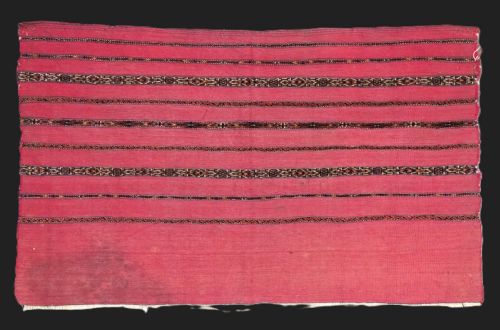
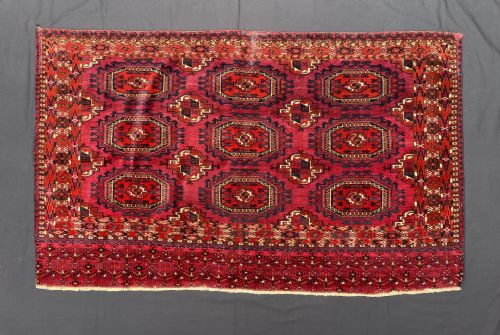


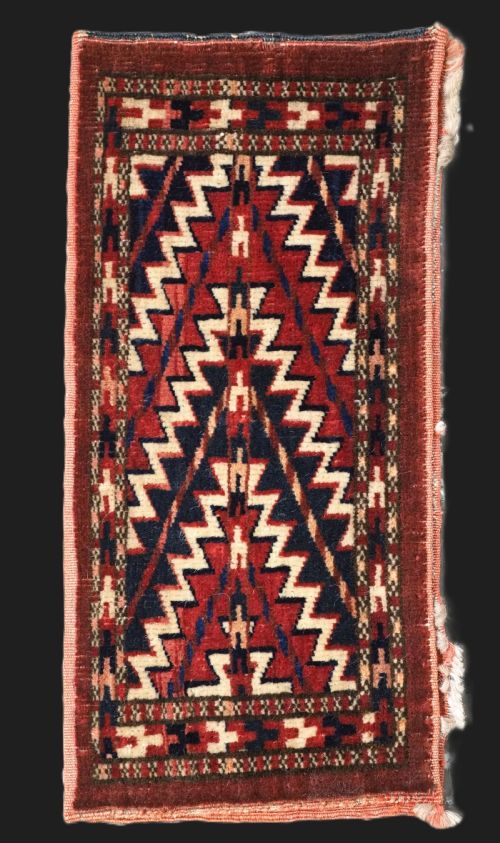

Nomadic Wool Storage Bag
These nomadic wool storage bags bring the rich, tactile heritage of nineteenth-century tribal weaving directly into modern domestic interiors.
Nomadic Wool Storage Bag
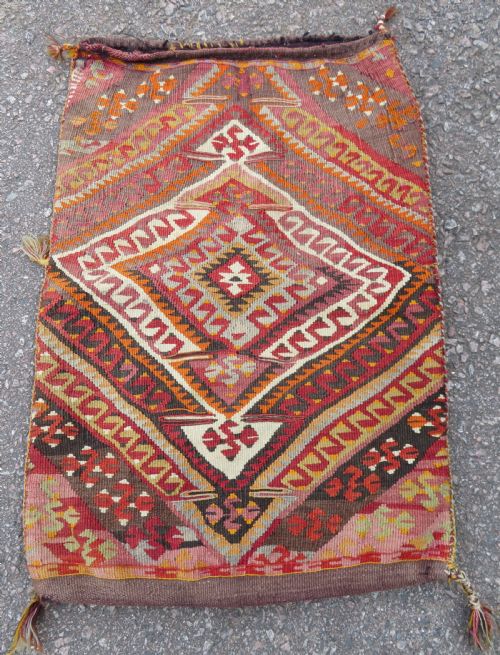
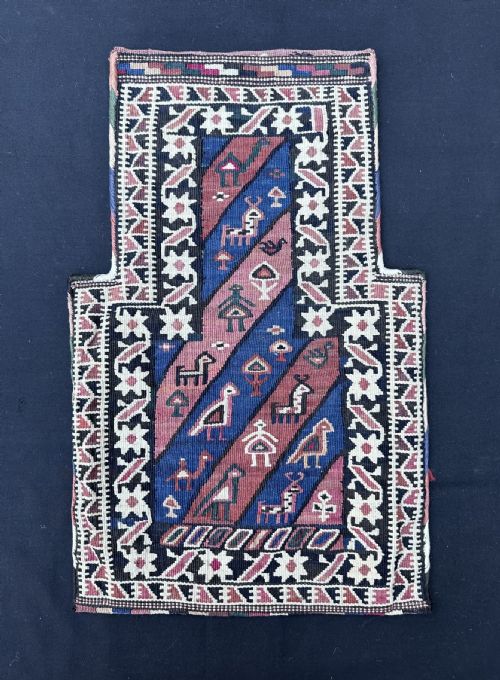
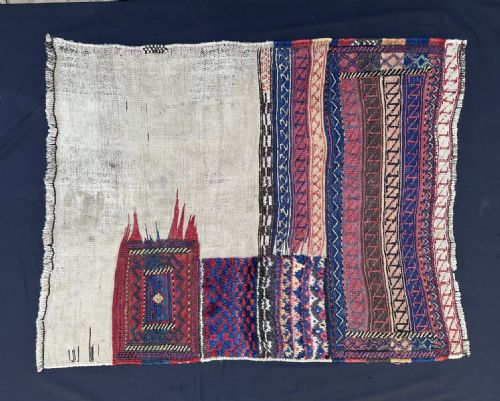
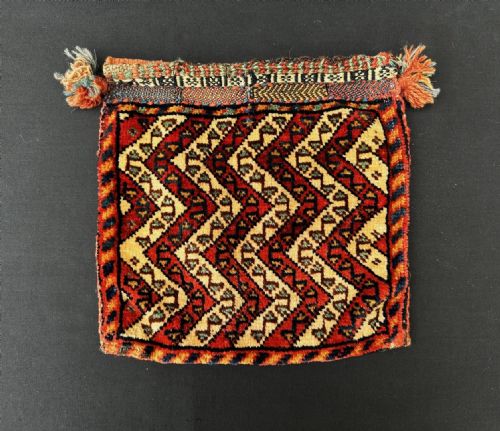
A nomadic wool storage bag represents the utilitarian textiles produced by tribal groups across Central Asia, Persia, and the Caucasus during the nineteenth and early twentieth centuries. These items served practical purposes in camp life, functioning as containers for bedding, grain, salt, or personal belongings.
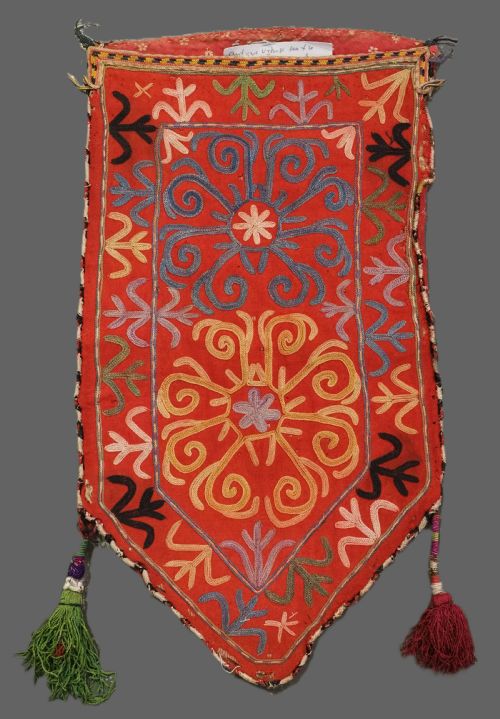
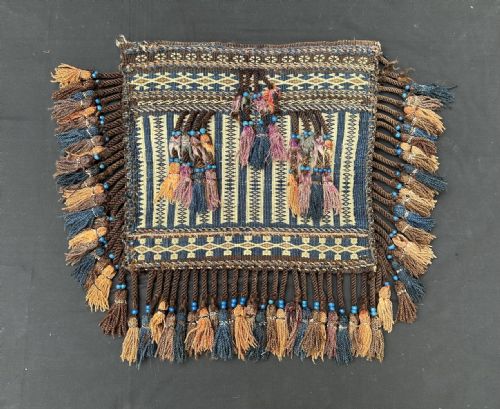
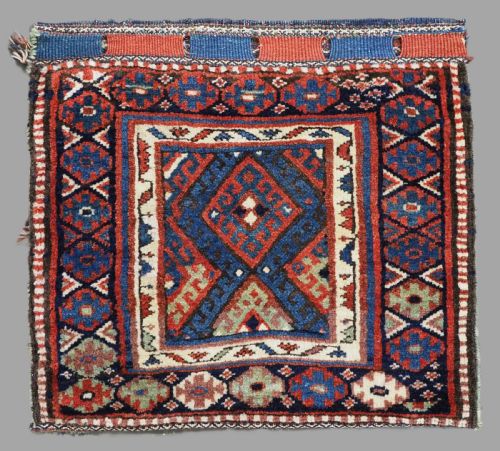
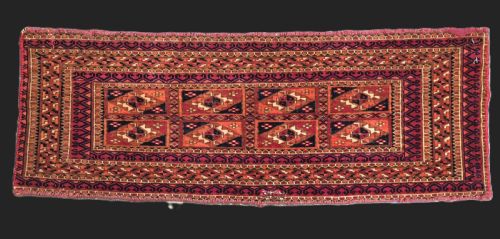
The selection frequently includes pieces attributed to Turkmen tribes such as the Tekke, Yomut, and Ersari, alongside examples from Baluch, Bakhtiari, Kurdish, and Lakai Uzbek makers. Forms range from large storage sacks and tent-pole bags to smaller face fragments and specialised pouches.
Buyers encounter complete pieces retaining their original plain weave backs alongside isolated bag faces intended for display as wall hangings. Each regional style utilises distinct structural formats and tribal motifs passed down through generations.
Materials and Construction
Weavers relied primarily on hand-spun wool for the pile and foundation, often incorporating cotton for structural strength and goat hair for durability along the edges. Natural dyes provided the deep reds, browns, and secondary tones characteristic of these tribal textiles.
Certain pieces integrate supplementary materials such as silk highlights, dyed yarn, and glass beads to accent the primary design elements. The combination of pile weaving, flatweave techniques, and embroidery demonstrates the diverse skill sets within nomadic communities.
Evaluating the Weaving
The density and precision of the knotting or flatweave structure dictate the physical caliber of the textile. Tighter, more refined execution yields a durable surface that preserves intricate geometric patterns with clarity.
Completeness significantly influences the character of the object. Examples that retain their original plain-weave backs, hanging loops, and structural integrity offer a more authentic representation of their original utilitarian function.
The Nomadic Wool Storage Bag Glossary
- Chuval
- A large Turkmen storage bag traditionally used for bedding and household goods. These pieces typically feature multiple rows of guls across the face.
- Torba
- A smaller Turkmen storage bag, often wider than it is tall, used inside the yurt for domestic storage. They frequently display detailed medallions and hooked motifs.
- Mafrash
- A rectangular storage sack or bedding bag produced by various nomadic groups, often woven in flatweave or pile techniques. Complete examples form box-like structures.
- Gul
- A primary medallion or repeating tribal motif found on Central Asian carpets and storage bags. Each pattern often identifies a specific tribe or sub-group.
- Okbash
- A specialised tent-pole bag designed to cover and protect the ends of wooden struts in a nomadic dwelling. These items possess a distinct tapered silhouette.
Nomadic Wool Storage Bag: Frequently Asked Questions
What were nomadic wool storage bags used for?
Nomadic groups utilised these bags inside portable dwellings to organise and transport bedding, clothing, grain, and personal possessions. Their robust construction protected contents from dust and dampness during seasonal migrations.
Over time, these utilitarian objects became markers of tribal identity and status, often forming part of a bride's dowry. Their designs recorded ancestral patterns and regional affiliations specific to each weaving community.
How do I care for a tribal storage bag?
Gentle vacuuming with a low suction setting helps remove surface dust without disturbing the wool fibres or fragile edges. Keeping the textile away from direct sunlight prevents natural dyes from fading over time.
Professional textile conservators should handle any wet cleaning or structural repairs. Allowing the wool to breathe periodically ensures the natural fibres remain stable in indoor environments.
How can I tell different tribal designs apart?
Tribal attribution relies on specific structural formats, colour palettes, and repeating motifs unique to each region. Turkmen pieces often showcase distinct guls, while Persian and Caucasian examples utilise varied geometric borders and flatweave structures.
Comparing knot density, secondary materials like cotton or goat hair, and technical finishing provides further clues to geographic origin. Each weaving group maintained strict adherence to traditional design vocabularies.
Can these antique bags be hung on a wall?
Many collectors display bag faces and complete textiles as wall art to showcase their intricate patterns and rich textures. Proper mounting requires a padded support system that distributes the weight evenly across the upper edge of the textile.
Using conservation-grade Velcro or a custom sleeve prevents stress on the historic wool foundation. This method protects the structural integrity of the piece while offering clear visual access to the design.