

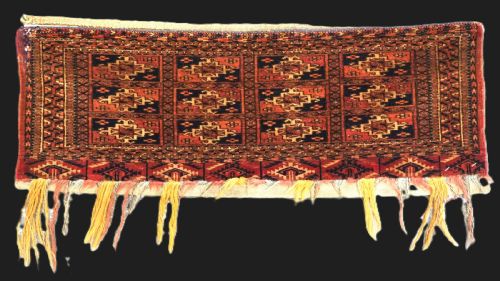


Terracotta Wool Textile
When you explore a terracotta wool textile, you engage with centuries of nomadic artistry woven into enduring tribal rugs and decorative hangings.
Terracotta Wool Textile
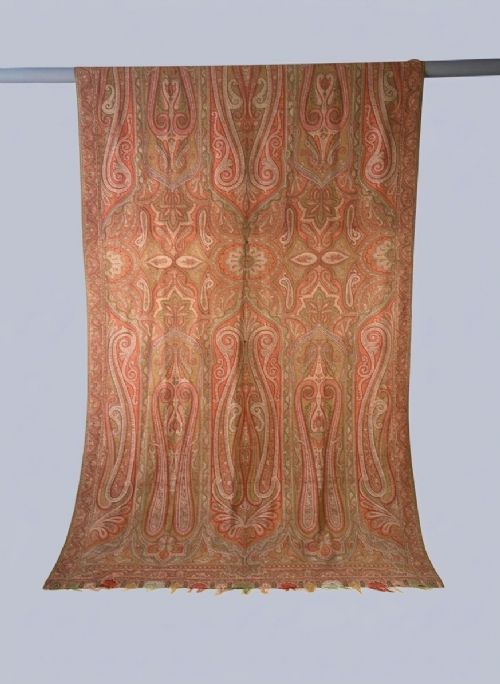
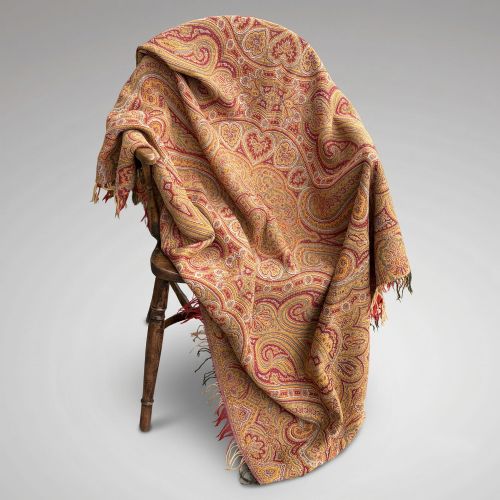
A terracotta wool textile encompasses hand-woven rugs, saddle bags, wall hangings, and traditional shawls originating from tribal and nomadic makers across Central Asia, the Caucasus, and Persia.
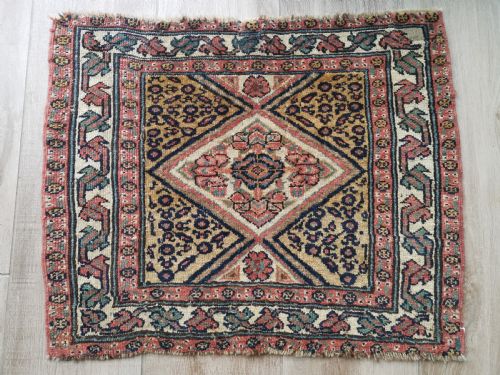
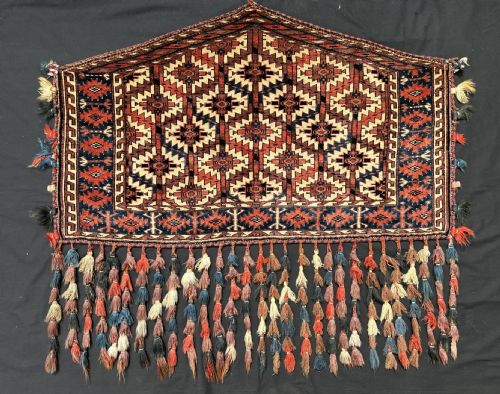
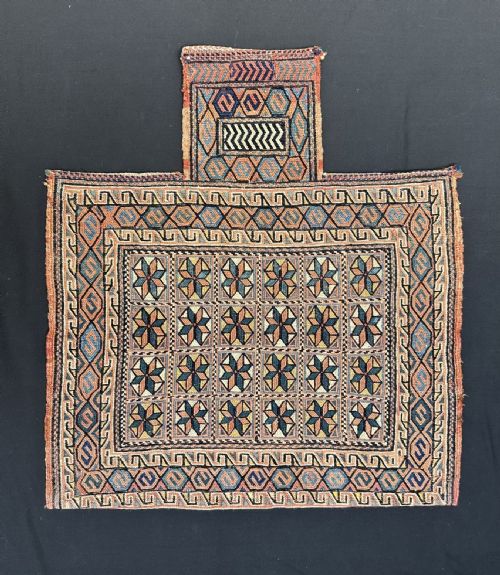
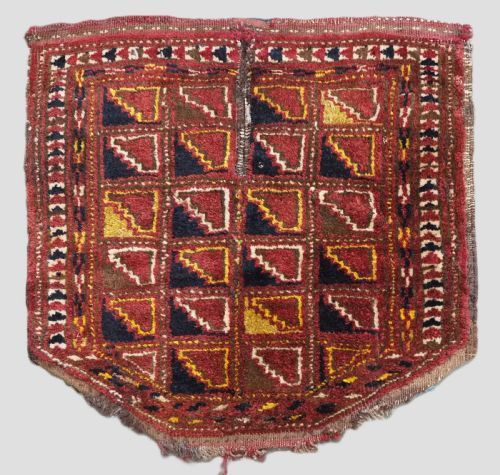
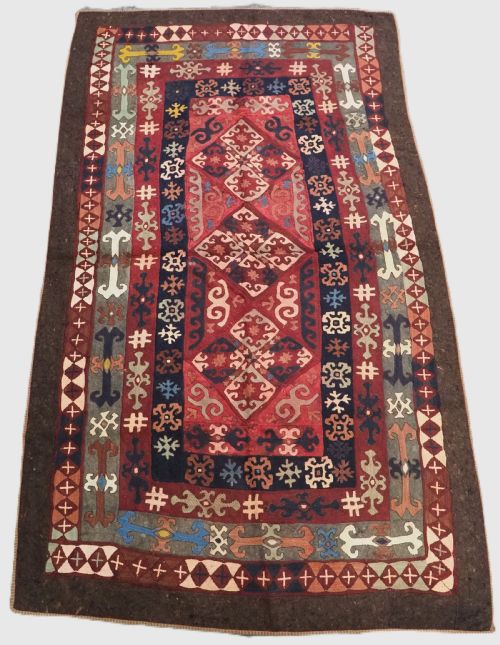
Buyers seeking this aesthetic will most frequently encounter nineteenth and early twentieth-century examples, including Turkmen torbas, Persian bag faces, and detailed kilim panels.
How They Were Made
The pieces rely primarily on hand-spun wool and cotton, often coloured with natural dyes that yield rich terracotta, madder, and earthy tones over time.
Weavers utilised techniques ranging from fine hand-knotting to flatweave flatwork, soumac wrapping, and intricate embroidery on felt or wool grounds.
Some antique saddle bags still harbour stubborn grains of desert sand tucked deep within their hand-spun wool knots.
What Varies in Quality
Quality rests upon the tightness of the weave, the clarity of tribal motifs such as guls and medallions, and the integrity of surviving wool pile or flatwork.
Pieces that retain original backs, tassels, and complete border structures command greater interest from collectors than fragmentary panels.
The Terracotta Wool Textile Glossary
- Torba
- A small storage bag produced by Turkmen tribes, traditionally used inside nomadic tents for household possessions. These pieces often feature characteristic guls and detailed border work.
- Mafrash
- A rectangular storage bag or trunk panel used for bedding and household goods during nomadic migrations. They are frequently encountered as flatweaves or soumac-faced panels.
- Gul
- A repeating primary octagonal medallion motif used extensively in Turkmen and Central Asian tribal weaving. Each tribal group typically utilised distinct variations.
- Soumac
- A flatweave technique employing wrapping supplementary weft threads over the warp to create a textured, durable surface. This method offers greater structural firmness than standard kilim weaving.
- Chanteh
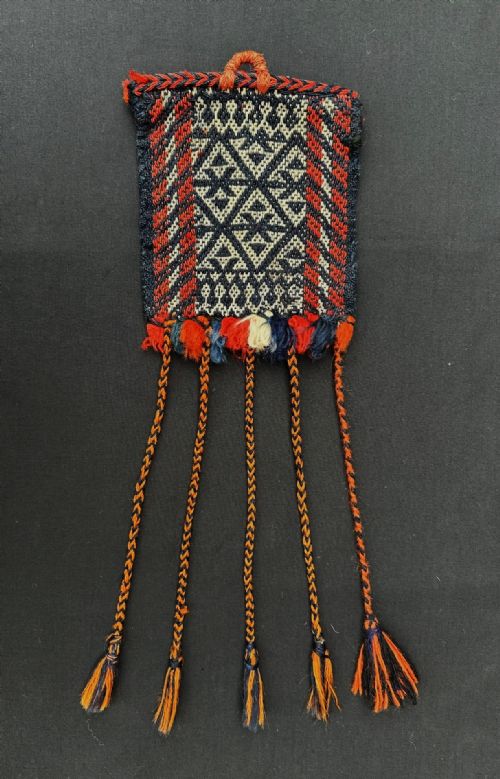
- A small traditional tribal bag or pouch used by nomads for personal items or as a saddle accessory. They display concentrated examples of regional weaving styles.
Terracotta Wool Textile: Frequently Asked Questions
What is a terracotta wool textile?
It is a hand-woven textile, rug, or bag originating from nomadic and tribal cultures in regions like Central Asia and Persia. These items utilise natural wool and earthy dyes.
They represent historical utilitarian objects that have evolved into sought-after decorative and collectible textile art.
How were these tribal textiles used?
Nomadic groups utilised them as storage bags, saddle covers, tent doorway hangings, and floor coverings in daily camp life. Many pieces also served specific ceremonial functions or formed part of a bride's dowry.
Their robust construction was designed to withstand the rigours of seasonal migration and daily handling.
How do I care for antique wool textiles?
Keep them out of direct sunlight to prevent natural dyes from fading over time. Gentle vacuuming without a rotating brush helps remove embedded dust safely.
Professional textile conservators should handle any significant cleaning or structural stabilization needed for older pieces.
How can I tell different tribal designs apart?
Tribal attribution relies on identifying specific repeating motifs, such as Yomut kepse guls or Tekke chuval patterns, alongside structural traits. Colour palettes and weaving techniques also provide strong indicators of regional origin.
Reference literature on Caucasian, Persian, and Turkmen rugs assists greatly in narrowing down specific tribal groups.