


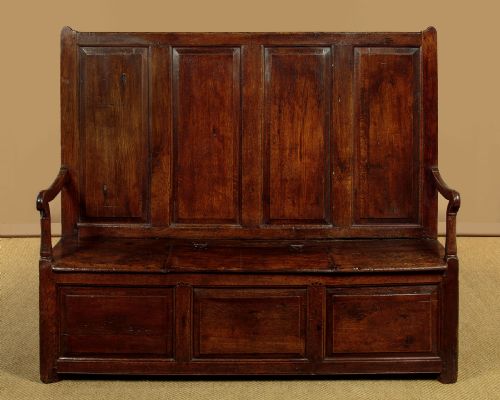
Traditional Storage Box
A traditional storage box organises linen, woollens and household goods, bringing solid timber construction and centuries of utilitarian design into modern rooms.

Traditional Storage Box
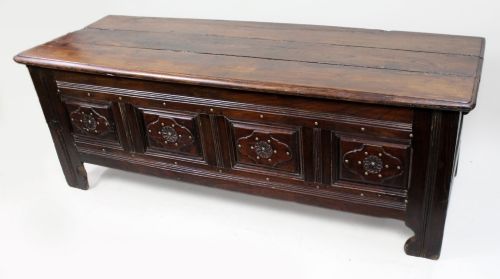
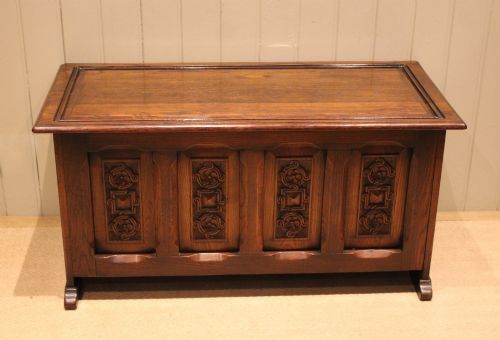
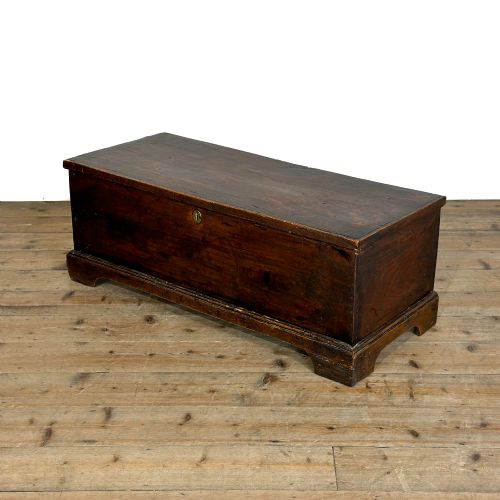
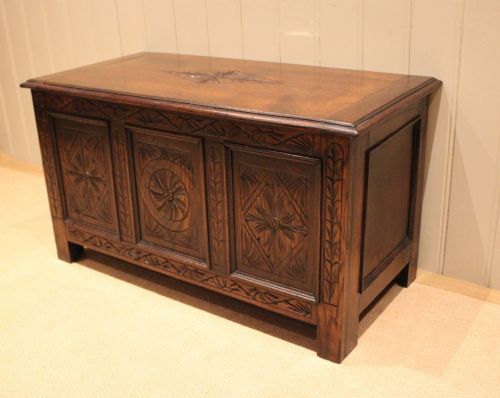
A traditional storage box encompasses robust coffers, blanket chests, trunks and box settles spanning from the seventeenth century through to the early twentieth century. These domestic containers served essential household functions, holding textiles, flour, tools and personal belongings in everyday rooms.
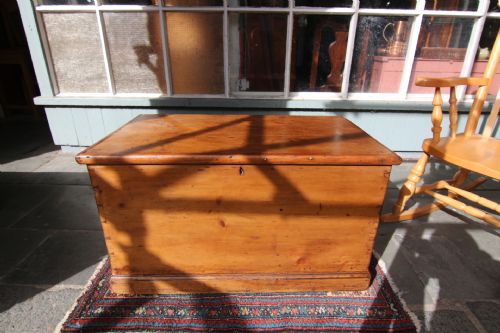
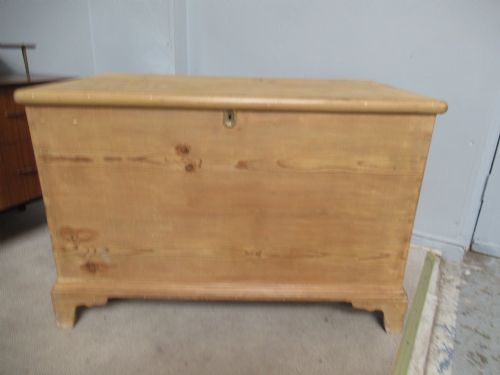
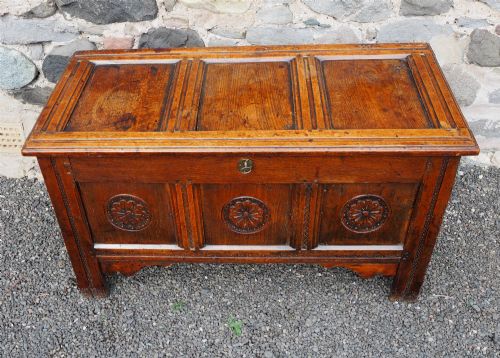
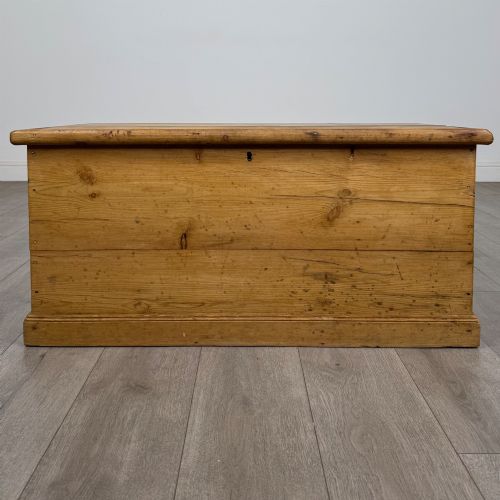
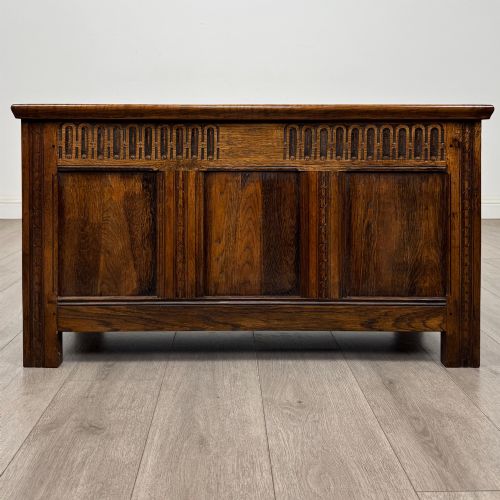
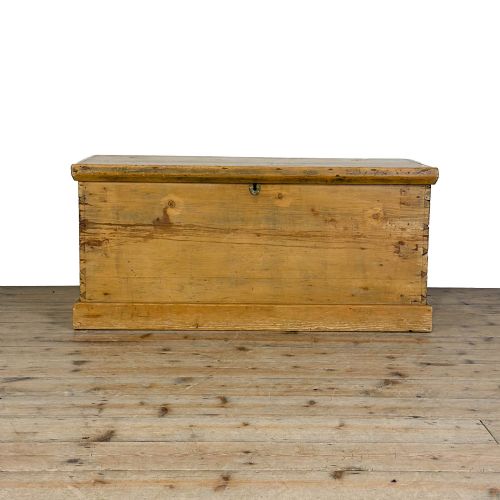
The versions most frequently encountered on this page are constructed from oak and pine, taking the form of plain six-plank chests, panelled coffers or lift-top settle seats. Examples range from vernacular Welsh country pieces and Georgian oak chests to Victorian stripped pine blanket boxes and French provincial coffers.
Makers utilised resilient native hardwoods and softwoods to build sturdy containers that survived generations of practical use. Many pieces display simple dovetailed corners, pegged mortise and tenon joints, or hand-forged iron strapwork reinforcing the structural frame.
Distinctions in quality
The standard of a traditional storage box depends upon the integrity of the timber selection and the precision of the primary joinery. Finely executed pegged frames, substantial lid thickness and well-preserved original hinges distinguish superior examples from plain utility pieces.
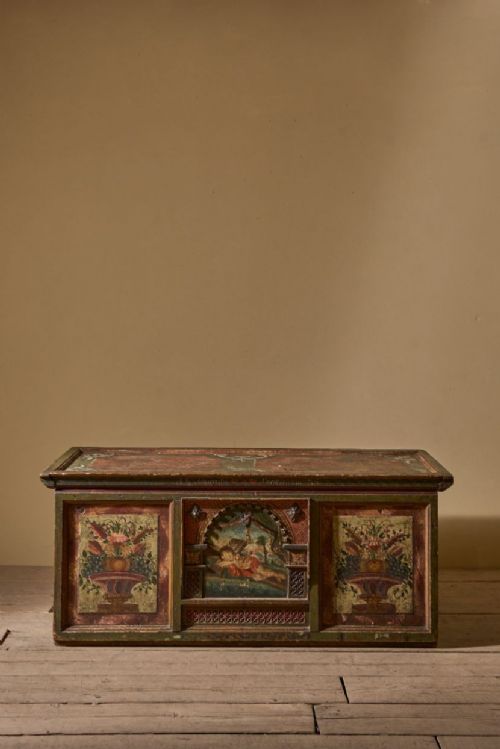
Carved detailing, panel moulding and crossbanded veneers indicate workshop ambition, separating simple vernacular items from high-status regional furniture. The retention of unblemished interior timber and original hardware holds considerable weight in establishing the merit of a piece.
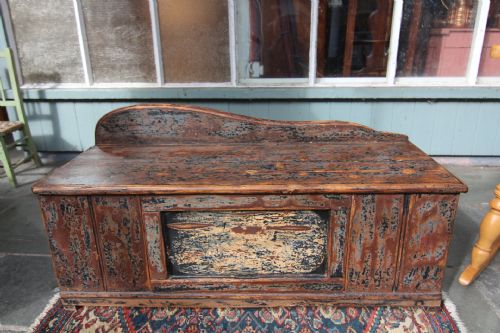
Early Welsh box settles offered double utility: families sat beside the hearth on top while the grain and flour remained safely sealed underneath.
The Traditional Storage Box Glossary
- Coffer
- A heavy wooden chest with a lid, used traditionally for storing valuables, linen or documents. These sturdy containers often feature panelled construction and pegged joints.
- Six-plank chest
- A primitive form of box constructed from six flat boards joined simply at the edges. This method represents one of the earliest surviving cabinet-making techniques.
- Box settle
- A wooden bench featuring a high back, armrests and a hinged seat opening to a storage compartment below. They provided dual utility in vernacular domestic interiors.
- Mule chest
- A blanket chest fitted with one or more drawers beneath the main storage well. This form emerged during the Georgian period to combine chest and drawer storage.
- Crossbanding
- A decorative border of veneer laid around the edges of a panel so that the grain runs at right angles to the main surface. It adds visual refinement to mahogany and oak furniture.
Traditional Storage Box: Frequently Asked Questions
What were traditional storage boxes used for originally?
These containers held heavy woolen blankets, household linen, flour, grain and personal valuables securely away from damp stone floors. Families relied on them as the primary locking furniture before fitted wardrobes and cupboards became common.
Over time, utilitarian boxes evolved into display pieces in hallways and living rooms, adapting to modern domestic storage without losing their practical capacity.
How do I date an oak coffer?
Dating relies upon examining the construction joints, tool marks and framing methods used by the carpenter. Early seventeenth-century pieces typically feature hand-riven oak panels, pegged mortise and tenon frames, and hand-forged iron strap hinges.
Later Victorian and revival pieces often display machine-sawn timber, standardised screw fixings and lighter interior construction compared to their heavy seventeenth and eighteenth-century predecessors.
Where should I place a blanket box at home?
A blanket box sits naturally at the foot of a bed, serving as a linen store and an impromptu seat for dressing. Smaller pine and oak chests also function effectively as low coffee tables or hallway window seats.
Keep wooden boxes away from direct radiator heat and damp exterior walls to prevent timber shrinkage, warping or splitting of the historic boards.
What is the difference between a chest and a coffer?
The terms are often used interchangeably, but a coffer traditionally denotes a more substantial, panelled wooden chest, frequently possessing a domed or flat lid secured with heavy iron locks. They were status objects used for church valuables and high-status household goods.
A chest generally refers to simpler utilitarian box forms, such as six-plank pine blanket boxes or plain elm storage bins built for everyday domestic chores.