



Large Pine Blanket Chest
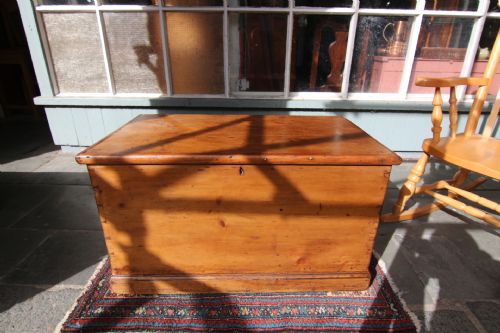
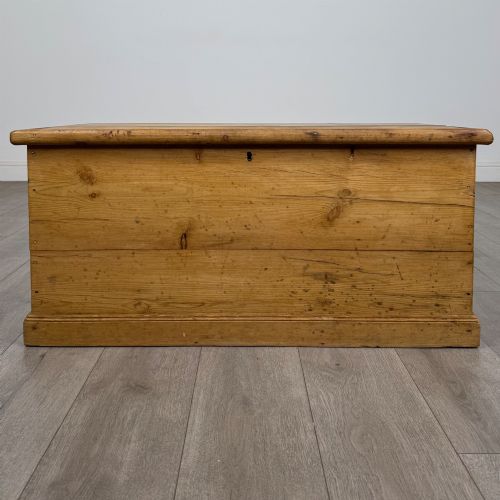
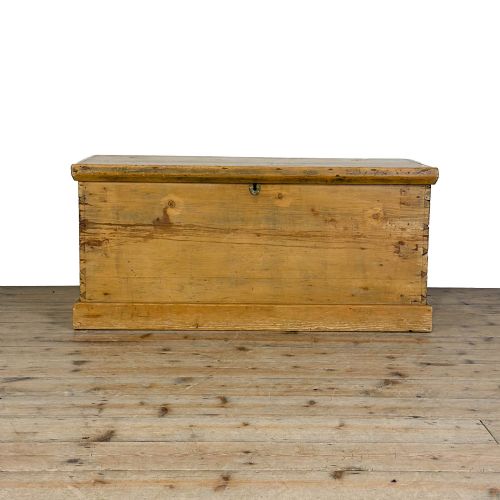
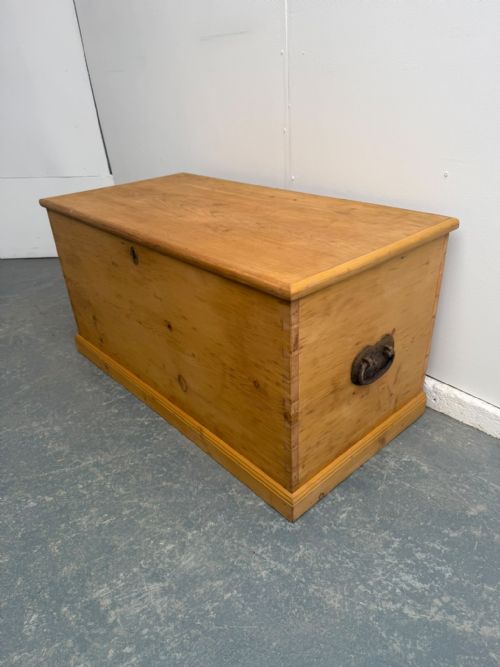
A large pine blanket chest is a substantial storage box built from softwood, offering deep interior capacity for textiles and household goods.
Large Pine Blanket Chest
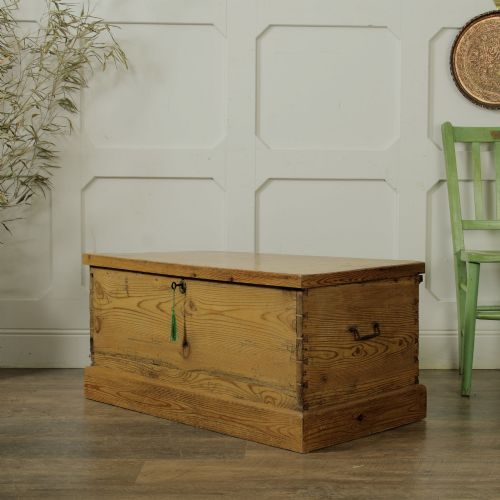
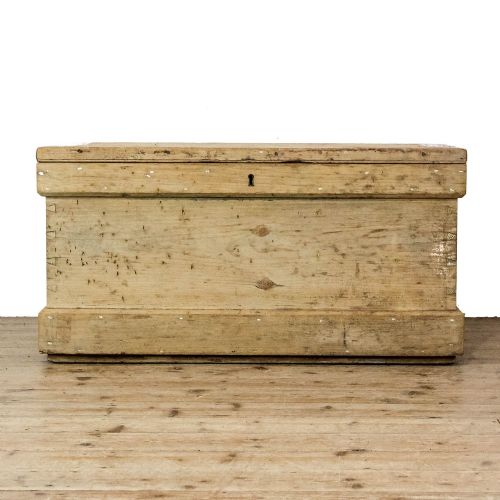
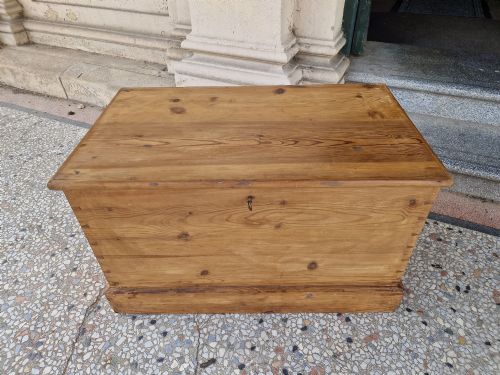
A large pine blanket chest serves as a robust storage receptacle, originating primarily across the nineteenth and Georgian periods. These pieces include mule chests fitted with internal or bottom drawers, dome-top trunks, and flat-top storage boxes.
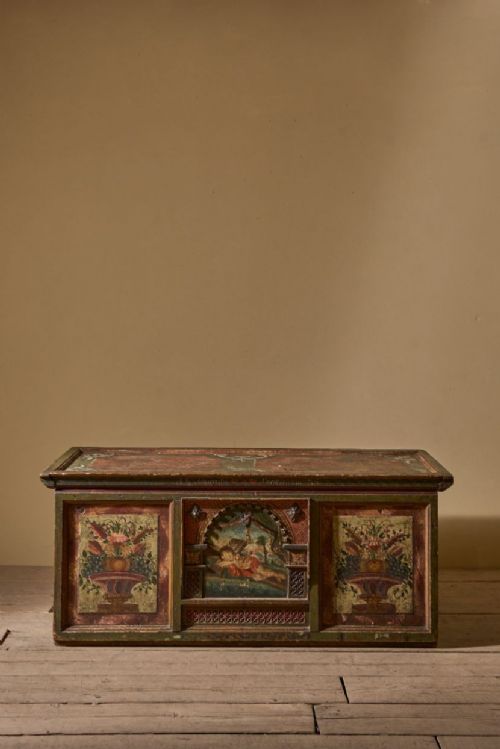
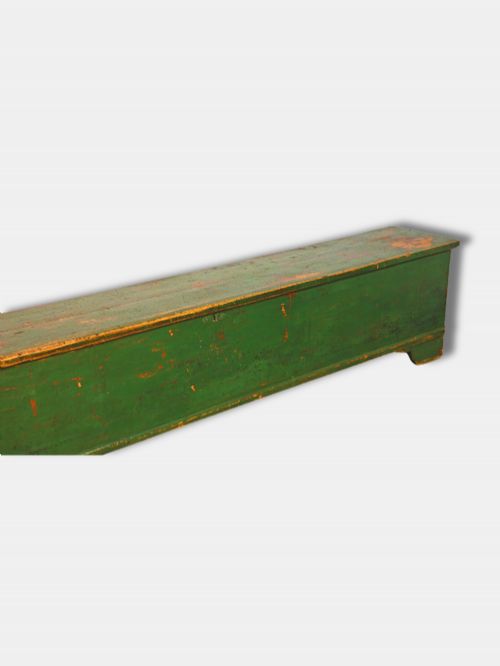
The versions most frequently encountered on this page belong to the Victorian era and the nineteenth century, finished with either waxed surfaces or painted decoration. Makers constructed them for utilitarian service in domestic interiors, workshops, and maritime settings.
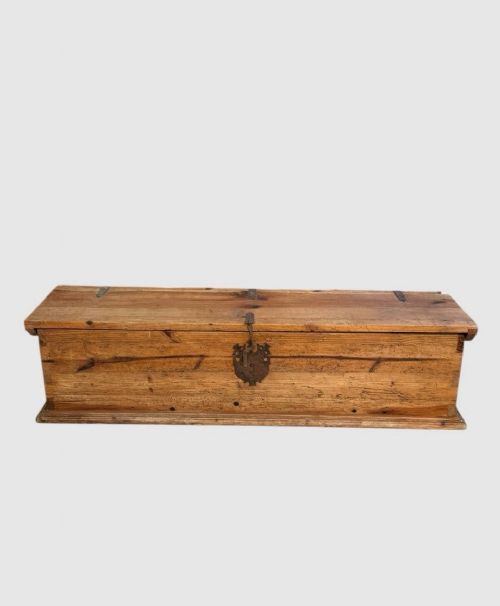
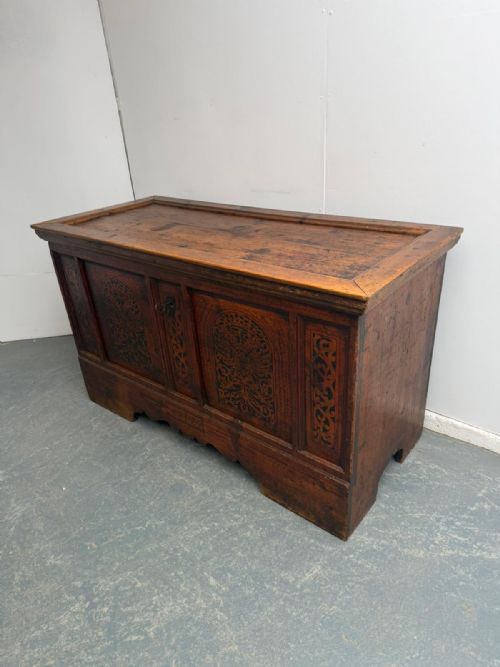
Regional variants range from English country workshops to Hungarian, Scandinavian, and French provincial origins. Forms vary from simple plank construction on stile feet to iron-bound and brass-accented coffer boxes.

How They Were Made
Carpenters built these chests using solid pine and pitch pine planks, joined with sturdy corner construction and occasionally reinforced with iron or brass straps. Surfaces received various treatments including wax polishing, clear stripping, scumble glaze, and pigmented paint.
Interior fittings included internal tills, secret drawers, and multi-drawer arrangements in mule chest variants. Hardware such as metal hinges, brackets, and drop handles provided structural endurance for heavy daily use.
Large Pine Blanket Chest Retail Price Guide 2026
Typical asking prices for large pine blanket chest among the pieces listed under this phrase on Sellingantiques today, from the lower quarter to the upper quarter. They describe what is for sale here now, not the wider market.
Several trunks conceal secret compartments, proving that nineteenth-century carpenters enjoyed hiding extra drawers where nobody would think to look.
What Varies in Quality
Quality rests upon the integrity of the timber, the thickness of the pine boards, and the retention of original surface treatments like period paint or early wax finishes. Pieces retaining functional internal drawers, secret compartments, or original iron hardware demonstrate superior craftsmanship.
Proportion and scale distinguish standard boxes from exceptional large-scale coffers, mule chests, and domed trunks. Original feet, sound structural framing, and undisturbed patination elevate the standing of an individual piece.
The Large Pine Blanket Chest Glossary
- Mule chest
- A storage chest fitted with one or more drawers beneath the main lift-top compartment. This form bridges the traditional coffer and the modern chest of drawers.
- Pitch pine
- A dense, resinous variety of pine timber utilised for robust furniture and trunk construction. It provides greater weight and durability than standard softwood.
- Scumble
- A decorative painting technique involving a translucent glaze dragged over an opaque base coat. Craftsmen used this method to imitate finer hardwoods or create patterned surfaces.
- Kist
- A traditional regional term for a heavy wooden storage chest or box. These pieces typically served domestic utility in Scottish and northern European contexts.
- Till
- A small internal compartment or shallow box fixed inside a larger chest. It held smaller personal items separate from the main blanket storage.
Large Pine Blanket Chest: Frequently Asked Questions
What is a mule chest?
A mule chest combines a traditional lift-top blanket box with one or more drawers built into the base. This hybrid form gained popularity because users could access stored items in the drawers without lifting the heavy lid.
Evidence in the listings shows examples featuring internal tills and secret drawers alongside the main storage cavity.
How do I identify a Victorian pine trunk?
Victorian pine trunks typically feature solid softwood construction, dovetailed or finger-jointed corners, and iron or brass hardware. Many show waxed finishes, while others retain early painted surfaces or scumble glaze.
Pieces from this nineteenth-century period often include heavy carrying handles, domed or flat lids, and internal candle boxes or small tills.
Where were painted pine chests made?
Painted pine chests originate from various domestic and continental European workshops, including Hungarian, Scandinavian, Dutch, and English rural regions. Makers decorated these boxes with pigments, folk art motifs, and coloured washes.
Surviving examples demonstrate regional preferences for specific pigments such as teal, green, and cream.
How do I care for a waxed pine chest?
Waxed pine surfaces require occasional re-waxing with a suitable beeswax polish to maintain the timber's moisture and sheen. Avoid placing antique chests in direct sunlight or near heat sources to prevent wood splitting.
Gentle dusting with a dry cloth preserves the accumulated patina developed over centuries of use.