


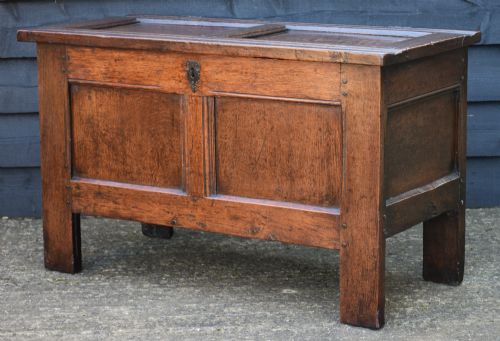
Rustic Wooden Storage Box
A rustic wooden storage box offers honest utility and character, bringing everyday history into modern rooms.
What these rustic wooden storage boxes are
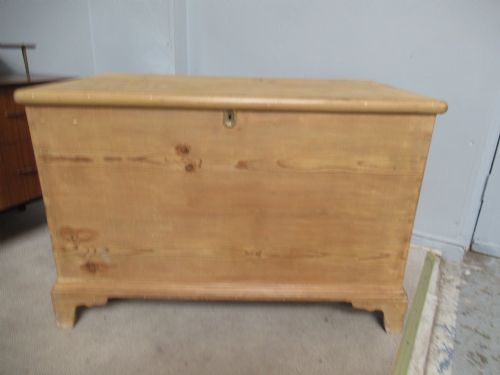
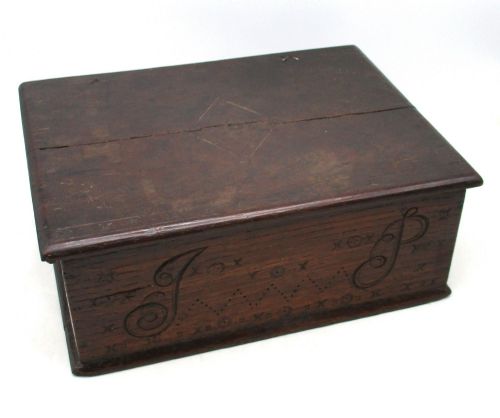
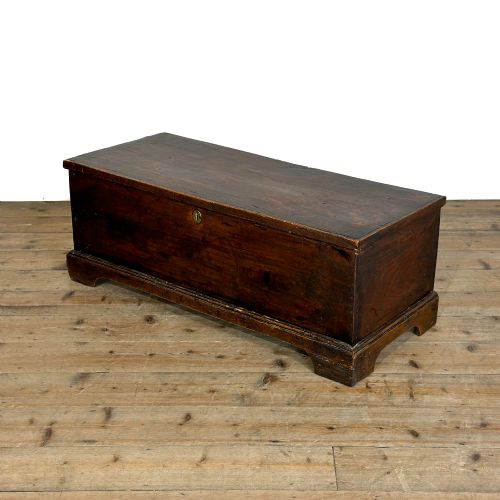
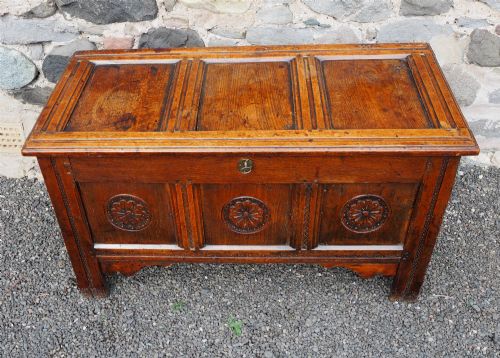
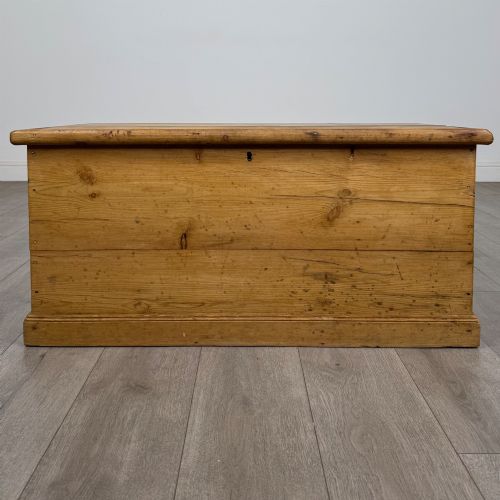
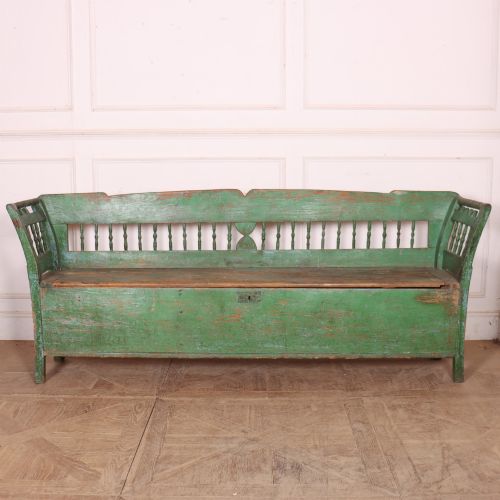
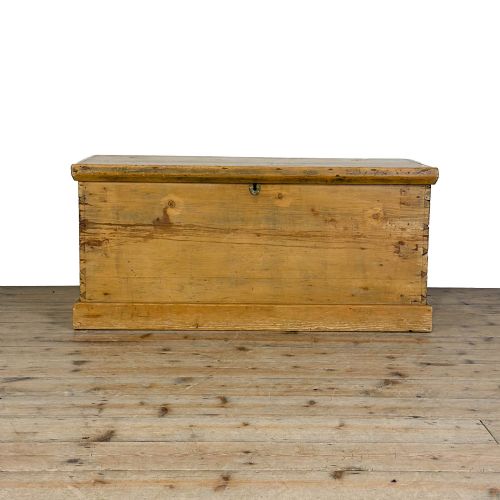
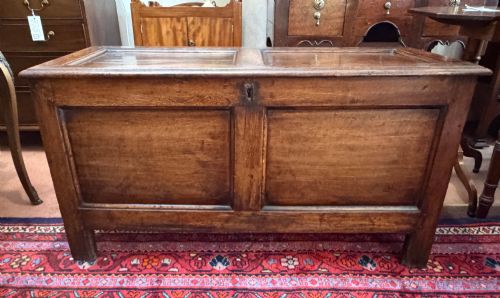
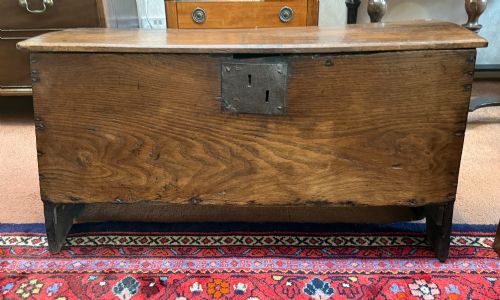
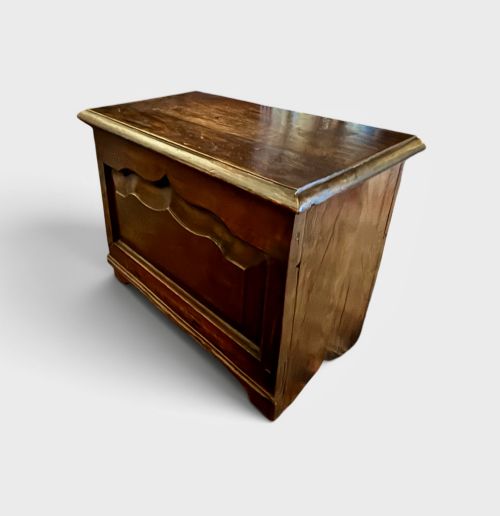
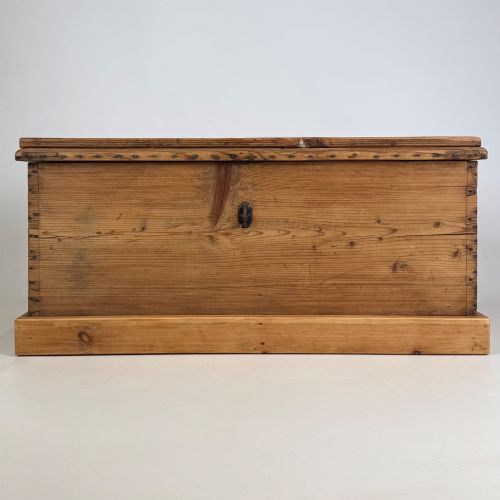
A rustic wooden storage box spans utilitarian chests, trunks, and baskets built to hold tools, blankets, or household goods. Buyers searching for a rustic wooden storage box encounter 19th Century and Victorian items shaped by practical demands.
The selection here includes pine tool chests, blanket boxes, hand-woven pine baskets, and hand-painted Swedish boxes. These pieces reflect Scandinavian country and rustic farmhouse traditions through straightforward construction and durable materials.
How they were made
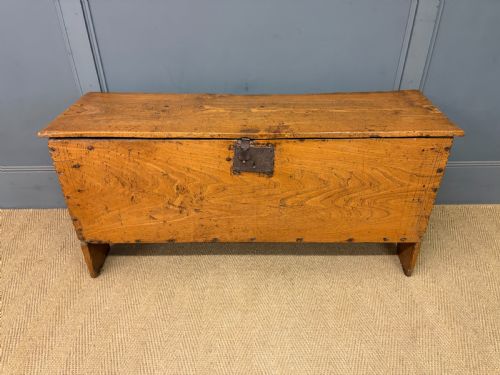
Makers built these pieces using solid pine and wood, often reinforcing joints and corners with exposed iron bands and hardware. These materials provided the structural strength needed for heavy daily storage and transport.
Surfaces show evidence of hand craftsmanship, ranging from natural woven pine to traditional hand-painted finishes. Utility dictated the design, leaving visible tool marks and simple joinery that highlight the construction process.
Retail Price Guide 2026
Typical UK retail prices for rustic wooden storage box, calculated from the Sellingantiques database of over a million retail prices indexed since 2003. This retail price guide relies exclusively on Sellingantiques data; no external sources or auction records are used, so the figures do not describe the wider market.
Trunks sometimes retain stray wood shavings tucked deep inside forgotten corners by Victorian carpenters.
What varies in quality
Quality rests in the integrity of the original construction and the preservation of authentic surface finishes. Pieces featuring intact iron bindings and original hand-painted decoration stand apart from heavily altered examples.
The subtlety of hand-woven pine or the preservation of an early painted surface dictates the visual weight of the piece. Superior examples retain their functional hardware and honest patination gained through decades of use.
The Rustic Wooden Storage Box Glossary
- Pine
- A softwood commonly utilised for utilitarian furniture and boxes throughout the nineteenth century. It takes paint well and develops a rich patination over time.
- Tool chest
- A heavy-duty box designed to protect and transport artisan implements. These often feature robust iron fittings and internal compartments.
- Blanket box
- A large chest intended for storing textiles and linens away from dust. They form a staple of country and farmhouse interiors.
- Hand-woven
- A construction technique utilising flexible strips of wood or plant fibres interlaced by hand. This method creates breathable storage baskets with considerable tensile strength.
Frequently Asked Questions
What were rustic wooden storage boxes used for?
These boxes served essential domestic and trade functions, holding tools, textiles, and household provisions securely. Their sturdy construction allowed them to withstand demanding daily environments.
Over time, items like blanket boxes and tool chests transitioned from utilitarian workshops and bedrooms into decorative household furnishings.
How do I date a 19th century pine box?
Dating relies on examining the construction methods, nail types, and iron hardware present on the piece. Hand-forged hinges and early paint layers often indicate a 19th Century origin.
Comparing the timber shrinkage and surface wear to known Victorian examples helps confirm the period of manufacture.
How do I live with a rustic wooden storage box?
These boxes function effectively as coffee tables, end tables, or deep storage receptacles in modern living spaces. Their neutral pine tones and iron accents blend easily with contemporary interiors.
Place them away from direct heat sources to prevent the pine timber from splitting or warping over time.
What is the difference between a trunk and a basket?
Trunks and chests are rigid wooden structures built with solid boards and metal reinforcement for heavy storage. Baskets utilise flexible woven pine materials, offering lighter, semi-enclosed storage.
Both categories provide practical storage solutions rooted in 19th Century country traditions.