





Antique Pine Tool Chest
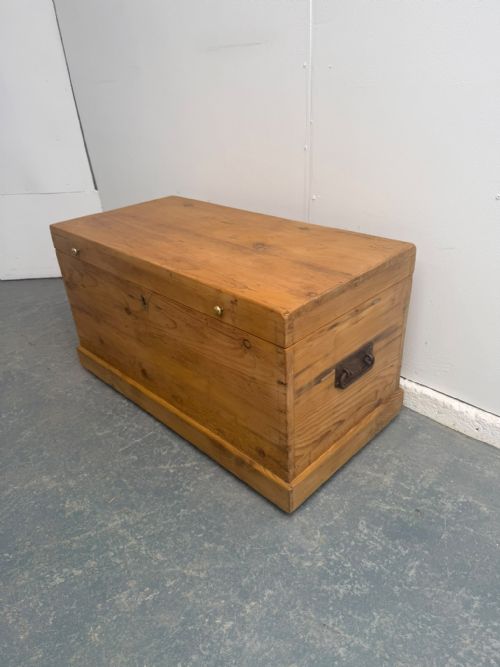
An antique pine tool chest is a sturdy utilitarian box built for trade work, offering robust storage with historic character.
Antique Pine Tool Chest
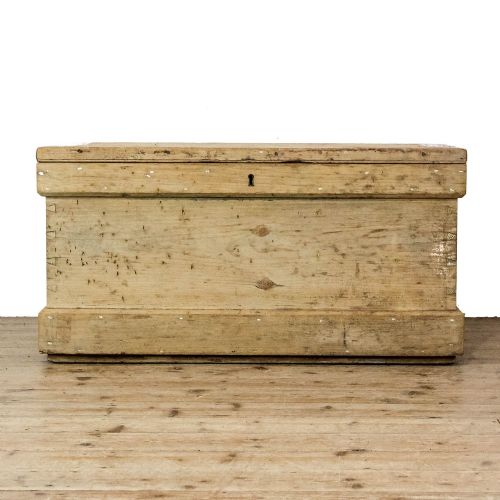
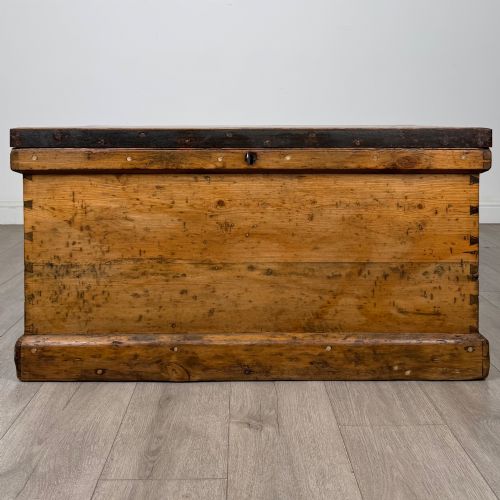
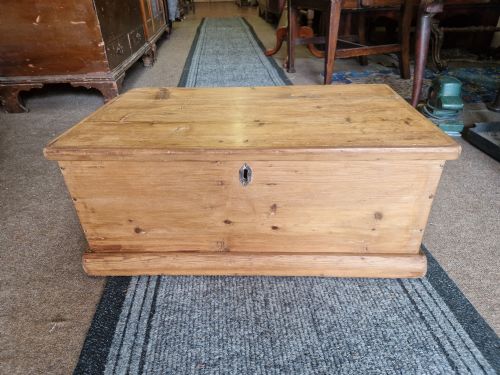
An antique pine tool chest brings heavy-duty historic utility into domestic spaces, functioning as a practical storage box, blanket chest or coffee table. When searching for an antique pine tool chest, buyers encounter robust containers built for carpenters, shipwrights, farriers and railway workers.
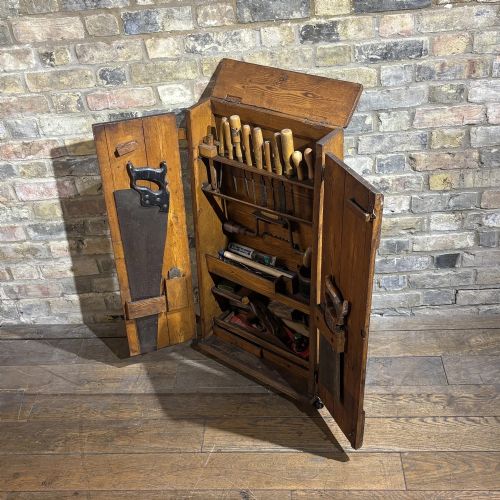
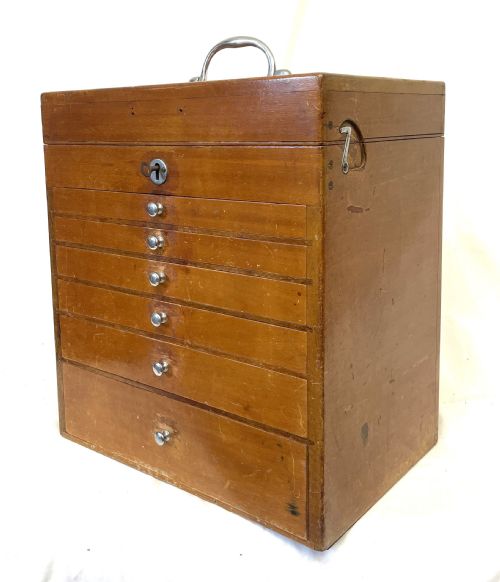
The pieces appearing here stem largely from the Victorian era and the nineteenth century, alongside Edwardian and early twentieth-century examples. Forms range from simple storage boxes and painted trunks to fitted cabinets with multiple internal drawers.
Maritime influences emerge clearly through shipwright and seaman trunks, alongside specialised cases linked to military and industrial uses. Regional pieces include small Welsh artisan chests constructed with notable local character.
Materials and Construction
Makers relied principally on solid pine and pitch pine for the primary carcass, selecting these softwoods for availability and resilience under hard service. Iron and brass hardware - including robust hinges, corner brackets and side lifting handles - reinforced the heavy lids and corners against transit wear.
Surfaces received varied treatments depending on trade requirements, spanning exposed waxed grain, dark patination, ebonised finishes and protective paint schemes. Many examples incorporate internal fitted trays, compartments or candleboxes constructed to organise specialist hand tools.
Antique Pine Tool Chest Retail Price Guide 2026
Typical asking prices for pine tool chest among the pieces listed under this phrase on Sellingantiques today, from the lower quarter to the upper quarter. They describe what is for sale here now, not the wider market.
Periods represented across the inventory include the Victorian era, the wider nineteenth century, Edwardian decades, and the early twentieth century up to nineteen-twenty.
Evaluating Quality
Quality rests in the integrity of the original construction and the degree of survival in working hardware like locks and handles. Superior examples display sophisticated internal joinery, fitted tiers and original maker markings rather than plain boarded interiors.
The character of the exterior finish dictates visual distinction, where genuine scumbled surfaces, historic paint or deep patinated wax elevate a utilitarian box into a piece of decorative folk art.
Gnome Et Le Rhone Engine Company·W.G. Pollard
The Antique Pine Tool Chest Glossary
- Pitch pine
- A dense, resinous softwood frequently utilised for heavy-duty maritime and trade trunks. It offers superior durability and a pronounced grain pattern compared to standard pine.
- Scumble pine
- A painted finish applied with specialised combs or brushes to imitate the grain of more expensive hardwoods. This decorative technique appears frequently on nineteenth-century domestic and artisan chests.
- Candlebox
- A small internal lidded compartment built into one corner of a chest. Originally designed to hold tallow dips for working after dark.
- Ebonised
- Timber treated with chemical stains or dark paint to simulate costly ebony. This finish provides a formal, sober appearance on professional and carriage trunks.
- Dovetail
- An interlocking corner joint formed by precision-cut pins and tails. High-grade chests employ tight joints to withstand heavy lifting and shifting.
Antique Pine Tool Chest: Frequently Asked Questions
What were antique pine tool chests originally used for?
Tradesmen such as carpenters, shipwrights and railway workers used these heavy wooden boxes to transport and secure their valuable hand tools between jobs.
Built to withstand rough travel, the robust carcasses and fitted internal compartments protected delicate instruments and heavy iron implements alike.
How do I date an antique pine chest?
Dating relies on examining construction methods, hardware types and surface treatments. Hand-cut dovetails, forged iron hinges and original paint or wax finishes typically point towards the nineteenth century.
Later Edwardian and twentieth-century examples often incorporate machine-sawn timber and simpler internal layouts without specialised fitted trays.
Are these chests suitable for modern living rooms?
These versatile pieces adapt readily to contemporary interiors as coffee tables, blanket boxes or hallway storage trunks. Their flat lids and sturdy construction support daily domestic use while concealing household clutter.
Placing a chest in a living space introduces rustic texture and historic utility without requiring extensive restoration.
What is the difference between a carpenter chest and a shipwright trunk?
Carpenter chests generally focus on internal organisation with multiple fitted trays and small drawers tailored for fine hand tools. Shipwright and seaman trunks often feature heavier exterior hardware, pitch pine construction and weather-resistant designs suited to maritime environments.
Both types share a sturdy pine carcass but reflect the distinct demands of their respective trades.