

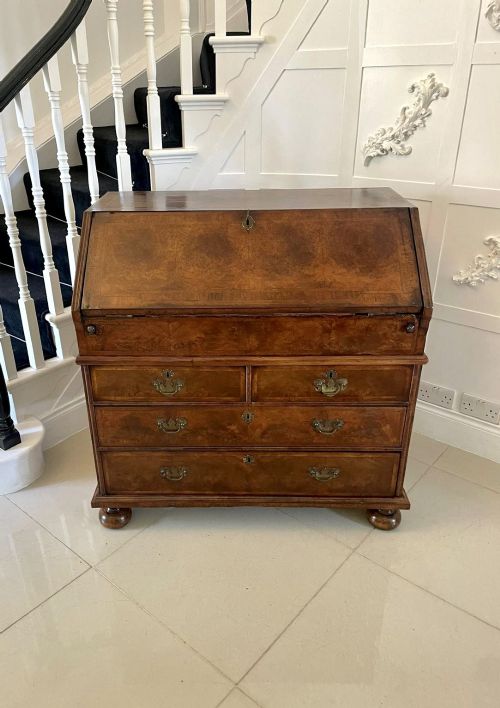
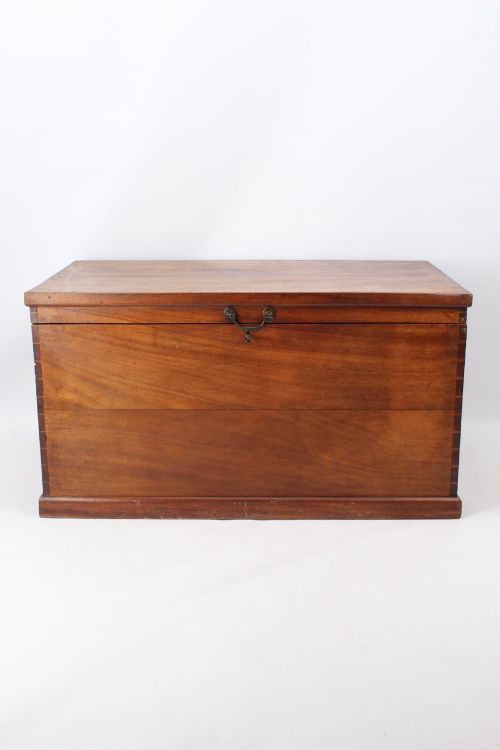
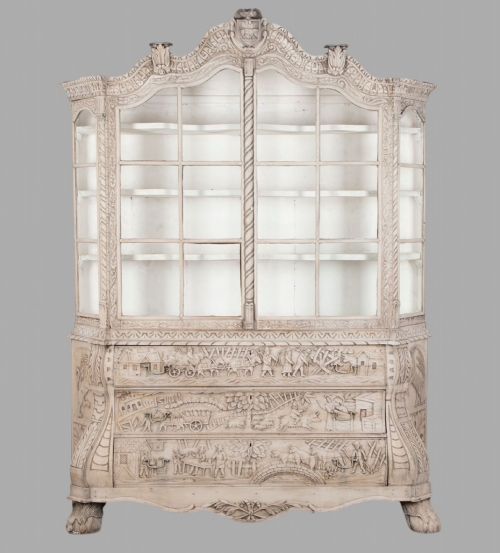
Large Chest
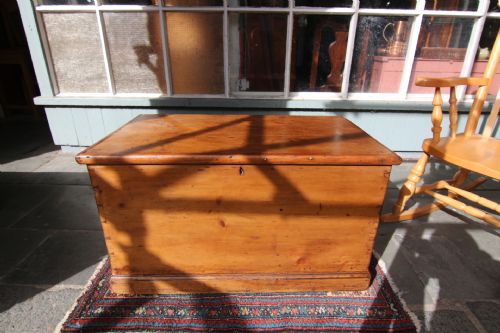
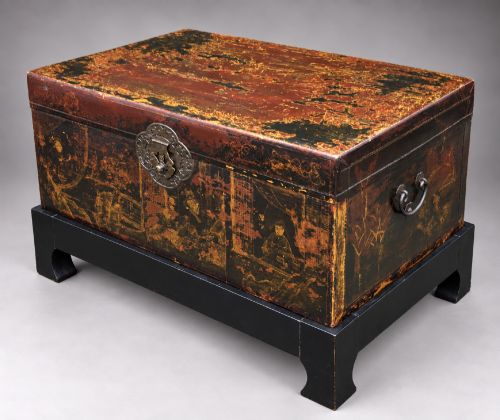
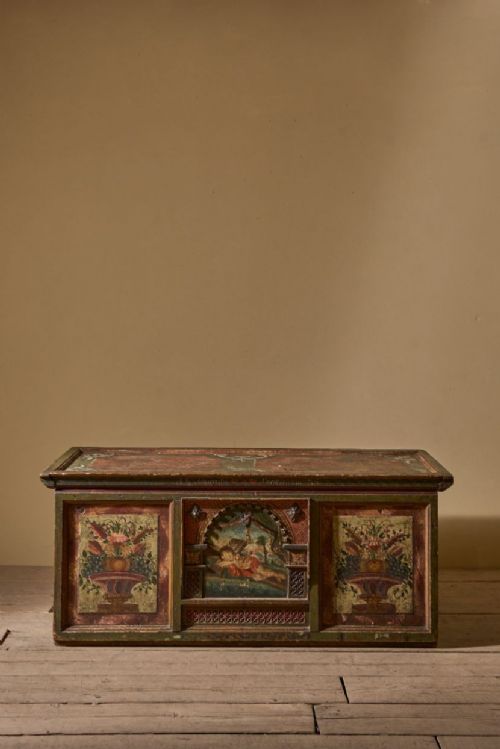
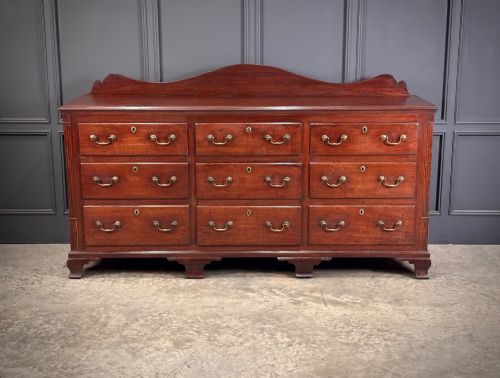
When you select a large antique chest, you choose a substantial piece of historic storage history designed to anchor a room.

Large Chest
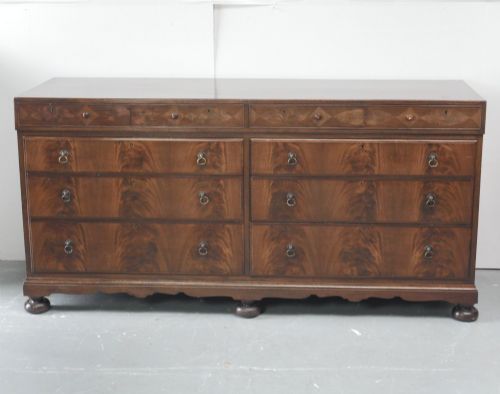
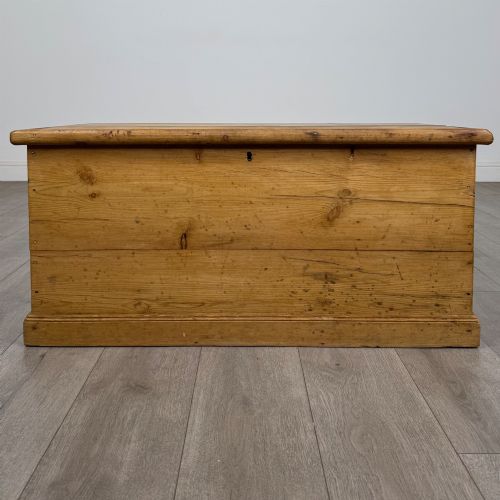
The category spans regional chests of drawers in mahogany and oak alongside travel-worn camphor wood, pine, and teak trunks. Many pieces reflect utilitarian origins or formal domestic requirements, shaped by 18th-century, 19th-century, and early 20th-century craftsmanship.
Domestic variations include Scottish chests, bowfront commodes, and mule chests combining drawer space with lidded compartments. Buyers seeking a large antique chest frequently select these substantial storage units for hallway placement or bedroom utility.
Materials and construction methods
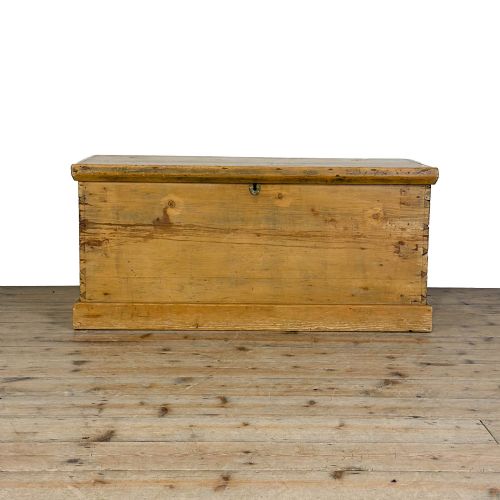
Cabinetmakers constructed these pieces primarily using native and imported hardwoods like oak, mahogany, and walnut, alongside utilitarian softwoods such as pine. Joinery techniques relied on dovetailed drawer construction, sturdy frame-and-panel assemblies, and pegged joints to withstand daily domestic strain.
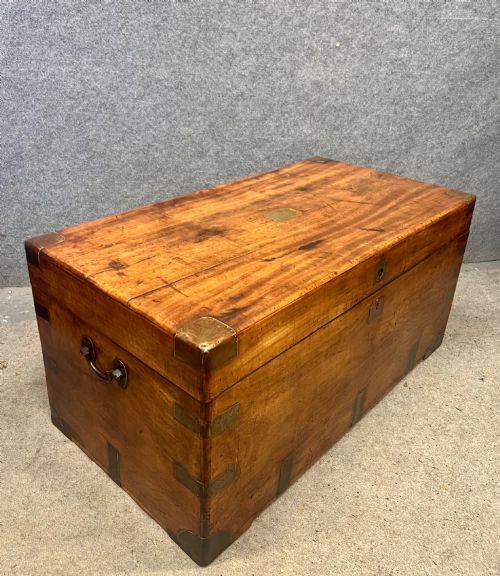
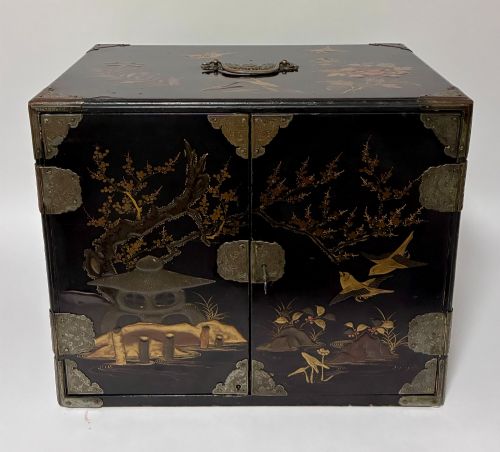
Metals played an essential functional role in reinforcement, with brass bound corners, iron straps, and studded leather applied to travel chests and campaign furniture. Surface finishes varied from polished wood veneers and crossbanding to painted layers and applied lacquer.
Several chests recorded previous lives carrying military supplies for Scottish regiments and storing treasures in colonial outposts.
What separates examples across the range
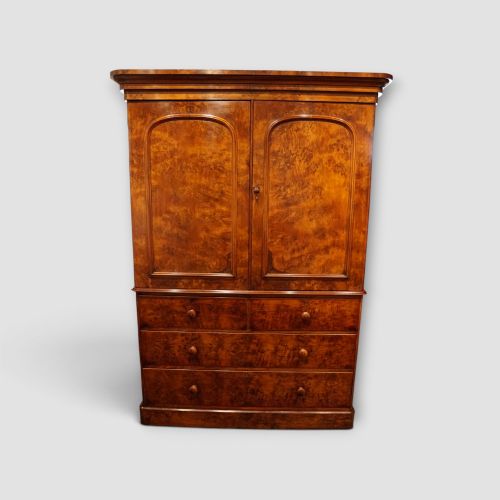
Quality rests in the selection of timbers and the precision of the underlying joinery, visible in tightly fitted drawer dovetails and integrated secondary woods. Superior pieces display thoughtful grain matching, such as figured burr walnut veneers or well-figured mahogany.
Hardware integrity and original mounts distinguish workshop output, where heavy brass bails, flush campaign handles, and stamped maker documentation indicate higher tier production. Lesser examples utilise simpler softwood carcases and replacement fittings applied during later use.
Whytock & Reid·Jas Shoolbred·Heals of London·Gillows
The Large Chest Glossary
- Crossbanding
- A decorative technique where veneer strips are applied perpendicularly to the grain of the primary surface. This borders drawer fronts or tabletops with a contrasting wood stripe.
- Bowfront
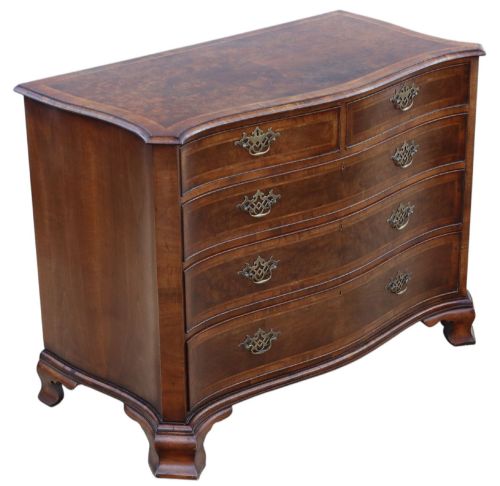
- A curved convex cabinet front popular during the Georgian and Regency periods. It softens the linear profile of a chest of drawers.
- Coffer
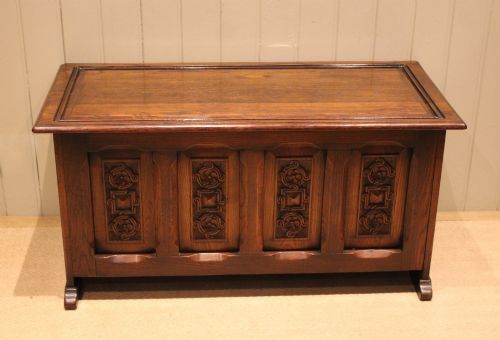
- A large lidded box historically used for storing valuables, linens, or documents. Many early examples feature carved oak panels and heavy hinges.
- Mule chest
- A storage form combining a lower drawer or drawers beneath a traditional lidded chest compartment. They appeared frequently in 18th-century English country homes.
- Campaign chest
- Portable furniture built in sections with recessed brass hardware for military transport. Officers utilised these pieces across the British Empire during the 19th century.
Large Chest: Frequently Asked Questions
What is a campaign chest?
A campaign chest is a portable piece of furniture built in two or more sections to facilitate transport during military deployment. These units feature flush inset brass handles and protective corner brackets.
Cabinetmakers constructed them from dense timbers such as camphor wood or mahogany to withstand rough handling while remaining structurally rigid.
How do I date a mahogany chest?
Dating a mahogany chest involves examining drawer construction, timber thickness, and overall stylistic proportions. Earlier 18th-century pieces often feature hand-cut dovetails and oak linings, while Victorian iterations display machine-sawn components and different secondary woods.
Hardware styles and locking mechanisms also shift from simple brass plates to more complex mortice locks across successive decades.
What is a mule chest?
A mule chest is a hybrid storage piece that places one or more drawers beneath a traditional lidded coffer box. This configuration allowed users to access items without lifting the top lid.
They emerged in regional English workshops during the 18th century, combining the utility of a chest with the accessibility of a drawer unit.
How are camphor wood chests used?
Camphor wood chests served primarily as heavy-duty blanket and clothing storage containers due to the natural insect-repellent properties of the timber. Their robust construction and tight seals protected textiles from moisture during maritime transit.
In modern interiors, buyers utilise these fragrant boxes as coffee tables or bedroom storage trunks.