



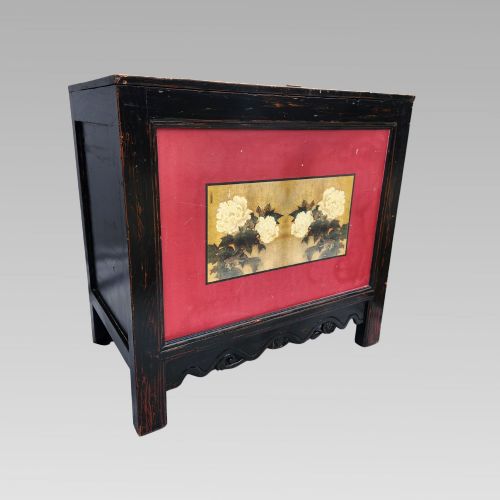
Antique Timber Coffer
An antique timber coffer provides substantial traditional storage, bringing centuries of durable craftsmanship and rich domestic history straight into a room.
Antique Timber Coffer
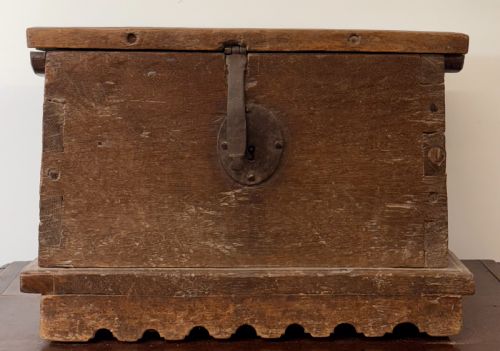
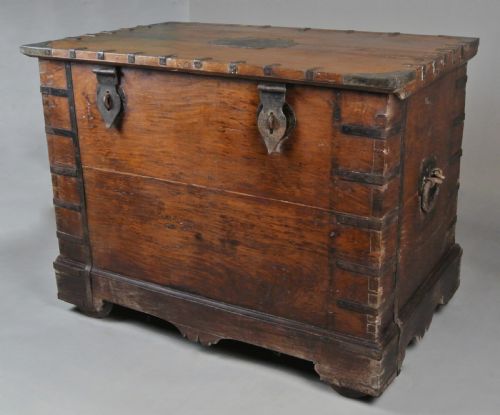
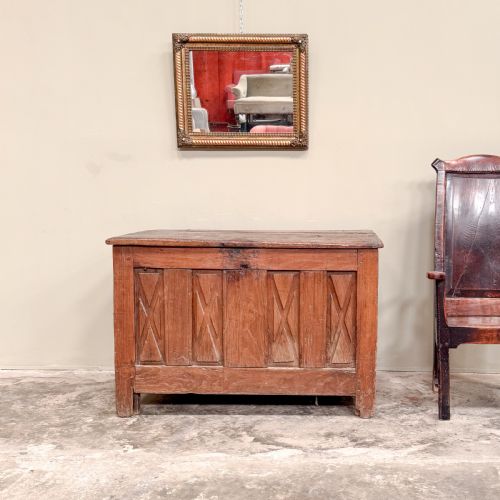
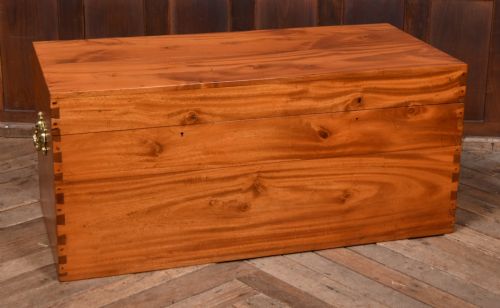
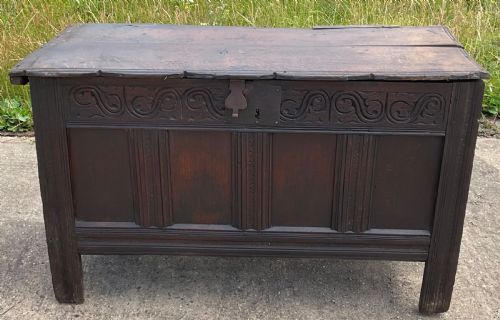
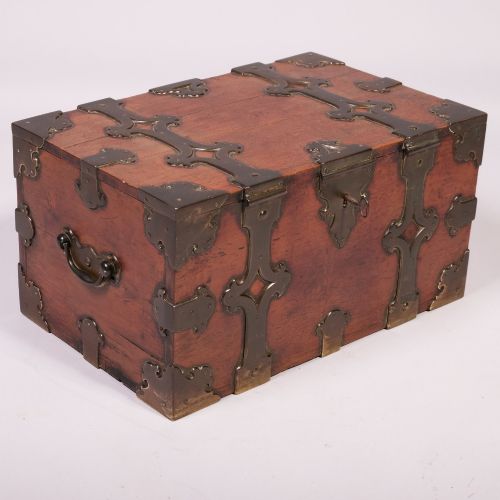
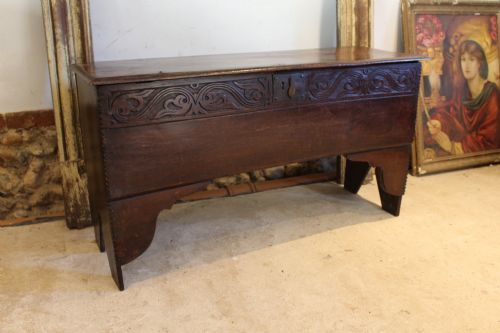
An antique timber coffer is a heavy storage chest originally built to secure valuables, linens, and domestic goods, appearing across centuries of domestic and regional craftsmanship. Buyers seeking an antique timber coffer encounter forms ranging from rugged six-plank elm and joined oak boxes to brass-bound camphor wood trunks and painted country pine pieces. These objects span periods from the sixteenth century through the Victorian era, reflecting both British country house traditions and international trade routes.
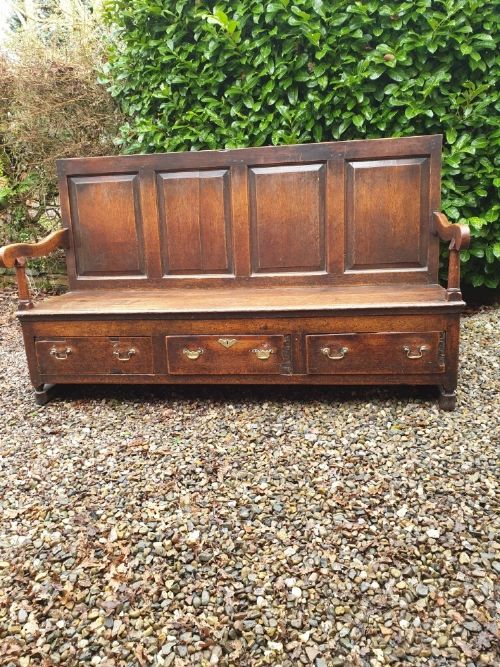
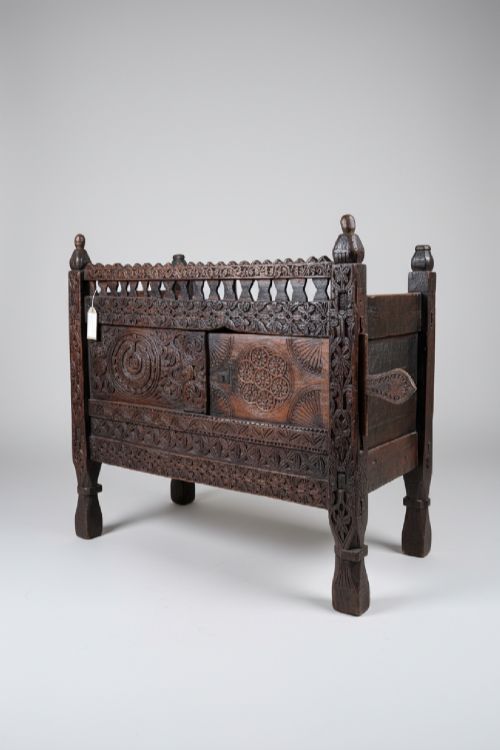
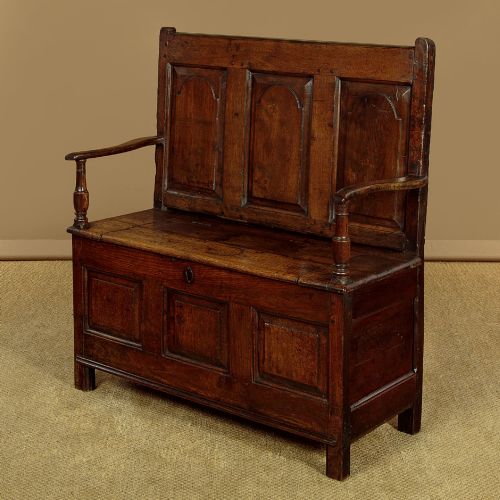
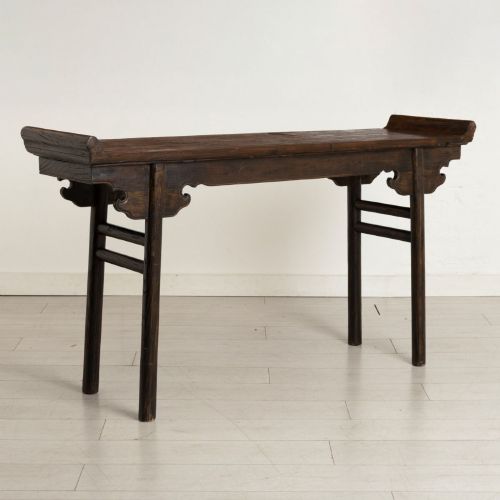
The domestic forms vary from simple elm six-plank constructions to joined oak Lancashire coffers, sword chests, and box settles incorporating seating. Regional British examples share space with Anglo-Indian, Chinese, and Middle Eastern storage trunks, showing how utilitarian boxes served diverse households globally. Buyers also find specialised variants like military campaign chests, tool chests, and blanket boxes built for specific practical demands.
What varies in quality
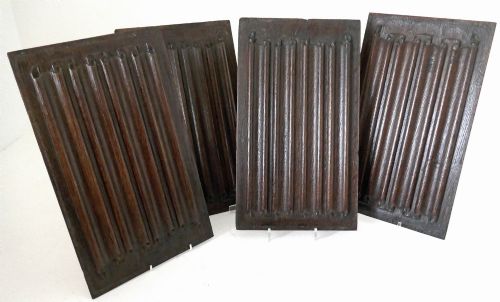
The distinction between standard utility boxes and finer examples rests on the integrity of the original timber, the complexity of the joinery, and the survival of early hardware. Pieces featuring crisp hand-carved panels, such as sixteenth-century linenfold or seventeenth-century geometric decoration, demonstrate superior workshop capability compared to plain vernacular work.
The retention of original surface finishes, uncompromised brass or iron mountings, and undisturbed interior compartments elevate the standing of a piece. Alterations to hinges, replacement boards, or stripped surfaces alter the historical weight of the object, distinguishing untouched survivals from heavily restored examples.
An eighteenth-century Welsh coffer carries the distinct salt-sea air of the Gower peninsula within its elm boards.
The Antique Timber Coffer Glossary
- Six-plank coffer
- A primitive chest constructed from six individual boards of timber nailed or pegged together at the edges. This represents one of the earliest and most direct methods of vernacular chest building.
- Linenfold
- A style of wood carving used on panels to imitate folded linen fabric. It appears frequently on sixteenth-century oak furniture and ecclesiastical woodwork.
- Camphor wood
- An aromatic hardwood utilised extensively for nineteenth-century campaign chests and overseas trade trunks. Its natural scent helped protect stored textiles from insects.
- Mule chest
- A traditional storage chest featuring one or more drawers beneath the main internal compartment. It bridges the design gap between the simple coffer and the chest of drawers.
- Box settle
- A high-backed wooden bench with a hinged seat opening to a storage compartment underneath. These multifunctional pieces combined seating with secure domestic storage.
Antique Timber Coffer: Frequently Asked Questions
What did people store in a coffer?
Historically, households used coffers to secure valuable documents, silver, woollens, and fine linens away from damp floors and pests.
Over time, these chests adapted to hold blankets, clothing, tools, and personal belongings as domestic storage needs evolved.
How do I tell an oak coffer's age?
Age is indicated by construction methods, such as hand-split timber, pegged joinery, and tool marks left by early adzes and saws.
Stylistic motifs like linenfold panels or carved dates also point to specific periods, though hardware replacements require careful inspection.
Where should I place a timber coffer?
These robust chests function effectively as living room coffee tables, hallway storage benches, or bedroom blanket boxes.
Placing them away from direct heat sources protects the old timber from drying out and splitting over time.
Why do some camphor chests have brass bindings?
Brass bindings and corner brackets reinforced the structural corners of chests intended for long sea voyages and military campaigns.
The metal protected the softer camphor wood from impacts while offering resistance to tropical humidity.