


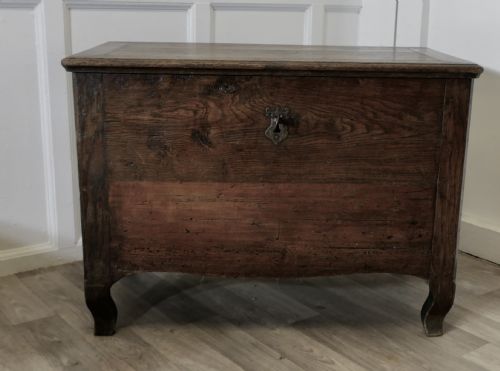


Antique French Storage Trunk
An antique french storage trunk brings heavy wood and metalwork into a room to hold blankets or travel gear.
Antique French Storage Trunk
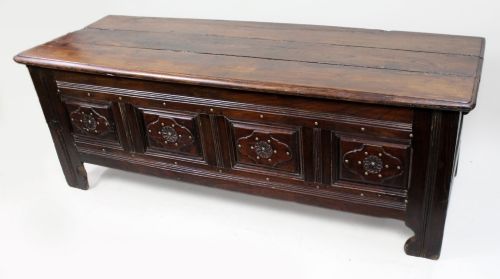
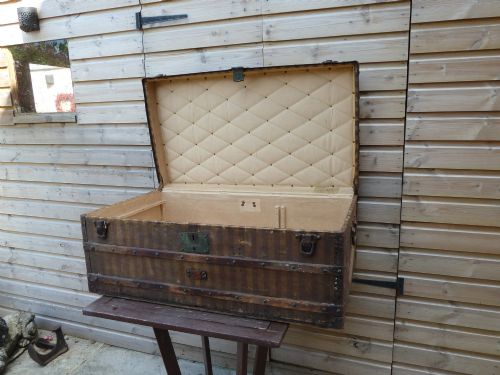
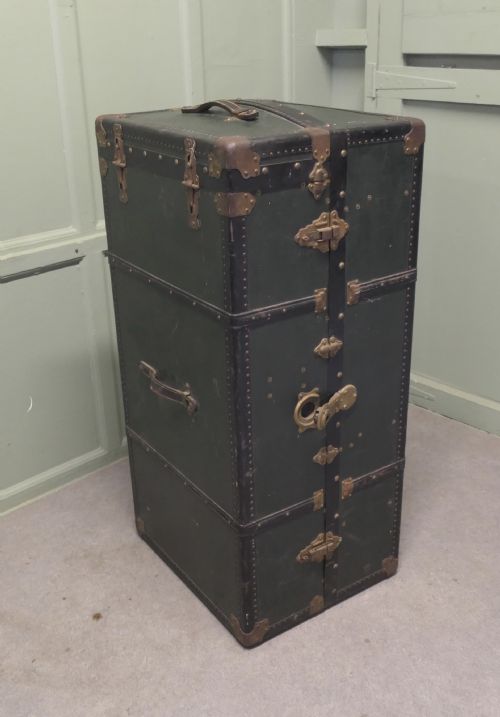
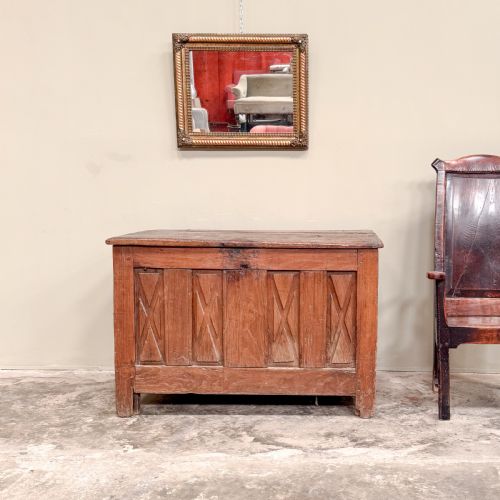
When you search for an antique french storage trunk, you encounter robust domestic receptacles designed for security and transit, spanning centuries of craftsmanship. The selection ranges from heavy oak and elm coffers of the seventeenth and eighteenth centuries to fitted travelling trunks and steamer wardrobes from the twentieth century.
The domestic pieces take the form of sturdy blanket boxes, dough bins, and panelled coffers rooted in provincial traditions. Conversely, the travel pieces manifest as canvas-covered, leather-clad or monogrammed containers with internal compartments designed for journeys by ship and train.
How they were made
Makers utilised solid timbers such as oak, pine, cherrywood, elm, and walnut, often joining panels with traditional joinery for domestic coffers. Travel pieces combined wooden frames with durable outer layers of canvas or leather, reinforced by iron brackets, brass locks, and wrought iron hasps.
Hardware played a structural and protective role, employing heavy iron hinges, carrying hoops, and corner braces. Surfaces showed varying finishes, from hand-carved oak panels to stencilled monograms on leather and canvas.
Some travel trunks carry surviving stencils and monograms from long-forgotten cross-Atlantic voyages.
What varies in quality
The integrity of the construction and the preservation of original materials dictate the standing of a piece. Earlier coffers rely on the quality of the timber selection and the depth of hand-carved details on the panels.
Later luggage and travel trunks depend on the survival of original interior fittings, functional brass locks, and authentic stencilled monograms or maker signatures. Alterations to linings or replacement hardware shift a piece away from its original state.
Louis Vuitton
The Antique French Storage Trunk Glossary
- Coffer
- A heavy wooden chest traditionally used for storing valuables or dry goods. Early examples feature robust panelled construction and iron locking mechanisms.
- Dough bin
- A domestic wooden box with a lift top, historically utilised for preparing bread dough in provincial kitchens. These pieces often employ fruitwoods like cherry or walnut.
- Portmanteau
- A large travelling case or suitcase, typically made of leather, opening into two equal compartments. It serves as a precursor to the modern wardrobe trunk.
- Steamer trunk
- A lower-profile travel trunk designed to fit beneath a steamship berth. These pieces often incorporate internal trays and compartments for extended journeys.
- Hasp
- A slotted metal plate that fastens over a staple and is secured with a pin or padlock. It provides the primary closure security on heavy storage chests.
Antique French Storage Trunk: Frequently Asked Questions
What is the difference between a coffer and a trunk?
A coffer is a heavy, rigid wooden chest built for domestic storage, often featuring thick oak panels and simple iron hinges. These pieces remained stationary in homes to hold linens or valuables.
A trunk is typically lighter and designed for travel, employing wood covered in canvas, leather, or metal with specialised internal fittings. Trunks emerged later to accommodate personal luggage during transit by rail or sea.
How do I date an oak coffer?
Dating relies on examining the construction methods, tool marks, and joinery style visible on the panels. Seventeenth and eighteenth-century examples display hand-split timbers and pegged mortise and tenon joints.
Later nineteenth-century storage boxes often show more uniform mechanical sawing and standardised ironwork. The presence of carved motifs also aligns with specific regional provincial periods.
How were steamer trunks used?
Steamer trunks served as specialised luggage for passengers travelling on ocean liners during the late nineteenth and early twentieth centuries. Their shallow profile allowed them to slide underneath the cabins' sleeping berths.
Inside, travellers organised garments, hats, and accessories using fitted compartments, sliding drawers, and hanging sections.
Where should I place a blanket box?
A blanket box functions effectively at the foot of a bed, providing immediate access to spare quilts and winter linens. The flat lift top also allows the surface to serve as a casual bench or display area.
In living spaces or hallways, these chests operate as coffee tables or discreet storage units for bulky items.