




French Wooden Box
A french wooden box brings tactile warmth and period utility to a room, ranging from robust oak coffers to refined tea caddies.
French Wooden Box
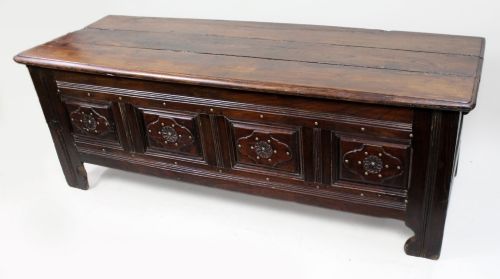
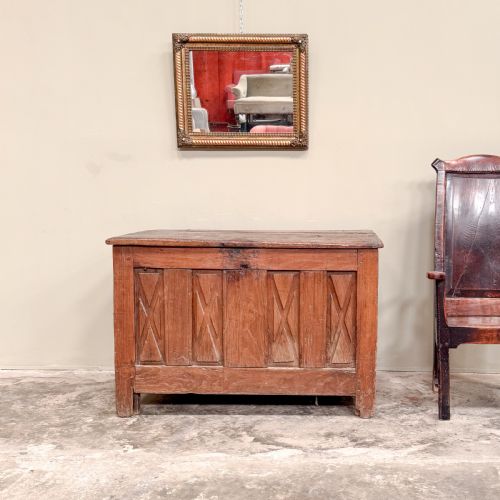
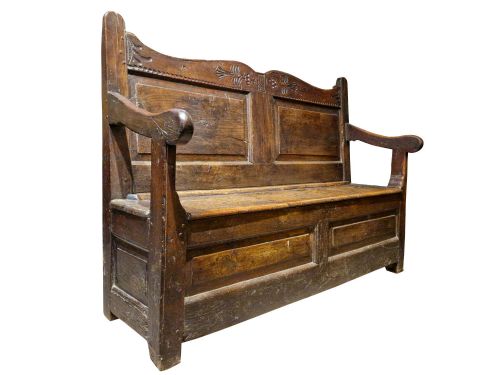
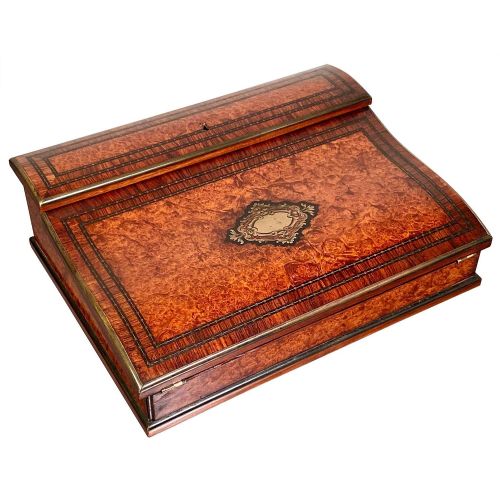
When you search for a french wooden box, you encounter a diverse array of functional vessels spanning centuries of European craftsmanship. These items serve multiple domestic purposes, appearing as intimate writing slopes, small deed boxes, and larger coffers or dough bins.
The pieces on this page trace lineages from the robust forms of the seventeenth and eighteenth centuries down to nineteenth-century Napoleon III and Art Deco expressions. Oak, walnut, and kingwood dominate the domestic and provincial forms, while lighter satinwood and exotic veneers define the refined table pieces.
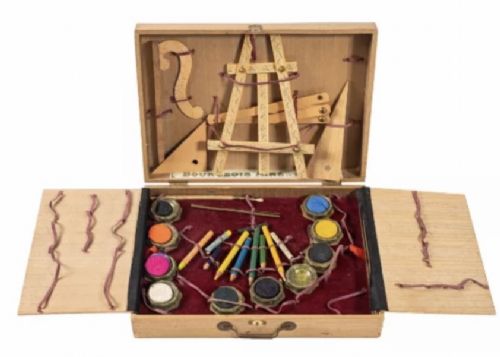
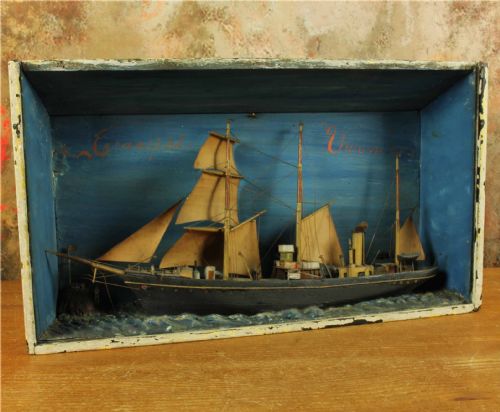
Originating from diverse regional traditions, these containers reflect both humble provincial utility and high Parisian cabinet-making. Buyers find everything from utilitarian blanket chests and wall cabinets to decorative tea caddies and games boxes.
How They Were Made
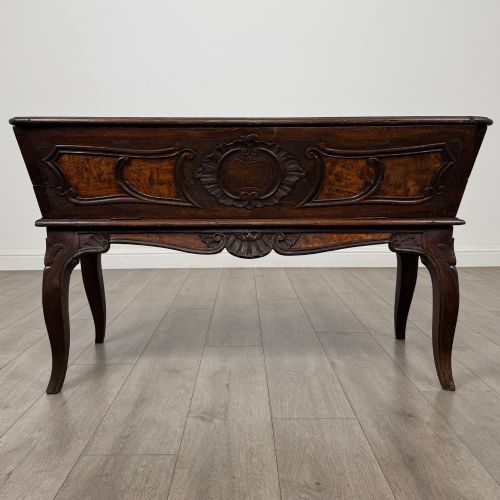
Cabinet-makers relied on solid native timbers such as oak, walnut, and elm for structural integrity, utilising pegged joints and hand-carved panels for provincial coffers and dough bins. These robust woods provided durability for daily agricultural and domestic storage.
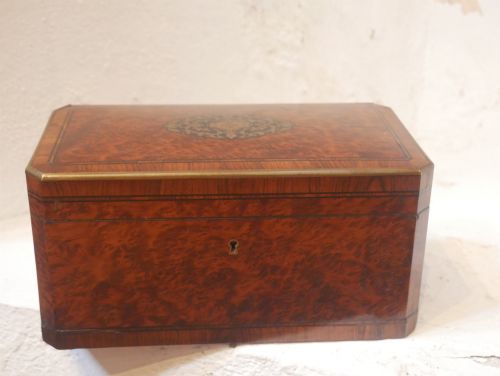
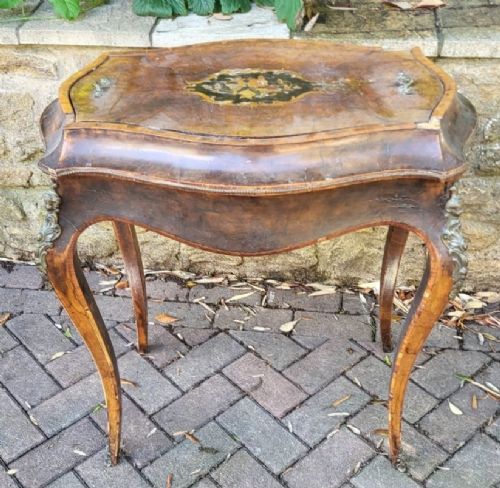
Finer table pieces and caddies employ exotic veneers like kingwood, amboyna, and burr walnut, often applied over secondary carcases. Artisans enhanced these surfaces with brass inlay, ormolu mounts, and delicate cut steel decoration.
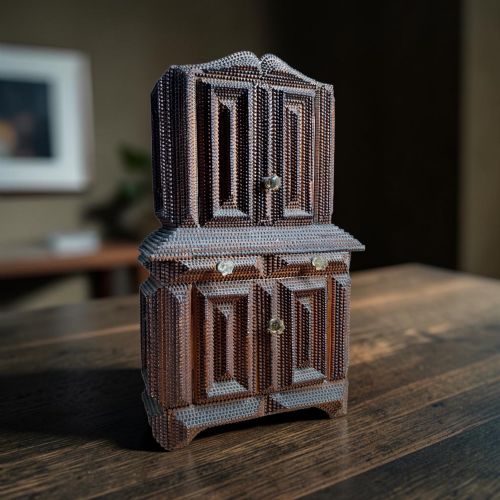
Specialised techniques such as tramp art, boullework involving tortoiseshell and brass, and hand-painted finishes distinguish the decorative boxes. Iron hasps, carrying hoops, and bronze mounts add both functional security and decorative contrast to the timber.
Materials range from humble pine and chestnut to exotic amboyna, tortoiseshell, and cut steel decorations.
What Varies in Quality
The distinction between ordinary utility items and exceptional pieces rests upon the precision of the joinery and the selection of timber veneers. Master workshops employed highly figured oyster veneers, burr walnut, and rich kingwood to elevate simple storage into decorative art.
Hardware and secondary ornamentation heavily influence the standing of a piece, from hand-chased ormolu mounts to finely fitted internal compartments in writing slopes and liquor canteens. Modest provincial dough bins and pine blanket boxes rely on honest utilitarian construction rather than decorative mounts.
Tahan Paris·Aux Etats Unis of Paris
The French Wooden Box Glossary
- Coffer
- A heavy wooden chest or strongbox used for storage and transport of valuables. These robust containers frequently feature hand-carved panels and iron hardware.
- Tea Caddy
- A small lidded container designed to store precious tea leaves securely. Examples often incorporate fine veneers and fitted internal compartments.
- Dough Bins
- A domestic wooden trough utilised for bread making, often fitted with a lid to double as a table or cupboard. Elm, walnut, and oak are typical timbers for this rural form.
- Boullework
- An elaborate marquetry technique using tortoiseshell and brass inlay developed in France. It appears on refined nineteenth-century tea caddies and decorative boxes.
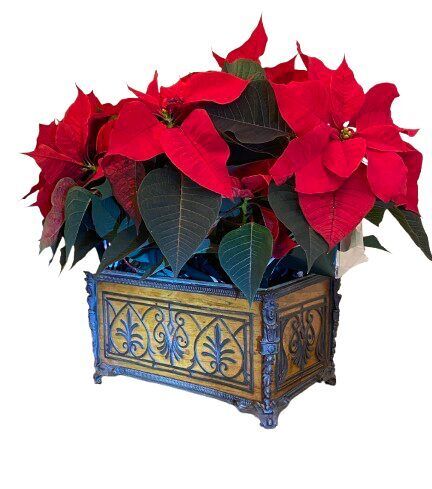
- Jardiniere
- An ornamental pot or planter designed to hold plants or flowers. French examples frequently combine exotic woods with bronze or brass mounts.
French Wooden Box: Frequently Asked Questions
What were antique french wooden boxes used for?
These containers served varied domestic purposes, from storing dry goods and bread in dough bins to securing documents in deed boxes. Smaller vessels housed tea, writing materials, or games.
Craftsmen built them to meet the daily storage needs of households, workshops, and travellers across different social strata.
How do I identify the period of a wooden box?
Dating relies on observing construction methods, timber choices, and stylistic markers such as provincial carving or Napoleon III ormolu mounts. Earlier centuries favor solid native oaks and chestnuts with hand-cut joinery.
Later nineteenth-century pieces often showcase exotic veneers, brass inlay, and sophisticated locking mechanisms typical of urban cabinet-makers.
Where should I place a coffer in my home?
Large coffers and blanket boxes function effectively as statement storage pieces at the foot of a bed or along a hallway wall. Their flat tops also allow them to double as side tables or window seats.
Smaller decorative boxes and writing slopes suit tabletops, sideboards, or dedicated display cabinets where their details can be appreciated.
How do I care for antique wood surfaces?
Maintain timber boxes by keeping them away from direct heat sources and fluctuating humidity to prevent wood shrinkage and veneer lifting. Occasional light dusting and appropriate wax conditioning preserve the natural patina.
Avoid harsh chemical cleaners that can strip historic finishes and delicate metal mounts.