
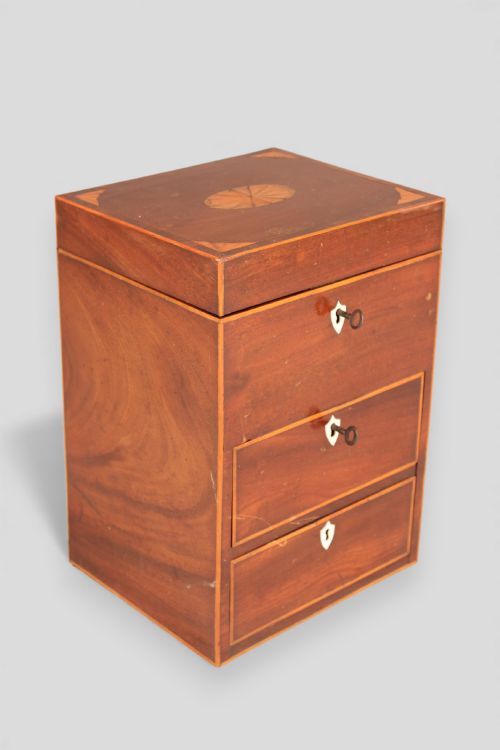

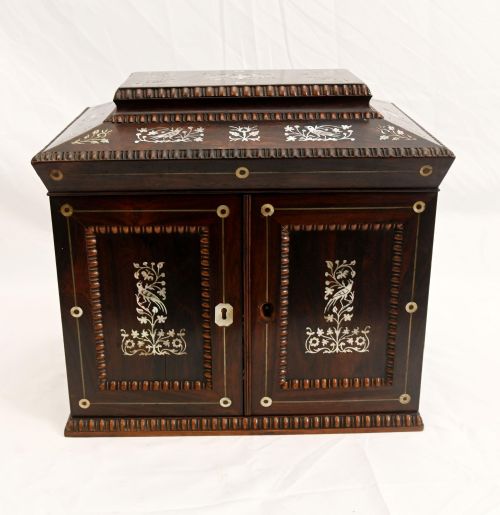

Wooden Collector Box
These timber chests and cabinets designed to house small treasures or specimens are the quintessential wooden collector box.
Wooden Collector Box
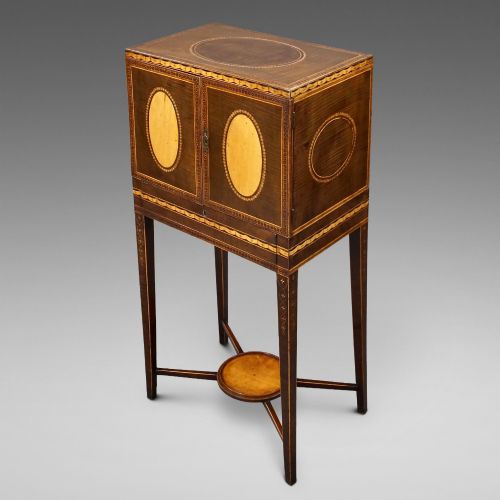
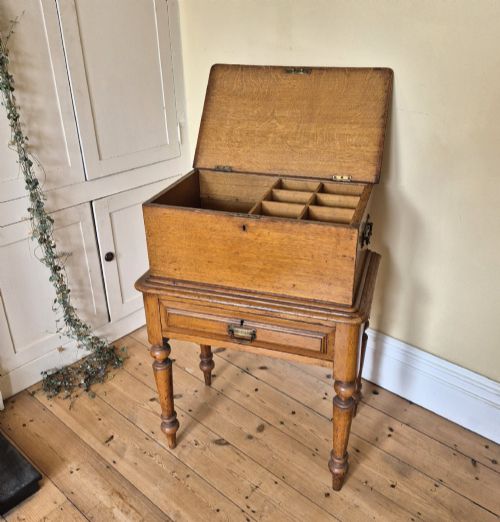
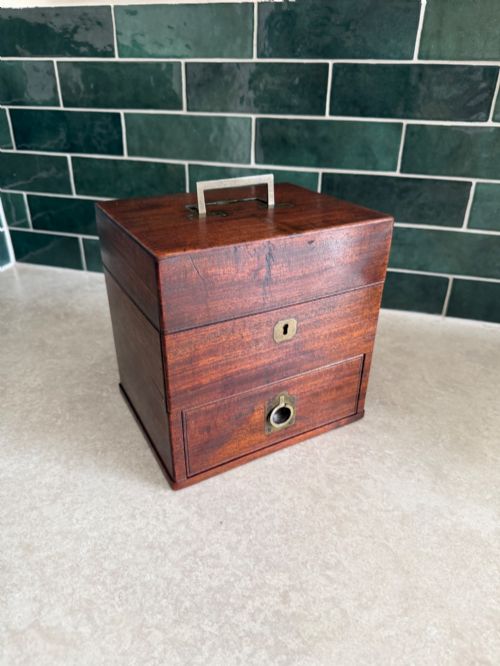
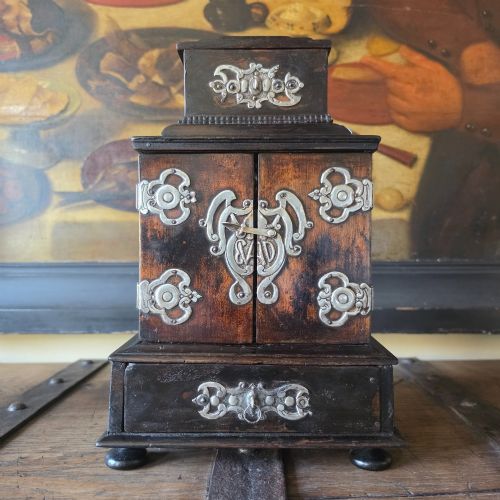
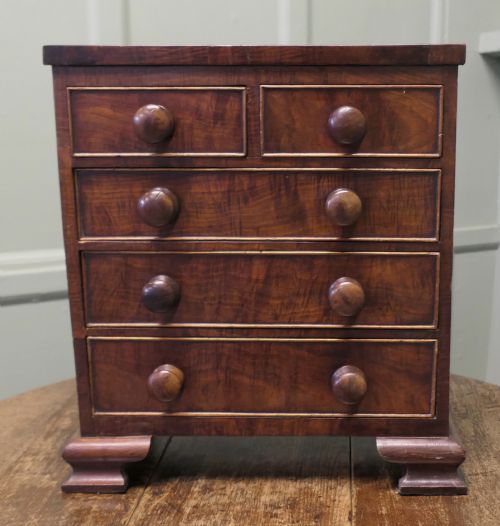
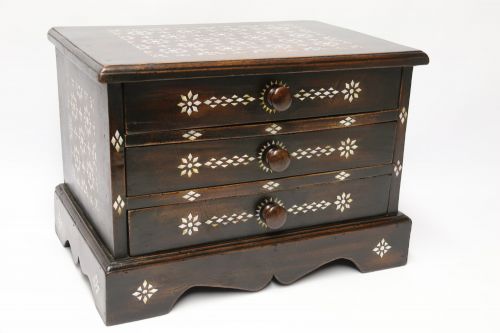
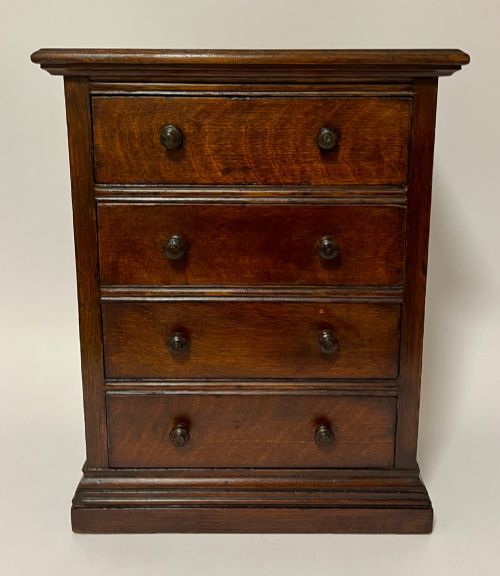
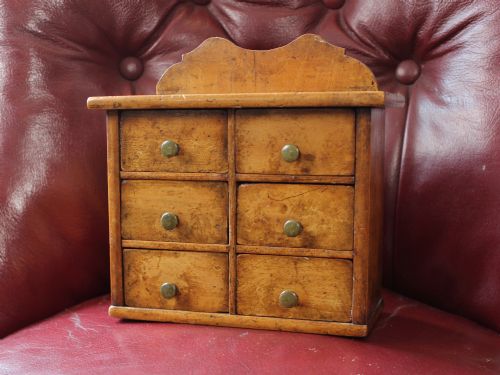
A wooden collector box encompasses miniature chests of drawers, tabletop display cases, apothecary chests, and specialised storage cabinets intended for orderly safekeeping. The versions met on this page span from Georgian and Regency eras through the Victorian period and into the early twentieth century.
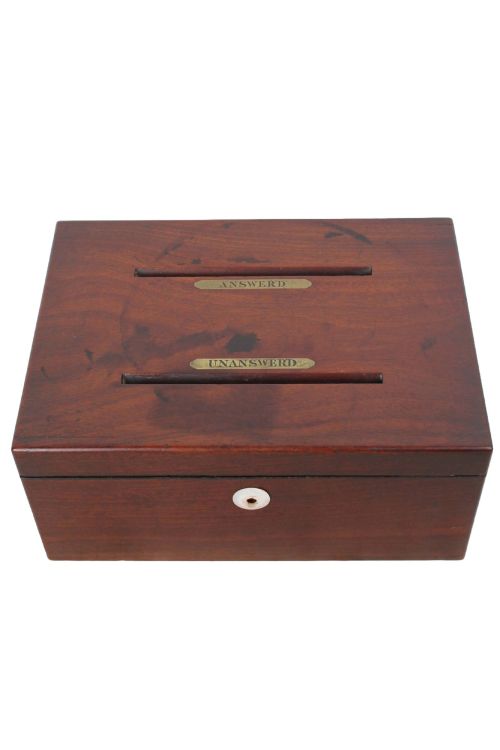
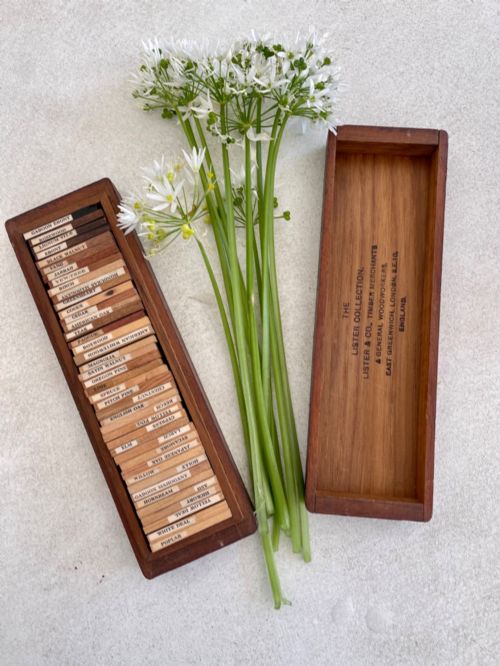
Makers designed these objects for specific domestic or professional tasks, resulting in forms ranging from microscope slide cabinets and letter boxes to cigar humidors and specimen cases. Walnut, mahogany, oak, and fruitwood frequently provide the structural integrity for these compact vessels.
The typology includes miniature apprentice pieces alongside utilitarian ticket dispensing boxes and refined tabletop display cabinets. Each piece reflects the functional requirements of its original owner, whether storing jewellery, medical equipment, or natural history specimens.
Materials and Construction Techniques
Cabinetmakers utilised dense hardwoods like mahogany, walnut, and oak to construct the carcasses, occasionally applying burr veneers or specialised timbers such as harewood and boxwood for decorative contrast. Structural joints relied on traditional dovetailing and fine mortise and tenon construction to ensure durability.
Glass panels, brass handles, and bone escutcheons appear frequently as subsidiary materials, allowing secure closure and visual inspection where required. Surfaces often received polished finishes that highlighted the natural grain and patina of the underlying timber.
Listings feature 19th-century, Victorian, and 18th-century pieces constructed from mahogany, walnut, oak, and brass.
Judging Quality and Execution
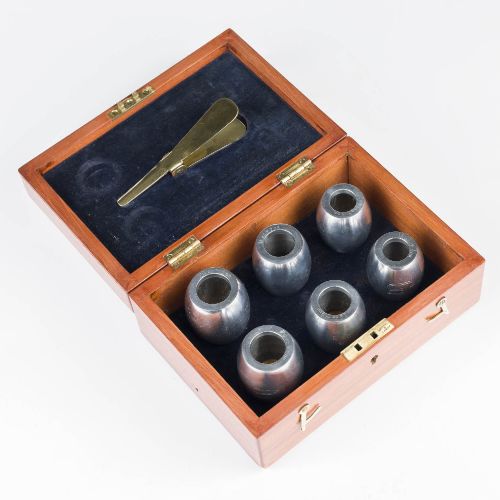
The caliber of a wooden collector box depends upon the precision of its joinery, the selection of figured timber veneers, and the integrity of its original hardware. Superior examples display meticulous attention to interior fittings, such as velvet linings or precisely divided drawers intended for delicate items.
Proportion and restraint in ornamentation separate standard utility containers from finer cabinetwork produced during the Georgian and Victorian periods. Retention of original keys, functional locks, and unblemished surfaces further distinguishes the finer pieces in this category.
The Wooden Collector Box Glossary
- Apprentice piece
- A small-scale item created to demonstrate the skill required for admission to a trade guild. These miniature chests replicate full-size furniture forms with exact proportions.
- Apothecary box
- A fitted container designed to hold medical vials, scales, and ingredients. These wooden boxes usually feature internal partitioning and secure locking mechanisms.
- Specimen case
- A shallow cabinet or box utilised for organising natural history samples or small artefacts. Glazed lids frequently protect the contents from dust.
- Treen
- Small handmade wooden objects for domestic use. This term covers carved snuff boxes and small folk art items.
- Escutcheon
- A protective plate surrounding a keyhole. Brass is the predominant metal used for this feature on period cabinets.
Wooden Collector Box: Frequently Asked Questions
What were wooden collector boxes used for originally?
These vessels served diverse storage purposes for domestic and professional items, including correspondence, apothecary supplies, and natural history specimens. Owners relied on them to keep small, valuable objects organised and protected.
Cabinetmakers tailored the internal layouts to specific contents, incorporating small drawers, specialised slots, or glass display panels depending on the intended function.
How do I date a wooden collector box?
Dating relies on observing structural characteristics, timber choices, and hardware styles associated with specific periods like the Georgian or Victorian eras. Dovetailing techniques and the presence of secondary woods offer reliable clues to the decade of manufacture.
Stylistic influences, such as Regency or Sheraton motifs, help narrow the timeframe when combined with the construction methods evident in the carcass and drawers.
Are these boxes suitable for modern storage?
These compact chests and cabinets adapt well to organising modern collections, jewellery, or desktop accessories. Their compartmentalized interiors keep small items secure and easily accessible.
Placement away from direct heat sources ensures the historical wood and any internal linings remain stable in a contemporary home environment.