
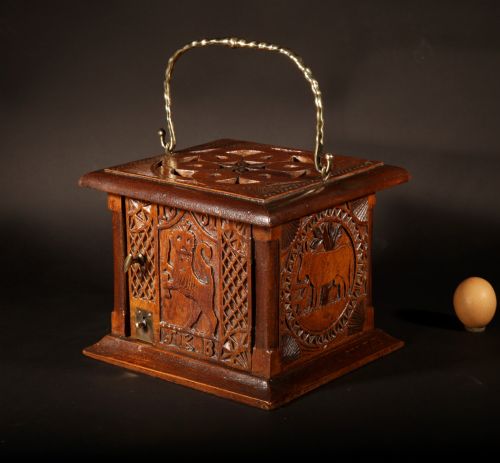
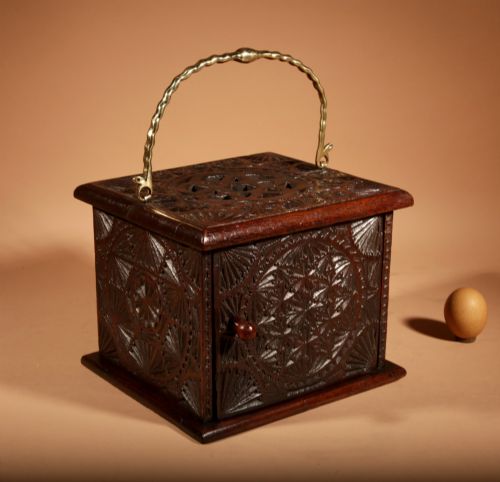
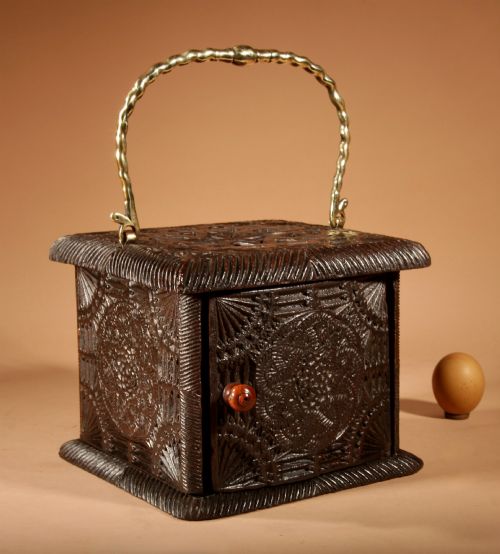
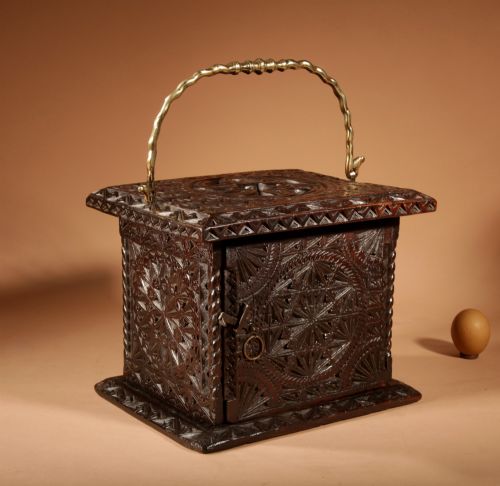
Folk Art Carved Box
These pieces of folk art carved box bring vernacular handiwork into domestic spaces, prized for their individuality and tactile character.
Folk Art Carved Box
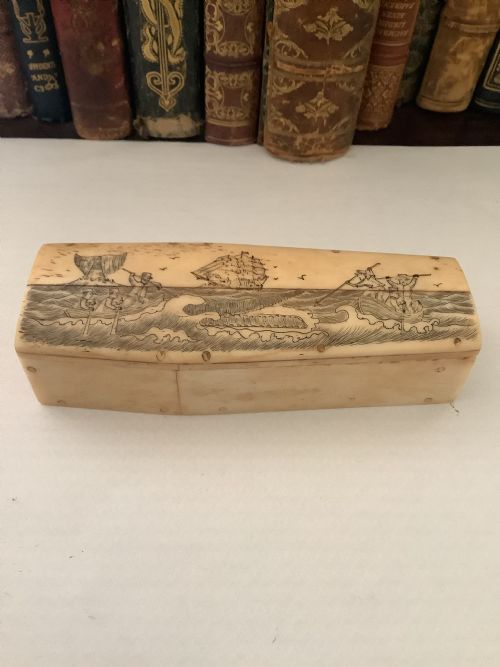
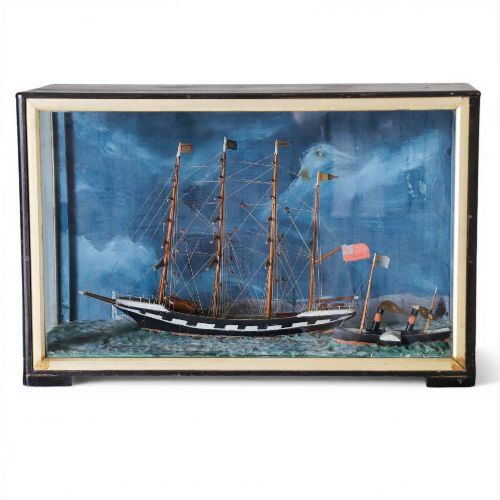
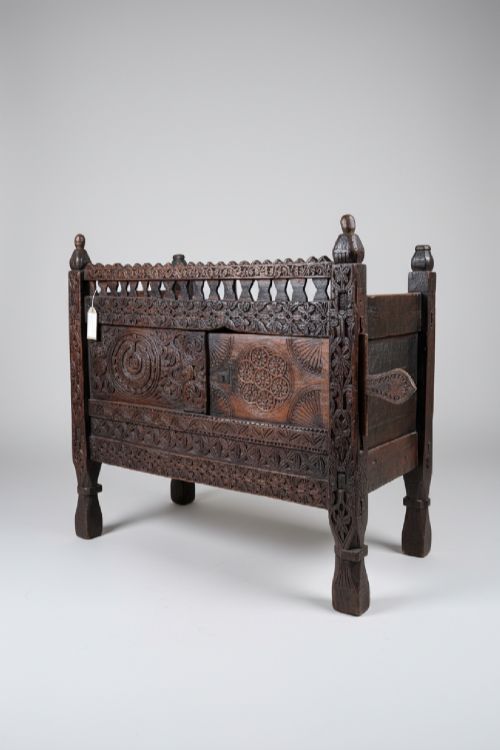
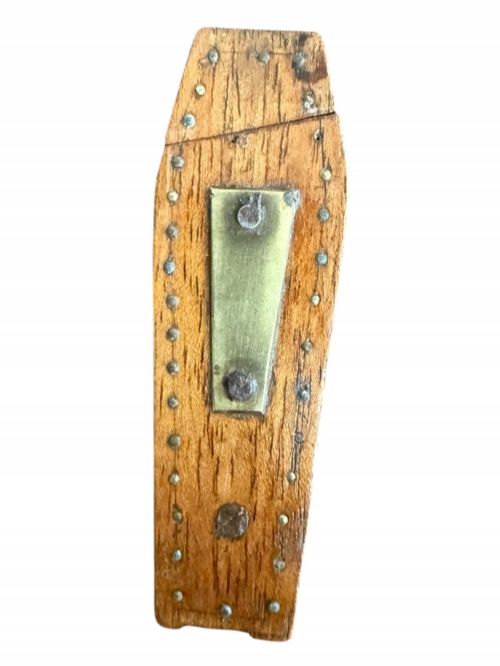
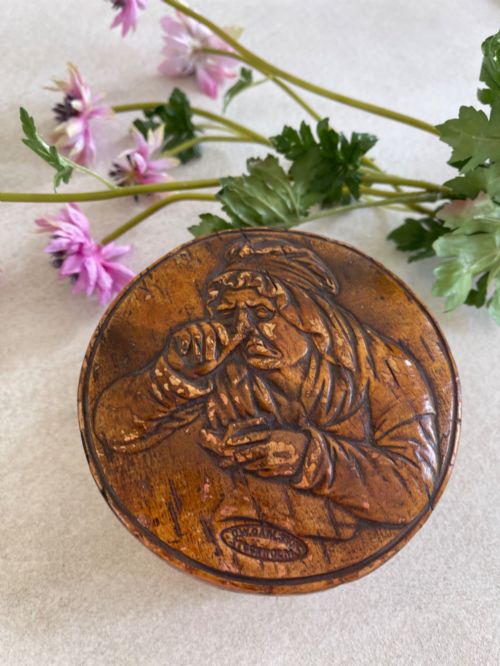
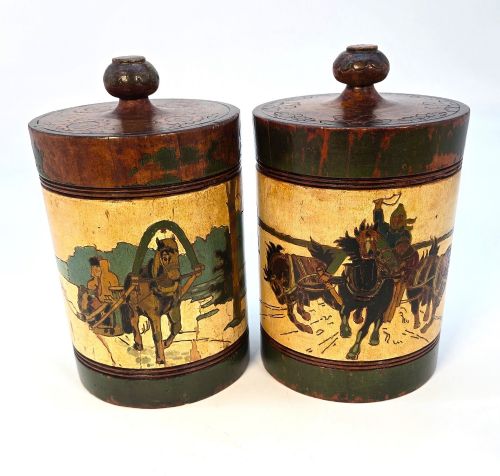
A folk art carved box encompasses everyday receptacles shaped by hand, spanning utilitarian containers and decorative caskets. The selection on this page ranges widely from pocket-sized snuff boxes and match holders to substantial dowry chests and maritime dioramas.
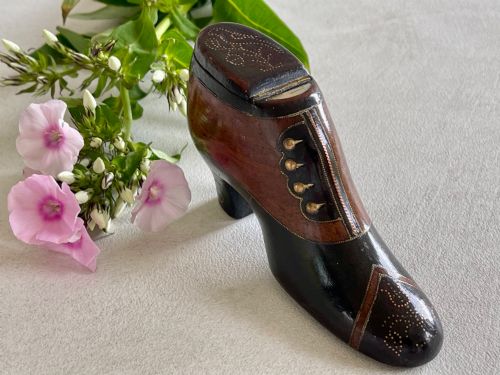
The objects stem from several centuries of regional craft, appearing in forms such as chip-carved foot stoves, puzzle boxes, and shoe-shaped treen containers. These domestic items reflect the distinct cultural traditions and local materials of their makers.
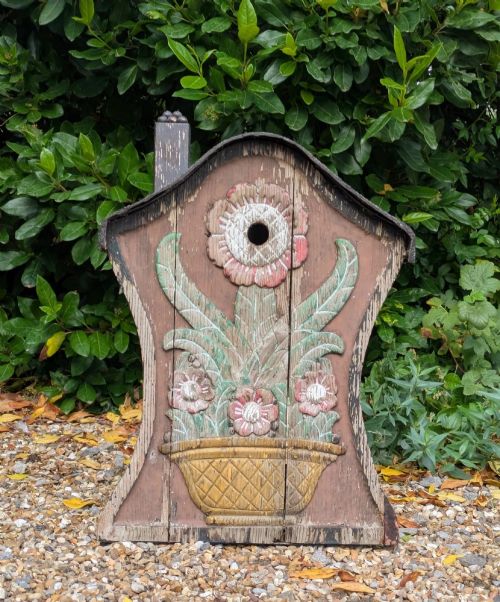
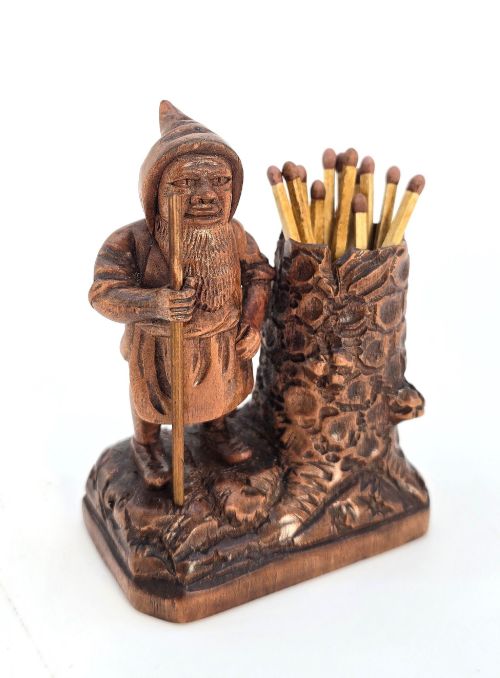
Small-scale items like snuff boxes and match holders surface frequently, alongside larger storage pieces including marriage chests and wall-mounted wall boxes. Each piece demonstrates personal execution rather than industrial standardisation.
How they were made
Makers utilised available timbers such as oak, pine, fruitwood, and limewood, alongside organic materials including bone, coquilla nut, and coconut shell. These mediums were shaped using chip-carving techniques, knife work, and surface painting.
Decoration often involved intricate inlay work using bone or brass pique, alongside polychrome pigments and carved relief motifs. Assemblage methods relied on traditional joinery suited to the scale of each object, from miniature puzzle boxes to large panelled coffers.
Listings feature items spanning the 18th, 19th, and early 20th centuries, created in wood, bone, brass, and glass.
What varies in quality
The standard of execution rests on the precision of the carving and the complexity of the design, distinguishing straightforward utility from accomplished sculptural work. Pieces featuring detailed chip-carving, inlaid geometric motifs, or signed elements demonstrate a higher level of artisan investment.
Preservation of original surfaces, paint, and patination determines the visual integrity of each object. Examples retaining their untouched patinated finish and intact decorative components command greater appreciation among collectors.
The Folk Art Carved Box Glossary
- Treen
- Small handmade wooden domestic objects. This term covers items produced for daily household utility before the advent of mass manufacturing.
- Chip carving
- A technique where small chips are removed from a wooden surface with a knife to create geometric patterns. It appears frequently on boxes and foot stoves.
- Snuff box
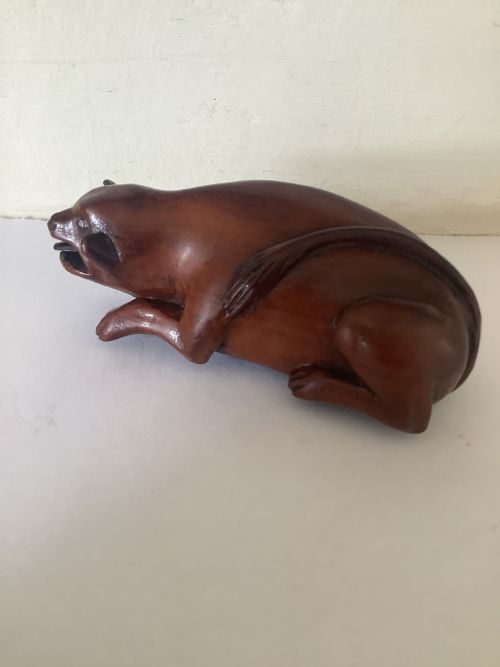
- A small container designed to hold powdered tobacco. These receptacles often take imaginative forms, including books, shoes, and animals.
- Diorama
- A three-dimensional scene enclosed within a case, frequently depicting maritime subjects with model ships. These displays utilise painted backgrounds and layered materials to create perspective.
- Puzzle box
- A container featuring concealed opening mechanisms or sliding panels. Users must manipulate specific hidden parts to access the interior.
Folk Art Carved Box: Frequently Asked Questions
What were folk art carved boxes used for?
These containers served practical functions in past households, holding personal items like tobacco, matches, coins, or spices. Many were created for specific domestic roles, such as foot stoves for warmth or marriage chests for dowries.
Beyond simple storage, they often functioned as personal tokens or conversation pieces, reflecting the daily habits and social customs of their period.
How do I care for wooden folk art boxes?
Preserving these pieces requires stable environmental conditions away from direct sunlight and sources of heat. Maintaining moderate humidity prevents the timber from splitting and protects delicate surface decoration.
Cleaning should remain minimal, relying on a dry, soft cloth rather than chemical polishes or water. Preserving the original patina depends on avoiding abrasive treatments.
How can I tell the age of a carved box?
Dating relies on observing tool marks, construction methods, and timber characteristics alongside stylistic indicators. Wear patterns from handling offer clues to an object's age and frequency of use.
Many pieces carry specific dates or maker signatures carved directly into the wood. Comparing decorative motifs with established regional styles helps narrow down the period of origin.
What is tramp art?
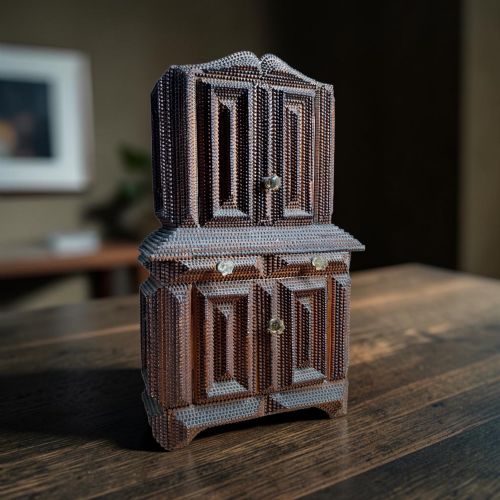
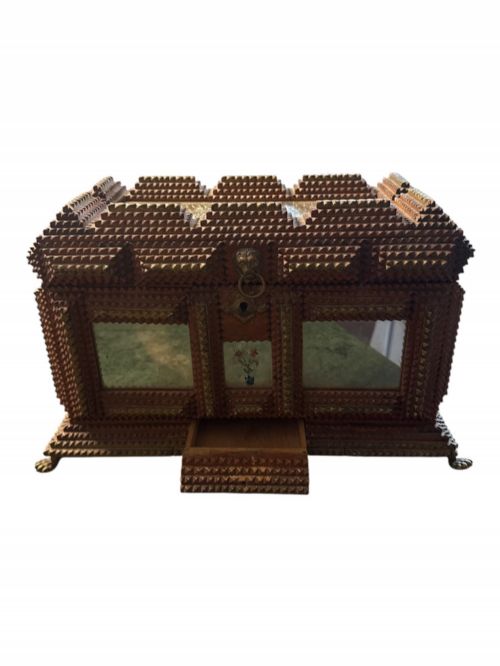
Tramp art is a style of woodworking where makers carved discarded materials, often cigar box wood, using pocket knives. The technique relies on chip-carving layers to create notched, geometric relief patterns.
Objects created in this manner include small cabinets, frames, and boxes produced primarily from the late nineteenth into the early twentieth century.