

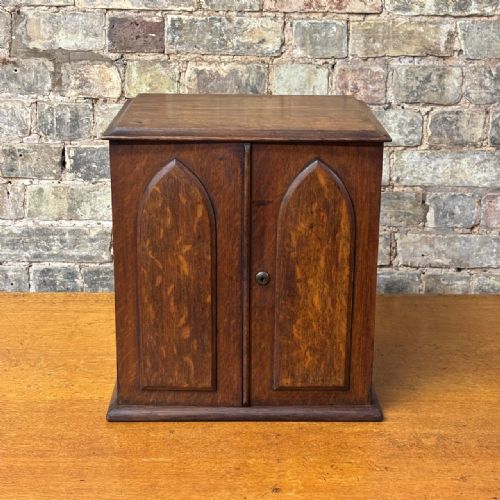


Carved Spice Cabinet
These carved spice cabinet examples are compact storage pieces designed for domestic utility, offering timber construction and period detail for modern interiors.
Carved Spice Cabinet
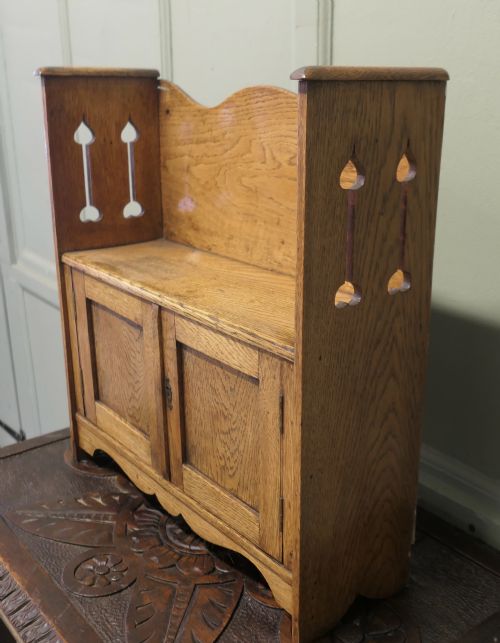
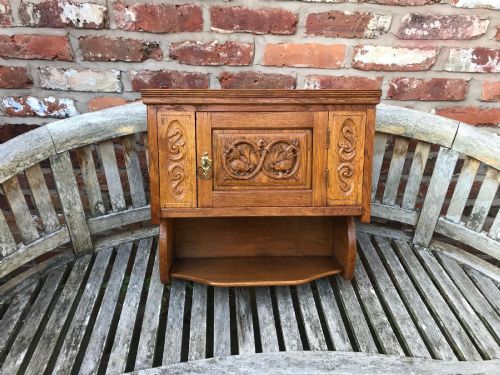
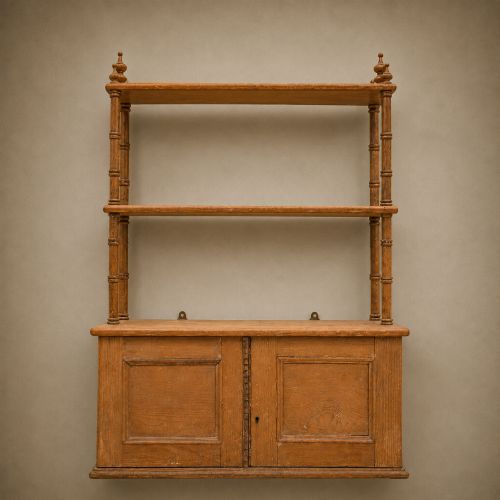
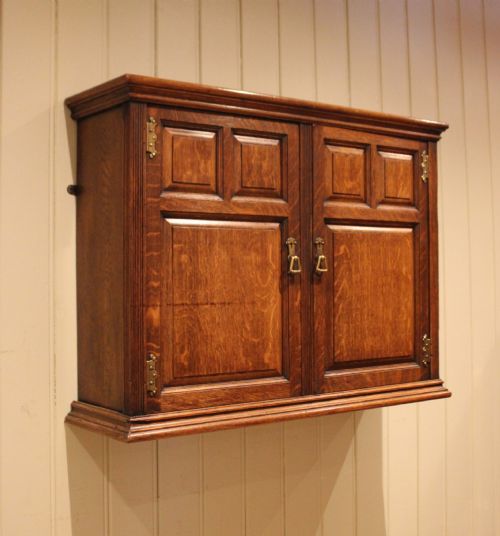
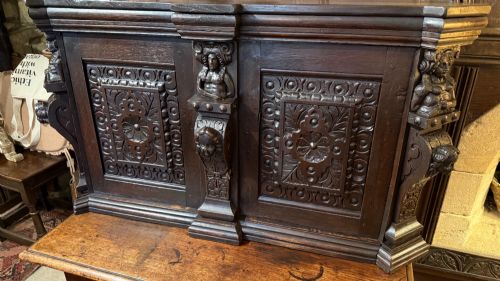
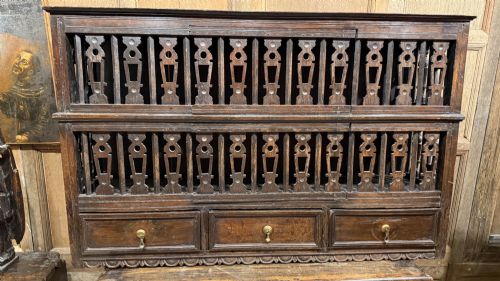
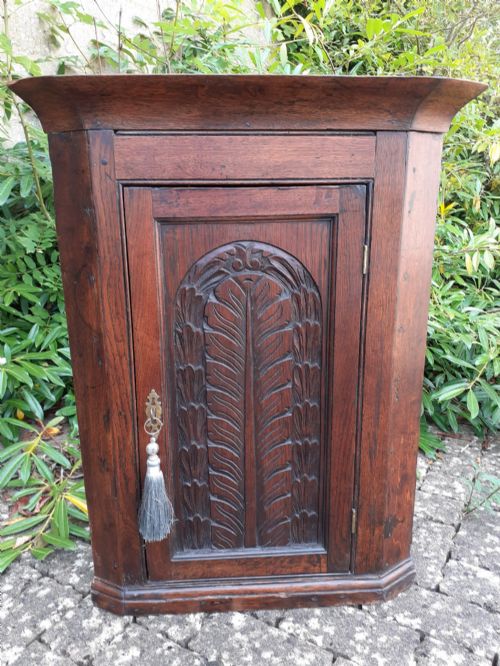
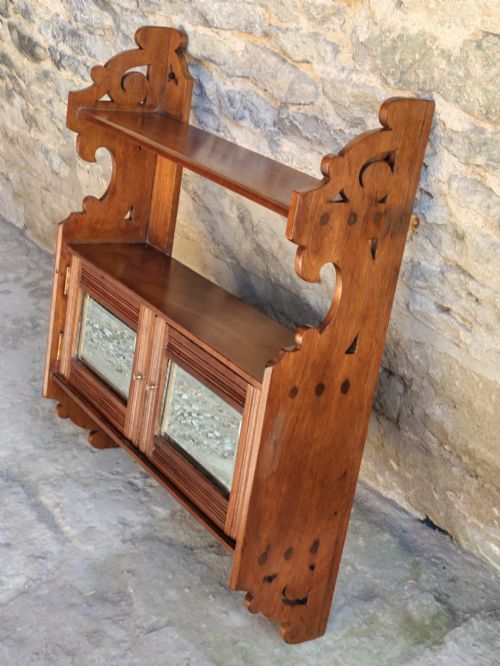
The pieces on this page span from the seventeenth century through to the early twentieth century, encompassing Georgian, Victorian, Arts and Crafts, and Jacobean styles. Wall cabinets, hanging cupboards, and miniature furniture dominate the selection, often featuring panel doors, drawers, and internal shelving.
How they were made
Cabinet makers utilised solid timbers including oak, pine, mahogany, and walnut, shaped through traditional joinery techniques such as panel and frame construction. Brass and iron hardware, including hinges and locks, secure the doors and drawers of these compact vessels.
Surface decoration relies on hand carving, panel moulding, and occasional inlay work, reflecting the stylistic preferences of periods from the seventeenth century to the Arts and Crafts movement.
Listings feature timbers including oak, mahogany, walnut, pine, and limewood across wall cabinets, table cabinets, and miniature furniture.
What varies in quality
Quality rests in the selection of timber and the crispness of the hand carving executed across the doors and panels. Dense hardwoods like oak and walnut demonstrate superior durability compared to softer woods.
The integrity of the original hinges, locks, and internal layout distinguishes finer examples, alongside the harmony of proportions in miniature forms and wall-hanging units.
The Carved Spice Cabinet Glossary
- Court cupboard
- A short, open-shelved sideboard or enclosed cabinet used for displaying plate and storing food.
- Panel door
- A wooden door constructed with a central floating panel fitted into a surrounding frame to accommodate timber movement.
- Burr walnut
- Timber taken from a walnut tree growth, prized for its swirling, decorative grain patterns on cabinet surfaces.
- Gothic panel
- A carved wooden panel featuring pointed arch motifs and architectural tracery derived from medieval design.
- Hanging cupboard
- A compact wall-mounted storage unit fitted with a door, designed to save floor space in domestic rooms.
Carved Spice Cabinet: Frequently Asked Questions
Where were spice cabinets placed?
These compact cupboards were traditionally mounted on walls or placed on tabletops within kitchens, parlours, and private chambers for easy access to valuable contents.
Their small scale allowed them to fit into narrow spaces between windows or above work surfaces.
How do I date a cabinet?
Dating relies on identifying the timber species, construction joints, hardware, and decorative carving styles relative to historical periods.
Earlier examples often feature heavy oak construction and hand-cut joinery, while later Victorian and Edwardian pieces utilise mahogany or walnut with machine-assisted elements.
Can these cabinets hold weight?
Wall-hanging models are constructed with internal framing and backboards designed to support moderate loads of small items.
Wall fixings must be secured into solid structure rather than plaster alone to bear the combined weight of the timber and its contents.
What is miniature furniture?
Miniature furniture refers to small-scale cabinets and cupboards made with the same joinery and detail as full-size domestic pieces.
These items served as apprentice masterpieces, salesman samples, or decorative tabletop storage units.