







Rustic French Coffer
These rustic french coffer examples are practical household storage pieces built in European provinces to last generations.

Rustic French Coffer
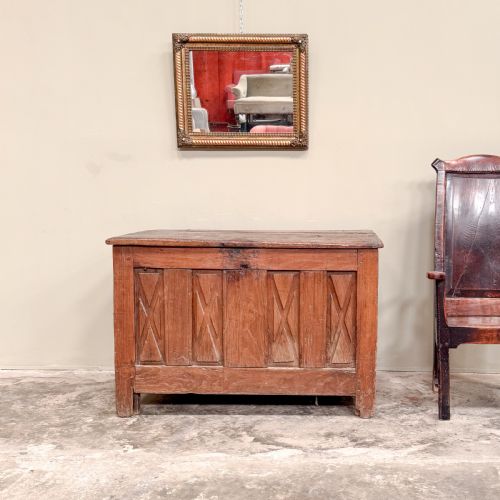
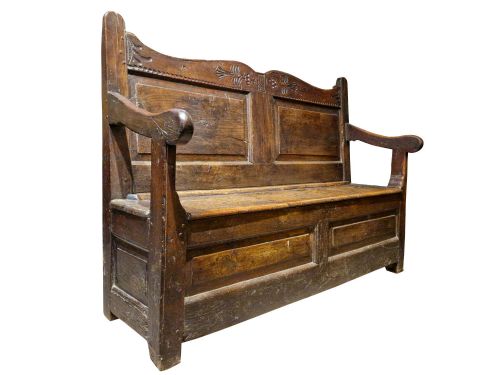
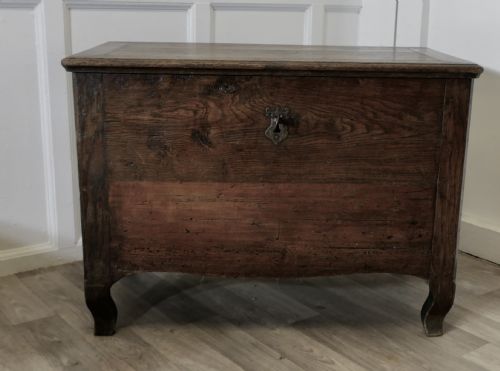
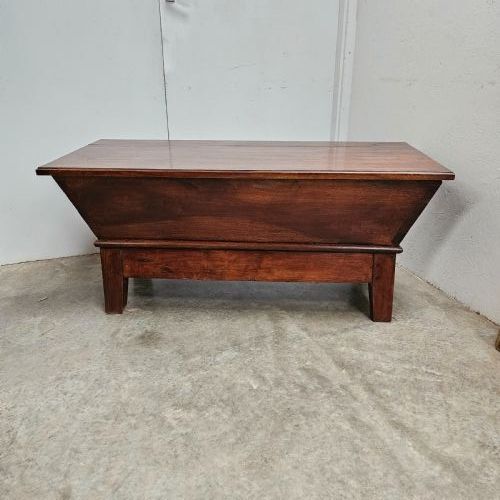
A rustic french coffer provides sturdy domestic storage shaped by provincial traditions from the seventeenth through the nineteenth centuries. These sturdy wooden boxes serve as blanket chests, dough bins, settles, and strong boxes across the French countryside.
Most pieces seen here belong to the eighteenth and nineteenth centuries, though earlier seventeenth century oak examples also appear. Forms range from simple blanket boxes to specialised walnut dough proving boxes and elm cannonball boxes.
How they were made
Carpenters built these sturdy vessels primarily from solid oak, elm, pine, walnut, and cherrywood, selecting local timbers suited to heavy daily use. Panels fitted together securely to form deep storage bodies designed for domestic utility.
Blacksmiths supplied essential hardware including wrought iron hasps, hinges, and carrying hoops that reinforced the wooden structure. Some surfaces retain traces of early paint, while others display the natural grain of hardwood.
One heavy elm box even includes cannonball storage alongside iron hasps and carrying hoops.
What varies in quality
Quality rests upon the choice of timber and the integrity of the original construction rather than decorative excess. Heavier woods like oak and walnut command attention for their durability and depth of grain.
The survival of original wrought iron hasps, hinges, and structural hardware elevates an example above altered pieces. Honest patination acquired through decades of provincial use distinguishes superior specimens.
The Rustic French Coffer Glossary
- Coffer
- A large wooden chest used for storing valuables, linen, or household goods. These heavy boxes typically feature hinged lids and robust construction.
- Dough bin
- A specialised wooden container designed for preparing and proving bread dough in provincial kitchens. These items often double as low tables or enclosed storage boxes.
- Settle
- A wooden bench featuring a high solid back, armrests, and a box seat that lifts for storage. This dual-purpose form combines seating with practical containment.
- Strong box
- A reinforced storage chest fitted with secure iron hardware to protect money or documents. These compact boxes utilise heavy timber and sturdy locking mechanisms.
Rustic French Coffer: Frequently Asked Questions
What is a rustic french coffer used for?
These versatile wooden chests provided secure household storage for blankets, clothing, and valuables in provincial homes. Specialised versions also functioned as dough bins for baking or settles for seating.
Today, they serve equally well as living room storage tables or hallway benches while retaining their traditional utility.
How old are these rustic french coffer pieces?
The pieces span from the seventeenth century through the nineteenth century, reflecting various periods of French provincial craftsmanship. Oak examples often date to the earlier centuries, while pine and elm variants frequently appear in nineteenth century formats.
Construction details and wood types help place each piece within this broader timeline of provincial production.
What woods are used in rustic french coffer items?
Carpenters utilised sturdy local hardwoods and softwoods depending on regional availability and the intended function of the box. Oak and walnut appear frequently in seventeenth and eighteenth century examples, offering exceptional durability.
Elm, cherrywood, and pine also feature prominently in nineteenth century blanket boxes and dough bins, often supplemented by iron hardware.
How do I care for a rustic french coffer?
Maintaining these wooden pieces involves keeping them away from direct heat sources and sudden humidity changes to protect the timber. Regular dusting with a dry cloth preserves the natural finish and historical patination.
Applying occasional suitable wax helps nourish older hardwood surfaces without altering their character.