


Traditional Pier Glass Mirror
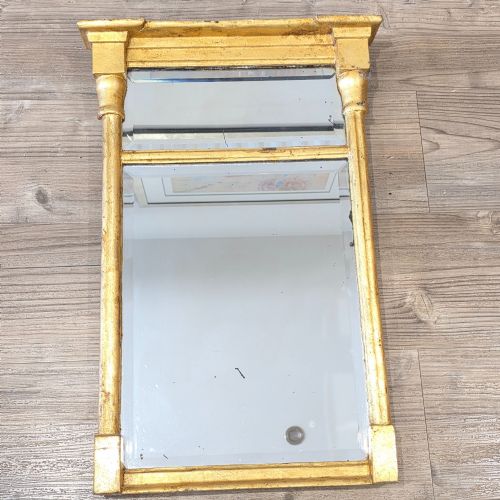
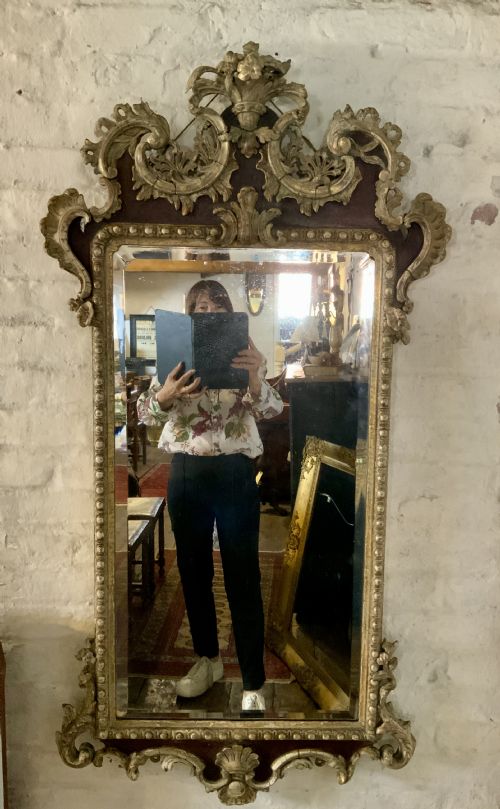
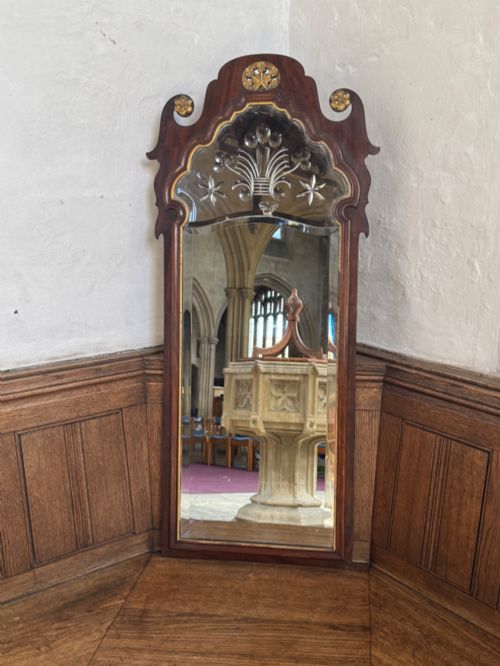
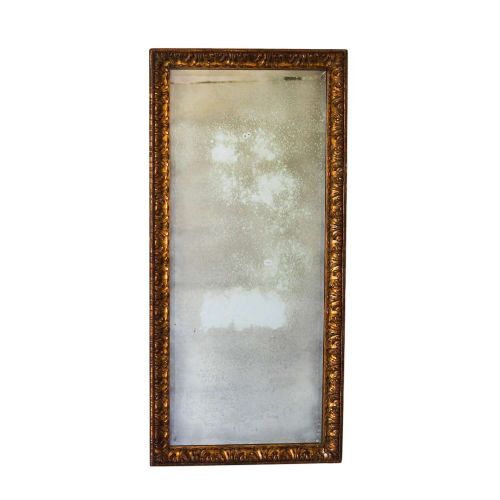
These traditional pier glass mirror examples bring height and light to narrow wall spaces between windows, combining period craftsmanship with striking proportions.
Traditional Pier Glass Mirror
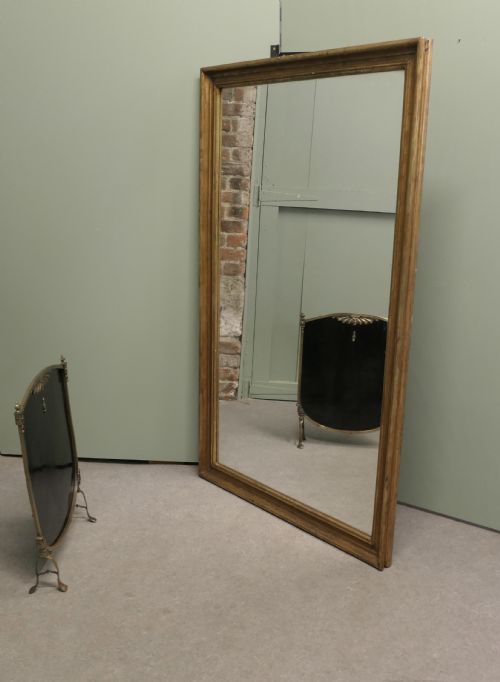
A traditional pier glass mirror hangs in the narrow wall space between windows, drawing light deep into a room. These vertical forms appear across Georgian, Regency, and Victorian periods, often framed in giltwood or walnut.
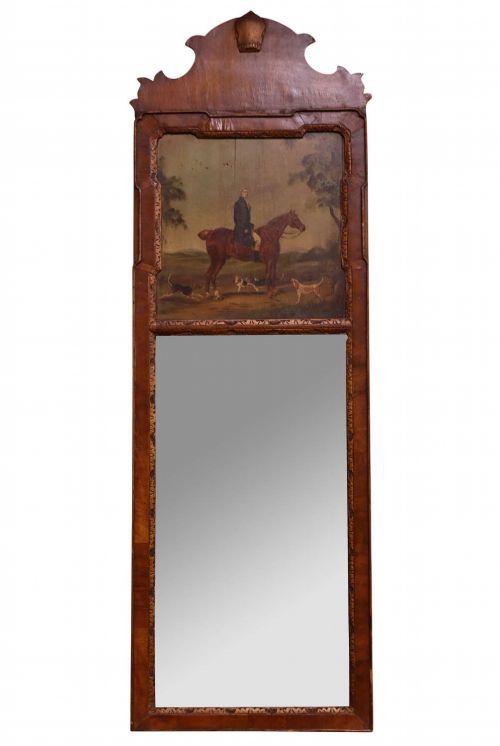
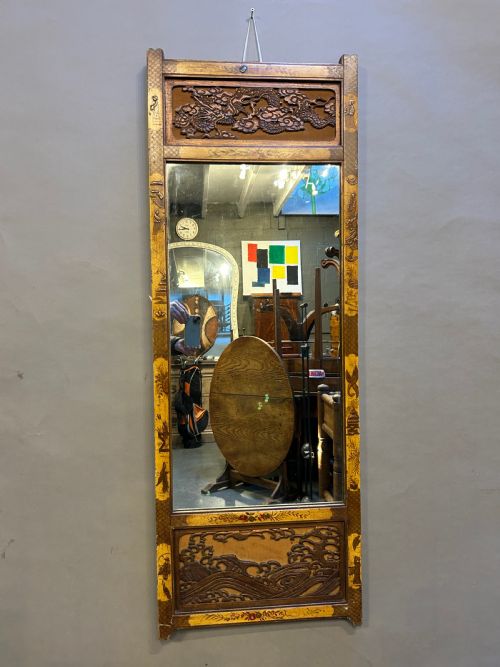
The selections here range from eighteenth-century walnut and parcel gilt examples to early twentieth-century Queen Anne revival pieces and Chinoiserie wall mirrors. Many incorporate painted details, reverse cut plates, or inset hand-painted panels above the glass.
Makers fashioned these tall mirrors to anchor formal reception rooms, frequently matching the height of surrounding architectural joinery. Surviving pieces demonstrate the enduring popularity of vertical glass plates designed specifically for pillar spaces.
How they were made
Craftsmen built timber carcases in walnut, mahogany, or rosewood, applying gesso layers to shape delicate decorative mouldings. Artisans then applied gold leaf or paint over the gesso ground to achieve a polished finish.
Mirror plates were set into the wooden frames, occasionally featuring bevelled edges or reverse-cut decorations. Joinery methods relied on traditional pegging and rebate construction suited to holding heavy glass safely upright.
Several mirrors include unexpected equestrian oil paintings tucked right above the glass, treating horses with the same dignity as royalty.
What varies in quality
The crispness of the carved gesso decoration and the depth of the original gilding dictate the visual success of the frame. Superior examples retain their original glass plates, which show gentle oxidation rather than modern silvering.
The choice of primary timber, such as figured walnut or dense mahogany, distinguishes high-status examples from simpler painted pine or softwood frames. Secondary details like hand-painted panels or equestrian oil paintings above the glass add considerable distinction.
The Traditional Pier Glass Mirror Glossary
- Pier glass
- A tall mirror designed to hang on the narrow wall space between windows. These vertical glasses reflect natural light back into the centre of a room.
- Parcel gilt
- A decorative technique where specific carved details of a wooden frame are gilded with gold leaf while the rest shows exposed wood or paint. This method highlights particular architectural motifs.
- Gesso
- A plaster-like mixture applied to wood frames to create a smooth surface for carving and gilding. Artisans model fine relief patterns directly into this compound.
- Reverse cut plate
- A glass plate decorated by cutting designs into the silvered back of the glass. This technique produces a subtle front-facing image that remains protected behind the clear pane.
Traditional Pier Glass Mirror: Frequently Asked Questions
Where should I hang a pier mirror?
These mirrors suit narrow wall spaces between windows or above low console tables where vertical proportions balance the room.
They reflect natural light effectively into darker corners without overwhelming wider wall expanses.
How do I identify a Georgian pier mirror?
Georgian examples typically feature walnut or mahogany frames, often with parcel gilt accents and architectural pediments.
Look for traditional construction methods and period plate glass showing natural ageing patterns.
What is parcel gilding?
Parcel gilding involves applying gold leaf only to selected raised carvings on a wooden frame.
The remaining areas display natural wood grain or painted surfaces to create visual contrast.
Are these mirrors heavy?
The combination of dense timber frames, thick gesso, and heavy glass plates creates substantial weight.
Secure wall fixings into structural studs or masonry are essential for safe hanging.