


Carved Walnut Pier Mirror
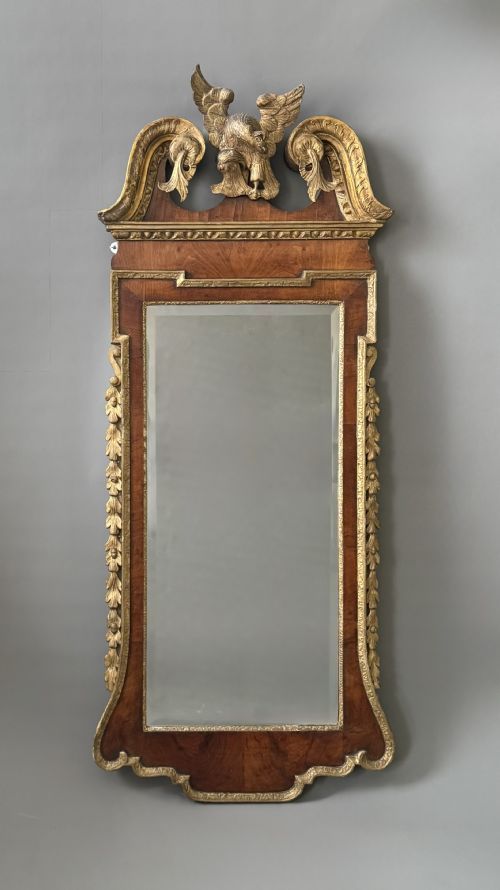
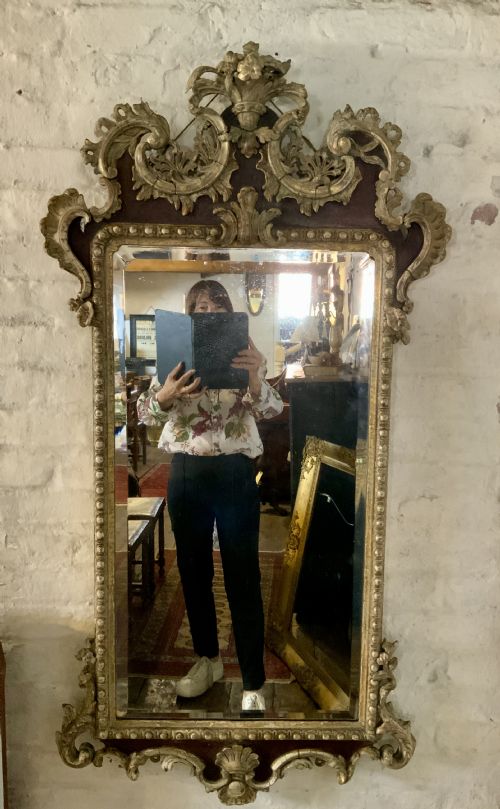
A carved walnut pier mirror brings architectural presence to a room, reflecting light between windows with deep timber grain and gilded detail.
Carved Walnut Pier Mirror
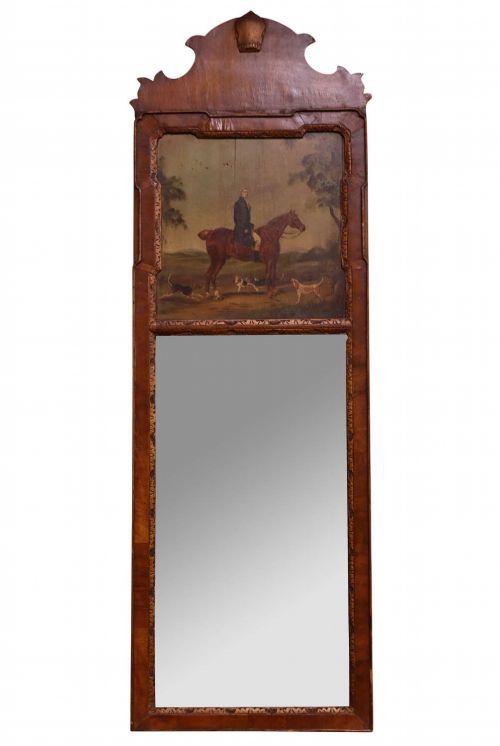
A carved walnut pier mirror is a tall looking glass designed specifically to hang on the wall space between two windows, anchoring the room's proportions. The pieces recorded here range from genuine 18th century examples to later revival interpretations spanning the Victorian era and the early 20th century.
Originating in grand domestic interiors, these items served both to illuminate dark spaces and to display the joiner's skill in handling complex fretwork and carved crestings.
How they were made
Construction relies upon solid walnut and burr walnut veneers applied to secondary timbers, providing rich natural figures across the frame plates. Many pieces integrate parcel gilt highlights, applying thin gold leaf over gesso to carved mouldings, scroll ears and swan neck pediments.
Makers utilised traditional joinery techniques such as fretwork sawing for silhouette borders and specialised bevelling for mirror glass plates, including Vauxhall plates on 18th century examples. Paint layers, oil on canvas inserts, and marble tops occasionally complete the assembly on continental or revival works.
Materials span plain and burr walnut timber combined with mirror glass, oil paint, and giltwood highlights on wall mirrors and console tables.
What varies in quality
Quality rests in the crispness of the carving and the depth of figure within the walnut veneer, distinguishing sharp hand-cut fretwork from softer revival mouldings. The retention of original mirror plates with period distortion and silvering adds historical integrity.
Proportion and scale dictate the visual weight of the mirror, where balanced architectural pediments and intact parcel gilt details separate standard furnishing pieces from higher cabinetmaker output.
William Kent
The Carved Walnut Pier Mirror Glossary
- Pier glass
- A tall mirror designed to hang on the narrow wall between windows. This placement maximised natural light in traditional 18th century drawing rooms.
- Parcel gilt
- Partially gilded timber decoration. Gold leaf is applied selectively to carved highlights while leaving the surrounding walnut grain exposed.
- Fretwork
- Thin wood panels pierced with decorative patterns using a fretsaw. It defines the scrolled outlines of many Georgian wall mirrors.
- Burr walnut
- Timber taken from walnut tree growths that produces swirling, knotty grain patterns. Cabinetmakers valued this veneer for high-status furniture fronts.
- Vauxhall mirror
- A mirror plate distinguished by bevelled edges and thin glass composition. Named after the London factory that produced them in the 17th and 18th centuries.
Carved Walnut Pier Mirror: Frequently Asked Questions
Where should I hang a pier mirror?
These mirrors suit narrow wall spaces, particularly the architectural gap between two windows where they bounce natural daylight back into the interior.
They also sit effectively above console tables or mantelpieces, provided the room has sufficient ceiling height to accommodate their vertical proportions.
How do I date a walnut mirror?
Dating relies on combining the timber preparation, edge bevelling of the glass, and stylistic cues such as fretwork silhouettes or parcel gilt motifs. Eighteenth-century examples show hand-cut construction details and period glass characteristics.
Revival pieces from the Victorian era or 1920s often replicate earlier George II or Queen Anne forms using machine-sawn backing boards and heavier modern hardware.
What is the difference between walnut and burr walnut?
Standard walnut timber displays a straight, rich brown grain derived from the trunk of the tree. It provides a stable and uniform surface for structural frame elements.
Burr walnut comes from knotty growths on the tree, yielding highly decorative, swirling patterns that cabinetmakers reserved for veneering prominent surfaces.
Are original mirror plates common?
Surviving early glass plates remain unusual because centuries of cleaning and accidental breakage led many to be replaced. Original plates typically show characteristic clouding, oxidation, and bevelled borders.
Later replacements are flat, clean, and lack the optical imperfections found in historical glass.
How do I care for a carved wooden frame?
Dust the intricate carvings gently with a soft, dry brush to prevent dirt accumulation in the recessed channels of the fretwork. Avoid liquid polishes that can seep beneath fragile gilding or damage exposed timber surfaces.
Keep the mirror away from direct sunlight and damp environments to protect the underlying gesso and veneer.