


Warm Brown Walnut Mirror
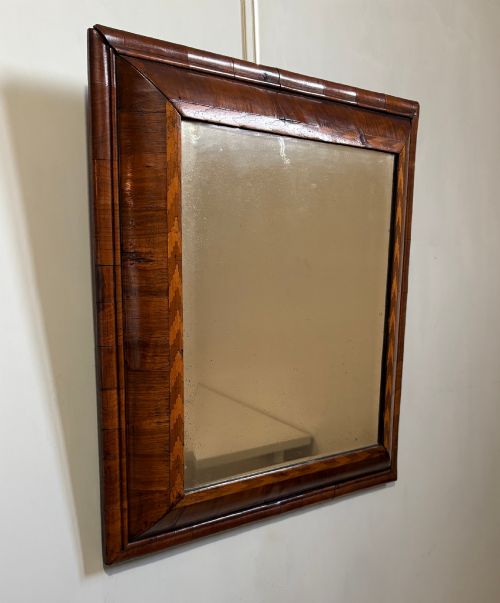
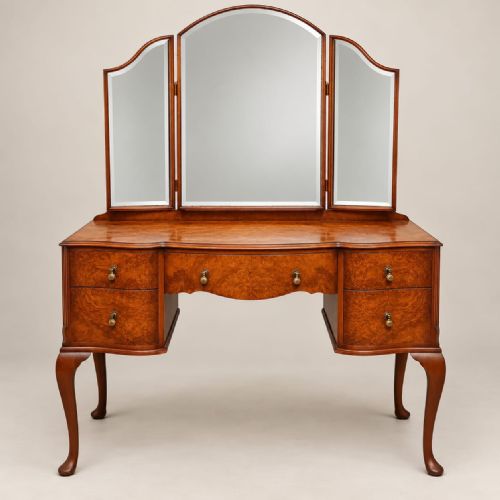
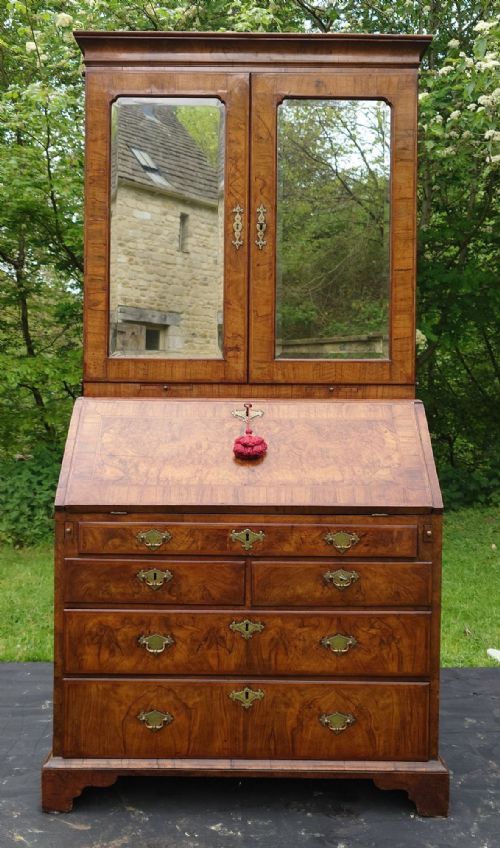
These pieces of warm brown walnut mirror are functional wall and dressing items combining rich timber tones with practical glass.
Warm Brown Walnut Mirror
A warm brown walnut mirror brings a rich, deep timber tone into a room, functioning as both a practical looking glass and a decorative focal point. When searching for a warm brown walnut mirror, buyers encounter various historical periods ranging from the Georgian era through to the Art Deco period.
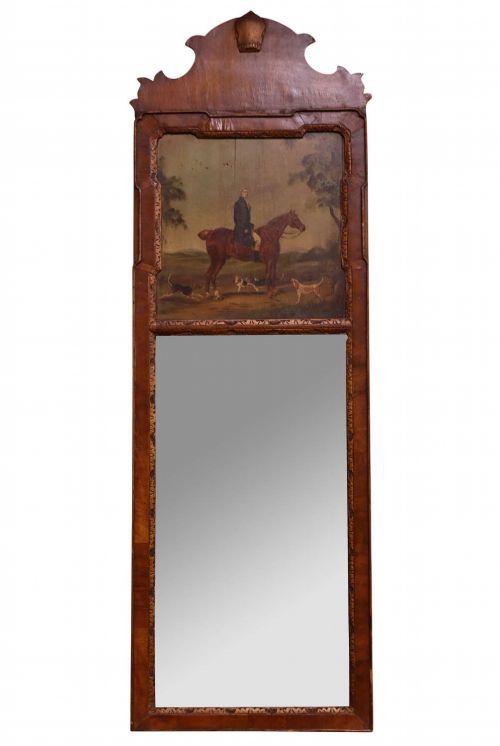
The selection includes distinct forms such as wall mirrors, overmantel mirrors, dressing mirrors, and pier glass mirrors. Many examples incorporate high figures of timber, whilst others feature specialist additions like oil paintings or console supports.
Origins span British workshops and continental makers, showing influences from Queen Anne Revival, George II, Biedermeier, and French Louis XV styles. These diverse pieces demonstrate how cabinetmakers utilised the warm hues of walnut across different centuries.
How they were made
Cabinetmakers constructed these frames using solid walnut and burr walnut veneers applied over secondary woods, creating richly figured surfaces. Artisans frequently integrated bevelled mirror glass alongside brass fittings and metal structural elements.
Certain pieces combine carpentry with fine art, embedding oil on canvas works directly within the wooden framework. Workshops also utilised satin walnut and mixed woods depending on the regional tradition and the specific historical period.
One unexpected mirror comes with an equestrian oil painting attached, proving that horses and reflections share a surprisingly historic interior partnership.
What varies in quality
The standard of timber selection largely defines the visual depth of the piece, particularly where burr walnut veneers display intricate natural grain patterns. Superior examples exhibit harmonious proportions and refined carving that reflect the specific design style, whether George II or Art Deco.
Integration of secondary materials, such as high-grade brass hardware or finely executed oil paintings within pier glass frames, separates standard utility items from more ambitious decorative works. The precision of the joinery and the preservation of the original warm brown finish dictate the overall integrity of the construction.
The Warm Brown Walnut Mirror Glossary
- Burr walnut
- A highly figured timber harvested from walnut tree growths, prized for its swirling grain patterns. Cabinetmakers sliced this wood into veneers for decorative surfaces.
- Pier glass
- A tall mirror designed to hang on the wall between windows, frequently placed above a console table or pier table. These often incorporated artwork or elaborate crestings.
- Overmantel mirror
- A wide mirror specifically proportioned to hang above a fireplace mantelpiece. These pieces visually expand the room and reflect light from the hearth.
- Biedermeier
- A Central European style spanning the nineteenth century characterised by utilitarian comfort, clean lines, and polished wood veneers without excessive ornamentation.
Warm Brown Walnut Mirror: Frequently Asked Questions
Where should I hang a walnut pier glass?
A pier glass suits narrow wall spaces, particularly between windows or above matching console tables. This placement maximises natural light reflection within the room.
Ensure the wall fixings adequately support the combined weight of the timber frame and the mirror glass.
How do I clean walnut mirror frames?
Dust the timber gently with a soft, dry cloth to remove surface particles without disturbing the polished finish. Avoid using chemical sprays or excessive moisture on the wood.
Apply a traditional beeswax polish occasionally if the timber appears dry, buffing it gently to maintain the warm sheen.
What is the difference between Georgian and Art Deco styles?
Georgian walnut mirrors typically feature traditional proportions, classical architectural motifs, and revival elements like Queen Anne curves. They emphasise rich grain patterns and traditional joinery.
Art Deco mirrors embrace geometric forms, streamlined silhouettes, and modernist design principles typical of the twentieth century.
Can I place these mirrors in a hallway?
Wall mirrors and pier glasses function well in hallways by creating an immediate sense of space and light upon entry. The warm brown tones complement traditional and eclectic interior palettes alike.
Verify the dimensions of the hallway to ensure the frame proportions harmonize with the surrounding wall area.