


Trumeau Mirror Oil Painting
These trumeau mirror oil painting pieces combine decorative glass with integrated canvas art, offering a classic focal point for period interiors.
Trumeau Mirror Oil Painting
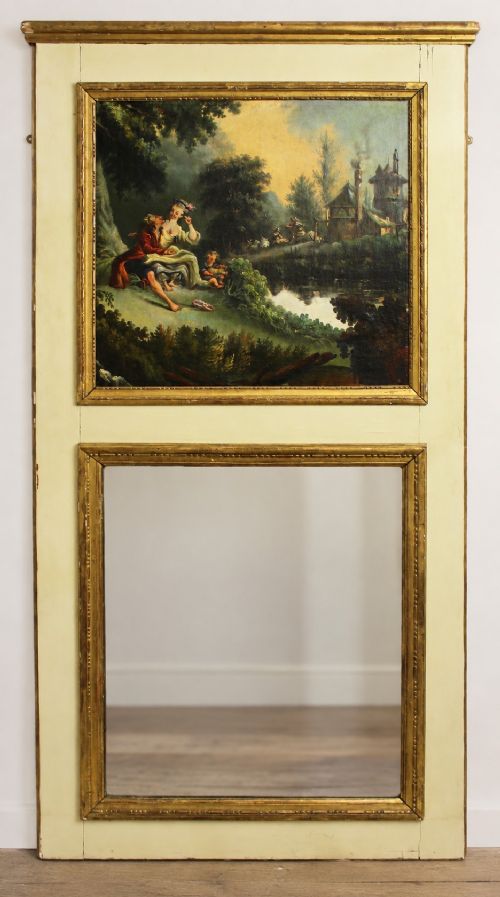
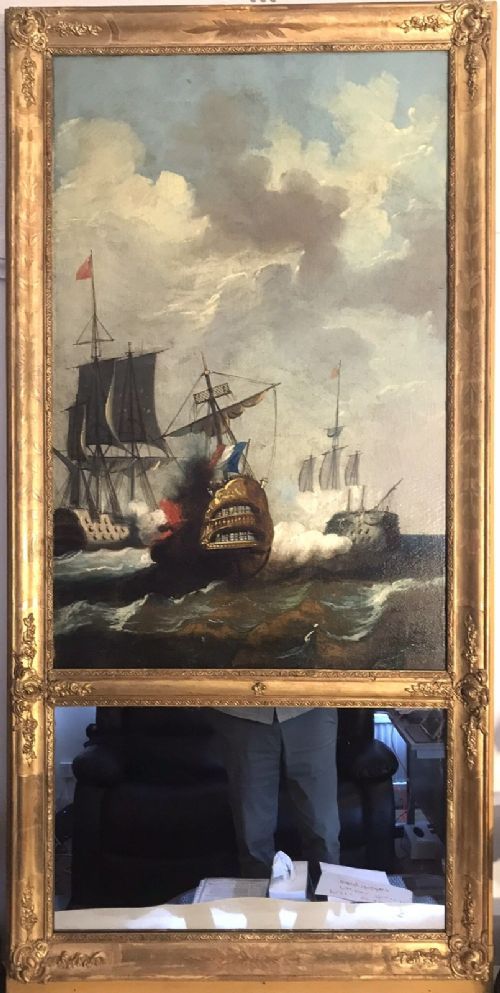
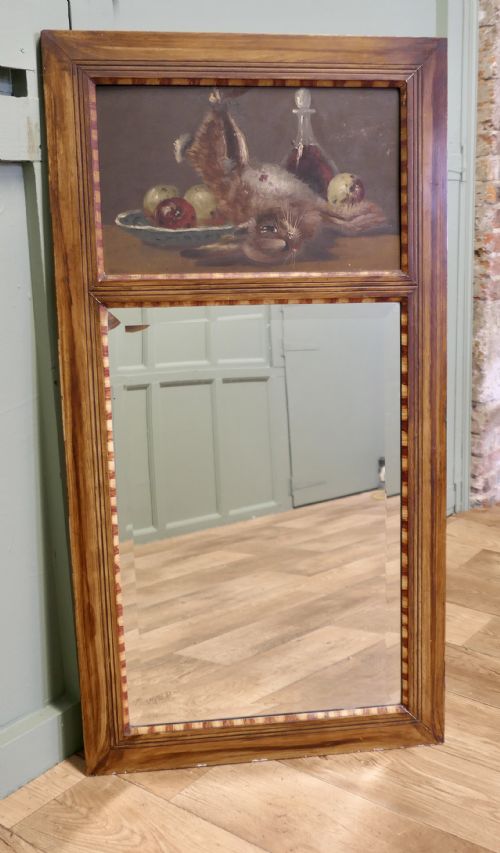
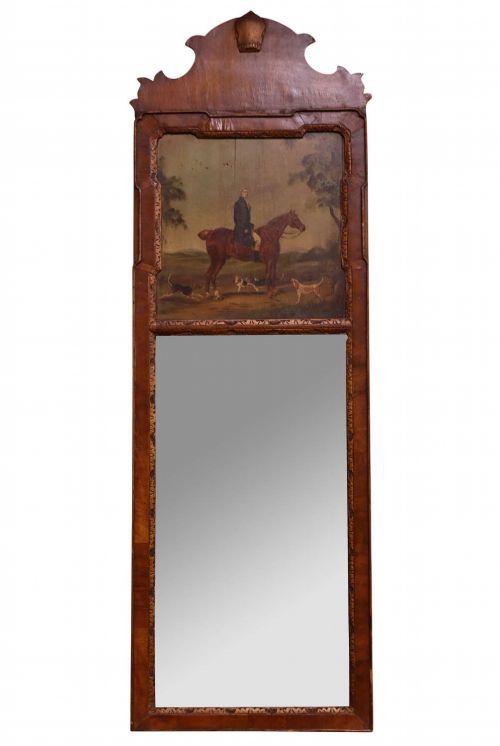
A trumeau mirror oil painting combines a wall-hanging mirror with an integrated oil painting set into the wooden frame, most commonly originating from nineteenth-century France. These decorative architectural elements often take the form of tall pier mirrors or overmantle pieces designed to sit above a fireplace. The examples on this page span the eighteenth century to the early twentieth century, incorporating styles such as French Rococo, Queen Anne Revival, and country house aesthetics.
The painted panels within these frames display varied subjects, ranging from seascapes with galleons to pastoral scenes and equestrian subjects. Materials recorded across these listings include giltwood, painted wood, walnut, mahogany, and glass. Buyers frequently encounter versions rooted in French chateau and country traditions alongside revival pieces from the early twentieth century.
How they were made
Makers constructed the primary framework using timber such as walnut, mahogany, and pine before applying giltwood, parcel-gilt, or painted finishes. The wooden panels housed both the mirror glass and the separate oil paint layer applied to canvas or wood surfaces.
Artisans integrated the pictorial art directly into the architectural layout of the frame, often placing the oil painting above the glass plate. The decorative schemes utilise traditional carving, gilding, and painting techniques characteristic of French and British workshops.
Listings feature periods ranging from the eighteenth century to nineteen-twenty, alongside materials such as walnut, giltwood, and oil on canvas.
What varies in quality
The standard of execution in the oil painting section distinguishes different tiers of these mirrors, with finer brushwork and more detailed pastoral or marine subjects marking superior examples. The intricacy of the carved giltwood or painted woodwork also separates standard production pieces from finer decorative items.
Integration between the painting and the mirror frame influences the overall cohesion of the piece, as does the preservation of original nineteenth-century or eighteenth-century surfaces.
The Trumeau Mirror Oil Painting Glossary
- Trumeau mirror
- An architectural wall mirror featuring an integrated panel above the glass, frequently decorated with an oil painting. These pieces were traditionally designed to fit the pier space between windows or above a mantelpiece.
- Pier mirror
- A tall vertical mirror specifically proportioned to hang on the wall space between two windows. They often incorporate trumeau panels and matching console tables.
- Giltwood
- Timber carved and coated with a thin layer of gold leaf or gold paint. This finish appears frequently on nineteenth-century French frames.
- Parcel-gilt
- A decorative treatment where only specific carved details or raised portions of a wooden object are gilded, leaving the underlying painted or natural wood exposed.
- Overmantle mirror
- A large horizontal or vertical mirror designed to be positioned directly above a fireplace mantel. Several examples in these listings serve this specific architectural function.
Trumeau Mirror Oil Painting: Frequently Asked Questions
What is a trumeau mirror?
A trumeau mirror is an architectural wall mirror that incorporates a decorative panel, usually containing an oil painting, set into the wooden frame above the glass plate.
These combination pieces originated in interior decoration to fill wall spaces between windows or to sit above mantelpieces.
What subjects appear in the paintings?
The integrated oil paintings display a range of traditional subjects, including pastoral landscapes, equestrian scenes, and marine views featuring galleons at sea.
These artworks are painted directly on canvas or wood panels built into the upper section of the mirror frame.
How do I date a trumeau mirror?
Dating relies on examining the construction materials, the style of the wood carving, and the characteristics of the oil painting.
Evidence from these listings shows items spanning the eighteenth century through to the early twentieth century, including revival styles like Queen Anne.