
Traditional Painted Chest
A traditional painted chest brings colour and utility to a room, offering practical storage finished with historic pigment, lacquer, or scumble.
Traditional Painted Chest
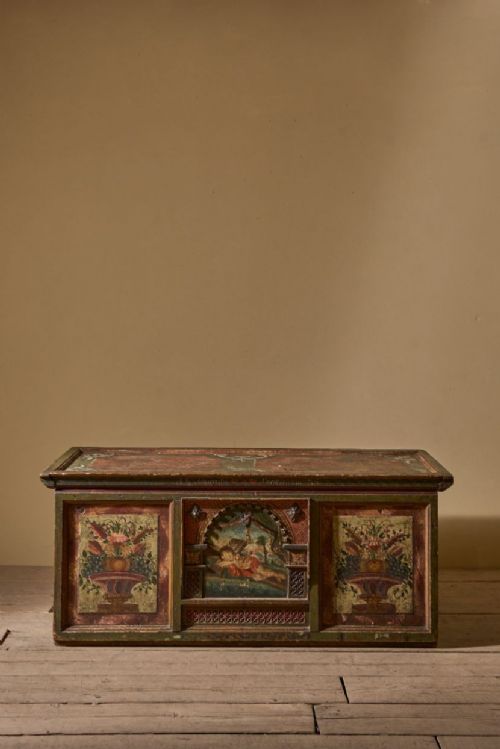
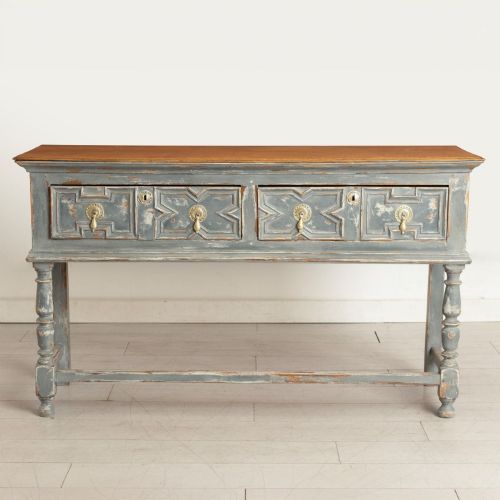
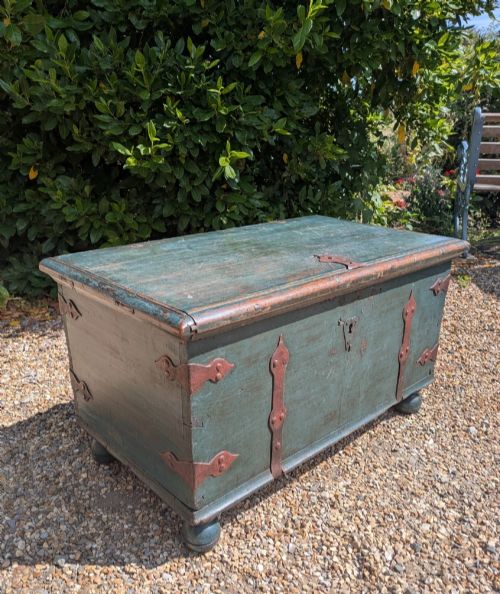
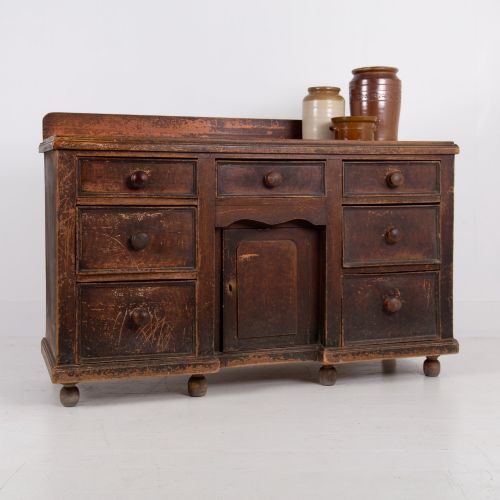
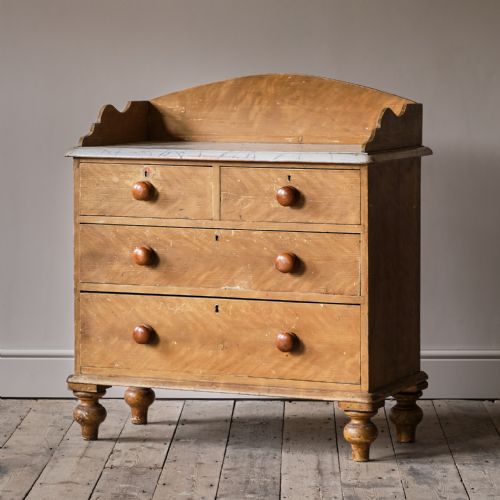
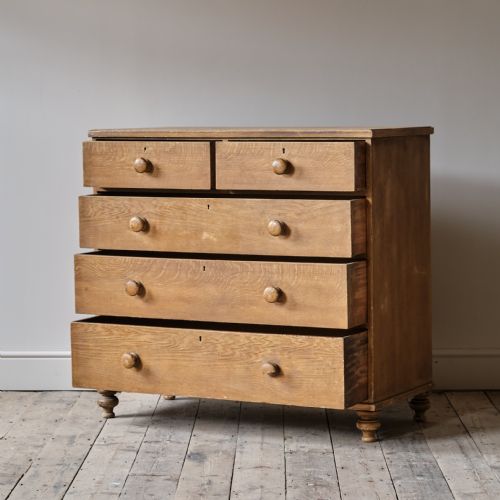
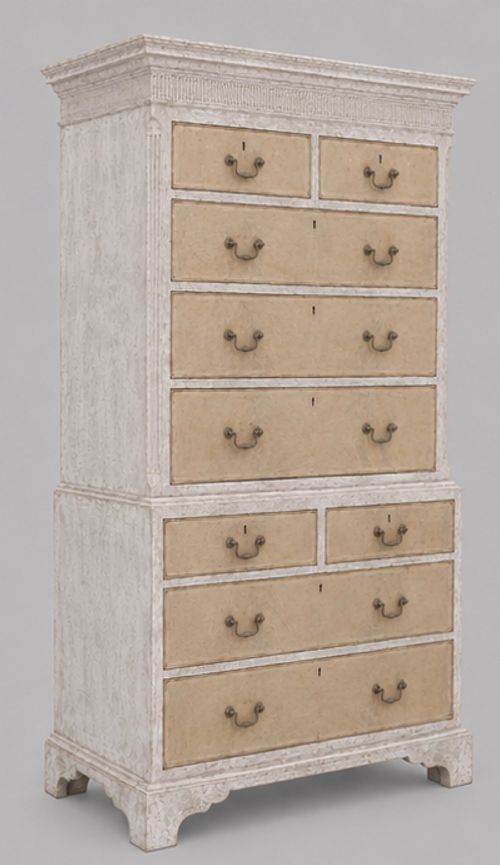
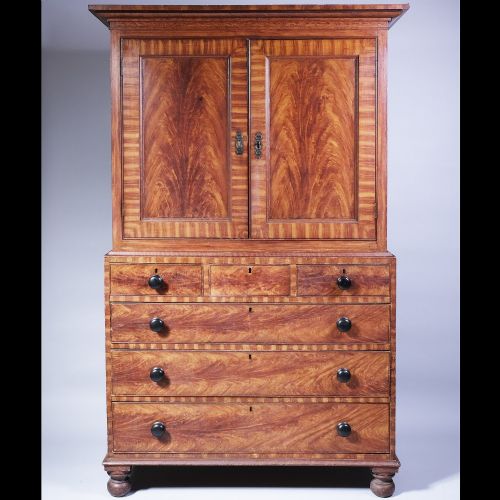
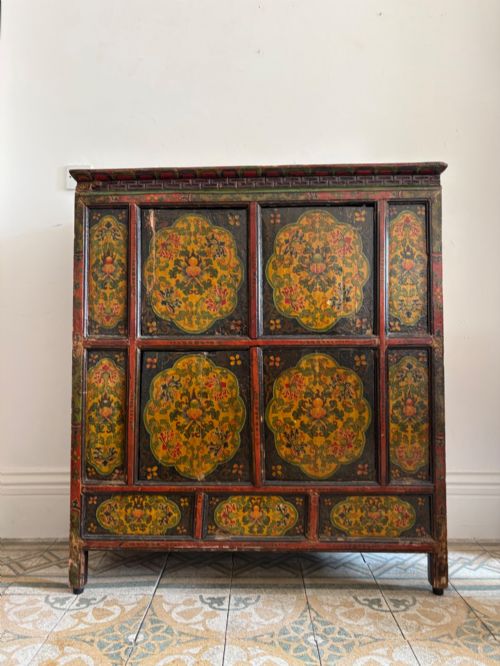
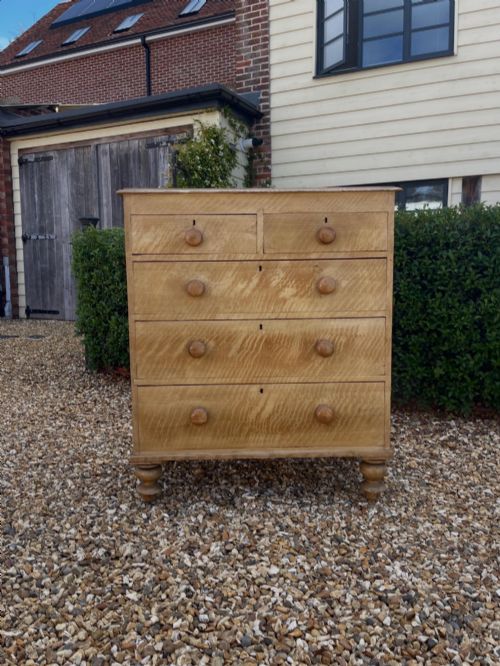
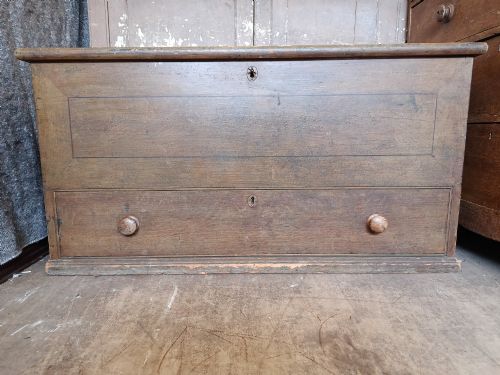
When you search for a traditional painted chest, you encounter storage forms designed for domestic use, predominantly constructed from pine and finished with pigment, lacquer, or scumble paint. These pieces span periods from the 18th century through to the early 20th century, originating from English, European, and Asian workshops.
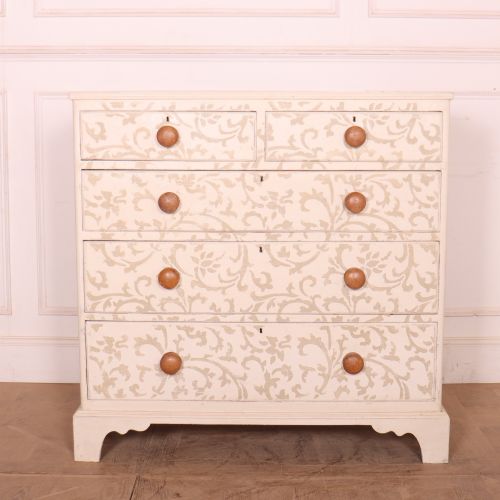
The versions most frequently met on this page include blanket boxes, mule chests, marriage trunks, and chests of drawers. They combine functional compartmentalised storage with decorative surfaces that range from simple provincial coats of paint to elaborate folk art floral decoration.
How they were made
Makers built these pieces primarily using solid pine, ash, and oak, relying on traditional joinery such as dovetailing for drawers and robust plank construction for trunks and coffers. Iron and brass hardware, including hand-forged strapwork and hinges, provided structural reinforcement and secure closures.
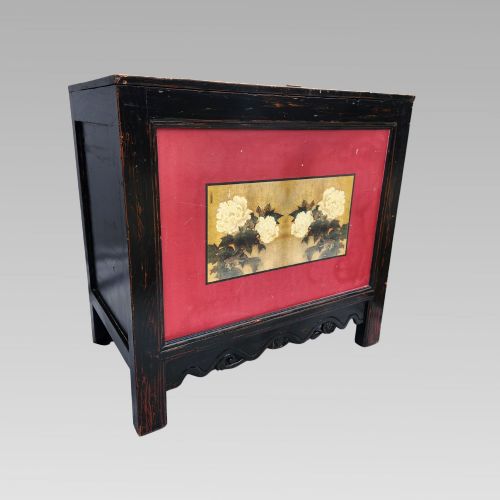
Surfaces were prepared and finished with natural pigments, oil-based paints, scumble glazes, or black lacquer. Decoration often involved hand-painted floral motifs or regional folk art styles applied directly over the wooden substrate.
Listings feature pine and painted wood extensively, alongside iron and brass hardware from the Georgian, Victorian, and Regency periods.
What varies in quality
The distinction between tiers rests upon the integrity of the original surface finish and the depth of regional character. Pieces retaining their untransformed, early painted layers carry greater integrity than those with later overpainting or stripped timber.
Construction robustness and the subtlety of decorative brushwork dictate distinction at the upper end. Finely executed floral decoration, intact original hardware, and well-proportioned proportions separate standard utilitarian containers from exceptional examples of folk art.
Edwards and Roberts
The Traditional Painted Chest Glossary
- Scumble
- A translucent or semi-opaque layer of paint manipulated with combs, rags, or brushes while wet to imitate the grain of more expensive timbers or create mottled decorative patterns.
- Mule chest
- A storage chest fitted with one or two drawers at the base beneath a hinged lid compartment, bridging the design gap between a standard blanket box and a full chest of drawers.
- Cassone
- A traditional large Italian chest, frequently decorated with paintings or carvings, historically used as a marriage chest to hold a bride's trousseau.
- Strapwork
- Flat bands of metal, typically iron, fastened across the exterior of trunks and chests to reinforce joints and protect corners from damage during transit.
- Chinoiserie
- European decorative style inspired by Chinese art and design, characterised by lacquerwork and motifs depicting oriental landscapes, figures, and flora.
Traditional Painted Chest: Frequently Asked Questions
What is a traditional painted chest?
A traditional painted chest is a wooden storage piece, such as a blanket box, trunk, or chest of drawers, decorated with historic pigment, lacquer, or scumble paint. These utilitarian items were produced across various regions and centuries for domestic storage.
They combine robust structural carpentry with regional decorative arts, displaying finishes that range from plain country colours to intricate folk art floral motifs.
How were these chests used historically?
These chests served primarily for storing household textiles, garments, blankets, and personal valuables in domestic interiors. Marriage trunks and cassoni held bride's dowries and important family possessions.
Their sturdy construction and hinged lids or lockable drawers made them secure containers that could also double as seating benches within the home.
How do I identify original paint?
Identifying original paint involves examining the surface for micro-crazing, uniform wear patterns, and the accumulation of dirt and wax within the pigment layers. Pigments applied centuries ago exhibit a matte depth and integration with the wood grain that modern touch-ups fail to replicate.
Inspect corners and edges where handling occurred naturally for signs of consistent ageing beneath subsequent layers of polish or grime.
Where did regional painted chests originate?
Regional painted chests originated across diverse areas including the Alpine regions, Hungary, Scandinavia, Spain, China, and various English rural counties. Each location developed distinct traditions in palette, decorative motifs, and joinery techniques.
European folk art traditions often utilised pine and bright floral pigments, whereas Asian examples frequently featured black lacquer and meticulous oriental detailing.