


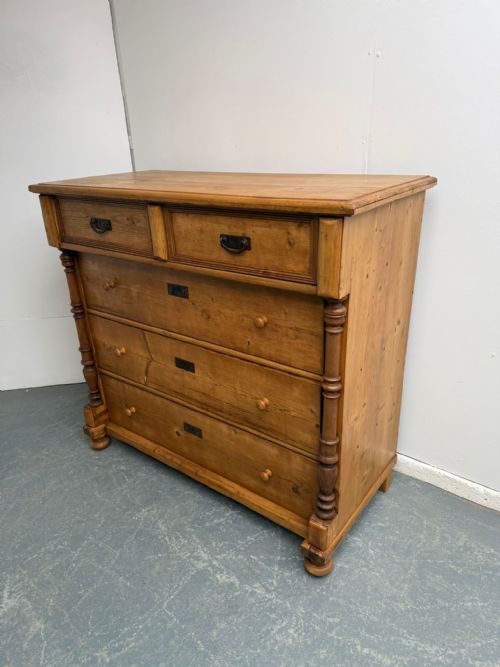
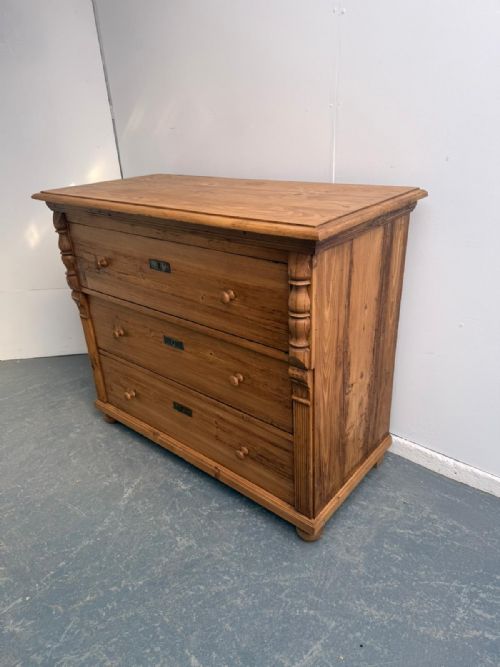

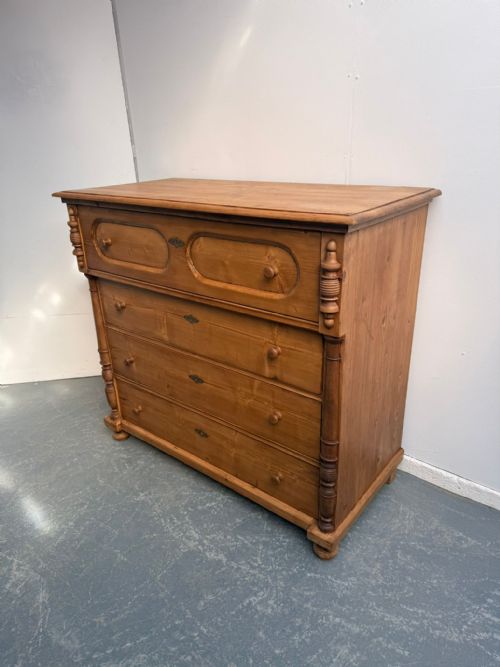


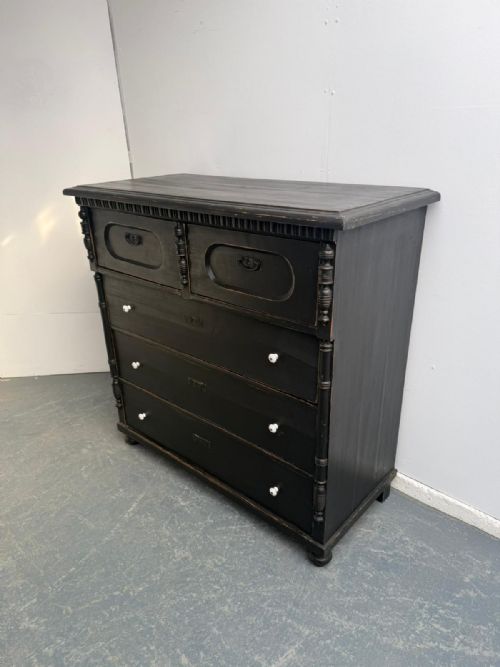

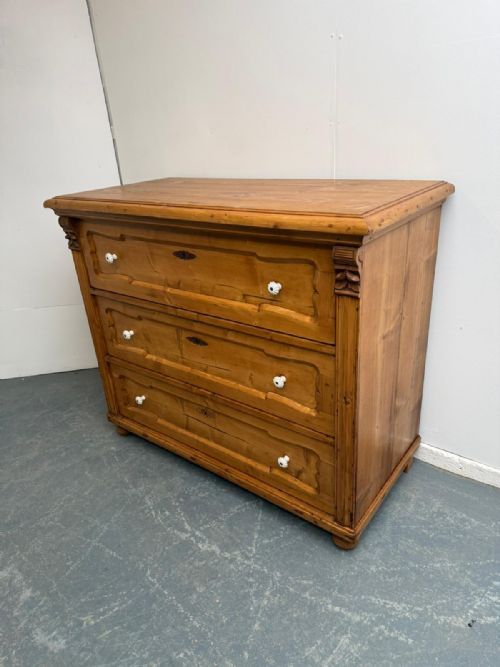

Hungarian Chest Drawers
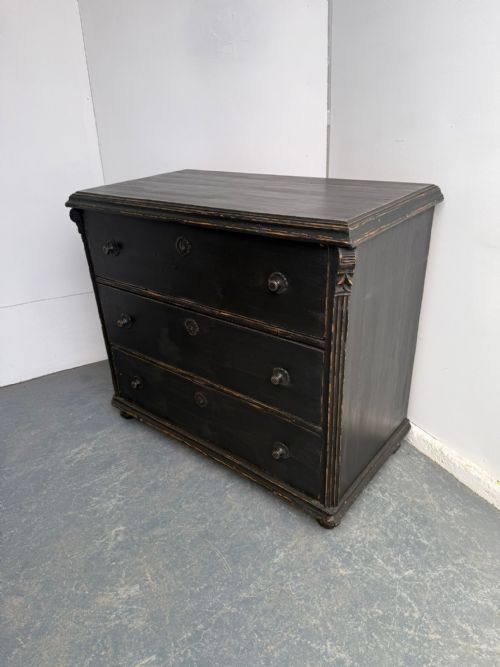
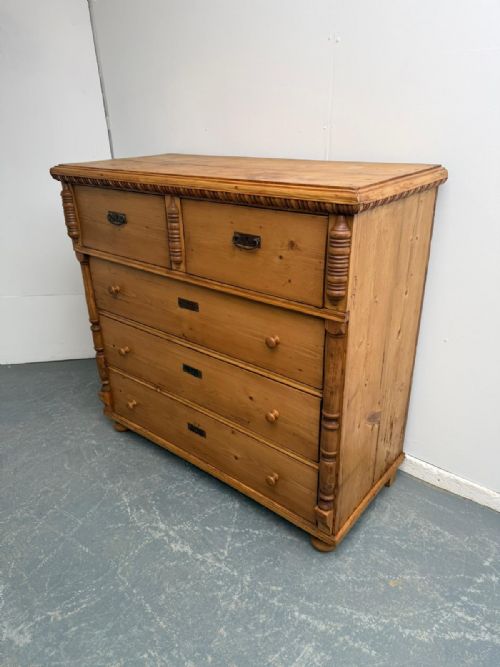
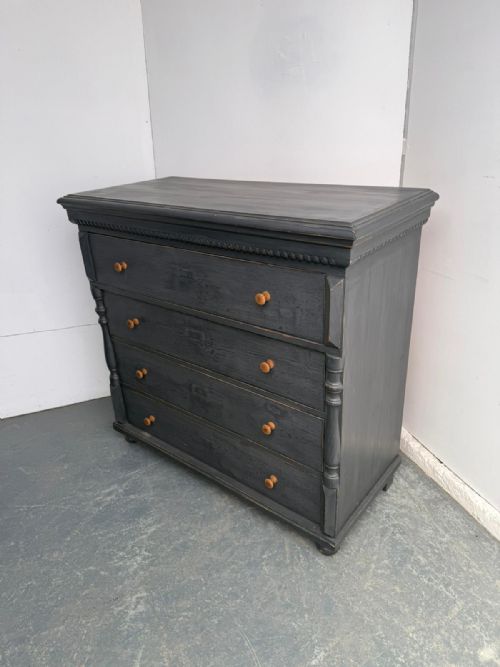
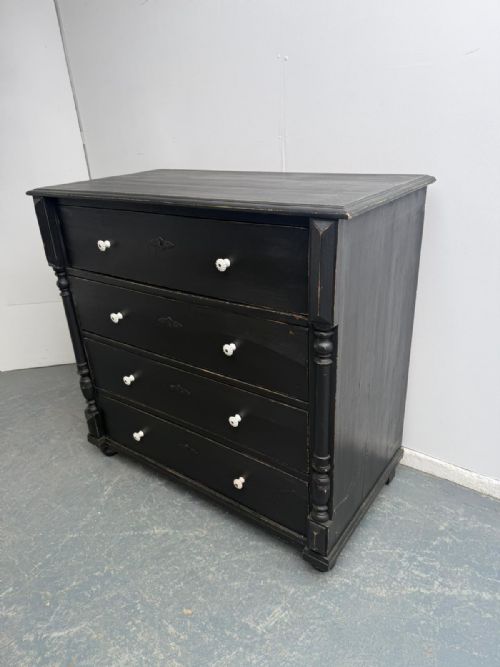
Hungarian chest drawers bring robust provincial character and practical storage to a room, constructed from sturdy pine and ash.
Hungarian Chest Drawers
When you search for Hungarian chest drawers, you encounter solid timber case pieces originating from Central Europe, predominantly fashioned during the Georgian and Victorian eras. These storage items range from standard three and four drawer configurations to massive five drawer examples and extensive multi drawer shop fittings.
The pieces you are most likely to meet on this page are constructed from pine, often presenting either a waxed natural finish or original paint in black, grey, green, white, or cream. Alongside traditional drawer chests, the selection encompasses related storage forms including cupboards, cabinets, and specialised shop fittings.
Originating within distinct regional traditions, these items span European folk art, rustic country, and continental country aesthetics. They offer deep drawers and substantial proportions, serving as both functional furniture and striking decorative statements.
Construction and Materials
Carpenters utilised native timbers, primarily relying on pine for standard storage pieces and occasional ash for finer examples. Construction techniques prioritized durability, resulting in heavy, solid carcases designed to withstand daily use in domestic and commercial settings.
Surfaces received specific treatments ranging from clear wax to protect the bare wood to coats of paint in muted or striking hues. Iron and brass hardware, alongside ceramic elements, provided functional fittings for drawers and doors.
Hungarian Chest Drawers Retail Price Guide 2026
Typical asking prices for hungarian chest drawers among the pieces listed under this phrase on Sellingantiques today, from the lower quarter to the upper quarter. They describe what is for sale here now, not the wider market.
Recorded periods span the Georgian era, the Victorian era, and nineteen ten.
Assessing Quality
The distinction between standard examples and the finest pieces often rests upon the preservation of original surface treatments, whether historic paint or aged wax. Original painted finishes that retain their character elevate a piece above later decorative interventions.
Proportion and scale also dictate distinction, with particularly massive formats, low wide configurations, or specialised columned detailing marking out superior examples. The presence of numerous functional drawers, as seen in multi drawer shop fittings, adds notable complexity to the construction.
The Hungarian Chest Drawers Glossary
- Georgian
- A design period spanning the eighteenth and early nineteenth centuries. Pieces from this era often exhibit refined proportions and classic joinery.
- Victorian
- The period covering the nineteenth century, characterised in these listings by robust proportions and utilitarian practicality. Many surviving examples date from this expansive era.
- Shop Fitting
- Commercial furniture designed for retail environments, including large units with numerous small drawers. These pieces served trade purposes before entering domestic settings.
- European Folk Art
- A decorative tradition reflecting local cultural motifs and vernacular styles. Painted finishes on these chests often embody this artistic heritage.
- Ash
- A dense, pale hardwood utilised for select chests of drawers. This timber offers distinct grain patterns and structural strength.
Hungarian Chest Drawers: Frequently Asked Questions
What defines a Hungarian chest of drawers?
These pieces are robust storage furniture originating from Central Europe, constructed primarily from pine or ash during the Georgian and Victorian periods.
They typically feature multiple stacked drawers and are found in waxed finishes or original historical paint colours.
How were these chests originally used?
Households utilised them for storing textiles, clothing, and domestic goods in provincial settings.
Larger multi drawer variants also served commercial functions as shop fittings for organising hardware or dry goods.
How do I care for a waxed pine finish?
Maintain the wood by applying a traditional beeswax polish periodically to nourish the timber and preserve its sheen.
Avoid placing the furniture near direct heat sources or strong sunlight to prevent the pine from drying out.
How can I tell a Victorian piece from a Georgian one?
Georgian examples date from earlier in the timeline and generally reflect more classical cabinet-making proportions.
Victorian pieces frequently display heavier proportions, alongside painted finishes and utilitarian hardware suited to nineteenth-century domestic life.