





Hungarian Pine Furniture
Hungarian pine furniture brings robust country character into a room through honest timber and vernacular forms shaped for daily rural life.
Hungarian Pine Furniture
Hungarian pine furniture spans Georgian and Victorian periods, alongside pieces dated around 1890 and the wider nineteenth century. Buyers searching for Hungarian pine furniture encounter practical domestic forms shaped by European country traditions.
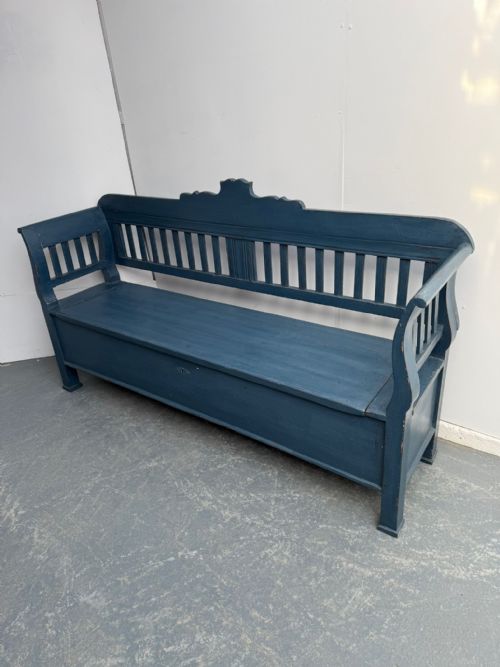
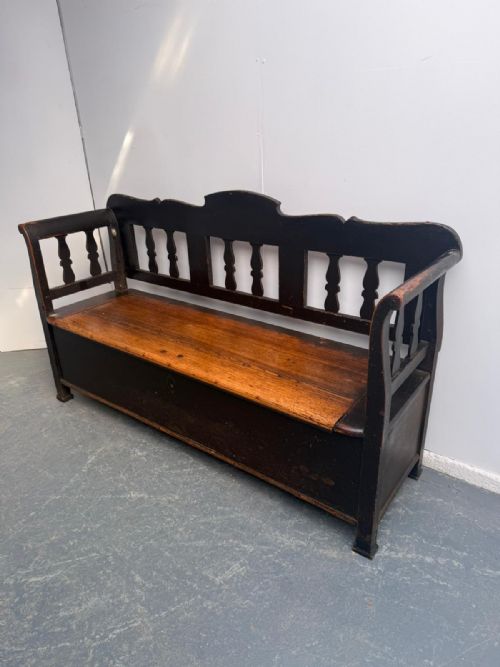
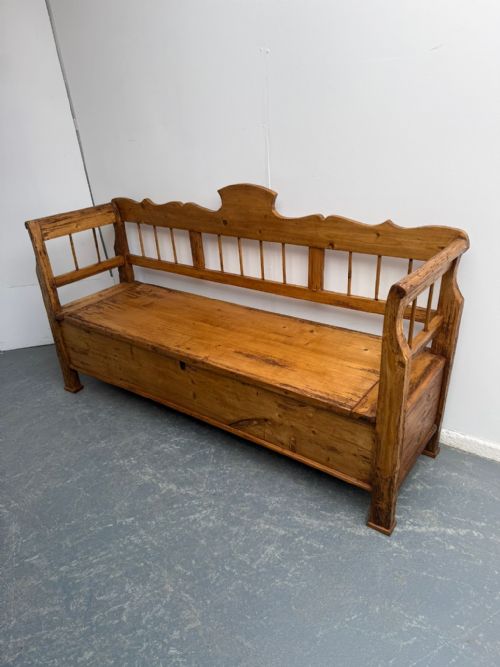
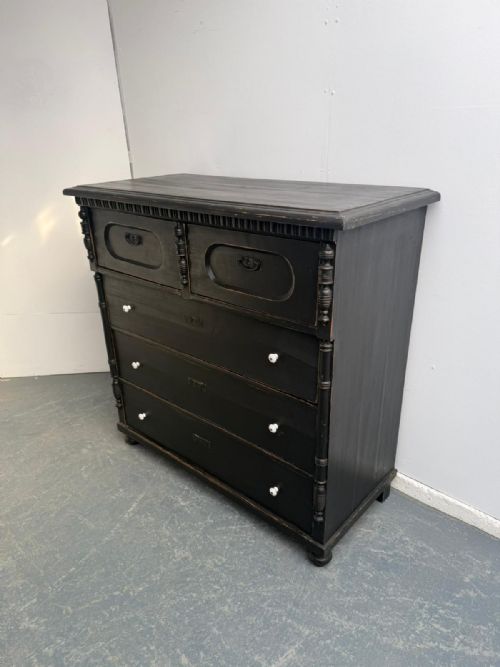
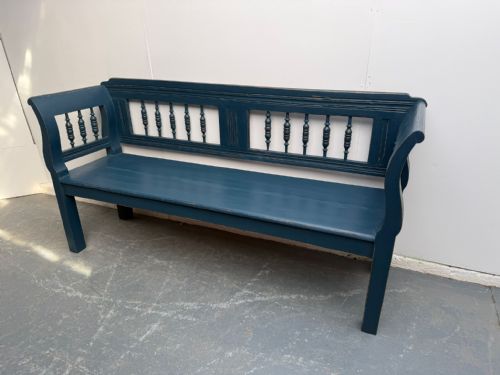
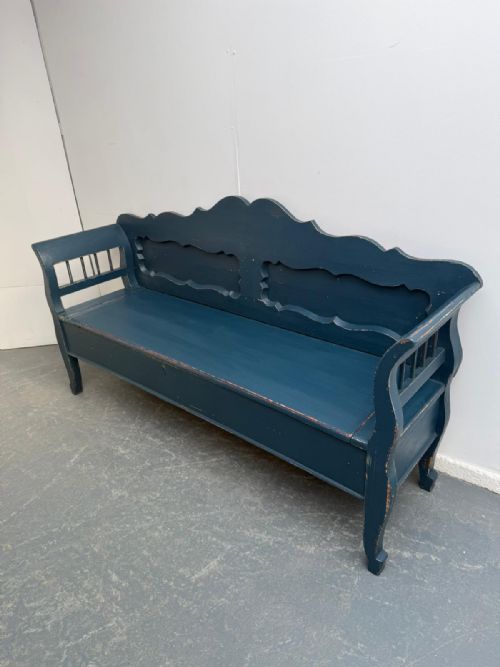
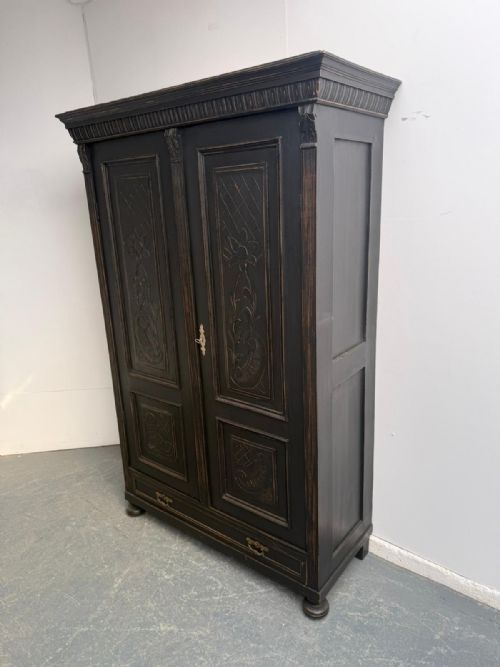
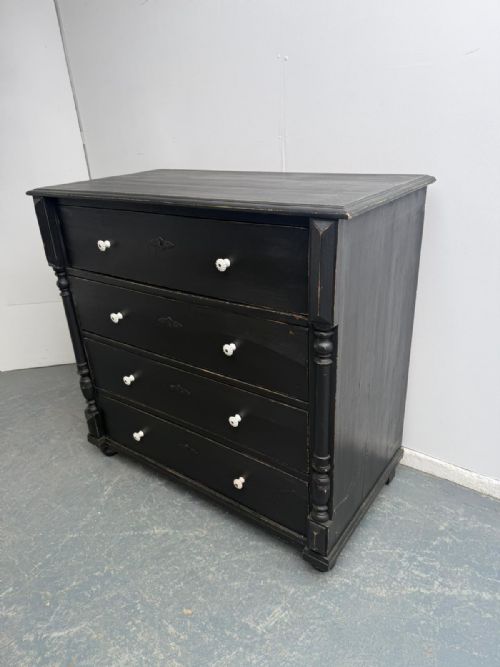
The most common forms on this page include benches, settles, chests of drawers, wardrobes, dressers, and storage cupboards. These pieces reflect the functional needs of historic rural households.
Makers produced these items within styles such as rustic farmhouse, continental country, and Hungarian folk art. Each object carries the distinct aesthetic of regional European craftsmanship.
Materials and construction
Makers built Hungarian pine furniture primarily from solid pine, occasionally incorporating oak for structural strength or decorative contrast. Iron, metal, brass, and ceramic elements appear as hardware, hinges, and pulls.
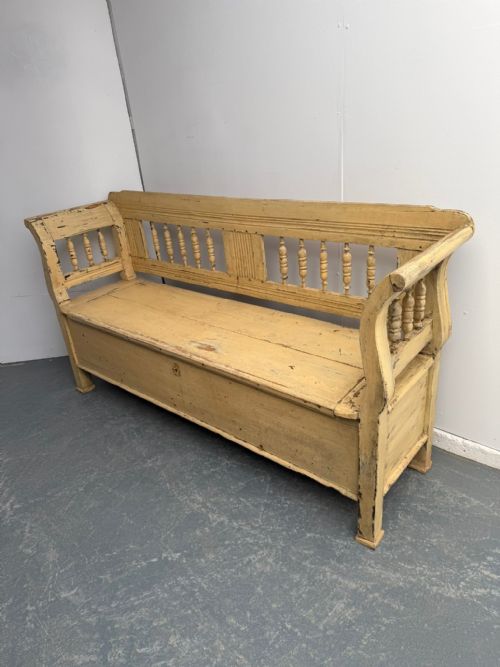
Surface treatments range from clear wax finishes that highlight the natural grain to historic layers of paint in black, blue, grey, green, cream, and teal. Folk art examples often feature hand-painted decorative motifs applied directly to the timber.
Hungarian Pine Furniture Retail Price Guide 2026
Typical asking prices for hungarian pine furniture among the pieces listed under this phrase on Sellingantiques today, from the lower quarter to the upper quarter. They describe what is for sale here now, not the wider market.
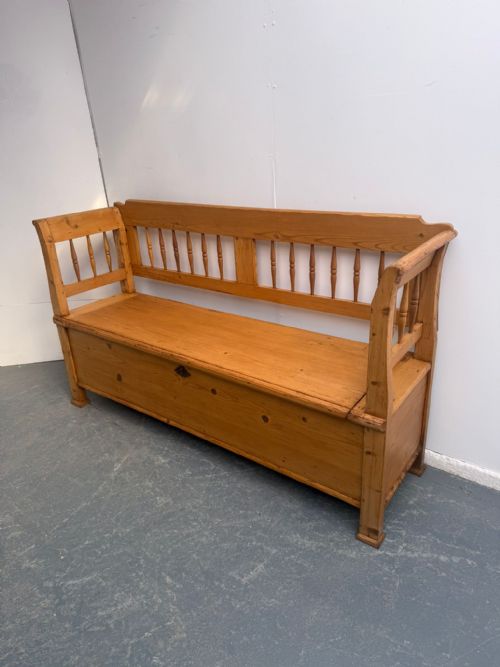
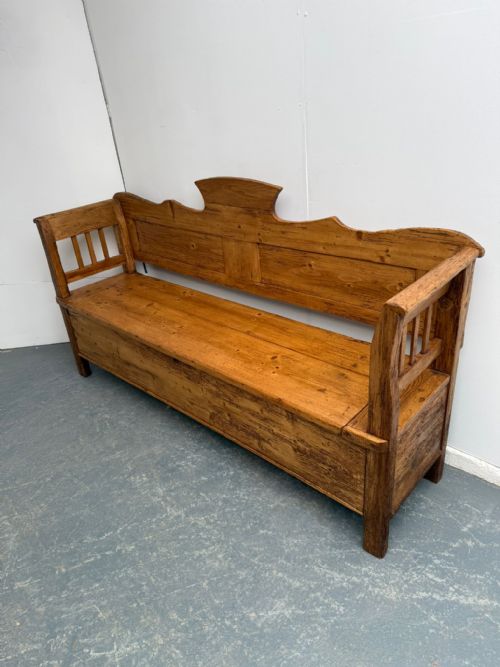
Several settles double as hidden blanket chests, ready to conceal clutter when unexpected visitors knock on the farmhouse door.
Judging the pieces
Quality in Hungarian pine furniture rests on the integrity of the original construction and the preservation of historic surface finishes. Pieces retain greater character when original painted or waxed surfaces survive intact through generations of use.
Proportion and structural balance separate standard utilitarian items from finer folk art examples. Subtle details like spindled backs, columned framing, and integrated box seating elevate specific cupboards, benches, and chests above basic utility.
The Hungarian Pine Furniture Glossary
- Settle
- A wooden bench with a high back and solid armrests, often designed with a built-in box beneath the seat for storage. This form kept household occupants protected from draughts in large farmhouse rooms.
- Box settle
- A variation of the bench featuring a hinged seat lifting to reveal a deep storage compartment. These dual-purpose items maximised space in historic rural interiors.
- Armoire
- A large standing cupboard with doors, traditionally utilised for storing garments and household linens. Hungarian examples often exhibit regional painted decorations or architectural mouldings.
- Dresser base
- The lower section of a kitchen storage unit featuring cupboards or drawers beneath a flat surface. These heavy pine pieces served as functional worktables and storage hubs.
- Folk art
- Decorative design and craftsmanship produced within a traditional community culture rather than academic workshops. Hungarian pine items in this style display vernacular painting and regional motifs.
Hungarian Pine Furniture: Frequently Asked Questions
What is Hungarian pine furniture?
Hungarian pine furniture consists of utilitarian and decorative wooden items made in rural Hungary during the Georgian and Victorian eras. These pieces include storage chests, dressers, benches, and wardrobes built for everyday domestic use.
Makers utilised local pine, applying wax or traditional paint finishes that often survive in original condition. The style reflects European country and folk traditions rather than formal court aesthetics.
How were these pine pieces used?
Historic households relied on these wooden items for food storage, seating, clothing organisation, and display. Settles provided sheltered seating near hearths while incorporating hidden compartments for blankets.
Wardrobes and cupboards kept garments secure from dust and pests in farmhouse chambers. Chests of drawers managed domestic linens and personal belongings across generations.
How do I clean waxed pine?
Maintain waxed pine surfaces by dusting regularly with a soft, dry cloth to prevent dirt accumulation. Avoid modern chemical sprays that can strip historic beeswax finishes.
Apply a traditional natural beeswax polish sparingly when the wood appears dry, then buff gently to restore the soft sheen. Keep these pieces away from direct heat sources and strong sunlight.
How do I date Hungarian pine?
Dating relies on examining construction methods, hardware types, and stylistic indicators such as Georgian proportions or Victorian detailing. Hand-cut joints and forged iron hinges point towards earlier periods of production.
Paint analysis also assists, as layered pigments often reflect nineteenth-century vernacular colour palettes. Comparing forms to documented regional folk art helps narrow down the timeframe.