
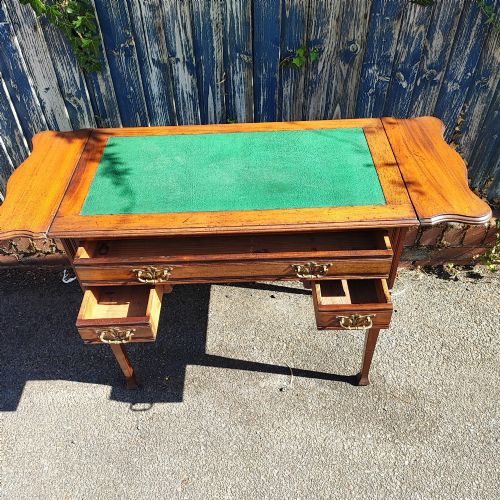
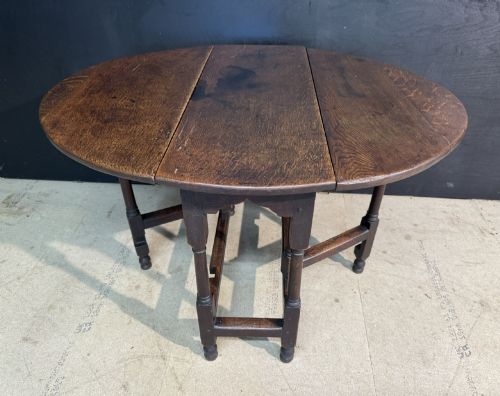
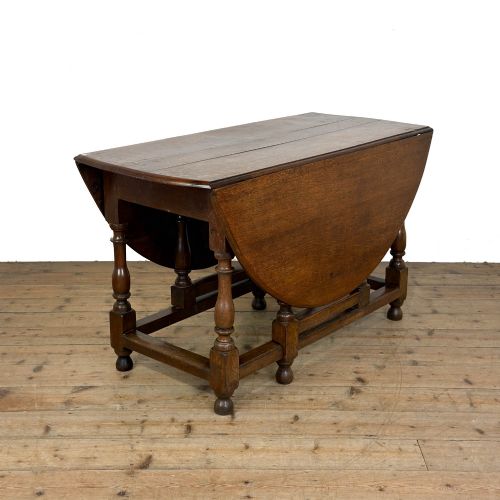
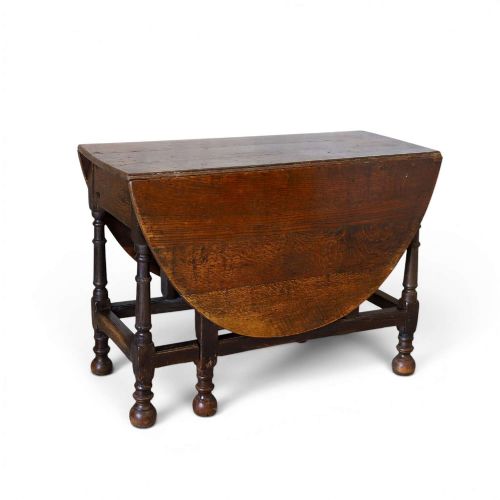


Traditional Oak Drop Leaf
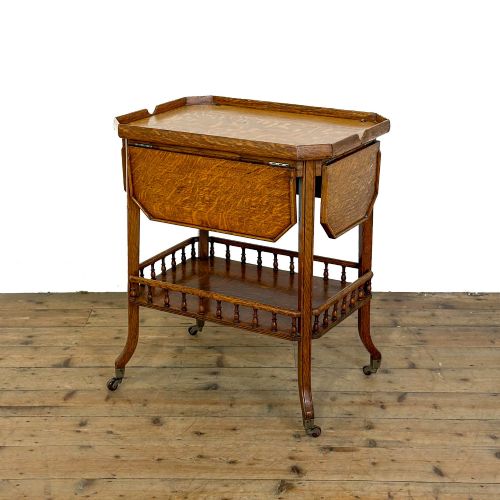
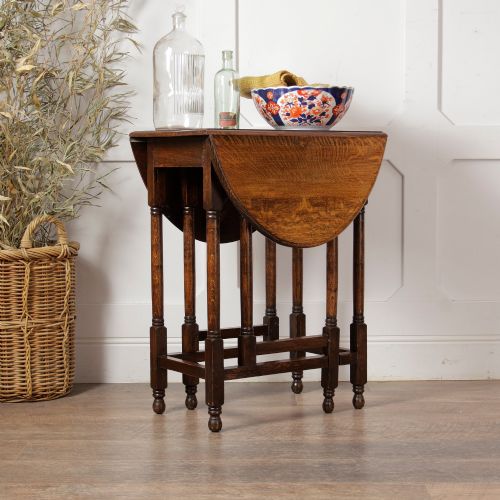
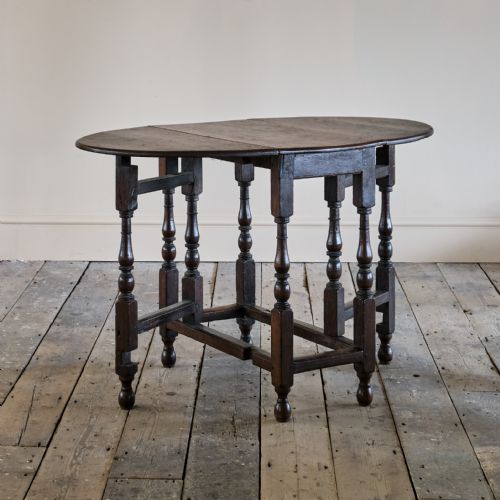
A traditional oak drop leaf is a clever space-saving table with hinged flaps that fold down when not in use.
Traditional Oak Drop Leaf
When you search for a traditional oak drop leaf, you are looking at practical furniture designed to expand when needed and fold flat against a wall or tuck away compactly. These tables bridge centuries of domestic utility, spanning compact coffee tables and tea trolleys to substantial dining surfaces.
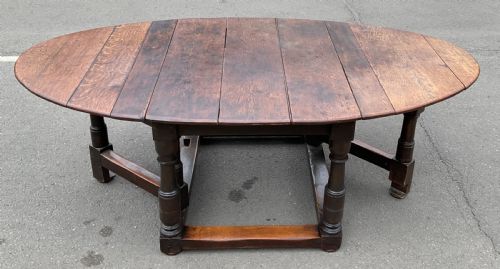
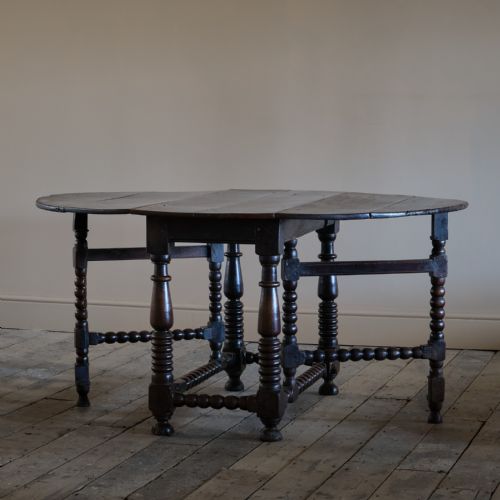
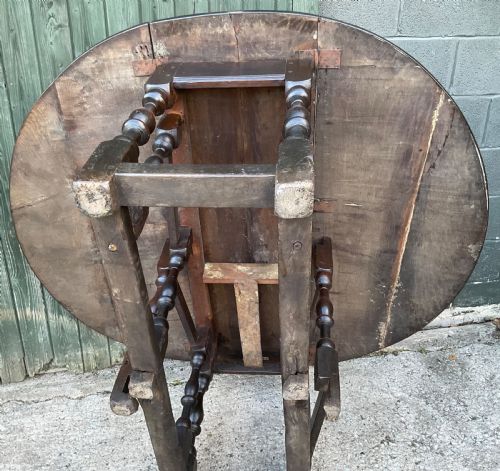
You will most frequently meet 17th-century and 18th-century gateleg variants alongside early 20th-century revivals. The form relies on hinged flaps supported by pivoting legs that swing out to hold the extended leaves in place.
Dining tables, side tables, and occasional tables dominate the available forms, constructed primarily from solid timber. Their origins range from early country workshops to later revival periods emulating earlier craftsmanship.
How they were made
Makers built these pieces primarily using solid oak, often pairing the timber with brass or iron hinges, brackets, and fittings to secure the pivoting drop leaves. Some later examples also incorporate leather elements.
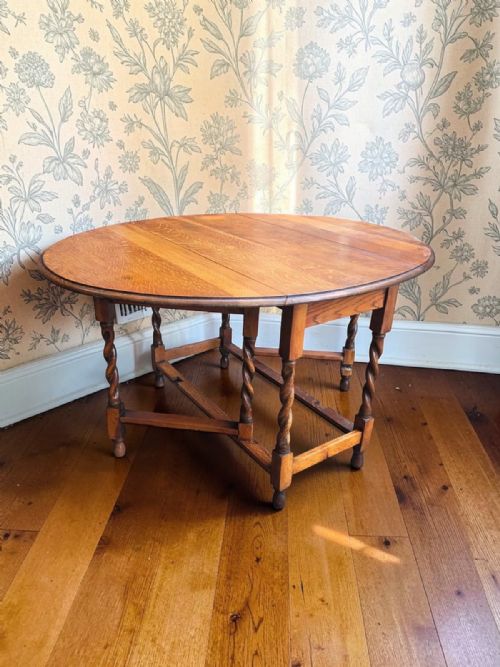
Turned supports such as bobbin-turned or barley twist legs provide both structural stability and decorative character to the frame. Hinges and joints were fitted by hand to ensure the drop-side flaps moved smoothly without sagging.
Listings span pieces constructed from solid oak, complemented by brass, iron, and leather elements across multiple centuries.
What varies in quality
The degree of refinement in the timber and turning separates standard examples from exceptional pieces. Tables exhibiting crisp bobbin or spiral turning display greater artisan skill than plain structural supports.
Original hardware, including period hinges and warm patination on the oak surfaces, elevates the integrity of older items. Solid construction that maintains rigid stability when the leaves are fully extended marks superior construction.
The Traditional Oak Drop Leaf Glossary
- Gateleg table
- A table with hinged drop leaves supported by legs that swing outward like a gate. This design provides robust support for the extended leaves.
- Bobbin turned
- A style of leg decoration shaped on a lathe to resemble a string of beads or bobbins. It is commonly found on 17th-century oak furniture.
- Barley twist
- A spiral turning technique resembling a twisted rope, carved into wooden table legs during the 17th century and later revived in the 20th century.
- Patina
- The surface sheen and mellow colour developed by aged wood through years of handling, polishing, and exposure to light.
- Drop leaf
- A hinged flap attached to the main table top that folds down to save space or lifts up to expand the surface area.
Traditional Oak Drop Leaf: Frequently Asked Questions
How can I date an oak drop leaf table?
Dating relies on examining the joinery, hardware, and turning style of the legs. 17th-century examples often feature heavy frames with bobbin or barley twist turning and hand-forged iron or early brass hinges.
20th-century revival pieces tend to show cleaner machine cuts, lighter timbers, and standardised fittings while imitating earlier historical styles.
Where should I place a drop leaf table?
These tables suit smaller rooms or dining spaces where flexibility is required. With both leaves folded down, a gateleg or drop leaf side table functions as a console or hallway surface against a wall.
Opening one or both leaves transforms the piece into a dining table or desk for daily use.
Are these tables sturdy enough for daily dining?
Solid oak construction provides a durable surface suitable for regular meals and writing tasks. The swing-out legs bear the weight of the extended leaves effectively when the hinges remain secure.
Checking that the pivoting gate mechanism locks firmly into position ensures stability during daily use.