
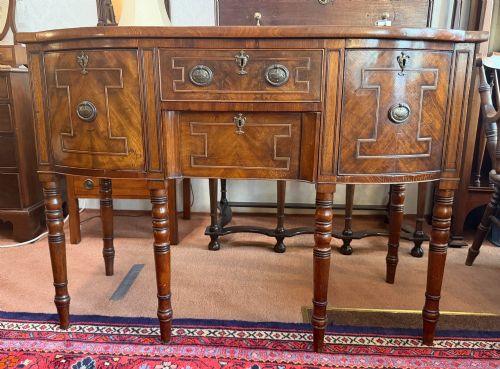
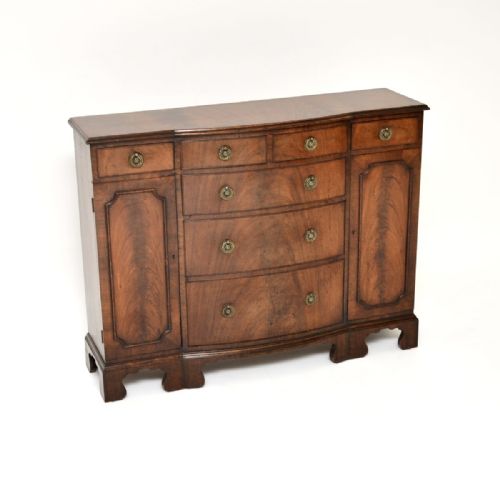
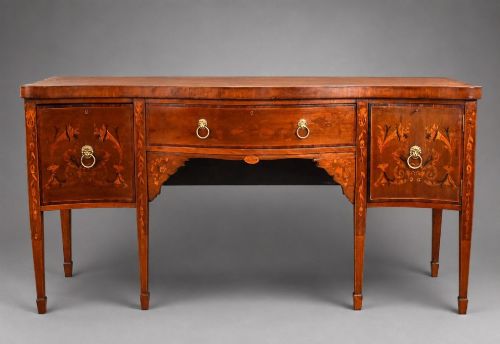
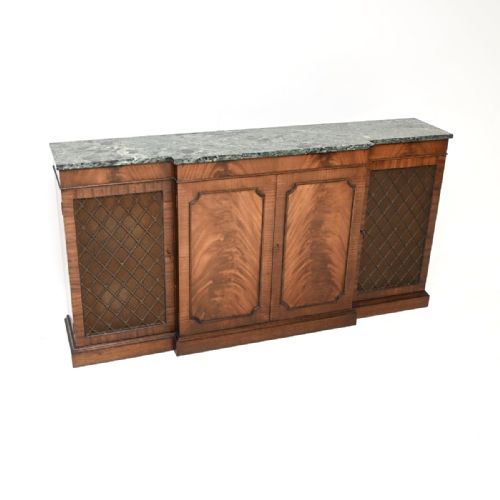
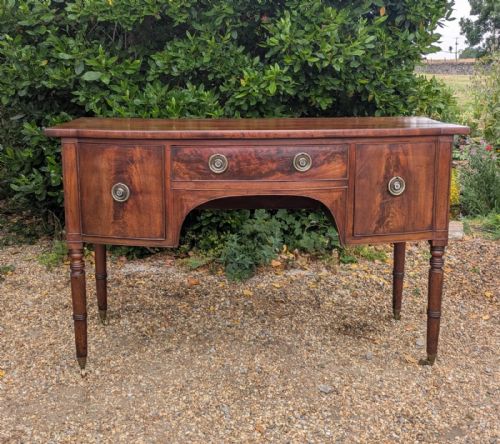
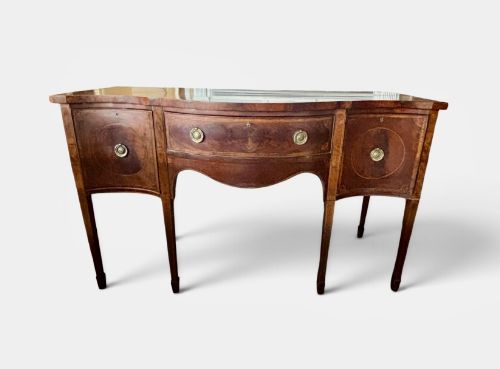
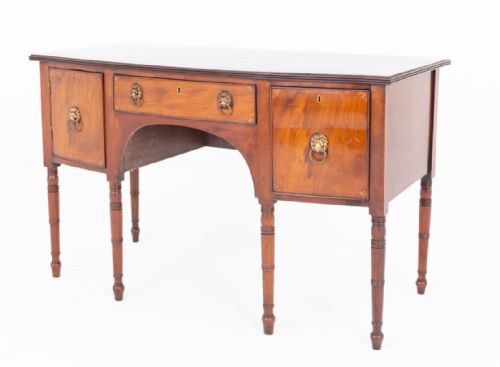
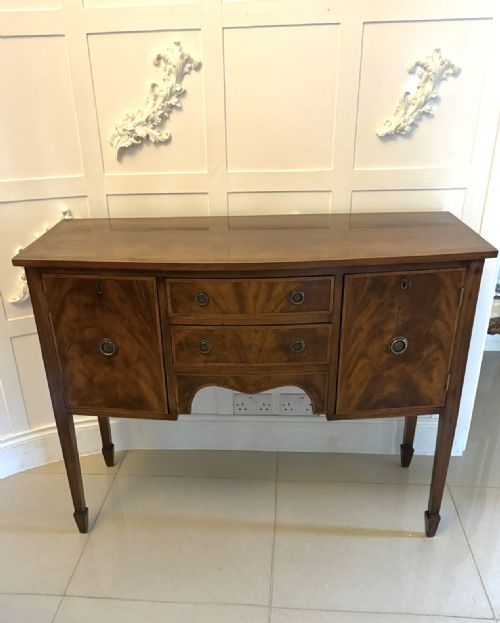

Traditional Mahogany Buffet
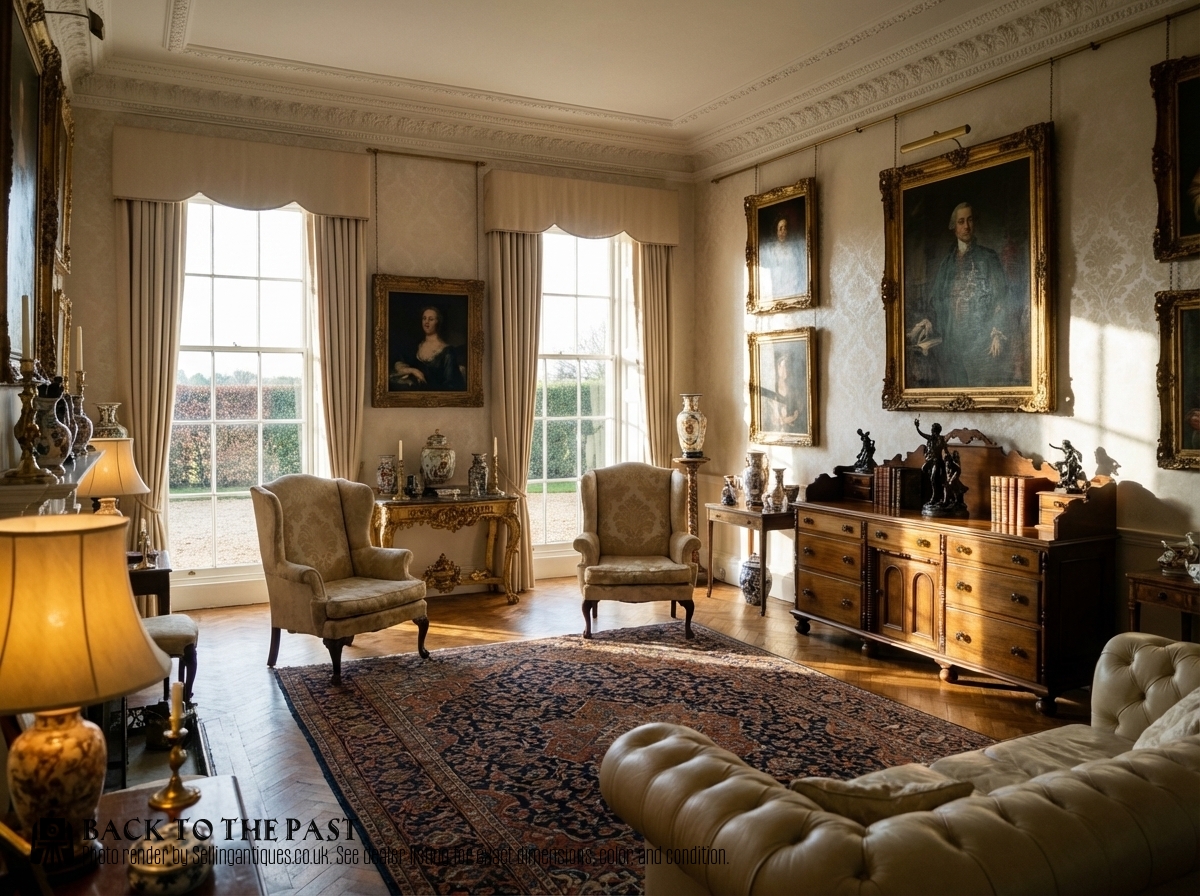
A traditional mahogany buffet provides a stately dining room presence, uniting rich timber grain with practical surface space for serving.
Traditional Mahogany Buffet
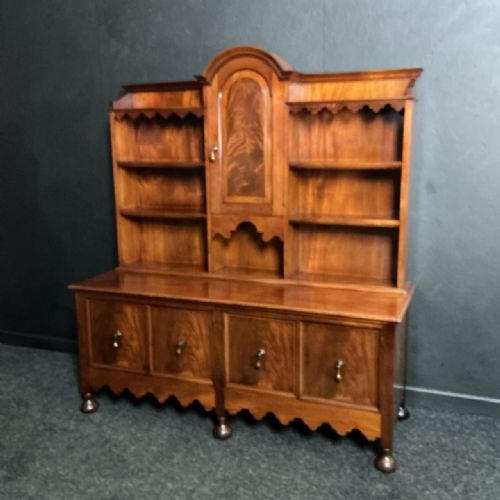
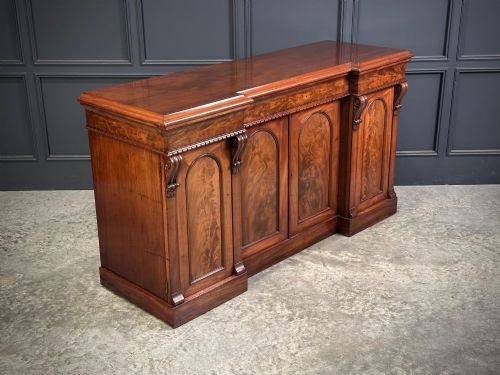
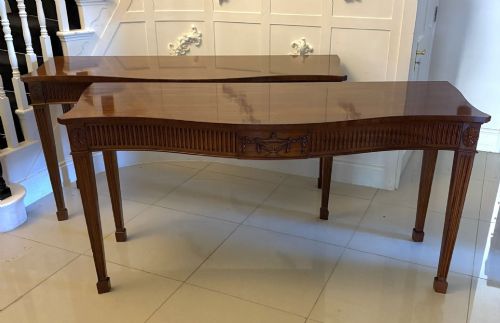
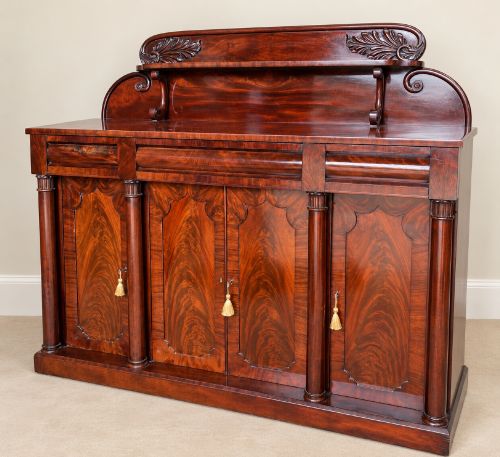
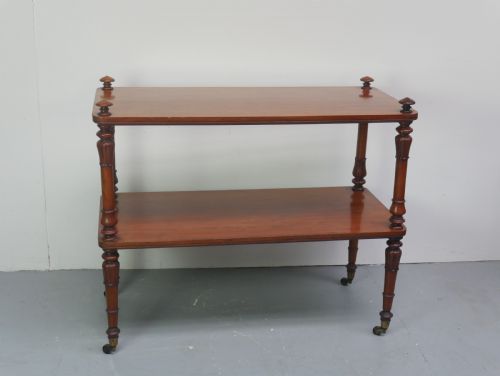
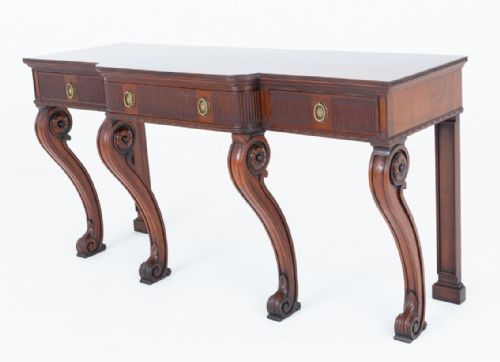
A traditional mahogany buffet encompasses a variety of large dining furniture pieces designed for storage and service, including sideboards, servers, and console tables. These items appear across multiple periods, with Victorian and Georgian iterations forming a substantial portion of the available selection.
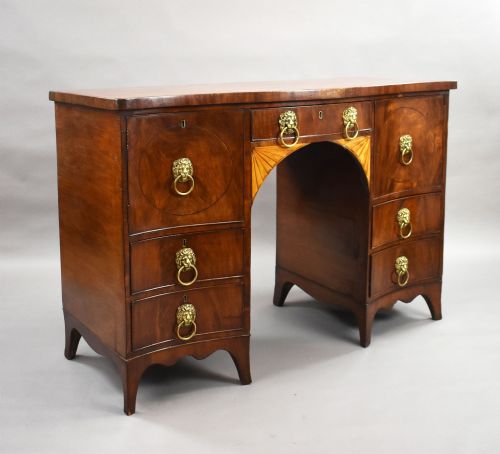
Buyers encounter distinct configurations such as bow-front cabinets, breakfront sideboards, and multi-tiered dumb waiters. The forms range from simple nineteenth-century cupboards to elaborate serpentine serving tables featuring brass hardware.
Origins span the eighteenth, nineteenth, and early twentieth centuries, reflecting changing domestic dining requirements over generations. Georgian and Victorian examples dominate the selection, offering substantial proportions and deep timber tones.
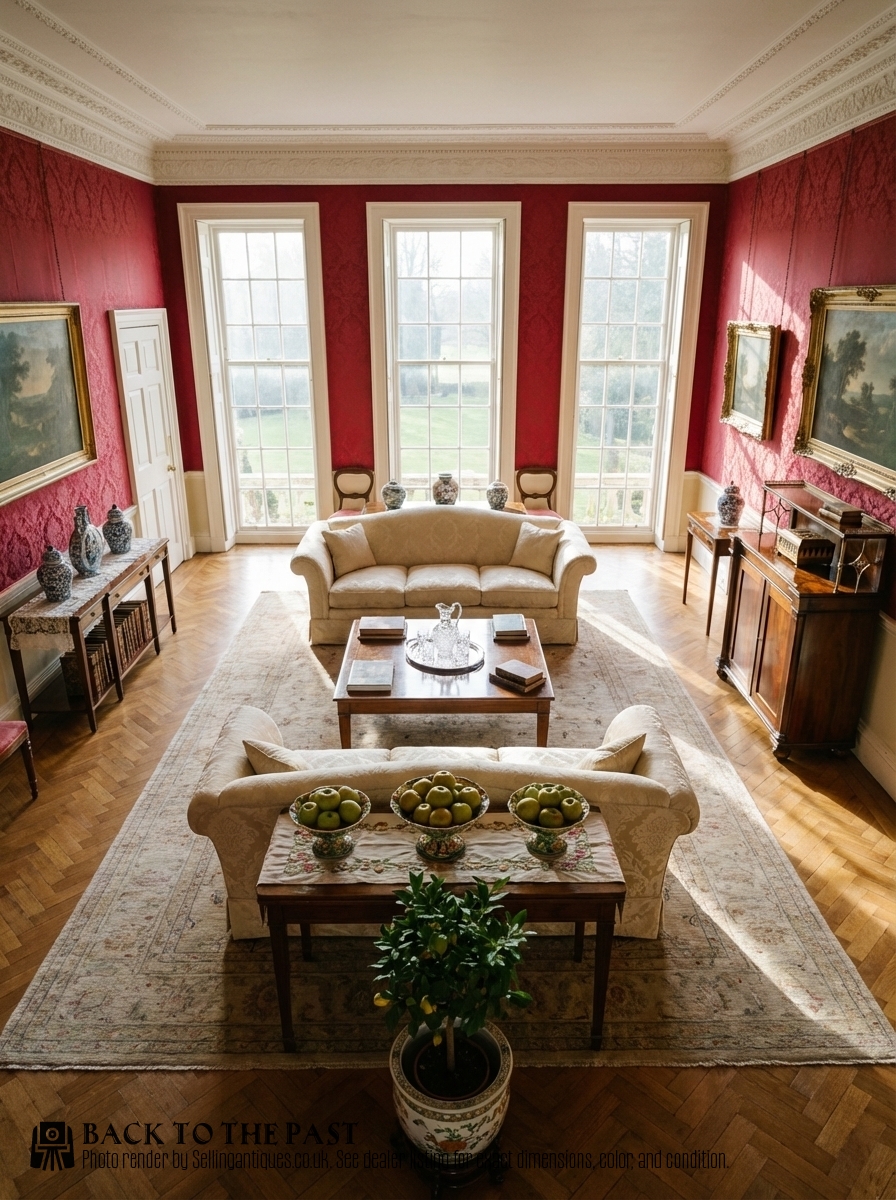
Factors distinguishing quality
The choice of timber grain sets apart finer pieces, particularly where symmetrical flame mahogany veneer or crisp boxwood and satinwood inlay is employed. Subtleties in carved Neoclassical motifs or serpentine shaping indicate higher craftsmanship.
Proportion and structural integrity define the upper tier of these dining pieces. Items retaining original brass hardware and well-fitted doors reflect superior original manufacture and careful preservation.
Traditional Mahogany Buffet Retail Price Guide 2026
Typical asking prices for traditional mahogany buffet among the pieces listed under this phrase on Sellingantiques today, from the lower quarter to the upper quarter. They describe what is for sale here now, not the wider market.
A revolving dumb waiter lets dishes spin in place, proving that nineteenth-century diners appreciated convenience just as much as we do.

The Traditional Mahogany Buffet Glossary
- Mahogany
- A durable reddish-brown tropical hardwood prized for its stability and rich grain pattern. It serves as the primary timber across the majority of these dining servers.
- Flame mahogany veneer
- A thin slice of wood cut from the fork of a mahogany tree to create a distinctive flickering flame pattern. This decorative surface layer appears prominently on drawer fronts and cabinet doors.
- Serpentine
- A furniture front curving inward centrally and outward at the sides in a continuous undulating line. This shape demands precise woodworking skill.
- Breakfront
- A large cabinet or sideboard whose central section projects forward from the flanking outer sections. It creates visual depth across long dining room furniture.
- Dumb waiter
- A multi-tiered revolving serving stand fitted on a tripod base for holding dishes during meals. These pieces offer accessible tiered storage without requiring floor attendants.
Traditional Mahogany Buffet: Frequently Asked Questions
How do I date a mahogany sideboard?
Dating relies on observing stylistic markers, hardware, and construction methods associated with periods like the Georgian or Victorian eras. Examining the timber preparation and secondary woods inside drawers also helps establish the correct timeframe.
Changes in decorative motifs, such as Neoclassical carving or satinwood inlay, provide further clues to the decade of manufacture. Comparing the overall silhouette against known period forms confirms the age.
What is the difference between a sideboard and a buffet?
Sideboards and buffets both serve dining rooms, though historical terminology often overlaps depending on the maker and period. Sideboards traditionally emphasise long serving surfaces, while buffets frequently incorporate enclosed cabinet space for dinnerware.
In practical terms, both forms fulfil the same domestic function of storing and presenting food during meals. Listings often group these terms together based on shared nineteenth-century forms.
How do I care for mahogany veneer?
Mahogany veneer requires consistent indoor humidity levels and protection from direct sunlight to prevent timber drying and lifting. Regular dusting with a soft dry cloth maintains the polished finish without chemical buildup.
Harsh cleaning agents should be avoided in favour of mild beeswax formulations suited to antique furniture. Gentle handling preserves the delicate boxwood and satinwood inlay often found on these surfaces.
Where should I place a serving table?
Serving tables and console cabinets fit naturally along dining room walls where surface space is needed during meals. Their narrow depth allows them to sit comfortably in hallways or living spaces without blocking walkways.
Placing the piece away from direct heat sources protects the timber grain and polished finish from cracking. Ensuring stable floor contact prevents rocking on uneven surfaces.