



Traditional Mahogany Bench
A traditional mahogany bench brings solid timber and classic seating forms into a room, offering both practical use and historical character.
Traditional Mahogany Bench
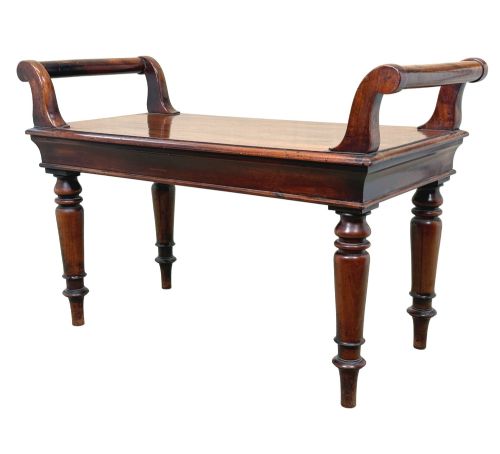
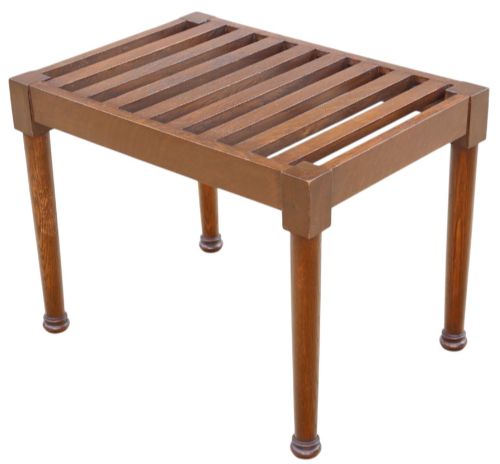
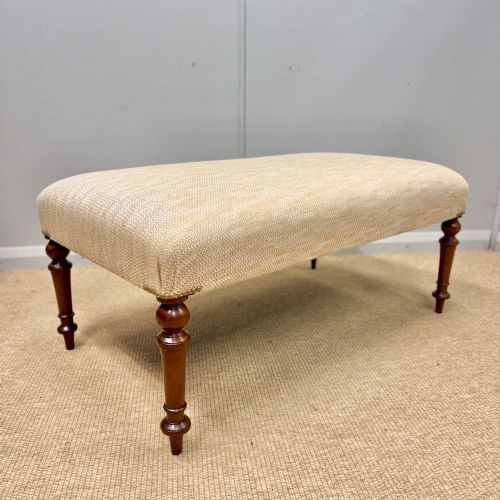
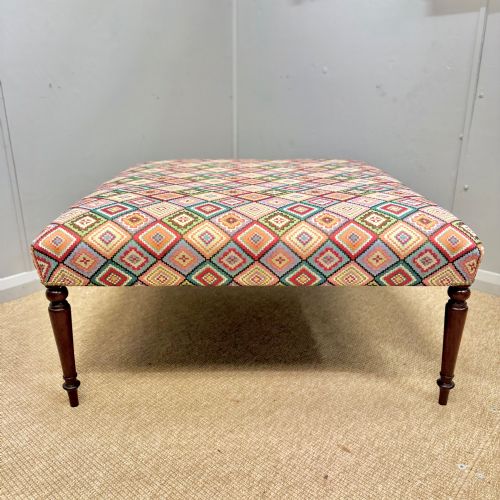
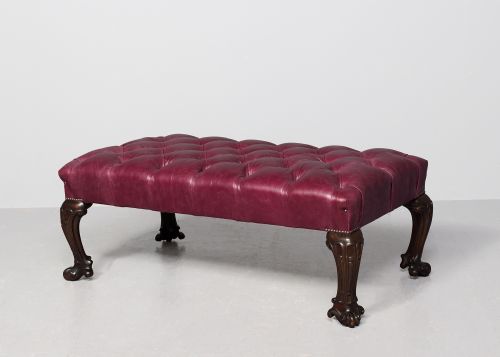
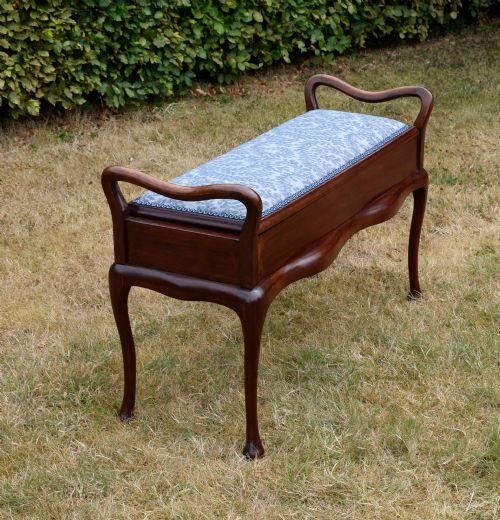
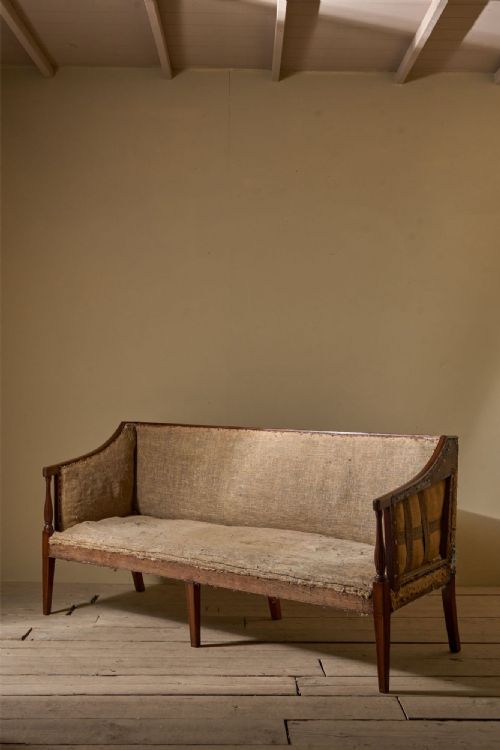
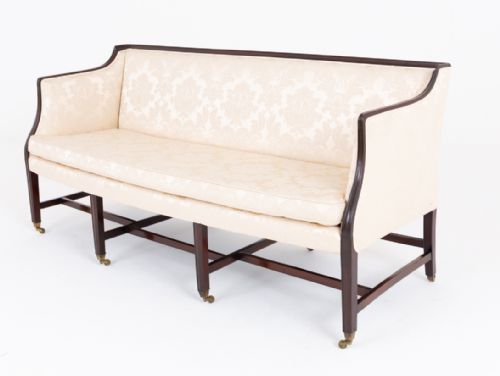
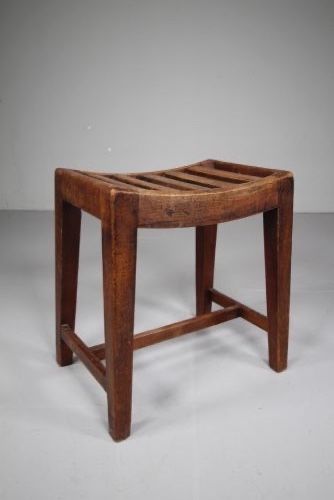
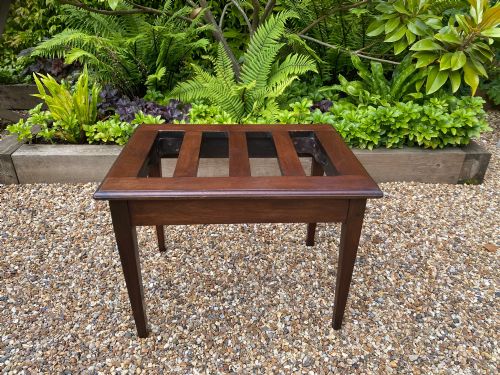
When you search for a traditional mahogany bench, you encounter a varied selection of seating forms spanning several centuries of British and continental design. The listings on this page demonstrate that these pieces encompass window seats, hall benches, long stools, and luggage stands produced in periods from the eighteenth century through to the Edwardian era.
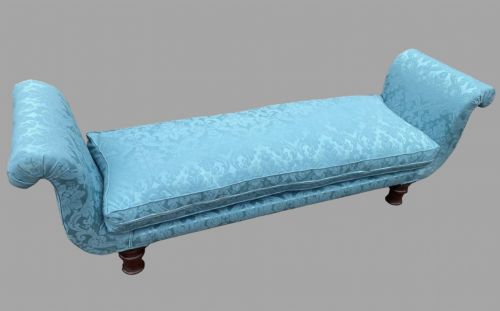
The most common forms you meet are window seats and large footstools alongside larger settees and sofas framed in mahogany. These items originate from specific eras such as the Georgian, Regency, Victorian, and Edwardian periods, reflecting the shifting domestic tastes of country houses and town residences.
Makers and manufacturers utilised durable tropical timber to build frames that often incorporated upholstered elements like leather, wool, damask, or fabric. Such pieces served practical functions in hallways, bedrooms, and reception rooms, maintaining their structural integrity across generations.
How they were made
Craftsmen built these benches primarily using solid mahogany, prized for its dense grain and deep colour, often shaping the timber into cabriole or fluted legs. Frames were constructed with traditional joinery methods to support daily weight.
Upholstery involved layering materials such as horsehair, hessian, and wool over webbing or springs before applying top covers of leather, fabric, or damask. Brass castors frequently appeared on the feet of larger stools and ottomans for ease of movement.
Carved details, slatting, and buttoned finishes were executed by hand, aligning with the prevailing Georgian, Regency, or Victorian styles of each respective decade.
Traditional Mahogany Bench Retail Price Guide 2026
Typical asking prices for traditional mahogany bench among the pieces listed under this phrase on Sellingantiques today, from the lower quarter to the upper quarter. They describe what is for sale here now, not the wider market.
Several items double as luggage stands, proving that Victorian guests packed heavy trunks and required sturdy mahogany furniture to hold them.
What varies in quality
The standard of timber selection and the crispness of hand-carved ornamentation separate standard items from finer examples. Superior pieces exhibit well-figured mahogany with deep, rich patination accumulated over time.
Construction methods also dictate quality, particularly the rigidity of the frame joints and the authenticity of period upholstery techniques. Original brass hardware and undamaged secondary timbers indicate careful maintenance and superior original manufacture.
The Traditional Mahogany Bench Glossary
- Mahogany
- A durable, reddish-brown tropical hardwood widely utilised for furniture framing due to its strength and ability to take a fine polish.
- Window seat
- A long, narrow bench designed specifically to fit the recess of a window, often featuring upholstered tops and arm supports.
- Cabriole leg
- A furniture leg that curves outward and then tapers inward, finishing in a pad or foot, commonly seen on eighteenth and nineteenth-century seating.
- Ottoman
- A low, fully upholstered seat or couch without a back, sometimes fitted with internal storage or supported on brass castors.
- Kilim
- A flat-woven textile originating from the Middle East or Eastern Europe, occasionally utilised as a durable covering for footstools and benches.
Traditional Mahogany Bench: Frequently Asked Questions
Where were traditional mahogany benches placed in a home?
These pieces found homes in various domestic settings, most notably in hallways, bedrooms, and reception rooms. Window seats were custom-built for placement in deep architectural window recesses.
Larger benches and luggage stands served functional purposes at the foot of beds or near entryways for removing outdoor wear.
How do I identify a Georgian bench from a Victorian one?
Georgian pieces often display cleaner lines and restraint in carving, reflecting classical proportions associated with designers like Chippendale or Hepplewhite. Timber patination tends to be deeper on eighteenth-century examples.
Victorian benches frequently feature heavier frames, buttoned upholstery, and more exuberant carved motifs or cabriole legs characteristic of nineteenth-century revival styles.
What fabrics were originally used for upholstery?
Original coverings varied according to the period and status of the piece, ranging from durable leather and hide to woven wool, damask, and Hessian underpinnings. Many surviving items feature later replacement fabrics.
Textiles were chosen to complement the formal decor of country houses and town residences during their respective centuries of manufacture.
Are brass castors original on these benches?
Brass castors frequently appear on larger footstools, ottomans, and heavy seating from the nineteenth century to aid in moving the dense mahogany frames across carpets. Their presence is typical for Victorian and Regency pieces.
Examination of the fixing screws and the wood surrounding the castor helps determine whether the hardware is original to the piece.