





Traditional Japanese Ceramic Platter
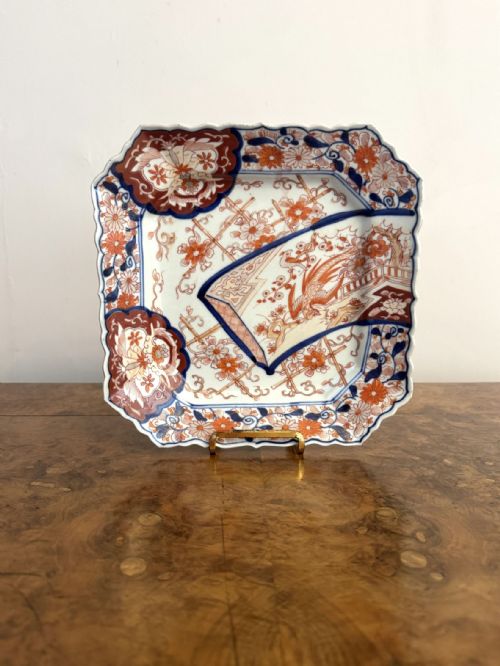
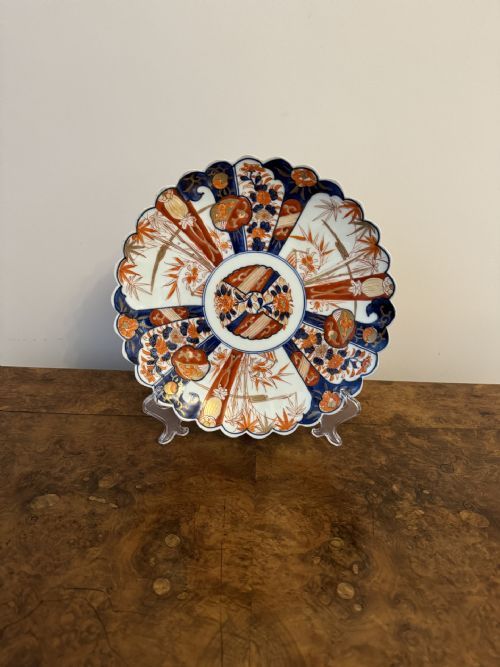
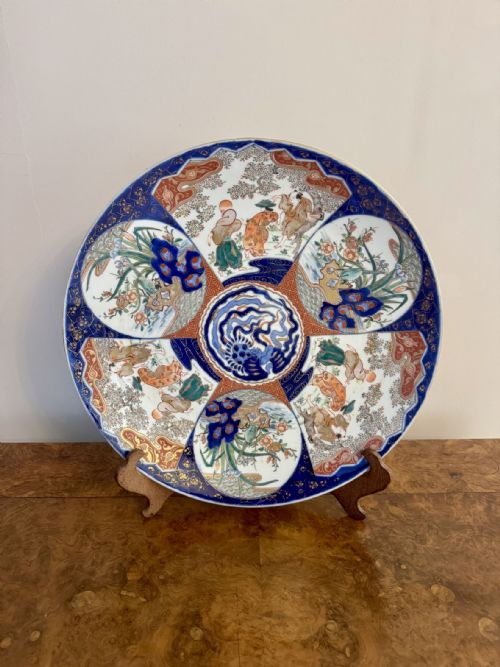
These traditional japanese ceramic platter pieces are striking porcelain chargers and plates brought to Britain during the nineteenth and early twentieth centuries.
Traditional Japanese Ceramic Platter
When you search for traditional japanese ceramic platter examples, you encounter large decorative chargers and plates produced for export and domestic use. The pieces appearing here span the Edo period through to the Edwardian era, reflecting centuries of kiln tradition.
You meet heavy circular chargers alongside square and scalloped plates designed for visual impact. Imari wares dominate the selection, showcasing traditional palettes that caught the eye of Victorian collectors.
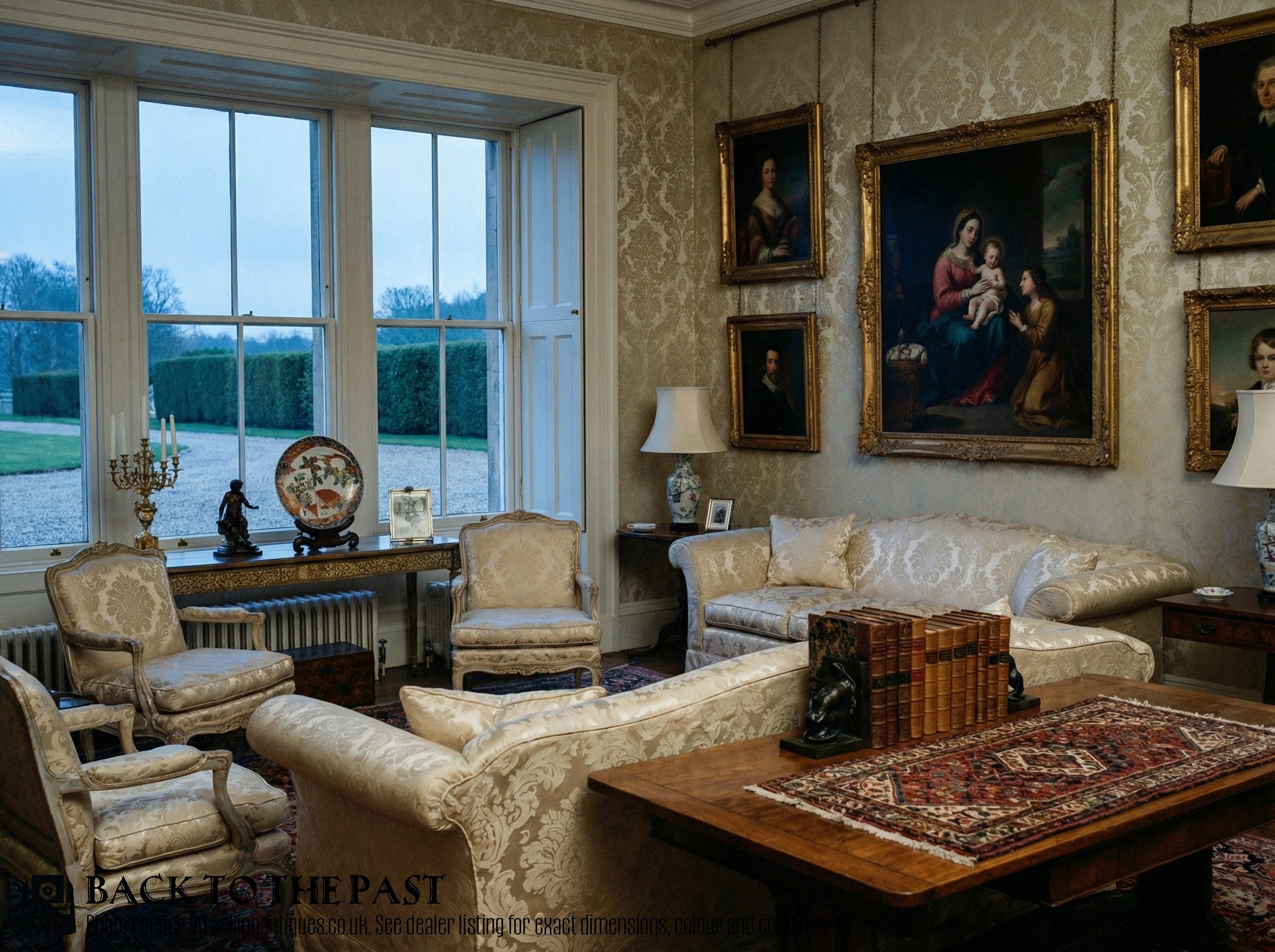
The forms range from wide fruit display plates to expansive chargers intended for prominent wall display or tabletop centrepieces. Each object connects modern interiors with historical Asian porcelain production.
How They Were Made
Potters shaped fine porcelain bodies before applying cobalt underglaze details directly to the raw clay. This foundational blue pigment created deep tones beneath the translucent protective finish.
Artisans layered vibrant enamel colours over the fired glaze to build intricate floral and geometric motifs. Many examples incorporated gold leaf or delicate gilding to catch the light across the rim and central panels.
Traditional Japanese Ceramic Platter Retail Price Guide 2026
Typical asking prices for traditional japanese ceramic platter among the pieces listed under this phrase on Sellingantiques today, from the lower quarter to the upper quarter. They describe what is for sale here now, not the wider market.
Listings feature porcelain pieces spanning the seventeenth century, Victorian era, and nineteen-twenties.
What Varies In Quality
The crispness of the cobalt underglaze painting separates standard production wares from superior artistic achievements. Finer pieces demonstrate steady hand-brushing with sharp definition across complex borders.
The application of enamel and gold leaf determines the overall richness of a charger. Well-preserved gilding and thick, vibrant enamel layers elevate the visual weight of the surface decoration.
The Traditional Japanese Ceramic Platter Glossary
- Imari
- A style of Japanese porcelain featuring a distinctive palette of underglaze blue, iron red, and gilt highlights. These wares were heavily exported to Europe from the seventeenth century onward.
- Charger
- A large decorative plate traditionally used for ceremonial display rather than daily dining. These substantial pieces anchor tables and wall groupings.
- Cobalt Underglaze
- A blue pigment applied to ceramic pieces before glazing and firing at high temperatures. This technique ensures the colour remains permanent beneath the glassy surface.
- Edo Period
- The historical era in Japan lasting from sixteen hundred and three to eighteen hundred and sixty-eight. Pieces from this time display characteristic classical motifs.
Traditional Japanese Ceramic Platter: Frequently Asked Questions
How were these platters originally used?
These ceramic platters served primarily as decorative chargers and display plates rather than functional tableware. Wealthy households placed them on sideboards or hung them on walls to showcase their artistic finish.
Over time, larger formats functioned as fruit display dishes in formal dining rooms. Their striking patterns were designed to command attention from across the room.
How do I care for antique porcelain?
Keep these ceramic pieces away from direct sunlight to protect the enamel colours and delicate gilding from fading. Dust them gently with a soft, dry cloth rather than using chemical cleaning products.
Avoid immersing antique chargers in water, especially those with surface gilt or iron red highlights. Handle them by the rim and base simultaneously to distribute the weight evenly.
How do I identify Edo period pieces?
Edo period ceramics typically exhibit heavier porcelain bodies and deep, hand-painted cobalt tones beneath the glaze. The brushwork on earlier examples tends to be looser and more expressive than later mass-produced items.
Examining the foot ring and unglazed clay helps determine the age of the piece. Subtle kiln anomalies often point towards traditional production methods.
Why is gold leaf used on Imari plates?
Gilding adds a layer of reflective warmth that contrasts against the deep cobalt blue and iron red enamel. This technique elevates the status of the porcelain, signalling luxury to collectors.
The gold leaf is applied carefully over the fired glaze and fixed with a lower temperature kiln firing. It catches candlelight and daylight, enhancing the intricate geometric borders.