



Traditional Japanese Ceramic Plate
Traditional Japanese ceramic plate selections bring together centuries of skilled hand painting, cobalt underglaze, and rich Imari patterns.
Traditional Japanese Ceramic Plate
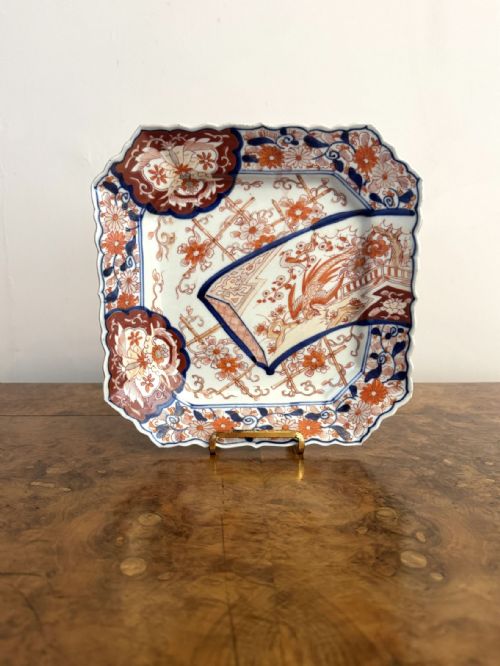
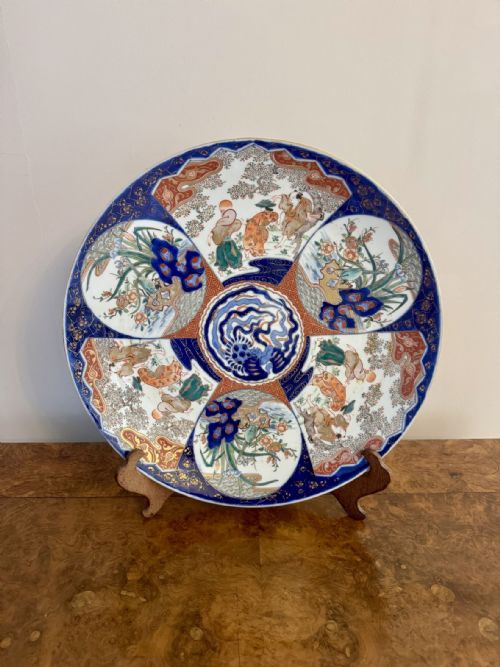
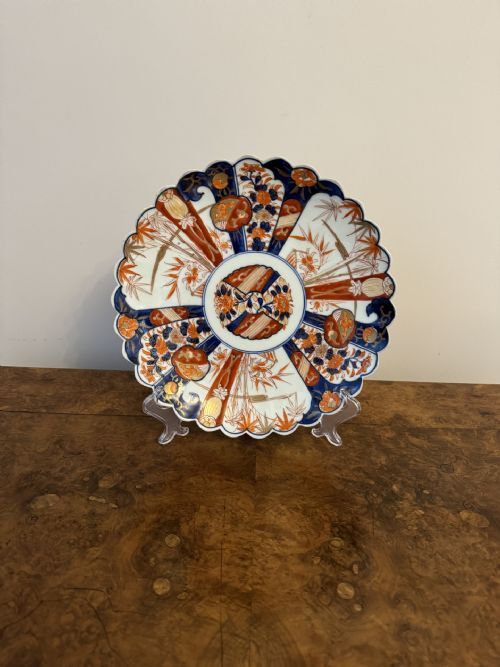
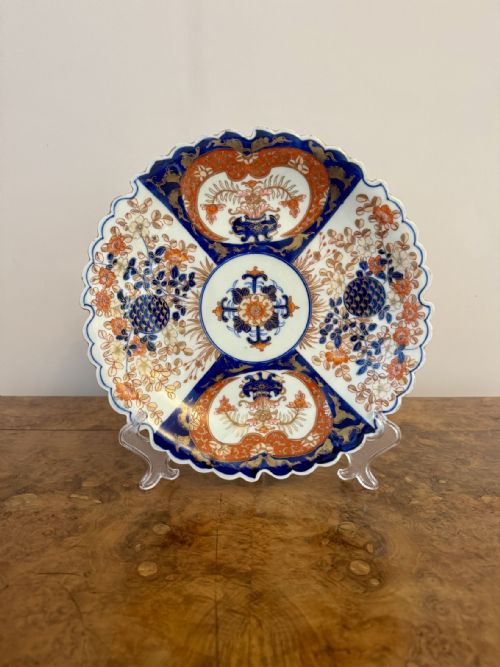
A traditional Japanese ceramic plate brings centuries of kiln craft directly to the table or display wall. When searching for a traditional Japanese ceramic plate, buyers most frequently encounter Imari chargers and dishes originating around the Meiji period and the nineteenth century.
These forms range from small scalloped shaped edges to large fruit display platters and massive chargers. Many examples arrive complete with original storage boxes, preserving the ceramics in sound condition over generations.
How they were made
Potters shaped fine porcelain bodies by hand before applying cobalt underglaze details beneath transparent coats. Kiln workers then fired the pieces at high temperatures to set the durable ceramic foundation.
Artisans layered enamel paints alongside gold leaf and rich gilding across the hardened surfaces. This combination produced the vibrant contrasting palettes seen on classic Imari chargers.
Materials recorded across the selection include porcelain, enamel, gold leaf, cobalt underglaze, and protective wood storage containers.
What varies in quality
The precision of the hand-painted brushwork dictates the visual strength of each charger or dish. Crisp cobalt lines and cleanly applied gold leaf separate standard domestic wares from exceptional display pieces.
Form complexity also influences the tier of the ceramic, such as unusual square shapes or heavily scalloped edges. Well-preserved plates featuring complete matching sets demonstrate superior historic care.
The Traditional Japanese Ceramic Plate Glossary
- Imari
- A historic Japanese porcelain style characterised by underglaze blue, iron red, and added gold highlights. This decorative approach originated in Hizen province and gained immense popularity across Europe.
- Charger
- A large ornamental plate utilised primarily for display or serving grand meals. These substantial ceramic pieces often command central focus on dining tables and sideboards.
- Cobalt Underglaze
- A blue pigment applied directly to the raw ceramic body prior to glazing and firing. The technique locks the permanent colour beneath a glassy protective layer.
- Aka-e
- A traditional Japanese decorating style featuring red enamel painting over the glaze. Artisans frequently combined this red pigment with gold leaf accents.
- Meiji Period
- The era in Japanese history spanning from eighteen sixty-eight to nineteen twelve. Many decorative plates and chargers found today date from this time of prolific artistic export.
Traditional Japanese Ceramic Plate: Frequently Asked Questions
How do I display a large charger safely?
Large chargers require sturdy wall hangers specifically rated for heavy porcelain weight, or deep plate stands designed to support broad circumferences. Ensure the display surface remains secure away from high-traffic zones.
Keep ceramic pieces out of direct sunlight to protect enamel pigments and gold leaf details from potential fading over extended decades.
Can I use antique plates for dining?
While these pieces originated as functional tableware, antique plates with delicate enamel and gold leaf require gentle handling. Modern washing methods can wear away historic pigments.
Hand washing in lukewarm water with mild soap preserves the fragile ceramic glaze. Avoid soaking pieces that show signs of old hairline fractures or historic repairs.
What is the difference between Arita and Imari?
Arita refers to the town in Hizen province where Japanese porcelain production first developed during the seventeenth century. Potters in this region fired the raw clay bodies.
Imari served as the shipping port where these Arita wares departed for domestic and international markets. The term eventually became synonymous with the distinctive red, blue, and gold decorative style.
Why do some plates come with storage boxes?
Traditional Japanese ceramics often received custom wooden storage boxes to protect delicate surfaces during transport and seasonal storage. These boxes preserved the integrity of sets over generations.
Inscribed wooden boxes sometimes record historic ownership details or confirm the origins of the enclosed plates. Keeping the ceramics inside their original boxes maintains their historic context.