


Traditional French Furniture
Traditional french furniture brings together provincial oak, cherrywood and walnut forms that ground a room with practical character.
Traditional French Furniture
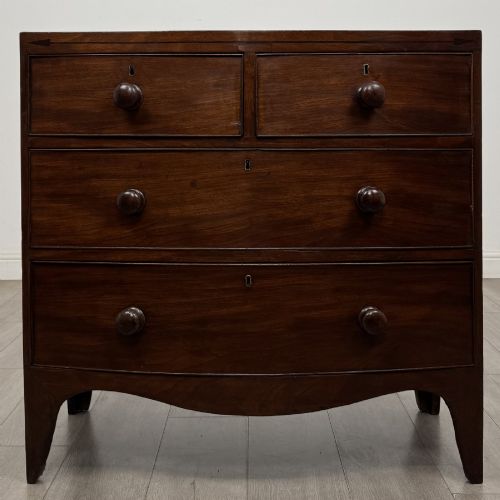
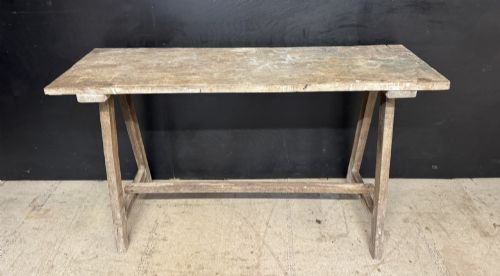
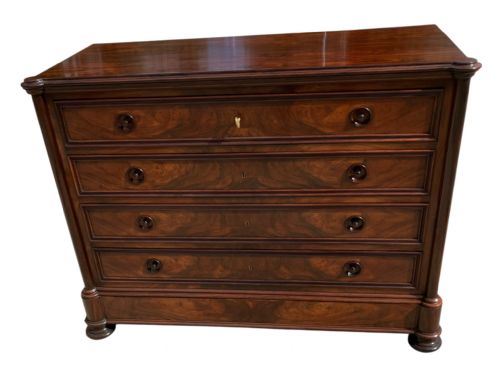
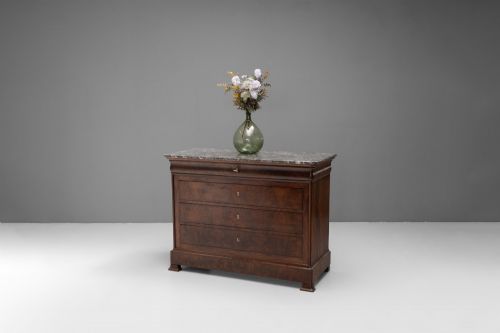
Traditional french furniture encompasses a diverse selection of practical domestic pieces spanning from the eighteenth century through to the 1930s. Buyers encountering this selection will find robust dining tables, benches, commodes, and cupboards originating from regional workshops and provincial houses.
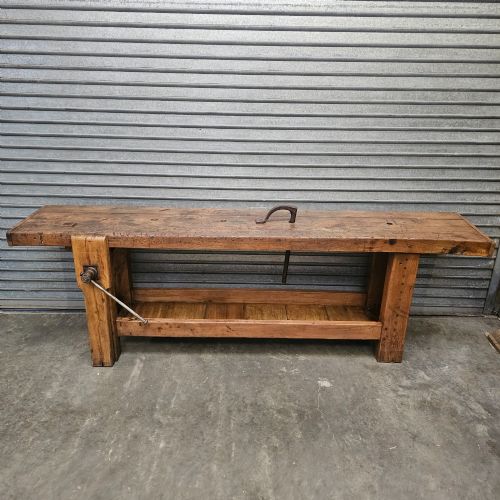
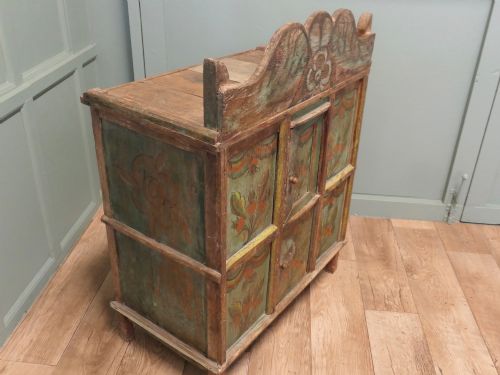
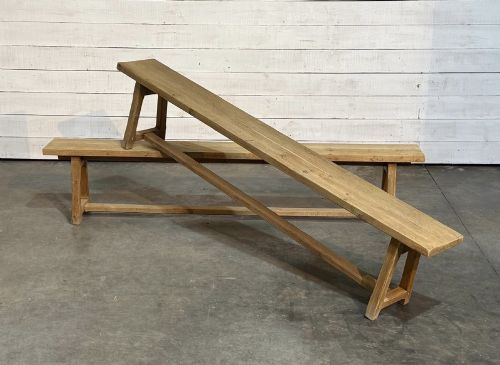
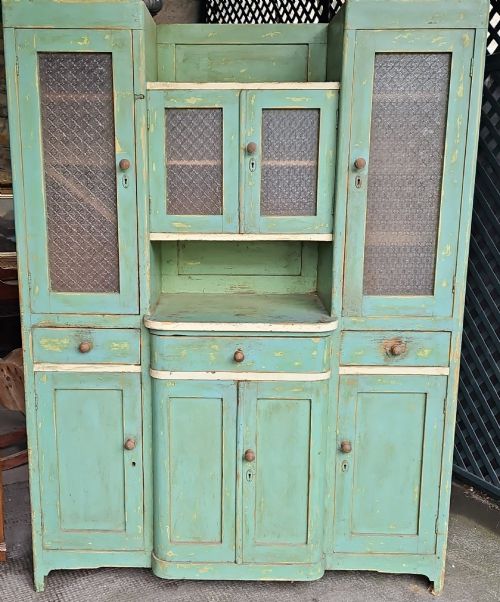
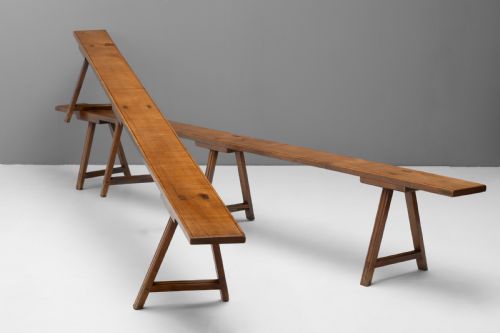
The objects frequently reflect rustic country and provincial styles rather than purely formal court aesthetics. Common domestic forms include cherrywood benches, oak cupboards, kitchen cabinets, and functional workbenches adapted for modern interiors.
Materials shape the character of these pieces significantly, with local timbers like oak, cherrywood, chestnut, and walnut dominating the inventory. These woods display the honest construction methods and patinas accrued over decades of domestic use.
How they were made
Makers utilised solid regional timbers such as oak, cherrywood, and walnut, often pairing them with structural elements in iron, brass, and cast metal. Cabinetmakers and local joiners employed traditional jointing methods to ensure durability in everyday furnishings like dressers and tables.
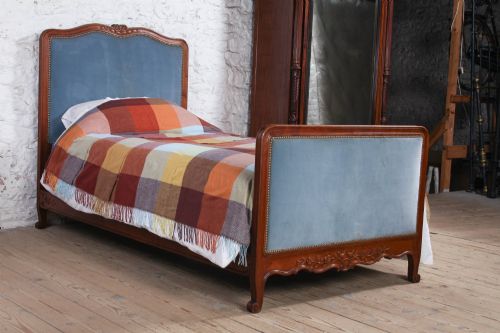
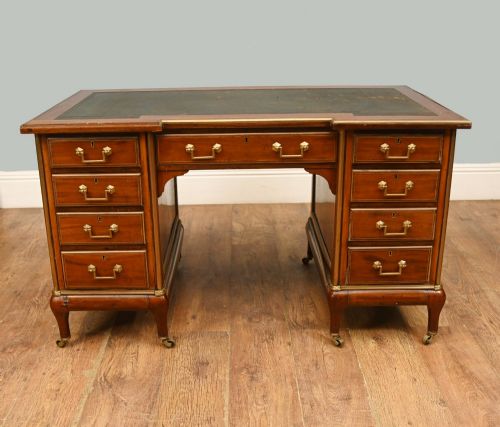
Surfaces frequently show the natural grain of fruitwood and elm, while select pieces incorporate rush seating, velvet upholstery, or brass hardware. Construction relies on pegged joints and hand-planed panels rather than mass-produced fastenings.
Traditional French Furniture Retail Price Guide 2026
Typical asking prices for traditional french furniture among the pieces listed under this phrase on Sellingantiques today, from the lower quarter to the upper quarter. They describe what is for sale here now, not the wider market.
Boulangerie racks once held rising sourdough loaves in French bakeries before retiring to modern kitchens as stylish storage.
What varies in quality
Quality in these domestic pieces rests upon the selection of timber and the integrity of the original construction. Items built from dense hardwoods like oak and walnut exhibit superior structural longevity compared to simpler secondary woods.
The subtlety of hand-carved details and the preservation of original brass handles or iron vices elevate certain workshop pieces. Balance, proportion, and the depth of the timber's natural patina distinguish finer regional forms from utility items.
The Traditional French Furniture Glossary
- Semainier
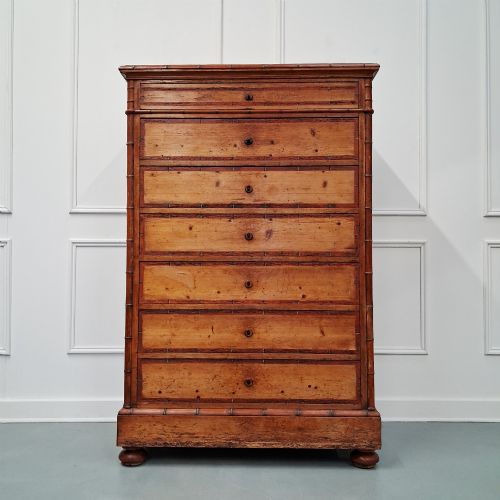
- A tall, narrow chest of drawers traditionally designed with seven drawers, one for each day of the week. These tall units maximise vertical storage space.
- Panetière
- A traditional wooden bread store or cabinet featuring open spindles for ventilation to keep loaves fresh. Originating in regional areas, they are typically constructed from oak.
- Lit-clos
- An enclosed bed structure featuring wooden panels and doors, designed to retain heat in colder rooms. Cabinets are occasionally adapted from these historic bed fronts.
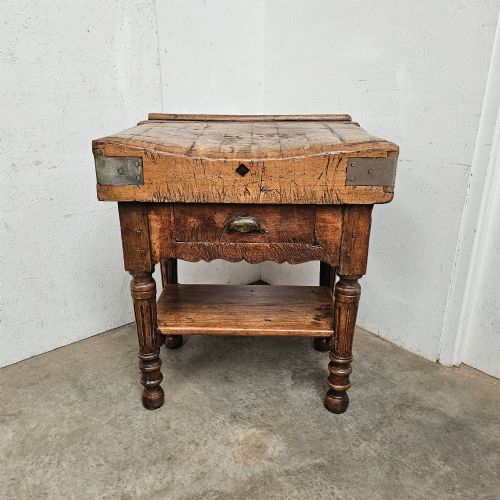
- Butchers block
- A thick wooden chopping block mounted on a sturdy wooden base, originally utilised for heavy food preparation. They remain popular for their robust utility and robust construction.
Traditional French Furniture: Frequently Asked Questions
How do I clean wooden surfaces?
Dust surfaces regularly with a soft, dry cloth to prevent the accumulation of grit in the grain. Avoid harsh chemical polishes that can strip the historic patina from the timber.
Apply a microcrystalline wax sparingly when the wood appears dry to nourish the surface. Buff gently after application to maintain a natural, subdued sheen.
Can I use a workbench indoors?
Workbenches serve well as kitchen islands, console tables, or desks in larger living spaces. Their substantial timbers and integrated vices add functional character to modern rooms.
Ensure the floor dimensions accommodate the length of the bench before placement. Protect the wooden top with appropriate oils if used near water sources.
How do I date a piece?
Examine the timber species, tool marks, and construction joints to determine the likely era of manufacture. Eighteenth and nineteenth-century pieces often display hand-sawn boards and pegged joinery.
Compare the style and hardware against documented regional furniture traditions. Secondary woods and fastener types also provide clues regarding the period of origin.
Are these pieces suitable for daily use?
Most items were constructed for rigorous domestic work and remain highly functional today. Dining tables, benches, and cupboards readily accommodate modern living requirements.
Treat antique surfaces with reasonable care by using coasters and placemats. Regular use helps maintain the tactile quality of the wood.